

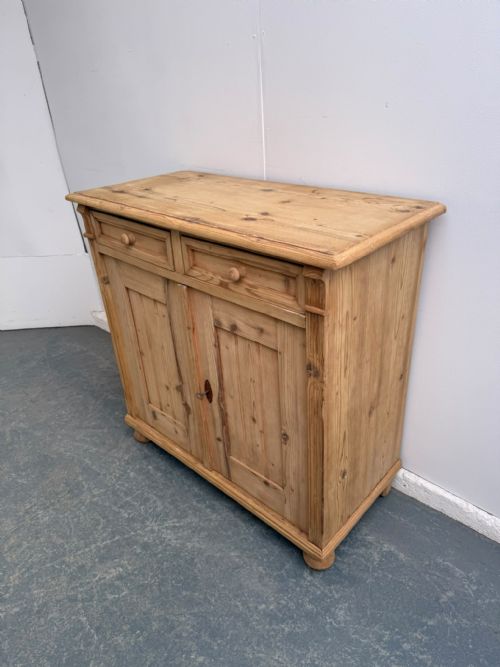


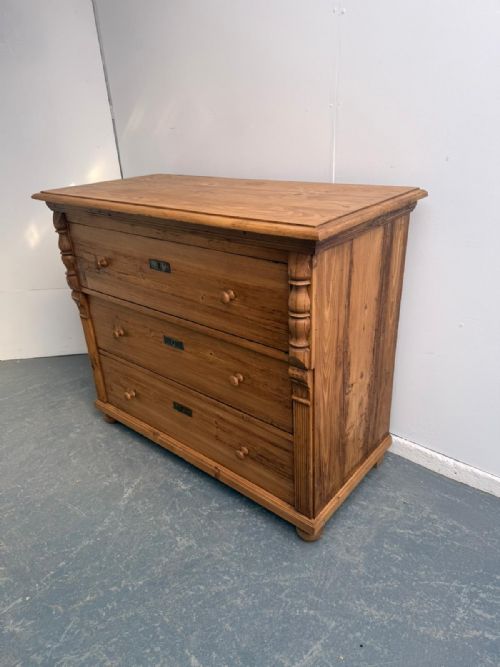
Old Pine Dresser
When you search for an old pine dresser, you are looking for a utilitarian kitchen or dining storage piece that brings practical timber character to a room.
Old Pine Dresser
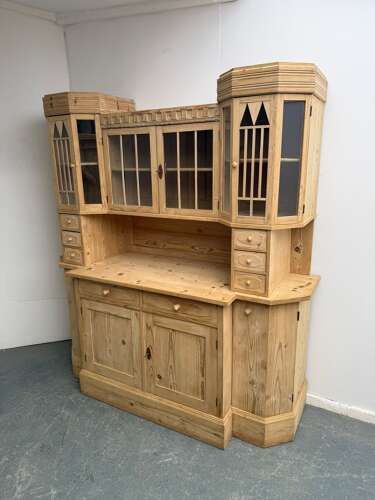
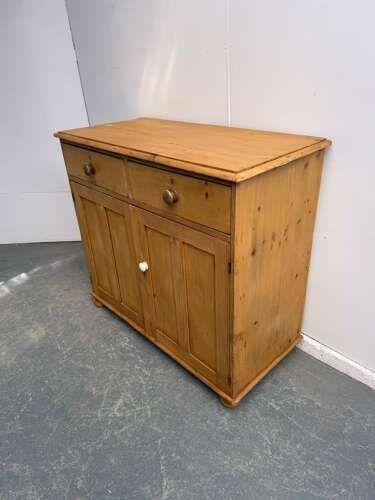
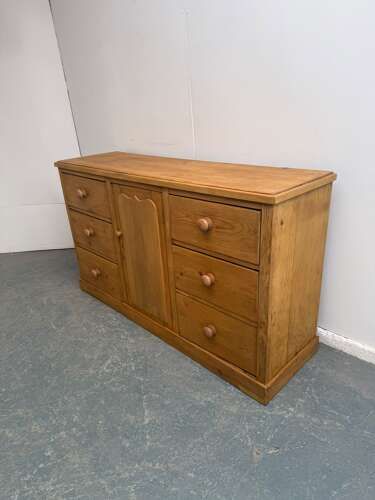
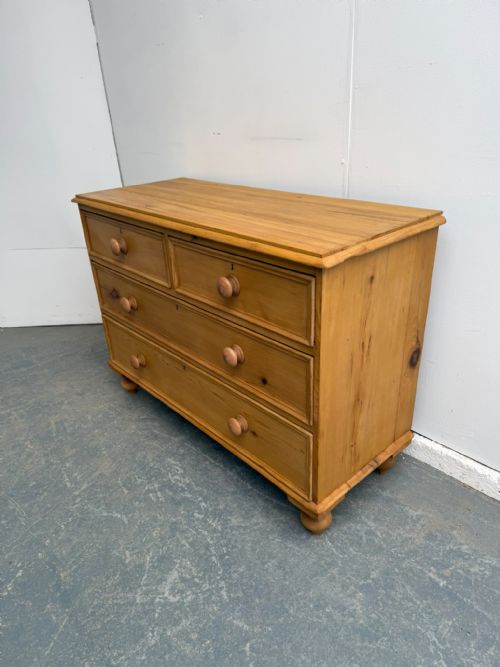
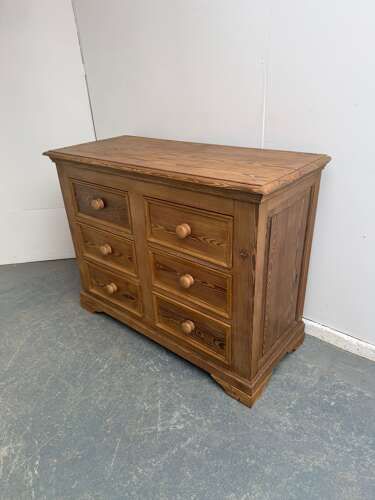
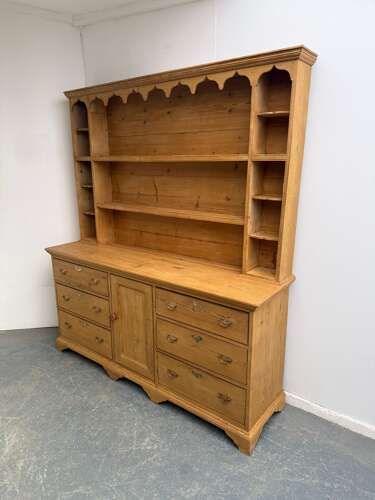
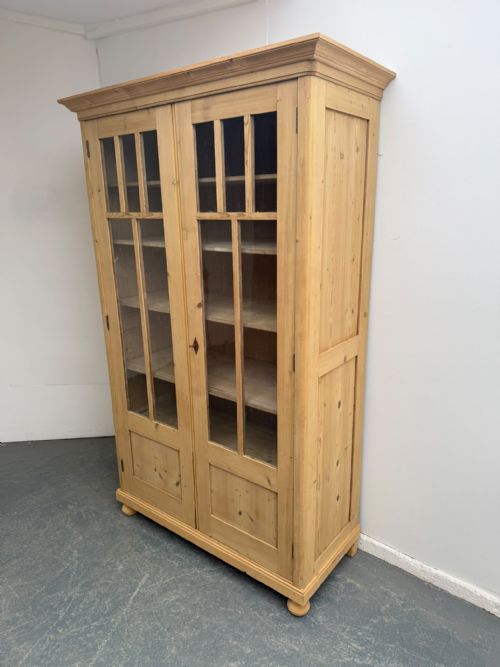
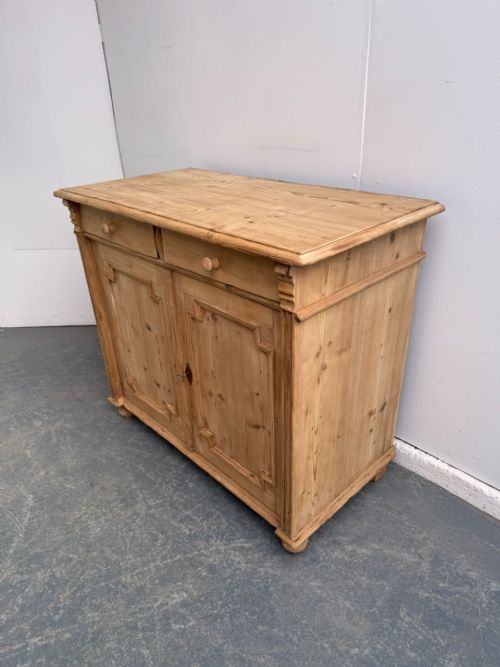
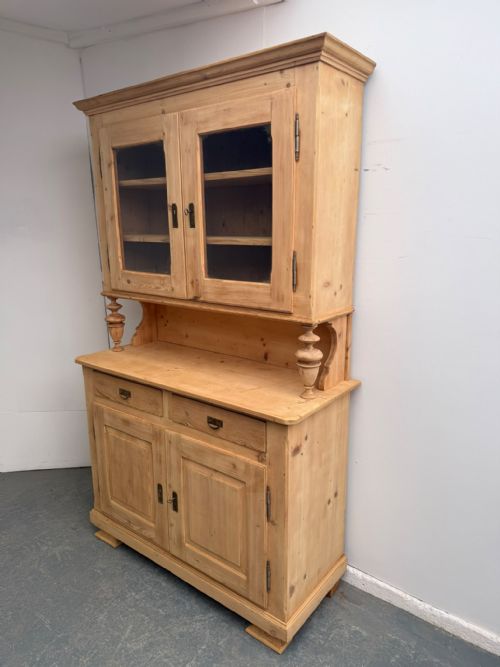
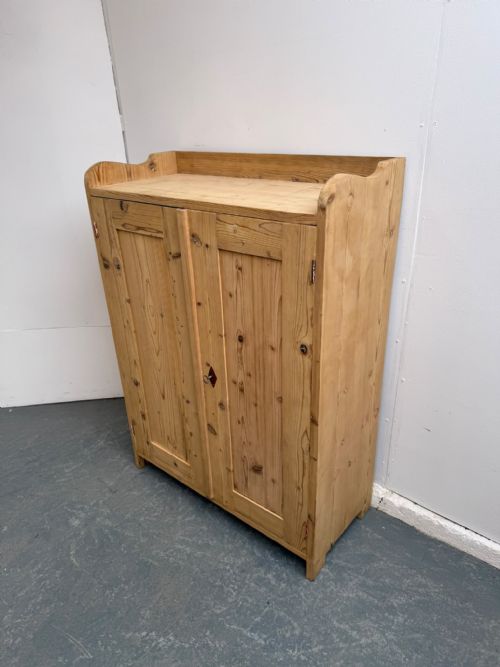
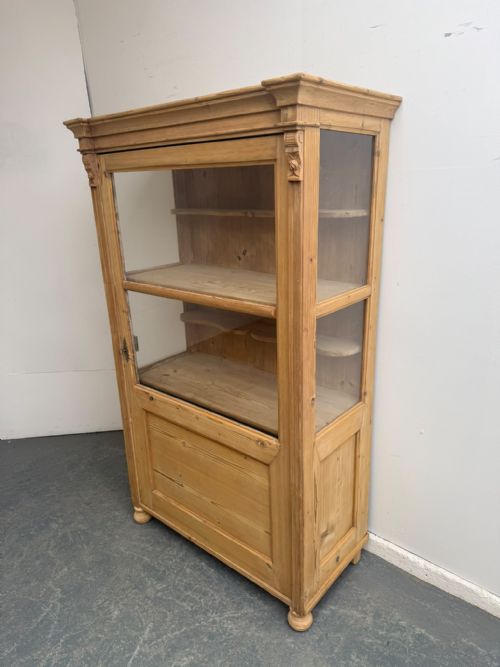
An old pine dresser typically presents as a two-piece kitchen storage unit, a dresser base, or a fitted cupboard originating from periods such as the Georgian and Victorian eras, alongside early twentieth-century examples. These pieces serve primarily for storing and displaying kitchenware, household linen, and provisions, taking forms that range from narrow Welsh formats to low, wide storage cupboards.
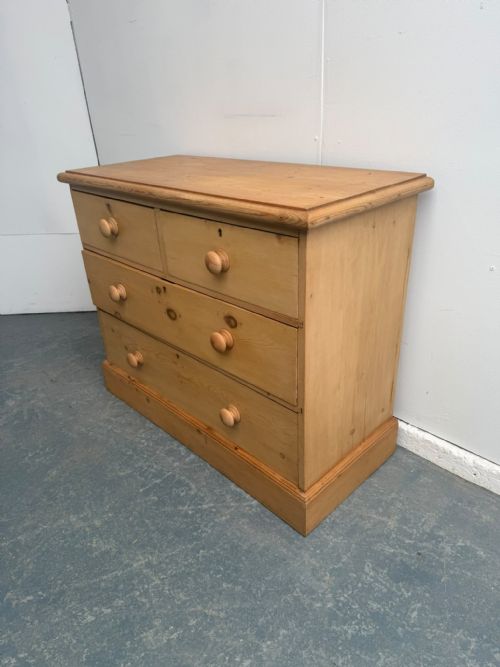
The specimens met on this page lean heavily towards Victorian country pieces and regional variants including Welsh, Irish, French, and Hungarian formats. Buyers encounter both waxed finishes that highlight the natural grain and bare timber surfaces intended for subsequent painting or waxing.
How They Were Made
Makers utilised solid pine timber for the main structures, often pairing it with brass, iron, or glass for handles, hinges, and glazed display doors, while occasionally incorporating ceramic components. Construction relied on traditional joinery methods suited to utilitarian furniture, yielding robust frames designed for daily domestic service.
Surface treatments typically involved applying a traditional wax finish to protect the softwood or leaving the pine unfinished for custom painting and waxing by the owner.
Old Pine Dresser Retail Price Guide 2026
Typical asking prices for old pine dresser among the pieces listed under this phrase on Sellingantiques today, from the lower quarter to the upper quarter. They describe what is for sale here now, not the wider market.
Several pieces preserve the quiet dignity of Hungarian farmhouses, having travelled across Europe to hold modern tea towels.
What Varies in Quality
The distinction between tiers rests upon the integrity of the original timber construction and regional provenance, with pieces showing columned detailing or specific functional additions such as bread slides commanding particular interest. Proportion and scale also dictate worth, as low wide formats or massive multi-drawer layouts differ significantly from standard utility furniture.
Another factor is the retention of original hardware, glass, and surface treatments, distinguishing untouched country examples from those that have undergone extensive reconstruction or modern intervention.
The Old Pine Dresser Glossary
- Dresser base
- The lower section of a kitchen dresser, often functioning as a standalone sideboard or serving surface equipped with drawers and cupboards.
- Glazed display cabinet
- A storage unit featuring glass-panelled doors designed to showcase ceramics and glassware while protecting them from dust.
- Bread slide
- A pull-out wooden shelf integrated into the cabinetry, traditionally used for cooling or preparing bread dough.
- Waxed pine
- Timber treated with natural wax to nourish the wood and impart a soft sheen while sealing the surface against everyday wear.
Old Pine Dresser: Frequently Asked Questions
How do I clean an old pine dresser?
Dust the timber regularly with a dry, soft cloth to prevent grime accumulation in the grain. Apply a traditional beeswax sparingly when the wood appears dry, buffing it gently to maintain the protective finish.
Avoid using harsh chemical detergents or excess water, as moisture penetrates softwood easily and can damage both waxed and bare pine surfaces.
Can I paint an unpolished pine dresser?
Many pine pieces are sold prepared for waxing or painting, making them suitable for custom decorative finishes. Ensure the surface is clean and lightly keyed before applying primers and appropriate furniture paint.
Bear in mind that older timber may release natural resins through new paint layers, requiring a suitable stain-blocking primer to prevent discolouration over time.
Where were these dressers originally used?
These pieces served as essential storage and workspace furniture in country kitchens, farmhouses, and pantries. They held everyday tableware, dry goods, and culinary utensils within easy reach of the hearth.
Regional variations reflect local domestic habits across England, Wales, Ireland, France, and Hungary, adapting cabinetry styles to suit rural homes.
How do I date an old pine dresser?
Examine the construction methods, drawer dovetails, and timber characteristics to establish an approximate period. Georgian and Victorian examples display hand-cut joinery and proportions distinct from early twentieth-century utility pieces.
Hardware styles, type of glass, and underlying tool marks also provide reliable clues regarding the era of manufacture.