






Old Pine Box
An old pine box offers practical utility and honest craft, bringing rustic character and warm grain to any room.
Old Pine Box
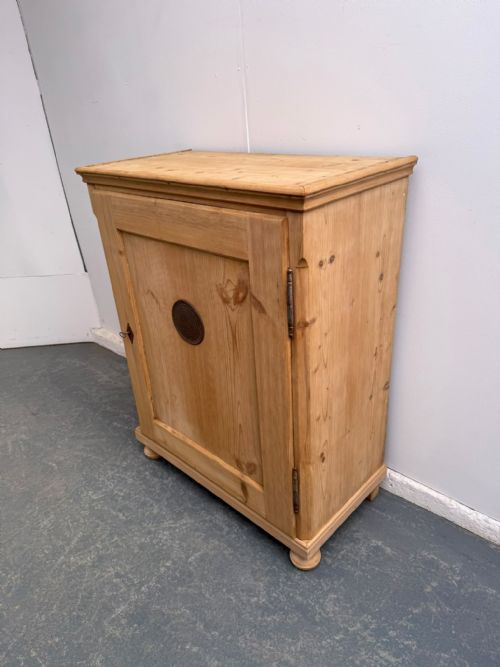
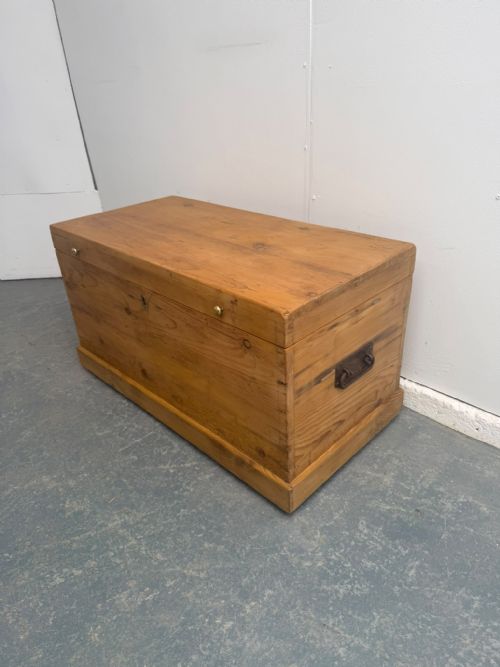
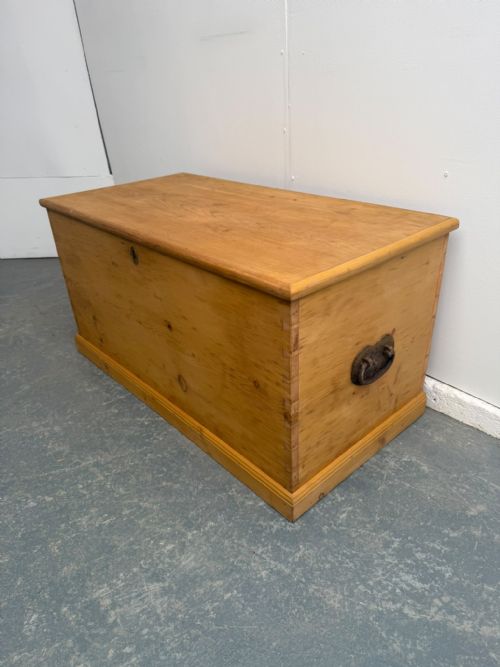
An old pine box encompasses a variety of utilitarian storage forms, ranging from simple lidded trunks and blanket boxes to fitted mule chests with lower drawers. Buyers searching for an old pine box encounter diverse regional interpretations, including continental folk art examples and vernacular British pieces.
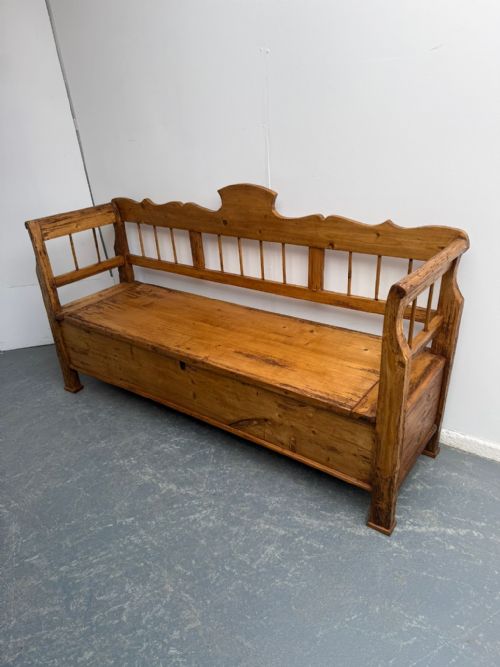
Many survivors double as functional seating or tables, appearing as settles with storage bases, low coffee table formats, and multi-seater benches. The domestic history of these items spans several distinct eras, notably the Georgian and Victorian periods, alongside later Arts and Crafts and early twentieth-century examples.
How they were made
Construction relies heavily on solid pine timbers, selected for structural utility and finished with clear wax to highlight the natural grain or coated in original paint schemes. Metal components such as iron and brass hardware provide functional reinforcement to corners, hinges, and carrying handles.
Surface treatments vary between straightforward waxed finishes and decorative folk art painting, sometimes complemented by interior compartments or applied leatherette detailing on seating surfaces.
Old Pine Box Retail Price Guide 2026
Typical asking prices for old pine box among the pieces listed under this phrase on Sellingantiques today, from the lower quarter to the upper quarter. They describe what is for sale here now, not the wider market.
Materials recorded across the inventory include pine, iron, brass, leatherette, ceramic, and applied wax or paint.
What varies in quality
Continental folk art variations and regional British craftsmanship display distinct decorative ambitions, where the survival of early or original paint finishes elevates the visual interest of a piece.
The Old Pine Box Glossary
- Mule chest
- A storage chest featuring one or more drawers beneath the main lidded compartment. This hybrid form bridges the gap between a traditional blanket chest and a chest of drawers.
- Box settle
- A wooden bench featuring a high back and a concealed storage compartment beneath the seat. These versatile items served dual purposes in domestic interiors.
- Folk art
- Decorative or utilitarian objects created within a community tradition rather than an academic design school. These pieces often feature hand-painted surfaces and vernacular styling.
- Dome top
- A curved lid construction on a trunk or chest designed to shed water and increase internal capacity. This form is frequently seen on travel trunks and older storage chests.
Old Pine Box: Frequently Asked Questions
What is a mule chest?
A mule chest combines a traditional lidded storage box with one or more lower drawers. This design evolved to provide easier access to belongings without requiring items to be lifted entirely out from the top.
Such pieces often served functional roles in domestic settings, storing linens, garments, or household provisions before dedicated wardrobes became common.
How do I care for a waxed pine box?
Maintaining a waxed pine surface involves applying a traditional beeswax polish periodically to nourish the timber and protect against drying out. Buffing the surface gently restores the soft sheen typical of older finishes.
Avoid placing these items near direct heat sources or in damp environments, which can cause the timber to warp or the wax to degrade over time.
Where were painted Hungarian boxes made?
These decorative storage pieces originated in rural Hungarian communities, where local artisans decorated household furniture with traditional painted motifs. Such items often served as dowry chests or primary storage within homes.
The survival of original pigment layers on these continental items provides insight into regional folk art traditions of the nineteenth century.
Can these chests be used as coffee tables?
Low proportions on certain storage boxes make them suitable for modern living spaces as alternative coffee tables. Their flat lids provide a stable surface for everyday items while offering concealed storage underneath.
Using vintage trunks in this manner integrates practical storage with traditional furniture forms in contemporary interiors.