





Old Oriental Carpet
An old oriental carpet brings substantial wool, cotton, and silk textiles into a room through traditional Persian, Anatolian, Afghan, and Caucasian regional designs.
Old Oriental Carpet
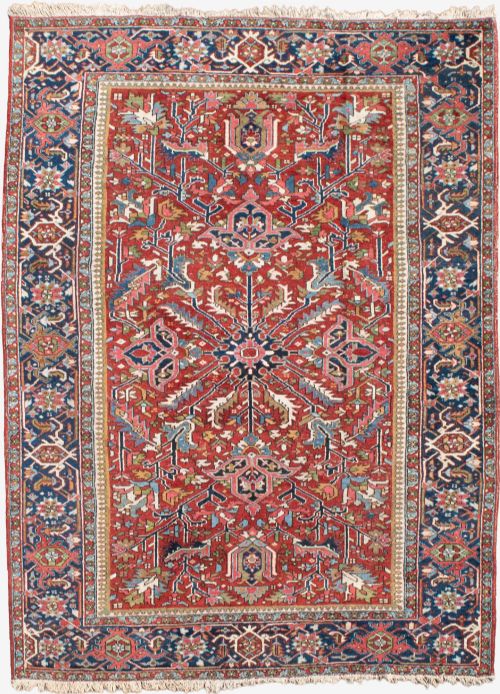
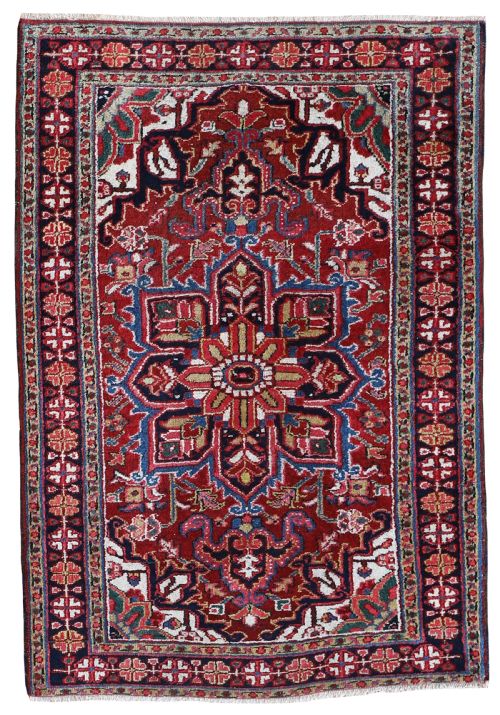
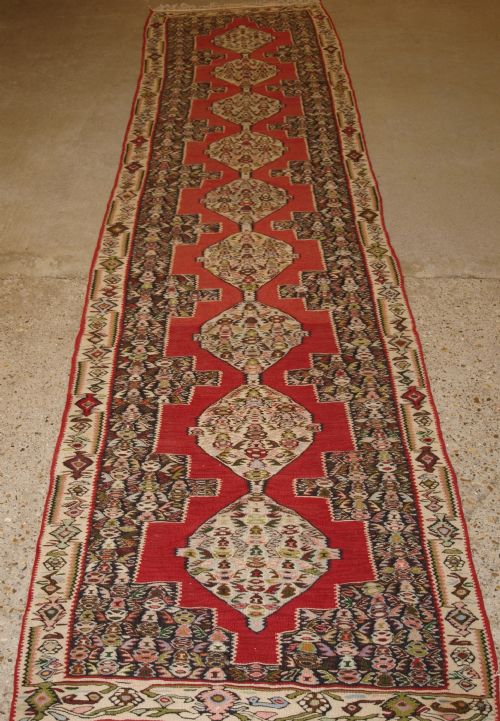
An old oriental carpet encompasses room-size floor coverings, runners, and smaller prayer rugs originating from Persia, Turkey, Afghanistan, Central Asia, India, China, and Nepal. These textiles date primarily from the early twentieth century and the nineteenth century, reflecting long-standing regional weaving traditions.
The selections available include large Heriz, Tabriz, and Kirman room-size carpets alongside specific village and tribal formats such as Baluch, Qashqai, Yomut Turkmen, and Turkish Melas examples. Buyers encounter everything from expansive chamber carpets to narrow runners and square Tibetan pieces.
Regional styles dictate the visual structure, showing geometric village patterns, medallion formats, and intricate prayer designs. Each piece reflects the distinct aesthetic vocabulary of its specific origin, whether produced in a Persian urban workshop or an Anatolian village.
How they were made
The construction relies predominantly on wool, hand-spun wool, and cotton foundations, occasionally enhanced with silk highlights in finer urban pieces. Artisans employed natural dyes to colour the yarns, producing deep reds, ivory grounds, and subtle variegated tones across the pile.
Many items are hand woven using traditional knotting and flatweaving techniques characteristic of tribal and village production. Workshops in centres like Tabriz, Qum, and Nain incorporated precise knot densities, whilst nomadic groups utilised sturdy flatweave and pile methods suited for portable looms.
Old Oriental Carpet Retail Price Guide 2026
Typical asking prices for old oriental carpet among the pieces listed under this phrase on Sellingantiques today, from the lower quarter to the upper quarter. They describe what is for sale here now, not the wider market.
The listings feature rugs and carpets utilising hand-spun wool, cotton, silk, and natural dyes across Persian, Anatolian, Afghan, and Caucasian styles.
What varies in quality
Quality rests upon the fineness of the materials and the precision of the hand-weaving technique. Urban workshop productions often display intricate detail and silk highlights, whereas village and tribal pieces demonstrate robust hand-spun wool and vigorous graphic designs.
The integrity of the pile, the stability of the cotton or wool foundation, and the consistency of the natural dyes determine the structural calibre of the textile. Superior examples maintain balanced proportions, crisp pattern definition, and well-preserved borders across large formats.
Maples Ushak
The Old Oriental Carpet Glossary
- Prayer rug
- A small textile featuring a mihrab or niche design historically utilised for private daily devotion. These portable rugs often display specific regional iconography.
- Kilim
- A flatwoven carpet or runner produced without a pile by tightly interweaving warp and weft threads. These textiles are frequently made in Turkish and Caucasian regions.
- Runner
- A long, narrow carpet format designed specifically for hallways, corridors, or staircases. Proportions are exceptionally elongated compared to standard room-size rugs.
- Medallion
- A central ornamental design motif placed in the middle of the field. This symmetrical layout frequently appears in Persian and Anatolian carpets.
- Warp
- The vertical threads stretched lengthwise on a loom that form the structural foundation of the rug. Weft threads are subsequently passed horizontally through them.
Old Oriental Carpet: Frequently Asked Questions
Where were these old oriental carpets made?
These carpets originate from traditional weaving regions across Persia, Turkey, Afghanistan, the Caucasus, and parts of Inner Asia including Tibet and Nepal. Production spans distinct environments, from major urban workshops in cities like Tabriz and Qum to remote tribal camps and Anatolian villages.
Each area developed specific local techniques, wool qualities, and design repertoires that distinguish a Persian Heriz from an Afghan Baluch or a Turkish Bergama prayer rug.
How do I care for an old wool carpet?
Care requires gentle, regular vacuuming without a rotating brush roll to protect the hand-spun wool pile and delicate foundation threads. Keeping the textile out of direct, intense sunlight prevents natural dyes from fading prematurely over the years.
Professional cleaning tailored to antique oriental textiles is recommended periodically to remove embedded dust safely without damaging the cotton or wool fibres.
What is the difference between a village rug and a workshop carpet?
Village and tribal rugs are typically woven on portable looms using hand-spun wool and bolder, more geometric or spontaneous pattern variations. They reflect regional folk traditions and independent local aesthetics.
Workshop carpets, conversely, are produced in settled urban centres under structured supervision, often featuring finer knot counts, symmetrical floral medallions, and occasionally silk highlights.
How can I tell a prayer rug apart from other rugs?
A prayer rug is distinguished by the presence of a mihrab, which is an arched architectural motif representing the direction of prayer. This niche design directs the visual focus toward one end of the textile.
These formats are usually smaller in scale, designed for personal use rather than covering an entire room floor.