



Old Gold Drop Earrings
Old gold drop earrings bring together historic diamond cuts and precious metals, catching the light with every movement.
Old Gold Drop Earrings
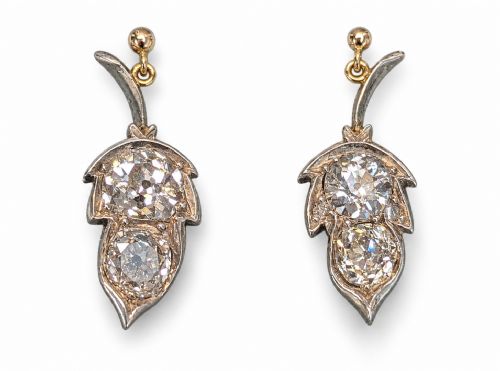
When you search for old gold drop earrings, you encounter pieces spanning several distinct historical periods from the late nineteenth century through to the mid-twentieth century. The selection leans heavily towards Edwardian and Victorian examples, alongside Art Deco and Mid-Century designs.
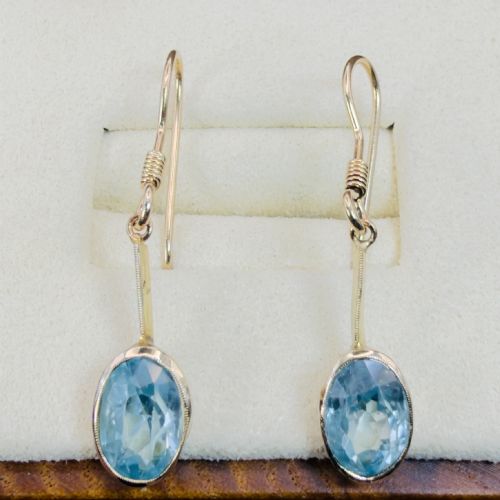
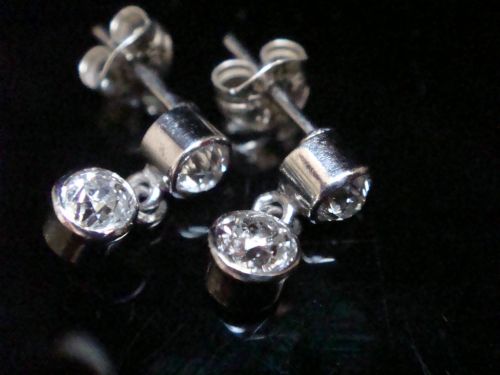
Most items combine yellow gold, white gold, or platinum settings with historic diamond cuts, creating a noticeable dangle beneath the earlobe. Forms range from simple articulated drops to elaborate halo circles and teardrop configurations.
Origin varies between British workshops and French makers, occasionally incorporating gemstones such as blue zircon or natural pearls alongside the diamonds. These pieces reflect the prevailing aesthetic shifts of their respective decades while maintaining a distinct drop silhouette.
Factors that distinguish quality
Quality rests on the precision of the hand-cut stones and the intricacy of the metalwork. Pieces that show fine pierced gallery work and secure articulation demonstrate superior craftsmanship compared to simpler stampings.
The integration of precious metals like platinum with 18ct gold, combined with well-matched old cut diamonds and natural pearls, elevates a piece. Structural integrity of the drop mechanism and the original condition of the metal settings further separate standard examples from finer specimens.
Old Gold Drop Earrings Retail Price Guide 2026
Typical asking prices for old gold drop earrings among the pieces listed under this phrase on Sellingantiques today, from the lower quarter to the upper quarter. They describe what is for sale here now, not the wider market.
The Old Gold Drop Earrings Glossary
- Old cut diamond
- A diamond shaped by hand before modern machine-cut standards, typically possessing a smaller table, higher crown, and open culet.
- Rose cut diamond
- A gemstone cut with a flat base and a domed crown faceted into triangles, resembling an unopened rosebud.
- Articulated drop
- A design feature where sections of the earring are hinged to move independently, adding motion when worn.
- Lever-back
- A type of earring fastening that uses a hinged lever closing behind the earlobe for security.
- Natural pearl
- A pearl formed organically within an oyster without human intervention, often found in antique jewellery.
Old Gold Drop Earrings: Frequently Asked Questions
How do I care for antique drop earrings?
Clean these pieces gently with a soft brush and warm soapy water, avoiding harsh ultrasonic cleaners that might dislodge historic stones or damage pearls. Store them individually in lined boxes to prevent metal scratching and stone abrasion.
Check the hinges and settings periodically to ensure the old cut diamonds and secure drops remain firmly in place during regular wear.
Are these earrings suitable for daily wear?
Many of these pieces feature delicate hand-pierced mounts and historic stones that require mindful handling during everyday activities. Removing them before sleeping or physical exercise helps preserve the fragile metalwork.
While robust enough for regular social occasions, older mechanisms benefit from gentle treatment compared to modern jewellery.
What is the difference between Edwardian and Victorian styles?
Victorian pieces often display heavier gold work and warmer yellow tones, occasionally incorporating natural pearls and substantial rose cut diamonds. The designs lean towards romantic or classical motifs.
Edwardian and Art Deco pieces shift towards lighter white gold and platinum settings, favouring delicate garlands, geometric lines, and intricate pierced filigree.
Can antique earrings be converted for unpierced ears?
Most drop earrings from this era were originally made for pierced ears, though some utilised screw-backs depending on the decade. Altering the original fixings can diminish the historical integrity of the piece.
It is generally preferable to seek out examples that match your specific fastening requirements rather than modifying historic mounts.