
Oil Painting Wall Art
When you search for oil painting wall art, you are looking at centuries of canvas, panel and pigment shaped by distinct regional hands.
Oil Painting Wall Art
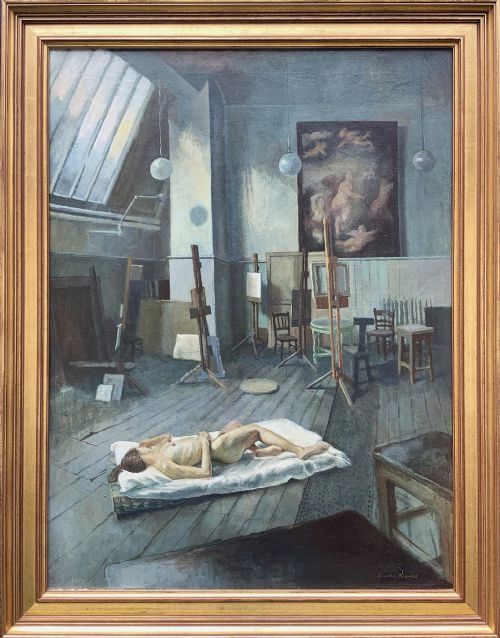
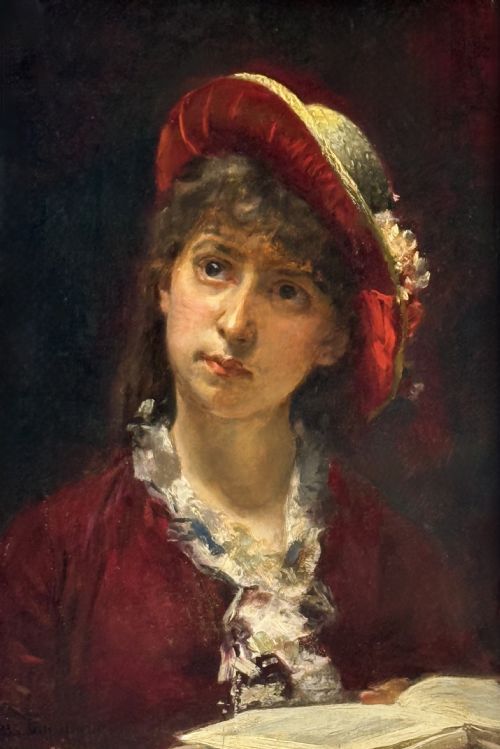
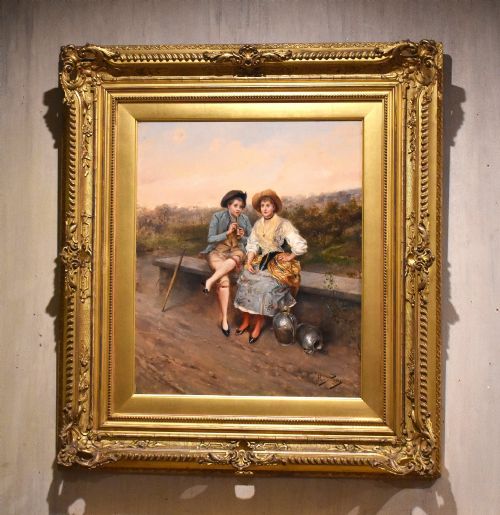
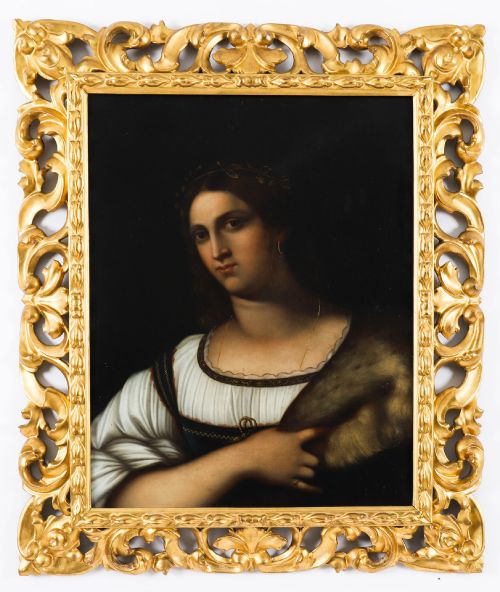
Oil painting wall art spans centuries of creative output, connecting buyers with tangible fragments of historical portraiture, maritime scenes and pastoral landscapes. The selection draws heavily on portraiture and still life subjects, often framed by the traditions of Dutch, Italian and English schools.
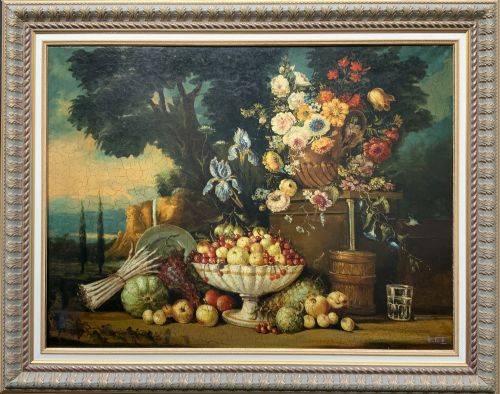
Most pieces encountered here originate from the nineteenth and twentieth centuries, alongside earlier seventeenth-century works and later mid-century compositions. Forms range from intimate portraits on panel to large canvas landscapes and detailed floral studies.
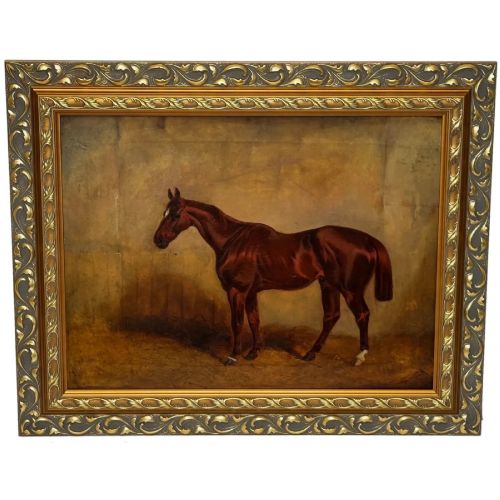
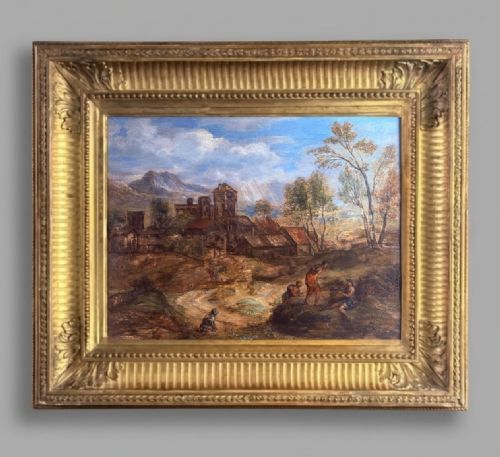
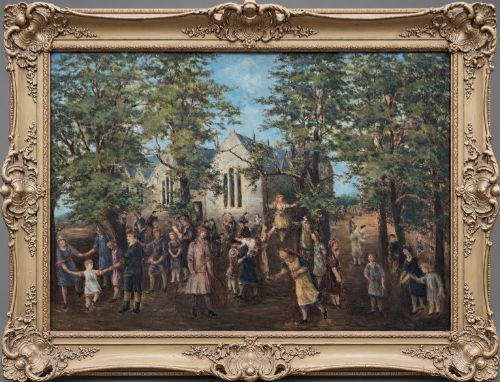
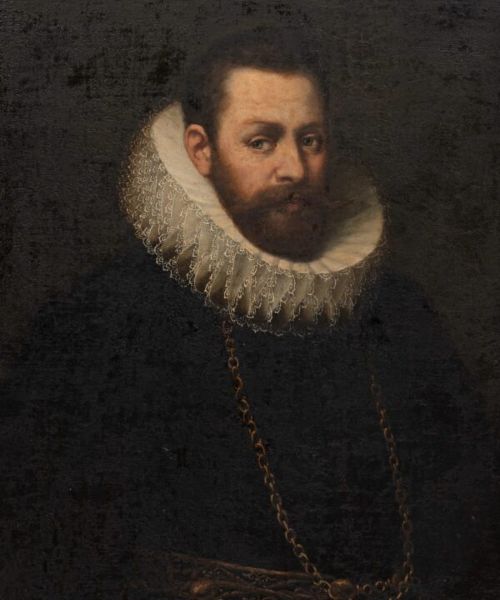
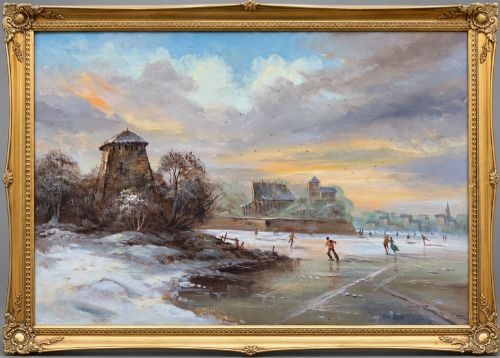
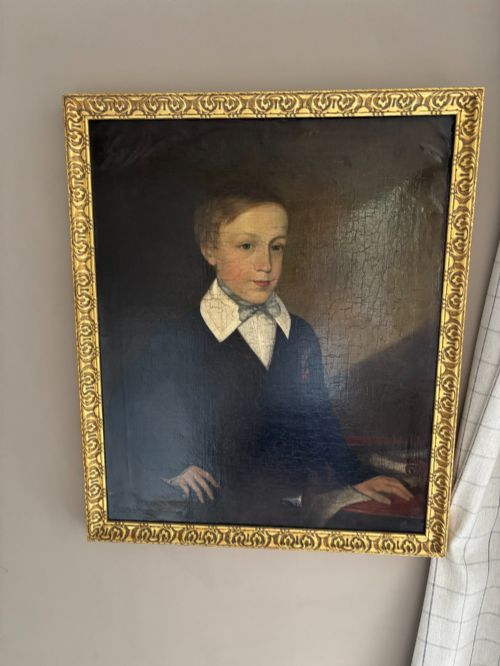
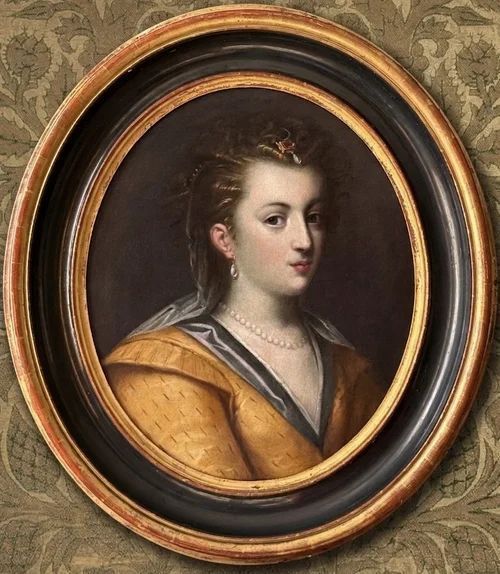
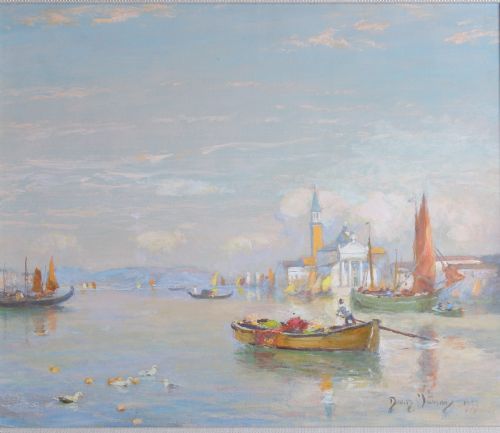
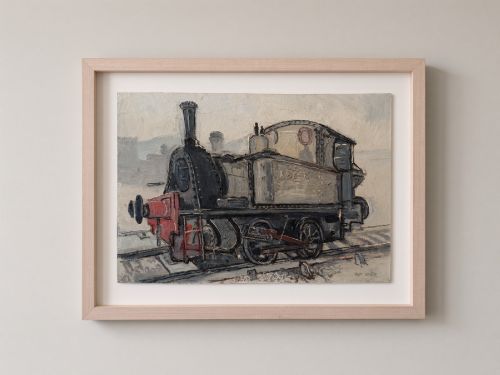
Portraits of noblemen, military officers and scholars sit alongside winter village scenes and maritime views of brig ships. Buyers find everything from seventeenth-century Venetian landscapes to twentieth-century equestrian and locomotive studies.
How they were made
Pigments bound in oil were traditionally applied to stretched canvas, wooden panels or occasionally vinyl canvas boards. Artists built depth through layered brushwork, capturing the texture of ruff collars, velvet drapery and foliage.
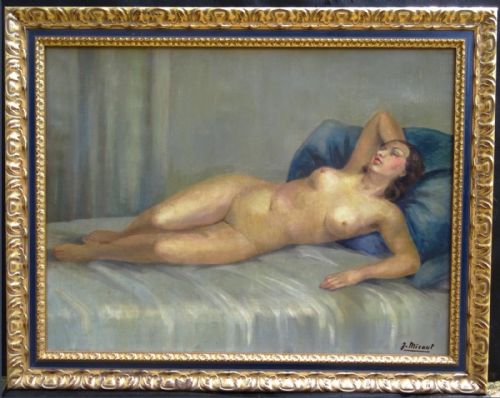
Substantial frames of giltwood and gold leaf frequently encase these works, enhancing the visual weight of the paintings. The integration of oil paint with wood or canvas supports allowed for enduring resilience across centuries of display.
Listings feature works spanning from the sixteenth century to later twentieth-century studies on canvas and board.
What varies in quality
The composition's overall coherence and the preservation of the original paint surface dictate the visual strength of each piece. Surviving examples that retain their early giltwood frames or bear secure attribution to recognised schools hold distinct authority.
Charles Bilger Spalding·Gaastra·Deidre Daines·Alonso Perez·Fred Yates·Lionel Ellis·Joseph Vivienne·Sir Peter Lely·John Greenhill·Henry Barraud·Walter Robin Jennings·Hugh Barry-Scott
The Oil Painting Wall Art Glossary
- Oil on canvas
- A traditional painting medium where pigment mixed with drying oil is applied to a woven fabric support. This combination allows for flexible blending and rich textural depth.
- Giltwood
- Wood carved and coated with a thin layer of gold leaf or metallic powder. It provides ornate, reflective framing common to historical fine art.
- Oil on panel
- A technique where artists apply oil paint directly to a prepared wooden board rather than fabric. Panels offer a rigid, stable surface often favored in earlier centuries.
- Dutch School
- A collective term for artists working in the Netherlands during periods such as the Dutch Golden Age. These painters frequently specialised in landscapes, still lifes and domestic portraiture.
- Old Master
- A term denoting a highly skilled European painter who worked before the nineteenth century. These artists established foundational styles replicated or studied in later eras.
Oil Painting Wall Art: Frequently Asked Questions
What is the difference between canvas and panel paintings?
Canvas provides a slightly yielding fabric surface stretched over a wooden frame, which accommodates larger compositions.
Panels offer a rigid wooden foundation that tends to appear in earlier historical works.
How should I clean an antique oil painting?
Dust accumulation should be gently removed with a soft, dry brush without applying moisture or household cleaners.
Professional conservators should handle deeper cleaning to avoid damaging aged varnish and pigment layers.
How can I tell a seventeenth-century piece from a nineteenth-century one?
Period indicators include the style of dress in portraits, framing conventions and the preparation of the canvas or wood support.
Examining pigment composition and stretcher construction often clarifies the era of creation.