

Oak Top Table
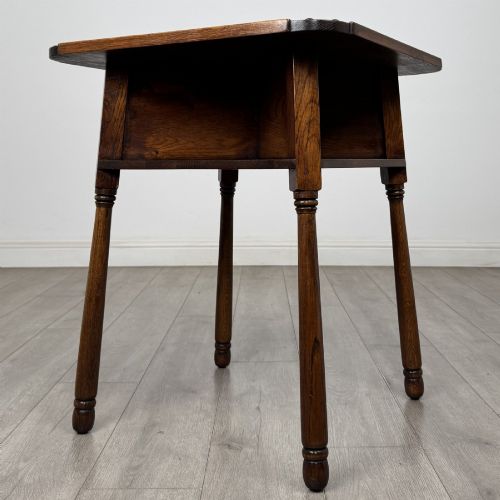
An oak top table brings solid timber grain and centuries of domestic utility straight into the modern room.
Oak Top Table
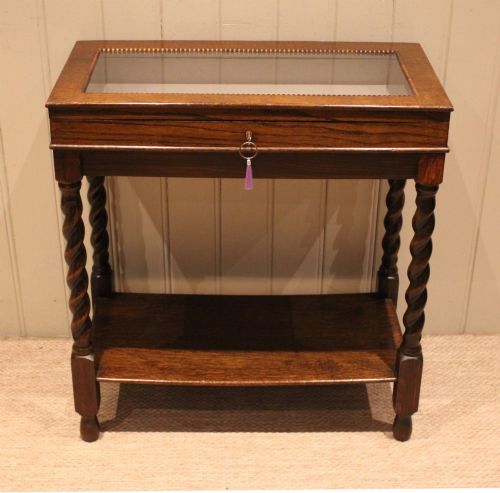
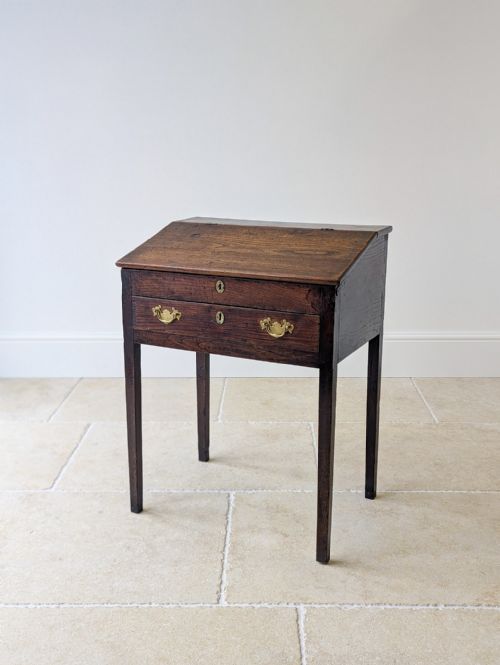
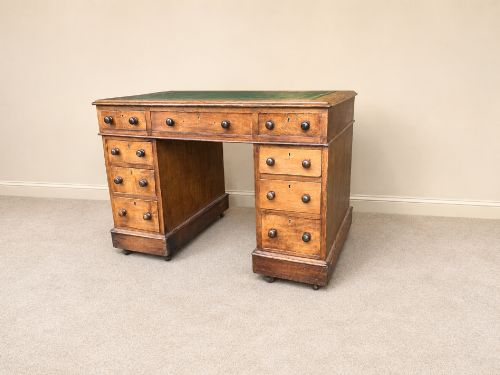
When searching for an oak top table, buyers encounter a robust array of antique furniture spanning dining, occasional, and writing forms. These pieces originate from periods such as the eighteenth century, the nineteenth century, and the Edwardian era, reflecting enduring functional designs.
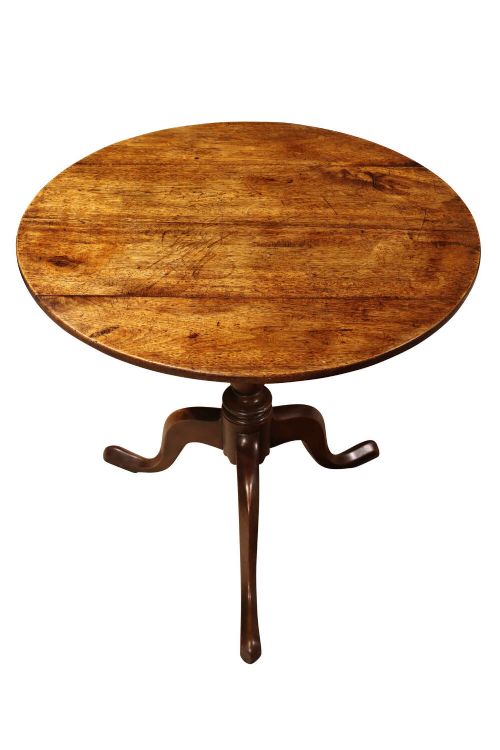
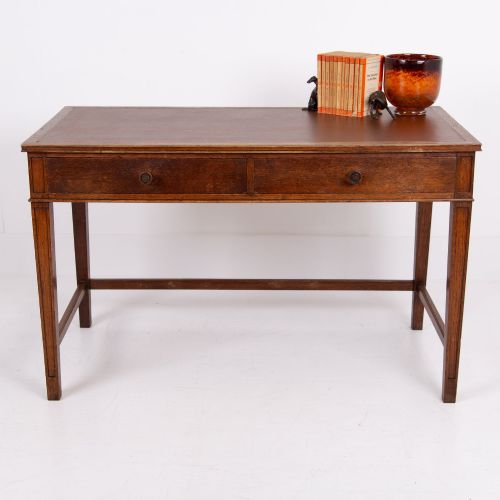
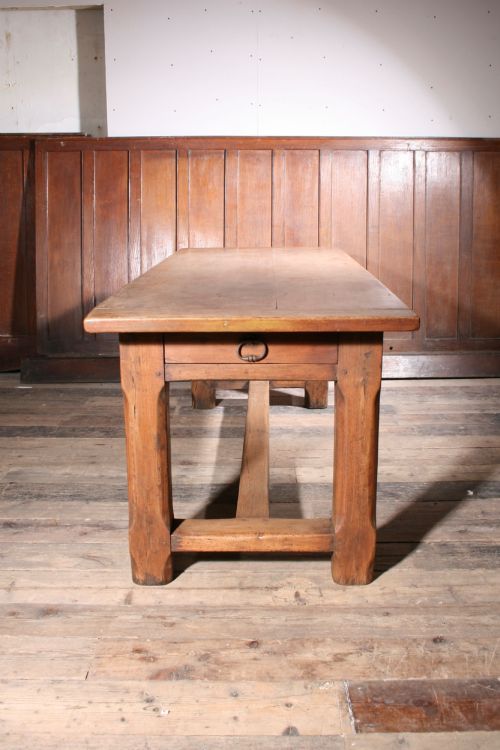
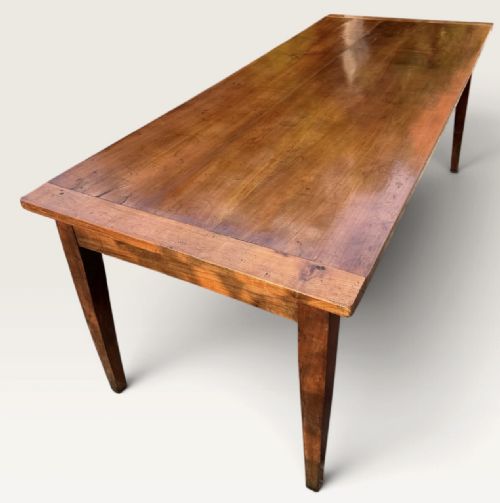
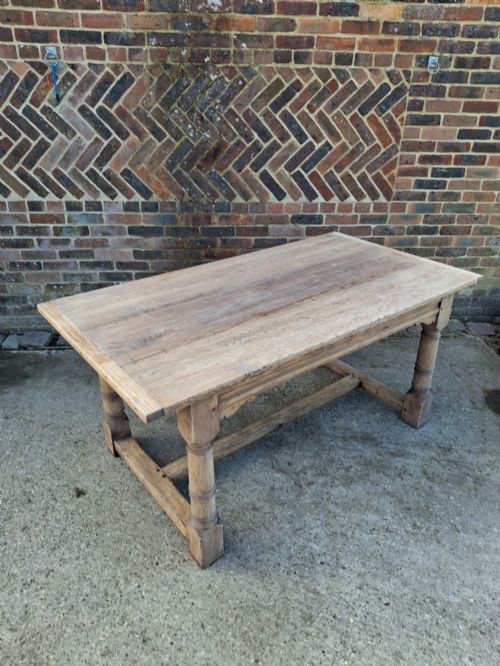
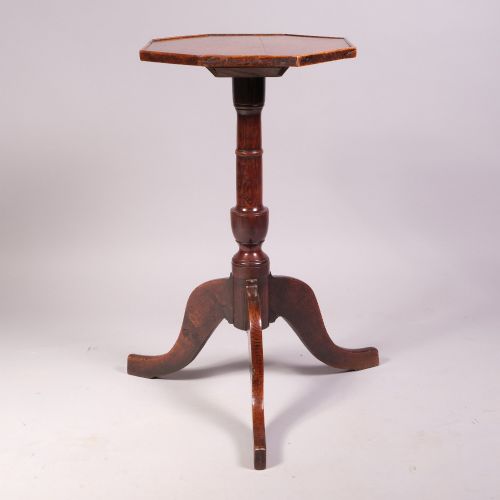
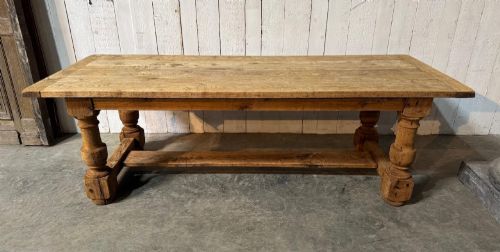
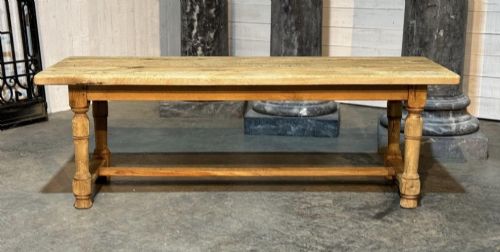
The most common version on this page is the farmhouse dining table, alongside smaller tilt-top, pedestal, and side tables. Timber selection ranges from standard oak to burr oak, often combined with elm or pine in vernacular pieces.
Makers and regional workshops produced these tables in styles including Georgian, Arts and Crafts, and Jacobean Revival. Their heavy timber surfaces show the marks of daily use, from kitchen preparation to tavern dining.
Judging Quality
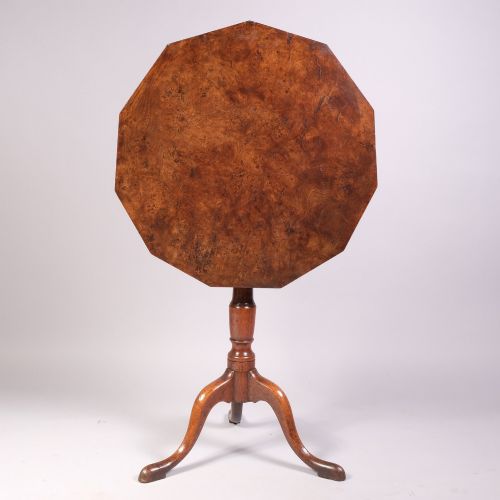
Quality rests in the selection of the timber planking, particularly where single-board tops or burr oak veneers display exceptional grain patterns. Heavy farmhouse tables depend on the thickness of the top and the integrity of the underframe for their enduring strength.
Proportion and execution of carved details separate standard utility tables from finer regional or stylistic examples, such as Arts and Crafts or Georgian pieces. Original surface patination and honest signs of age hold greater value than overly restored finishes.
Oak Top Table Retail Price Guide 2026
Typical asking prices for oak top table among the pieces listed under this phrase on Sellingantiques today, from the lower quarter to the upper quarter. They describe what is for sale here now, not the wider market.
One occasional table hides a peacock design in its brass top.
The Oak Top Table Glossary
- Tilt top table
- A small occasional table with a hinge mechanism that allows the wooden surface to fold vertically when not in use. This design saved space in smaller historic rooms.
- Refractory table
- A long, heavy dining table traditionally used in monasteries and large households, featuring substantial legs braced by low stretchers. They are built to seat many diners.
- Joint stool
- A low wooden seat constructed with mortise and tenon joints, often predating chairs in domestic settings. Examples frequently combine oak and elm.
- Barley twist
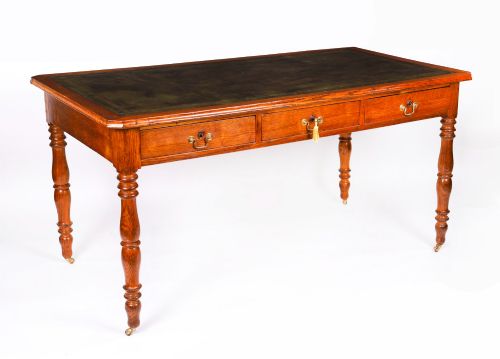
- A turned wooden furniture leg resembling a spiral rope. This decorative carving is frequently found on Victorian and Jacobean Revival pieces.
- Veneer
- A thin layer of superior wood, such as burr oak, applied to a sturdier secondary timber base. It provides decorative grain patterns on furniture surfaces.
Oak Top Table: Frequently Asked Questions
How do I clean an antique oak top table?
Dust the surface regularly with a soft, dry cloth to prevent dirt build-up in the wood grain. Apply a quality beeswax periodically to nourish the timber and maintain its natural lustre.
Avoid using modern liquid cleaners, silicone sprays, or placing the table near direct heat sources. Moisture and extreme temperature fluctuations can cause old oak planks to warp or split.
How do I tell an 18th century oak table from a later revival piece?
Examine the underside and construction joints for hand-cut pegging, irregular tool marks, and shrinkage in the wood. Eighteenth-century pieces typically show authentic peg construction and deep patination.
Revival pieces from the nineteenth or twentieth centuries often display mechanical saw marks and standardised joinery. The timber density and wear patterns also offer clues to the true age of the piece.
What is the difference between a side table and an occasional table?
A side table is typically designed to stand against a wall, sometimes featuring drawers or a shaped top for display. They offer a fixed, stable surface for lamps and decorative objects.
An occasional table is generally smaller and lighter, intended to be moved around a room as needed. Many historical examples feature folding mechanisms or pedestals for flexible placement.