
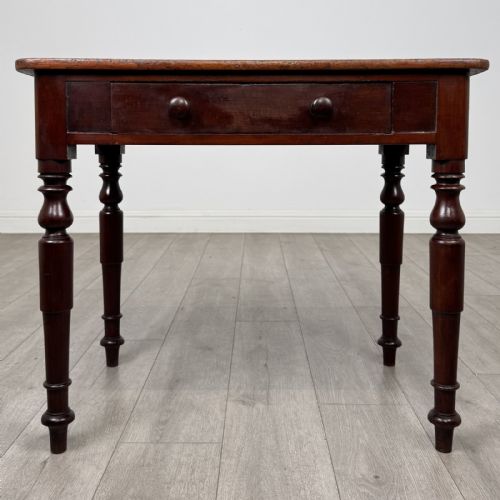
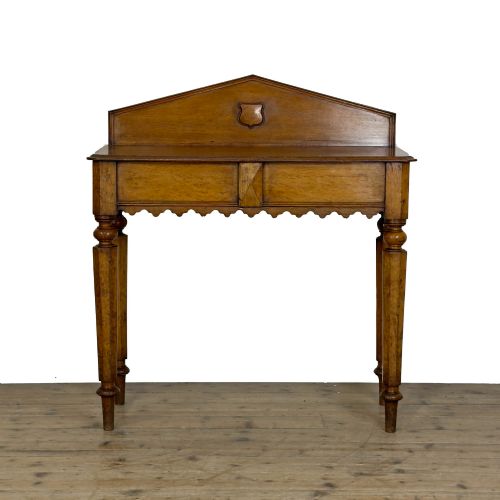
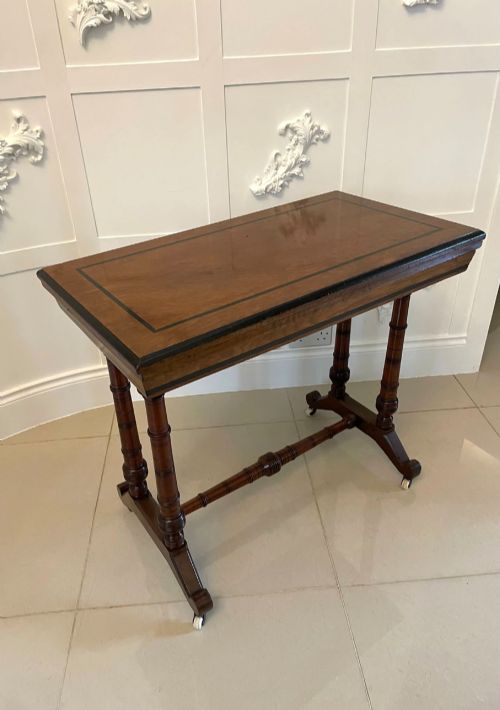
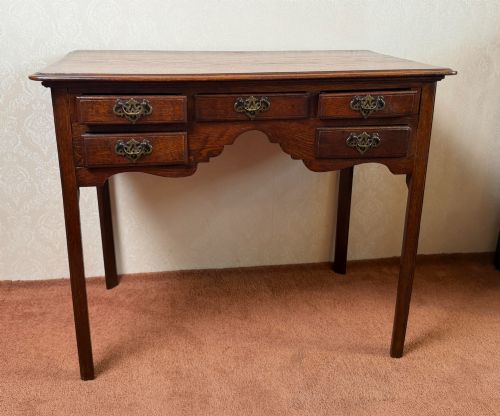
Oak Side Table Console
An oak side table console bridges working surface and architectural presence, offering disciplined storage and grain built to endure centuries.
Oak Side Table Console
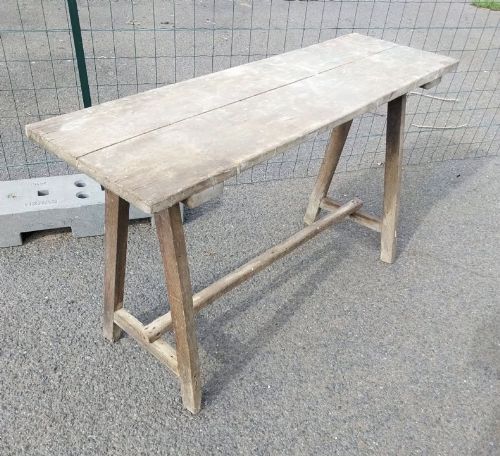
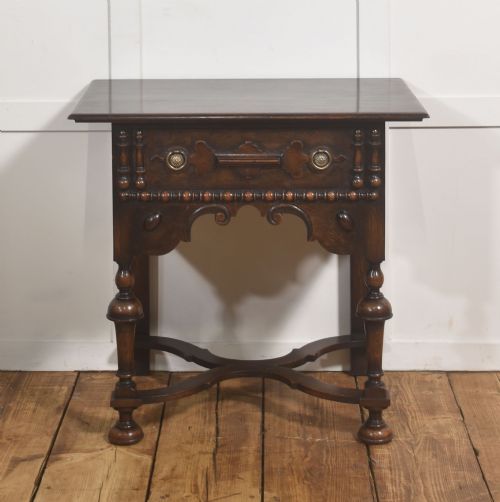
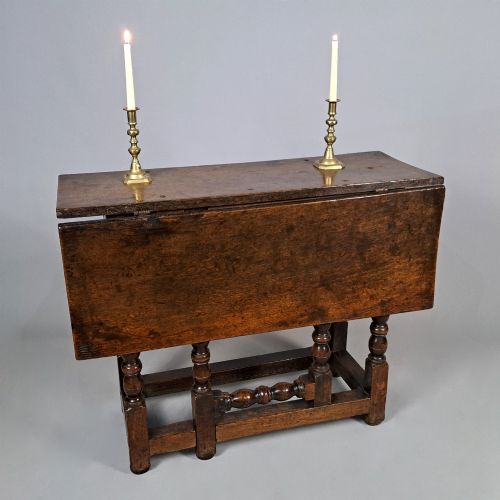
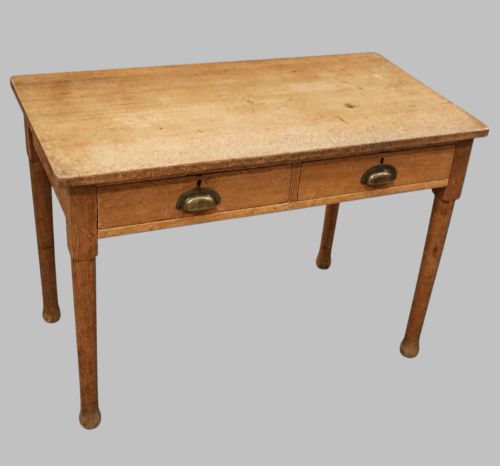
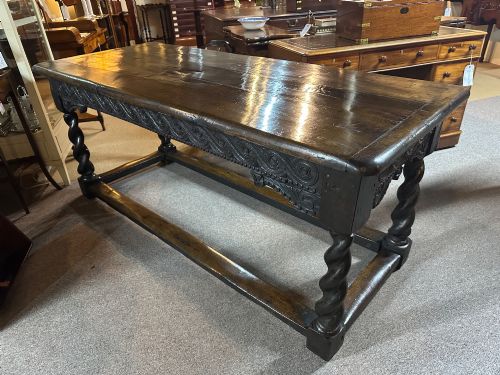
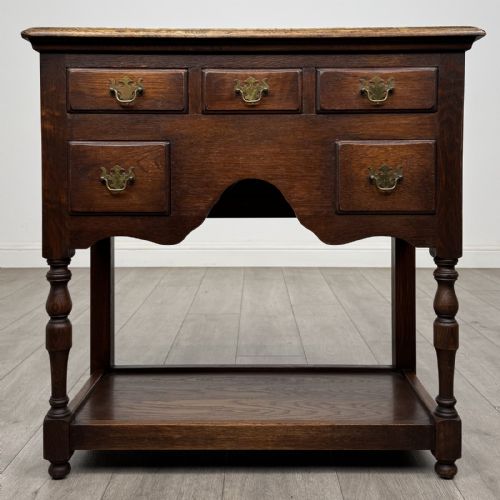
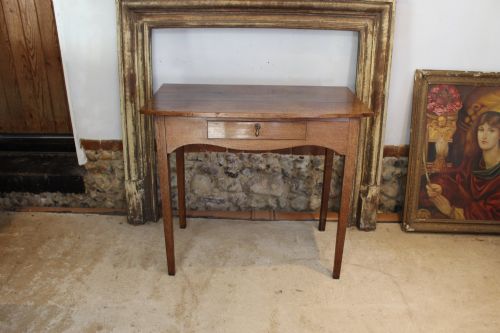
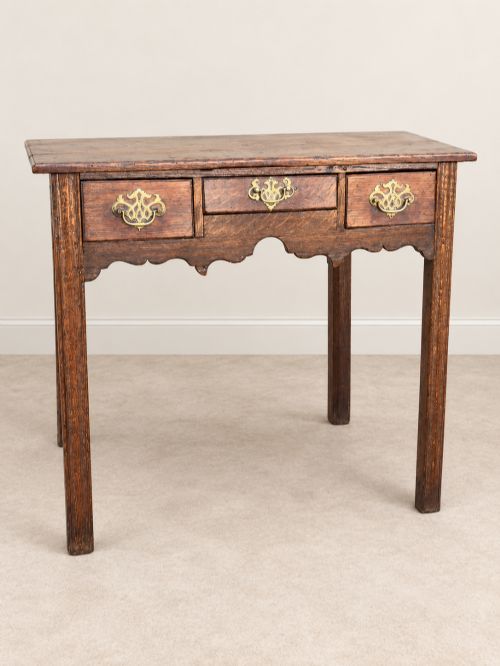
The oak side table console category spans utilitarian lowboys, substantial dresser bases, and narrow hall tables designed to hug a wall. Pieces originate from domestic English, Scottish, Irish, and French settings, shifting in scale from compact writing surfaces to grand serving boards.
Georgian and 17th-century examples display panelled construction and straightforward geometry, whereas Victorian and Edwardian iterations frequently introduce carved decoration or revivalist styling. Buyers encounter both rustic country furniture and formal urban commissions within the same search.
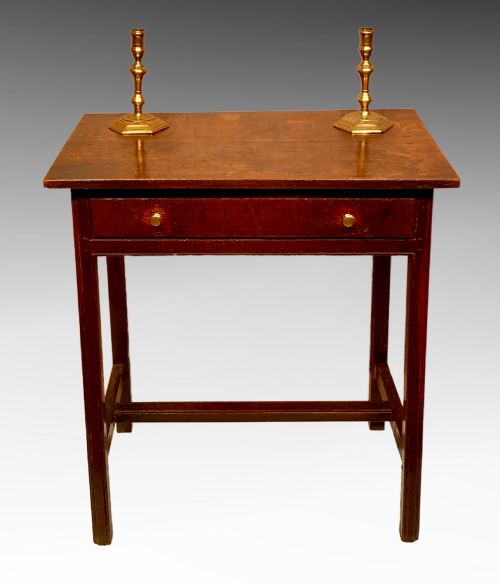
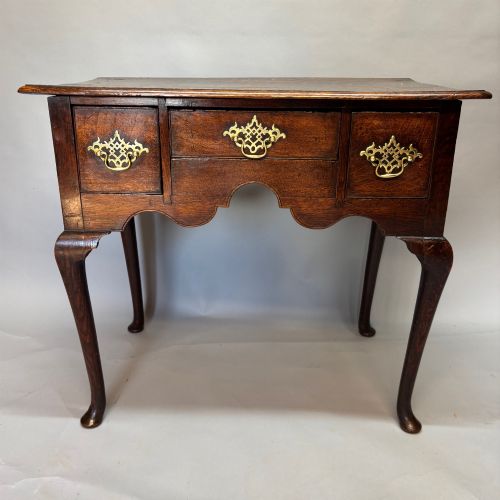
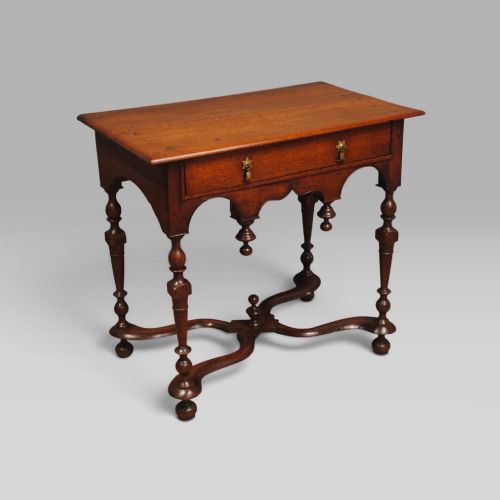
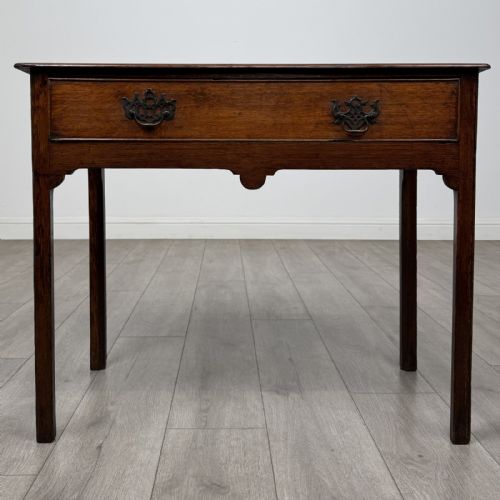
Lowboys with single or twin drawers dominate the earlier periods, functioning as dressing or writing desks, while later 19th-century interpretations lean towards decorative console tables and multi-tiered server units.
Markers of Excellence
Quality rests upon timber selection, structural integrity, and the restraint applied to decorative carving. Superior examples exhibit tightly figured grain, untouched original patination, and proportional harmony between the top surface and supporting legs.
Finer pieces maintain original hardware, uncompromised drawer linings, and precise joinery that survives without excessive modern intervention. Heavy, uninspired carving on later revival pieces contrasts with the crisp, purposeful chisel work found on period Georgian and seventeenth-century items.
Period spans represented stretch from the rigorous geometry of the 17th century through to Edwardian revivalism.
Waring & Gillows·Beresford & Hicks
The Oak Side Table Console Glossary
- Lowboy
- A small oak table featuring one or more rows of drawers, commonly standing on cabriole or straight legs. These versatile pieces served as dressing tables or writing desks in domestic interiors.
- Dresser Base
- A substantial low sideboard or console featuring multiple drawers and occasionally cupboards beneath. They provide generous surface area and extensive under-counter storage.
- Box Stretcher
- A framework of horizontal rails connecting the lower legs of a table to add structural rigidity. They appear frequently on seventeenth-century and revival pieces.
- Medullary Ray
- A ribbon-like cellular structure radiating outward through oak timber. When quarter-sawn, these rays create the distinctive silver fleck pattern prized by cabinetmakers.
Oak Side Table Console: Frequently Asked Questions
How do I date an oak console table?
Dating relies on examining construction methods, tool marks inside the drawers, and timber selection. Hand-cut dovetails and pegged joints generally indicate earlier periods, whereas machine-sawn components point towards the nineteenth or twentieth century.
Stylistic cues such as linenfold panels, cabriole legs, or heavy geometric mouldings align pieces with specific design movements, from seventeenth-century vernacular to Edwardian revivalism.
Where should I place a lowboy?
A lowboy suits narrow entryways, hallways, or living spaces where surface area is required without heavy visual obstruction. Their shallow depth allows them to function effectively as console tables against a wall.
They also serve well in bedrooms as compact writing desks or dressing tables, pairing easily with freestanding mirrors.
Are these tables sturdy enough for daily use?
Solid oak construction provides exceptional inherent strength, making these tables well-suited for everyday demands. Mortise and tenon joinery distributes weight evenly across the frame.
Maintenance involves treating the timber with appropriate wax finishes to protect against moisture while preserving the natural grain and historic patination.
What is the difference between a lowboy and a dresser base?
A lowboy is typically a compact table with one to three drawers, designed to sit comfortably in smaller spaces or function as a writing surface. Its proportions are light and elevated.
A dresser base is substantially longer and heavier, incorporating multiple banks of drawers or doors configured for heavy storage and serving duties.