

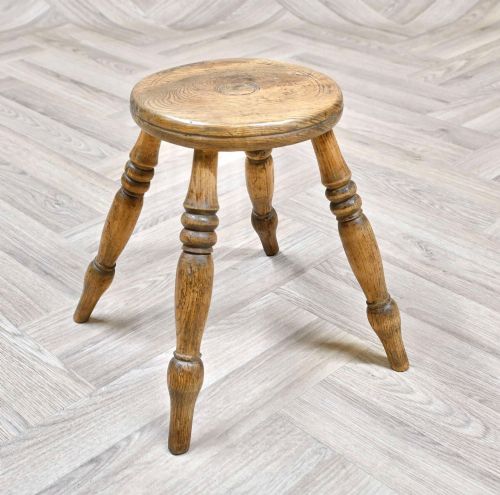
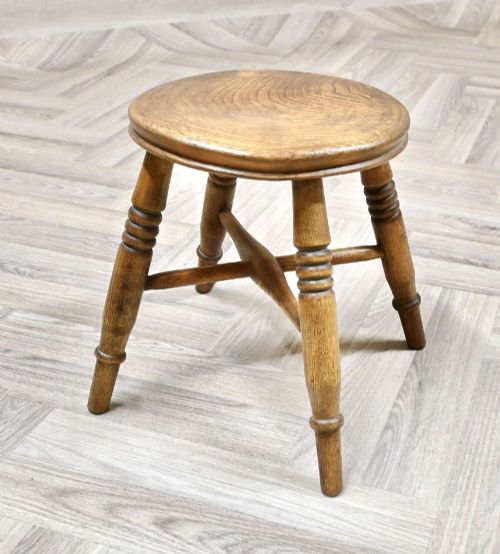
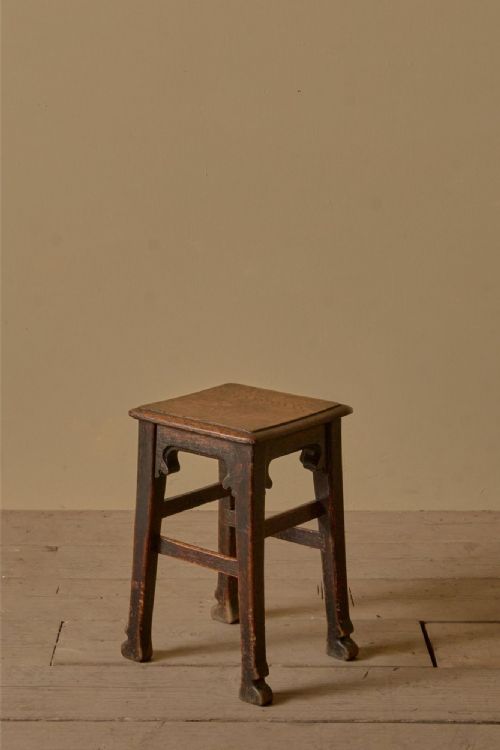
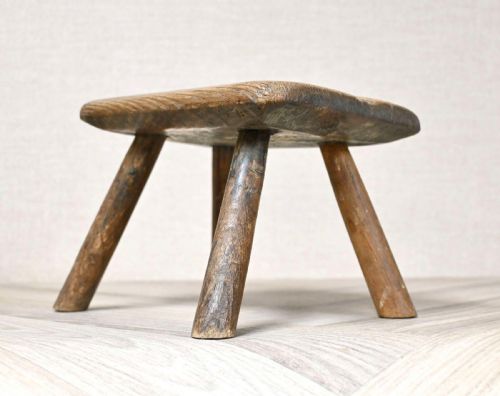


Oak Side Seat Stool
These oak side seat stool pieces bring solid timber craftsmanship and functional period seating straight into everyday rooms.
Oak Side Seat Stool
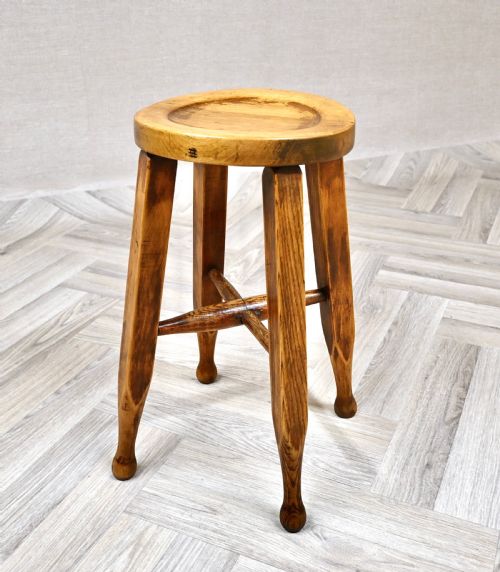
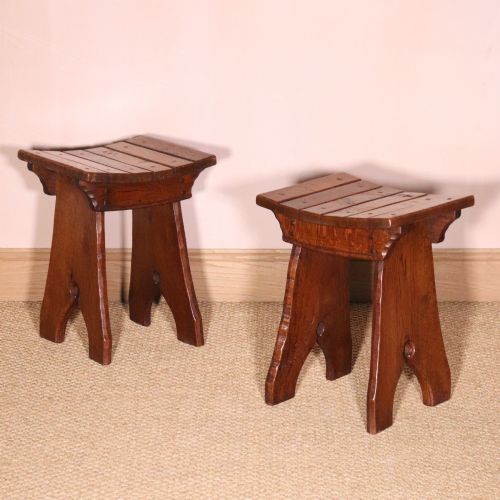
Buyers looking for an oak side seat stool will find an assortment of sturdy wooden seating spanning from the seventeenth century through to the mid-twentieth century. The selection encompasses practical joint stools, rustic country forms, and decorative Arts and Crafts designs.
Most examples lean towards provincial and country styles, incorporating robust timbers like oak, elm, and ash. Forms range from simple low hearth stools to carved box stools and spindle-backed side chairs.
Originating largely from British workshops and provincial makers, these pieces offer enduring utility. They sit comfortably as occasional seats, bedside surfaces, or compact additions to hallways.
Materials and construction methods
Construction relies heavily on solid oak and regional timbers such as elm and ash, frequently fastened with traditional wooden pegs rather than modern fixings. Rush seating occasionally provides a woven top alternative to solid wood.
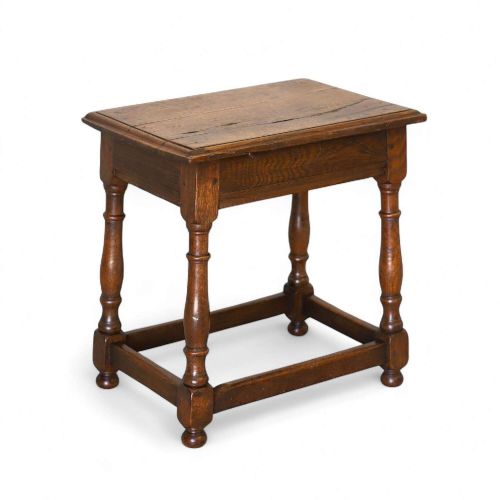
Joint construction defines the earliest examples, relying on mortise and tenon joints locked with pegs to handle daily weight without glue. Later Arts and Crafts and revival pieces maintain these honest joinery traditions.
Oak Side Seat Stool Retail Price Guide 2026
Typical asking prices for oak side seat stool among the pieces listed under this phrase on Sellingantiques today, from the lower quarter to the upper quarter. They describe what is for sale here now, not the wider market.
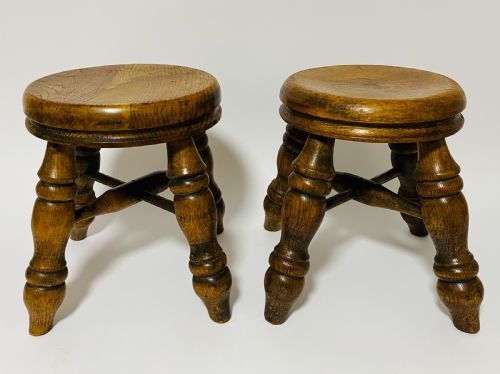
Apprentice pieces show junior woodworkers practising complex joinery on a charming miniature scale.
Assessing construction and surface character
Quality rests primarily in the integrity of the original joinery and the presence of untouched timber surfaces. Pieces retaining original pegged joints and natural patination sit above those compromised by heavy modern intervention.
The depth of colour and honesty of wear distinguish superior provincial examples. Subtlety of hand-carving and balance in proportions elevate individual stools well beyond standard utility items.
Jack Grimble
The Oak Side Seat Stool Glossary
- Joint stool
- A sturdy wooden stool constructed with mortise and tenon joints, originally used as seating or for supporting coffins during seventeenth-century services. These form the bedrock of early oak seating.
- Rush seat
- A seating surface woven from dried marsh rushes, commonly found on country chairs and stools. This technique yields a resilient, textured top that softens with age.
- Provincial
- Describing items made in regional workshops outside major metropolitan centres, often displaying local character and traditional methods. These pieces prioritise practical function over high-fashion ornamentation.
- Mortise and tenon
- A traditional woodworking joint where a protruding tongue fits snugly into a corresponding cavity, secured with wooden pegs. This method underpins the structural strength of period oak furniture.
Oak Side Seat Stool: Frequently Asked Questions
How do I date an old oak stool?
Dating relies on examining the joinery methods, tool marks left on the timber, and overall style evolution from seventeenth-century pegged frames to later revival periods.
Changes in turning patterns and the natural wear of the wood over centuries also help narrow down the decade of creation.
Are joint stools strong enough for daily sitting?
These pieces were built for heavy domestic use from durable timbers like oak and elm, making them exceptionally sturdy.
Provided the pegged joints remain tight and stable, they handle regular sitting or use as small side tables without issue.
What is the difference between a joint stool and a side chair?
Joint stools lack backrests entirely, featuring a flat wooden top designed for quick seating or auxiliary placement around a room.
Side chairs incorporate vertical backs, offering upright support intended for dining or placement against hallway walls.
How should I care for antique oak seating?
Maintain the timber by keeping it away from direct heat sources and sudden humidity shifts that can split old wood.
Apply traditional beeswax occasionally to nourish the surface and preserve the natural colour without creating a glossy film.