





Nautical Ship Lamps
Nautical ship lamps bring industrial maritime history indoors, offering solid brass and copper engineering designed to weather heavy seas.
Nautical Ship Lamps
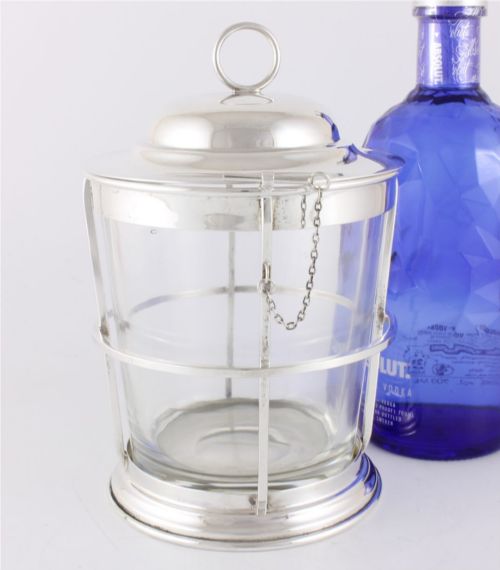
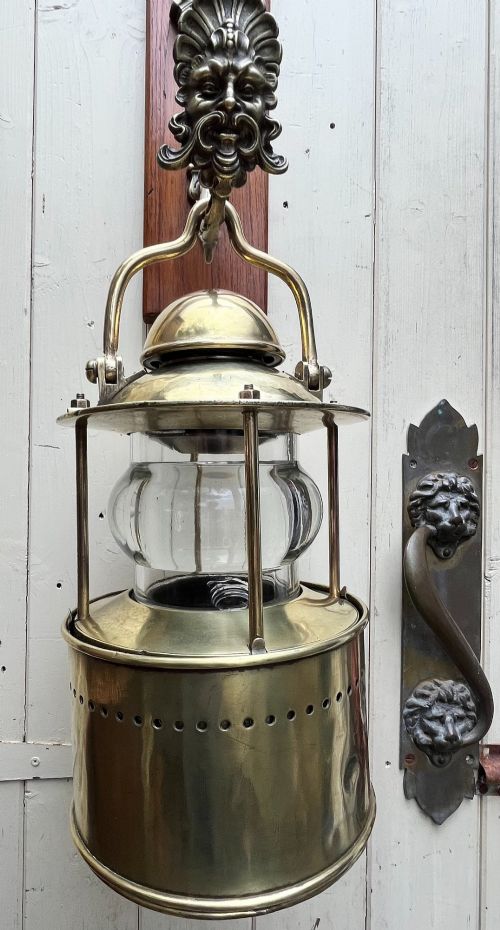
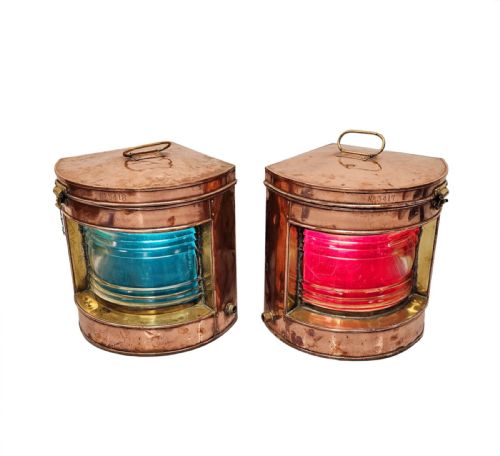
Nautical ship lamps encompass functional maritime lighting and converted items originating from marine environments across the late nineteenth and mid twentieth centuries. When searching for nautical ship lamps, buyers encounter brass table lamps, copper wall lanterns, nickel plated gimbal lights, and converted ice buckets.
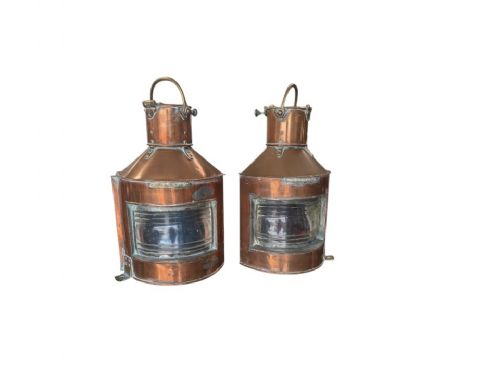
The selections span Victorian, Edwardian, and mid-century periods, alongside Italian Venetian galleon chandeliers. Many examples take the form of heavy metal lanterns intended for port and starboard navigation, whilst others utilise gimbal mountings designed to stay level on rolling decks.
Materials and construction
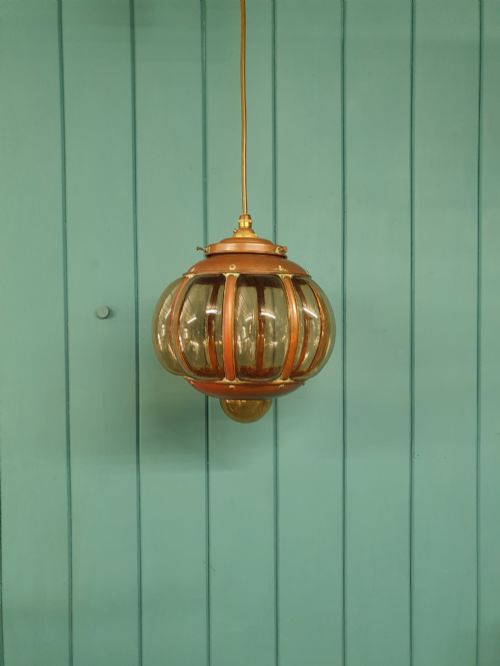
Makers constructed these pieces primarily from heavy copper, solid brass, and nickel plating, pairing durable metals with thick clear or smoked glass lenses. Iron and silver plate also appear, providing robust housings built to withstand damp marine conditions.
G gimbal mechanisms allow lamps to pivot freely, a technical adaptation requiring precise engineering to maintain balance aboard vessels. Riveted joints, heavy frames, and protective cages secure the glass elements against physical impact.
Nautical Ship Lamps Retail Price Guide 2026
Typical asking prices for nautical ship lamps among the pieces listed under this phrase on Sellingantiques today, from the lower quarter to the upper quarter. They describe what is for sale here now, not the wider market.
Listings feature items spanning from the Victorian era through the Edwardian period and into the nineteen fifties.
Judging quality and character
Quality rests upon the integrity of the original metalwork, the weight of the castings, and the presence of maker markings or patent numbers stamped into the body. Patina shows the true age of the copper and brass, reflecting decades of service rather than artificial ageing.
The presence of specialised mounting brackets, intact smoked glass, and functional gimbal rings elevates certain pieces above standard domestic lighting conversions. Finely cast components and original plating demonstrate superior workshop standards.
PH Vogel·Alderson & Gyde Ltd·William McGeoch & Co
The Nautical Ship Lamps Glossary
- Gimbal
- A pivoted ring assembly designed to keep an object level, commonly found on ship lamps to counteract the rolling of a vessel.
- Port and Starboard
- The nautical terms for the left and right sides of a ship, traditionally indicated on navigation lanterns by red and green lenses or specific brass plates.
- Smoked Glass
- Darkened glass utilised in marine lighting to diffuse intense illumination and reduce glare for observers on the water.
- Silver Plate
- A thin layer of silver applied to a base metal object, seen on specific ice buckets and lamp combinations from the mid twentieth century.
Nautical Ship Lamps: Frequently Asked Questions
How do I date an antique ship lamp?
Dating relies on material combinations, manufacturing styles, and stamped maker marks or patent plates found on the metal housing.
Earlier Victorian examples often feature heavy cast brass, whilst Edwardian and later twentieth-century pieces incorporate nickel plating and different lens treatments.
Can these lamps be wired for home use?
Many nautical lamps adapt readily to modern electrical wiring while retaining their original brass or copper enclosures and glass panels.
Professional rewiring preserves the historic integrity of the lantern whilst making it suitable for interior domestic spaces.
Why do some lanterns have smoked glass?
Smoked glass served to soften the harsh glare of oil or early electric bulbs used in marine navigation and signaling.
This specialised glass gives the pieces a distinct appearance compared to standard clear domestic lighting.