





Natural Wooden Stool
These natural wooden stool designs offer honest grain and direct utility, spanning primitive country forms and sturdy industrial workshop seats.
Natural Wooden Stool
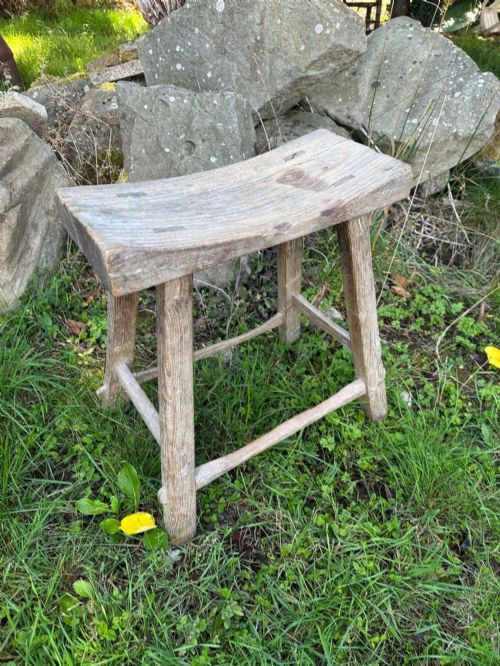
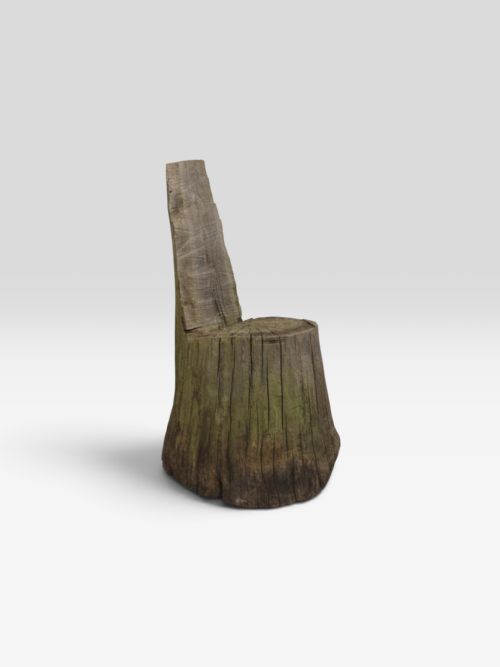
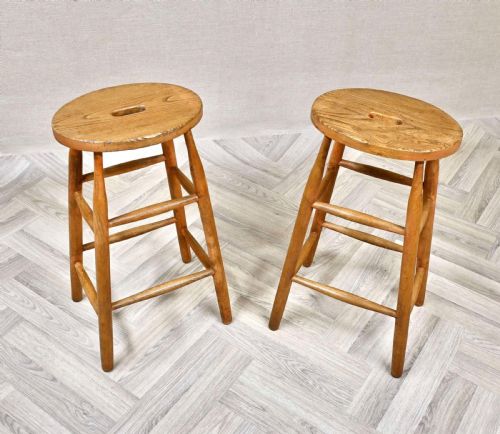
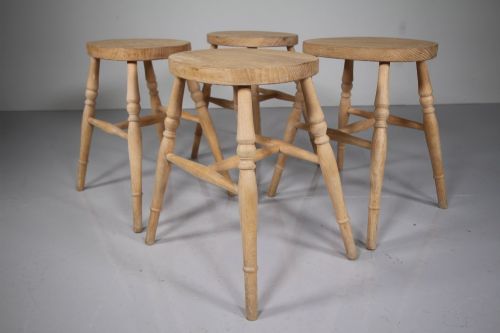
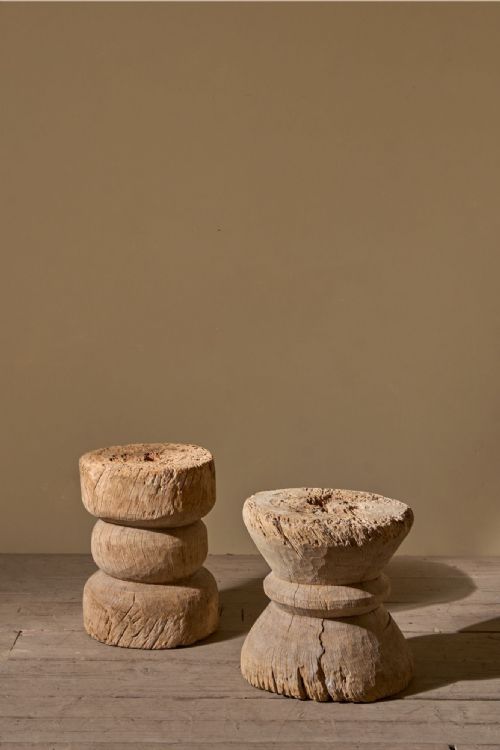
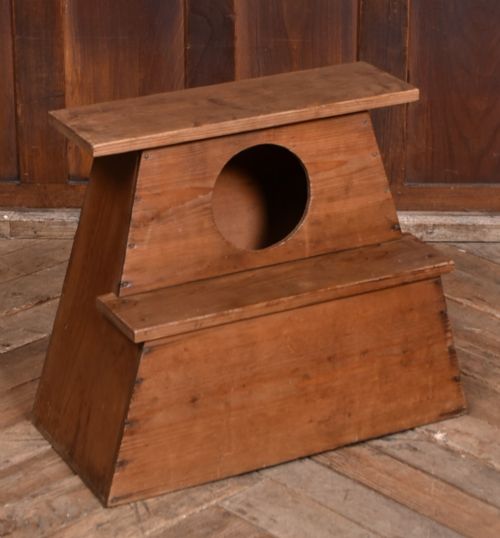
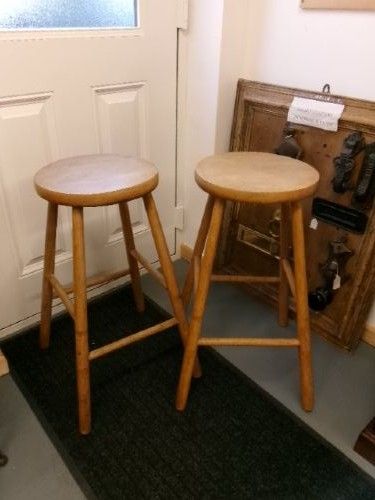
A natural wooden stool encompasses low milking seats, tall bar furniture, and solid chopping blocks shaped from timber across various centuries. Buyers looking at this phrase seek unpretentious seating that showcases organic grain, live edges, and utilitarian charm.
The selection here draws on periods from the eighteenth century through to the nineteen-forties, covering Edwardian dining seats alongside nineteenth-century vernacular pieces. Rural styles dominate the group, reflecting centuries of practical woodworking traditions from England, France, China, and Japan.
Materials and Construction
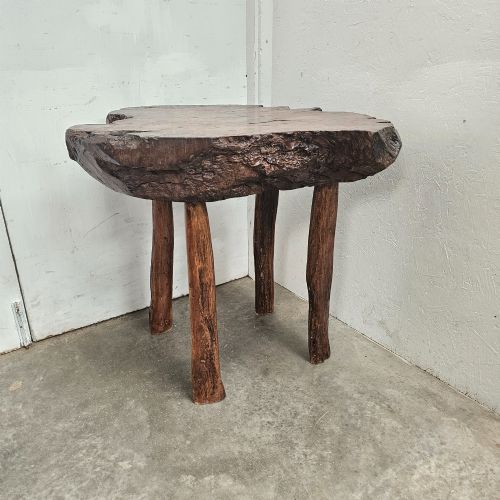
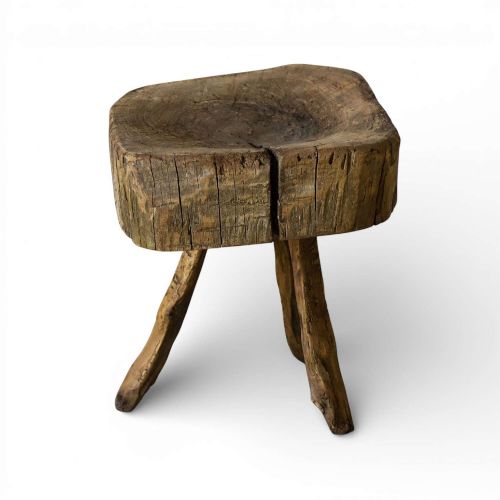
Construction relies heavily on solid hardwoods such as oak, elm, pine, and thuya, selected for structural integrity and distinctive grain patterns. Timber is often worked in its natural form, preserving live edges, gnarled branch legs, and burr surfaces.
Joinery techniques serve the demanding daily use these seats were originally built for, utilising thick timber slabs, pegged joints, and occasional iron reinforcements. Surfaces are finished simply to highlight the natural characteristics of the wood rather than masking them with heavy varnish.
Natural Wooden Stool Retail Price Guide 2026
Typical asking prices for natural wooden stool among the pieces listed under this phrase on Sellingantiques today, from the lower quarter to the upper quarter. They describe what is for sale here now, not the wider market.
The listings here include items made from oak, elm, pine, and hardwood, spanning the eighteenth to the twentieth century.
Judging Quality
Quality rests in the integrity of the timber selection and the honesty of the construction, where a solid slice of live edge elm or a well-chosen burr surface elevates a simple seat. The balance between utilitarian purpose and natural form dictates the standing of each piece.
The character of the wear tells the story of the object, distinguishing purposeful working patination from artificial ageing. Pieces with untouched surfaces and original gnarled supports demonstrate superior authenticity compared to overly restored examples.
The Natural Wooden Stool Glossary
- Live edge
- A type of furniture design that incorporates the natural outer edge of the tree into the finished piece. This retains the organic contours of the timber rather than cutting it into a strict square.
- Milking stool
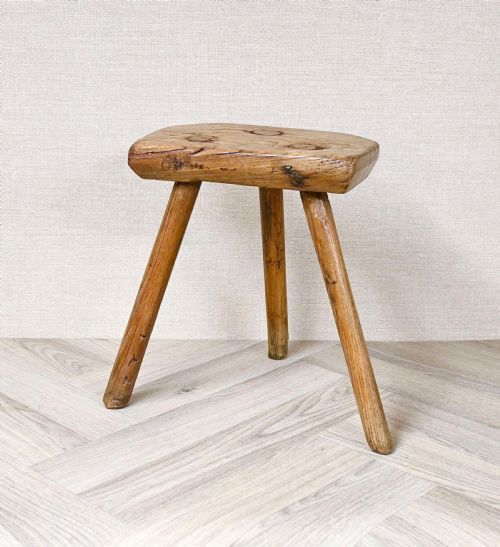
- A low, three-legged seat traditionally used by dairy farmers for milking cows by hand. These feature simple peg legs driven straight into a solid wooden seat.
- Vernacular rural
- Architecture and furniture built by local craftsmen using local materials to satisfy immediate practical needs. These pieces ignore academic design styles in favour of straightforward utility.
- Burr
- A tree growth where the grain has grown in a deformed manner, resulting in a swirling pattern rich in figure. It is highly prized by cabinet makers for decorative surfaces.
- Joint bench
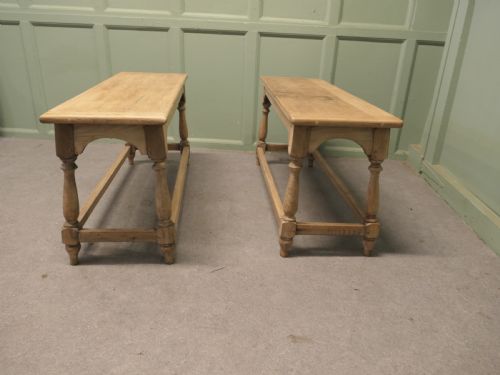
- A piece of seating constructed using traditional mortise and tenon joints pegged together without metal nails. They provide sturdy, heavy-duty benches for domestic or workshop use.
Natural Wooden Stool: Frequently Asked Questions
What is a natural wooden stool?
A natural wooden stool is a utilitarian seat fashioned from solid timber with minimal alteration to its organic grain, edges, or form. These pieces prioritize direct function and showcase the natural characteristics of oak, elm, or pine.
They range from low milking seats and cobbler's stools to tall bar furniture and solid chopping blocks. Each item reflects the vernacular rural traditions of its maker.
How were these stools used?
These stools served practical daily functions in workshops, dairies, farms, and kitchens where sturdy seating was essential. Tall variants accommodated industrial or bar settings, while low versions suited close-to-the-ground tasks.
Many double as occasional side tables or plant stands today, carrying their original working purpose into domestic interiors.
How do I date a wooden stool?
Dating relies on examining the tool marks, timber preparation methods, joinery style, and the overall wear patination accumulated through use. Eighteenth and nineteenth-century examples often display hand-adzed surfaces and traditional pegged construction.
Twentieth-century pieces tend to show industrial influences, such as lab stools and iron-braced high seating from the nineteen-thirties.
How do I style a wooden stool at home?
These pieces integrate easily into contemporary or traditional interiors by introducing warmth, texture, and organic shape to a room. Use a low stool as a bedside table or place a tall elm-topped version beside a kitchen counter.
Their restrained forms allow them to function as sculptural accents without overwhelming a space.