
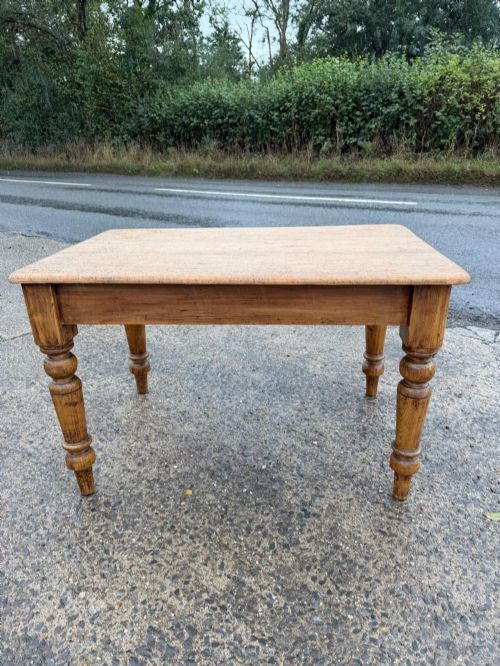
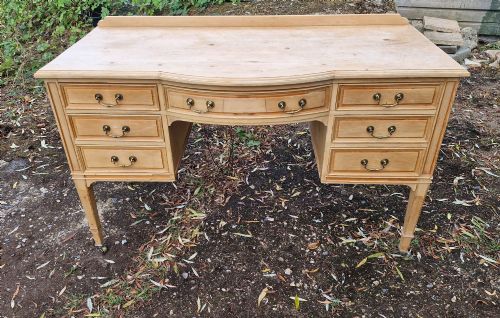
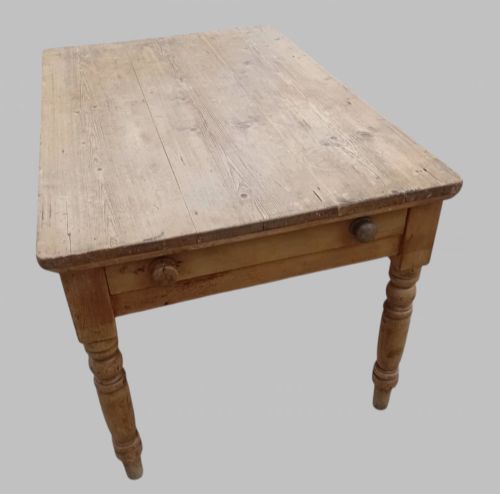
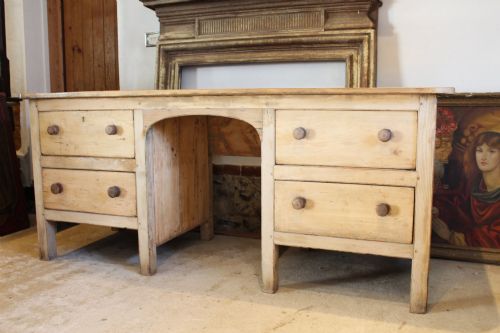
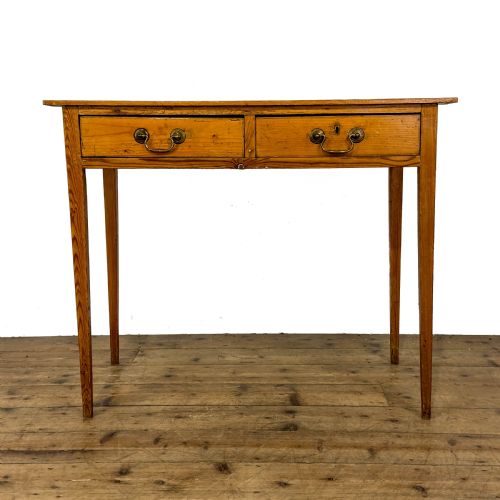


Natural Pine Writing Table
A natural pine writing table brings honest utility and warm grain to a room, offering the practical workspace you need.
Natural Pine Writing Table
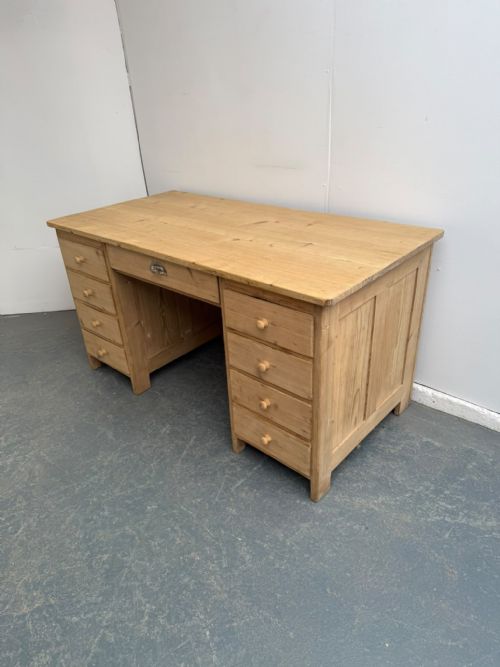
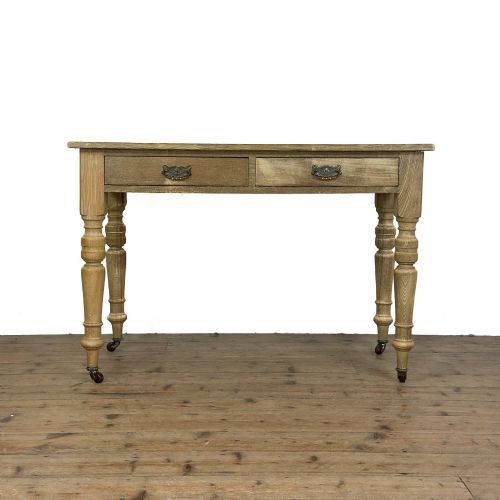
A natural pine writing table is a practical piece of furniture designed for working, reading, and correspondence. These tables appear across periods such as the Victorian and Edwardian eras, often featuring single drawers or kneehole configurations.
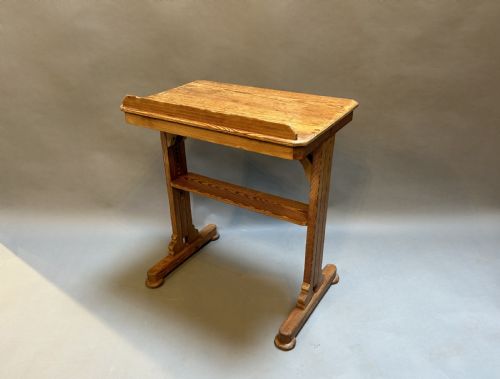
The pieces listed on this page encompass various forms, from rustic farmhouse examples to refined Scandinavian country designs and office desks. Buyers searching for a natural pine writing table will encounter items shaped by utilitarian needs rather than courtly ornament.
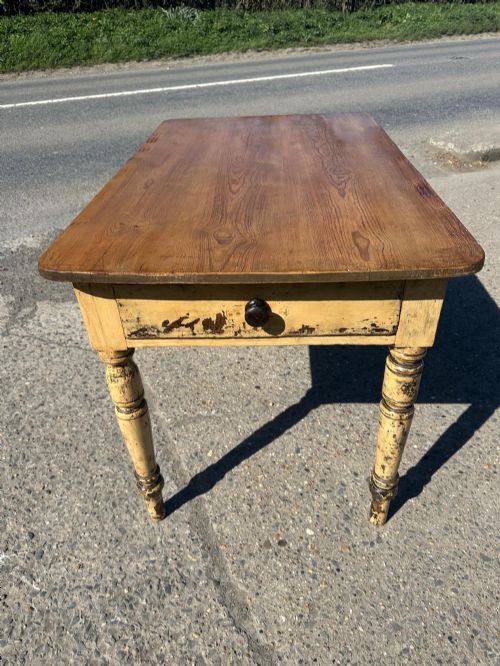
Origins span British workshops as well as continental sources like Sweden and France, introducing regional variations in timber tone and leg style. Most examples retain their original softwood character, whether left in a clean state or carrying traces of historic paint.
Judging quality in pine furniture
Quality rests on the integrity of the timber selection and the retention of original structural components. Tables built with dense grain and minimal replacement parts hold greater structural stability.
Proportion and execution set superior examples apart from standard utility pieces. A well-proportioned kneehole desk or a properly balanced drop leaf mechanism demonstrates the maker's careful planning.
Materials appearing across the current selection include pine, sycamore, brass, iron, and ceramic elements.
The Natural Pine Writing Table Glossary
- Kneehole
- A desk or table configuration featuring a central recess for the user's legs, flanked by banks of drawers. This design allows for a comfortable seated workspace.
- Frieze
- The horizontal band situated directly beneath the tabletop, frequently housing one or more drawers. The front frieze is often the primary location for decorative mouldings or drawer pulls.
- Drop leaf
- A hinged flap on a table that can be folded down to save space or lifted and supported when extra surface area is required. It provides flexibility in smaller rooms.
- Scraped pine
- Timber that has had later layers of paint carefully scraped back to reveal earlier underlying pigment or the raw wood beneath. This process preserves the historic patina of the piece.
- Softwood
- Timber derived from conifer trees, predominantly pine in these listings, which is softer and easier to work than hardwood. It forms the structural basis of country and utilitarian furniture.
Natural Pine Writing Table: Frequently Asked Questions
How do I clean a natural pine writing table?
Dust the surface regularly with a soft, dry cloth to prevent dirt accumulation. Avoid harsh chemical cleaners that can strip the natural wax or dry out the timber.
Feed the wood periodically with a quality beeswax to maintain its lustre and protect the grain. Keep the table away from direct heat sources to prevent the timber from warping.
Can I use a pine writing table every day?
Pine is a softer wood that naturally accumulates marks and knocks over time, which adds to its character. Using a desk pad or blotter protects the writing surface from ink stains and deep scratches.
Most antique examples were built for daily household or office labour and remain sturdy enough for regular contemporary use.
How do I date a Victorian pine desk?
Examine the construction methods of the drawers, paying attention to the dovetails and the thickness of the drawer bases. Machine-sawn timber and simpler butt joints typically point towards the later decades of the nineteenth century.
Hardware such as brass handles and the style of the legs also offer reliable clues to the exact period of manufacture.
What is the difference between a side table and a writing table?
A writing table generally incorporates one or more drawers positioned in the frieze to hold stationery and writing implements. Side tables are primarily designed for display or general surface space rather than seated work.
Some larger pieces blur this distinction, functioning as both console tables and desks depending on their room placement.