





Narrow Wood Mirror
A narrow wood mirror solves the problem of a tight wall space by adding depth and light without bulk.
Narrow Wood Mirror
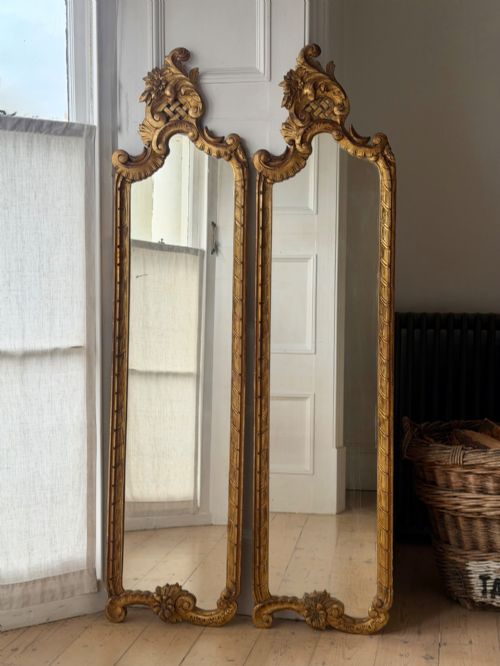
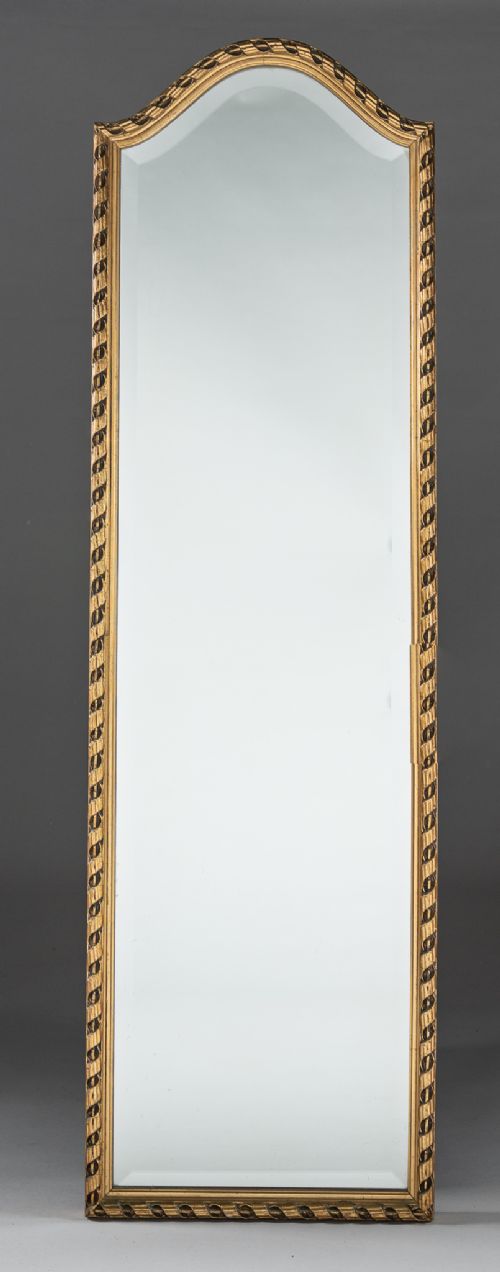
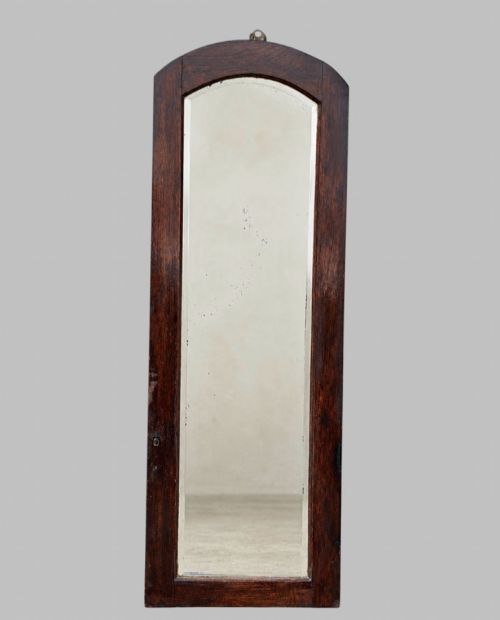
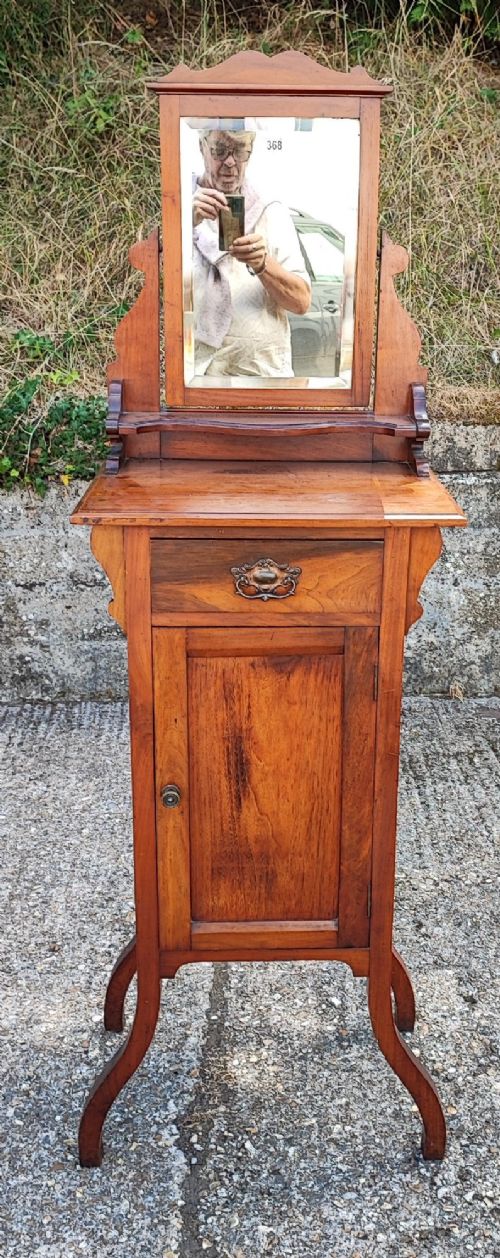
A narrow wood mirror typically takes the form of a pier mirror, wall mirror, or tall cheval dressing room console wall mirror designed to fit restricted wall spaces. These vertical pieces emerge from periods spanning the eighteenth century through to the early twentieth century, including Victorian, Edwardian, and Georgian revival styles.
Makers constructed these items from diverse timbers such as oak, mahogany, walnut, and rosewood, often combining them with giltwood, gesso, or painted finishes. Surviving examples reflect historical domestic interiors where tall, slender reflective surfaces served functional and decorative roles between windows or in hallways.
Materials and construction
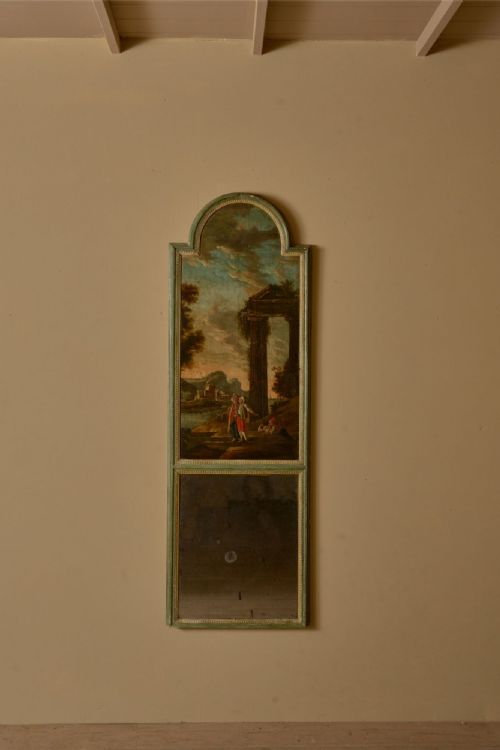
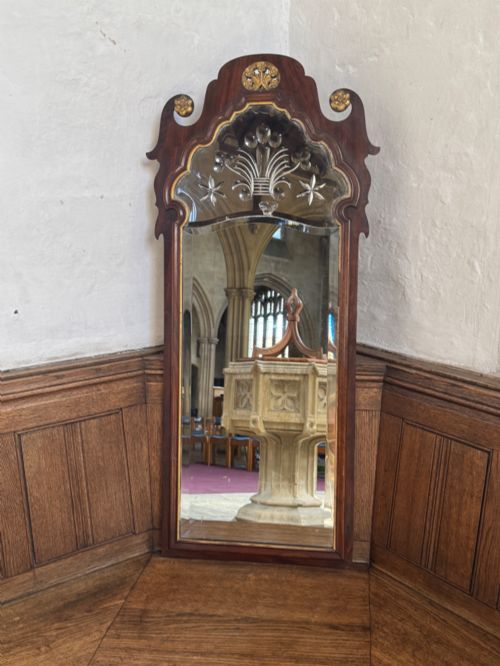
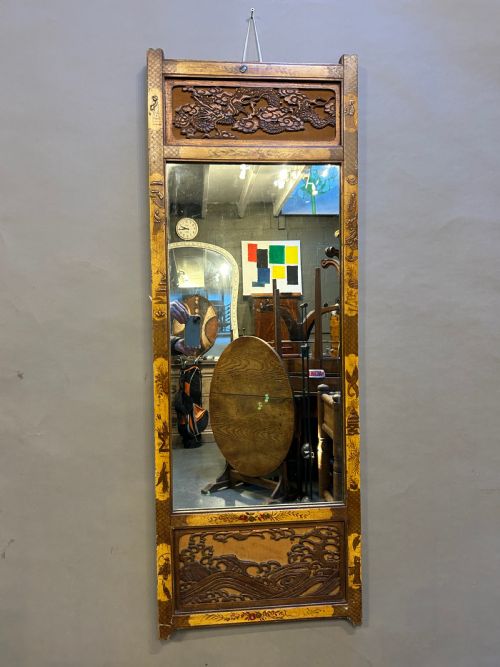
Craftsmen utilised solid and veneered hardwoods like oak, mahogany, walnut, and rosewood for the structural frames, sometimes enhancing the surfaces with carved gesso and giltwood or delicate painted chinoiserie decoration. Frames often incorporated bevelled glass or original mercury plates that provide the distinctive reflective quality of older mirrors.
Specialised techniques such as parcel gilding, marquetry, and silver-gilt work added fine decorative detail to the timber structures. Joinery methods varied from traditional carved wood construction to inlaid panel work, depending on the stylistic period of the piece.
Narrow Wood Mirror Retail Price Guide 2026
Typical asking prices for narrow wood mirror among the pieces listed under this phrase on Sellingantiques today, from the lower quarter to the upper quarter. They describe what is for sale here now, not the wider market.
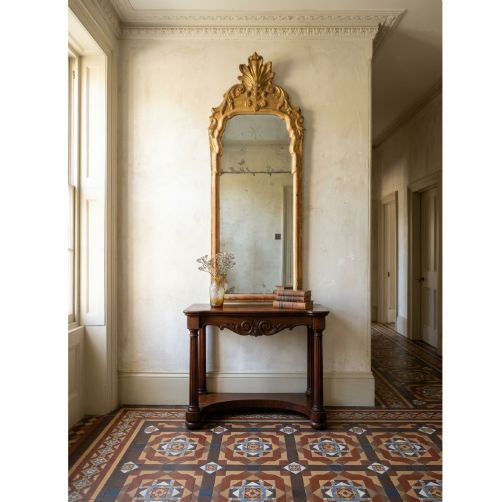
Form variations include wall mirrors, pier mirrors, cheval dressing room mirrors, and combinations with console tables.
Judging quality and character
The sophistication of the carved wood, gesso work, and gilding determines the visual strength of the frame, with hand-carved details showing superior depth and precision compared to simpler mouldings. The condition and originality of the mirror plate itself, whether bevelled glass or early mercury plate, significantly influences the integrity of the piece.
The choice of timber grain, such as burr walnut or figured mahogany, together with the finesse of decorative elements like reverse cut plates or marquetry inlay, separates standard production from exceptional examples.
John Belchier·A.J Rowley
The Narrow Wood Mirror Glossary
- Pier mirror
- A tall, narrow mirror designed specifically to hang on the wall space between two windows. These pieces frequently match the width of the pier table placed beneath them.
- Gesso
- A plaster-like mixture applied to wood frames to create a smooth surface for gilding or painting. Artisans carve and mould this material to achieve ornate relief decoration.
- Mercury plate
- An older type of mirror glass made by backing the glass with a tin-mercury amalgam. This technique produces a characteristic mottled and deep reflective appearance.
- Parcel gilt
- A decorative finish where only specific portions of a wooden or gessoed surface receive gold leaf. This highlights carved details against a contrasting painted or polished wood background.
- Chinoiserie
- A European artistic style reflecting Chinese motifs and designs. It appears on painted furniture and mirror frames through pastoral scenes and oriental figures.
Narrow Wood Mirror: Frequently Asked Questions
Where should I hang a narrow wood mirror?
These vertical mirrors suit restricted wall spaces such as narrow hallways, between windows as traditional pier mirrors, or above console tables and side cabinets.
Their slender proportions allow them to bounce light into darker corners without dominating the room.
How do I identify an older mirror plate?
Older plates often display subtle imperfections, slight distortion, or the mottled silvering characteristic of original mercury glass.
Bevelled edges on twentieth-century examples also help distinguish period manufacturing techniques from modern replacements.
What wood types appear in these mirrors?
Makers utilised a variety of timbers including oak, mahogany, walnut, rosewood, and parcel gilt gesso.
Some frames feature painted finishes or intricate marquetry work rather than exposed wood grain.
How do I care for antique wood and glass?
Keep wooden frames away from direct heat sources and fluctuating moisture to protect the timber and gesso from cracking.
Clean the glass gently with a soft cloth and avoid spraying liquids directly onto the frame or antique plate edges.