


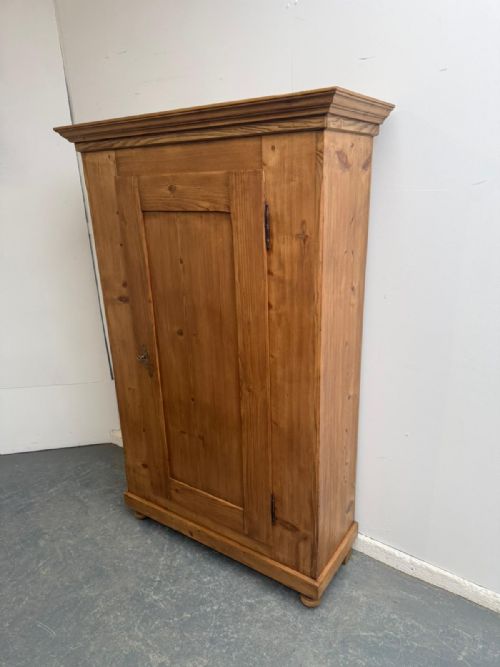


Narrow Wardrobe
A narrow wardrobe solves the perennial problem of compact floor space without sacrificing the dignity of period timber.
Narrow Wardrobe
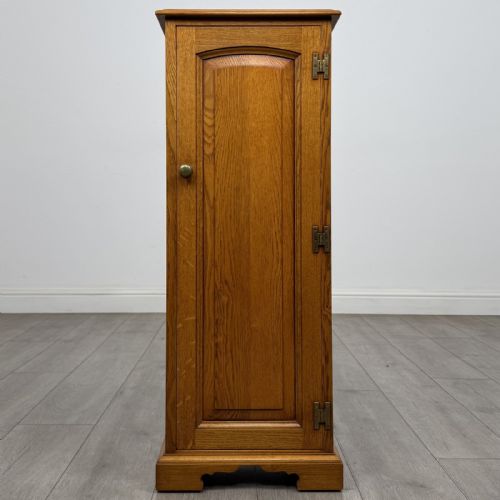
A narrow wardrobe is a compact storage piece designed to fit restricted floor areas, spanning periods from the Georgian era through to the nineteen-twenties. Buyers searching this phrase encounter single-door cupboards, tall hall robes, and slim armoires built to accommodate garments where standard furniture fails.
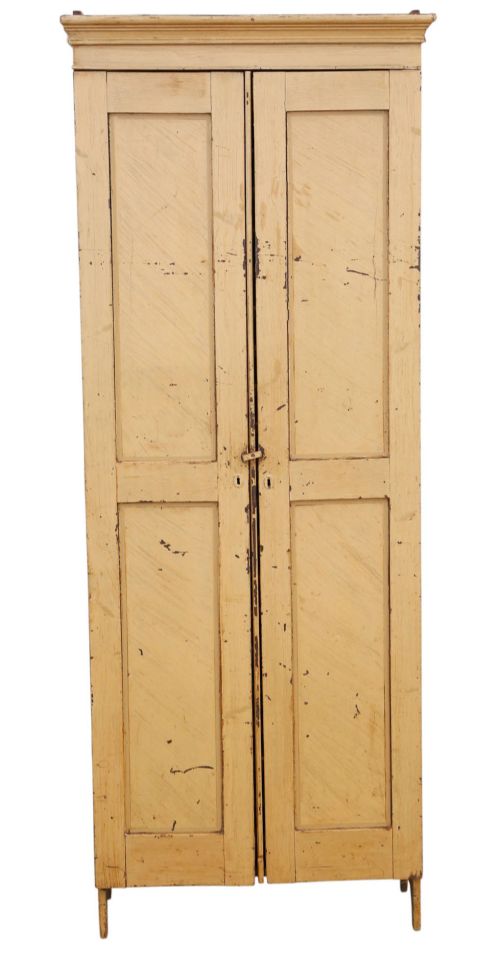
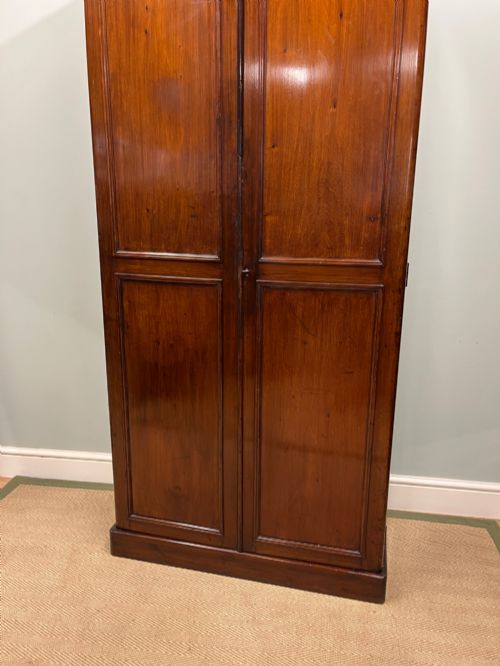
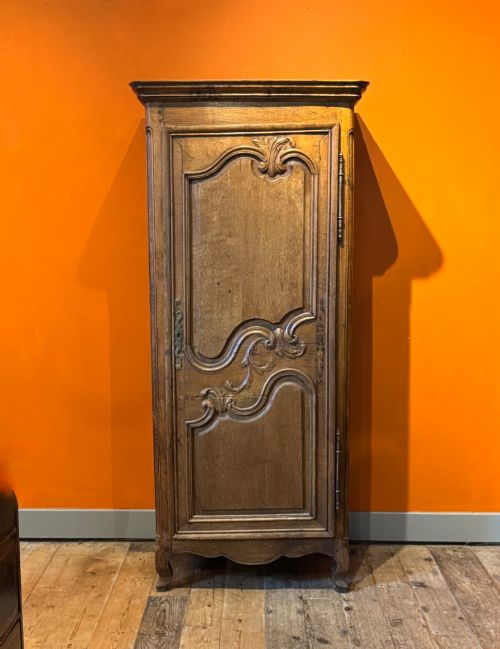
The selection here encompasses Victorian pine, solid oak, and rich mahogany pieces, alongside painted kitchen housekeepers' cupboards and French armoires. These items serve bedrooms, hallways, and utility spaces while retaining the distinct character of their respective eras.
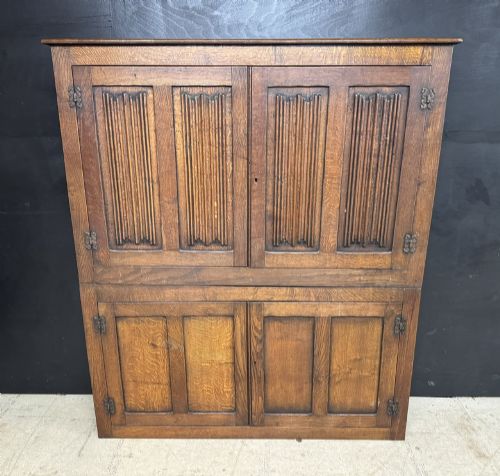
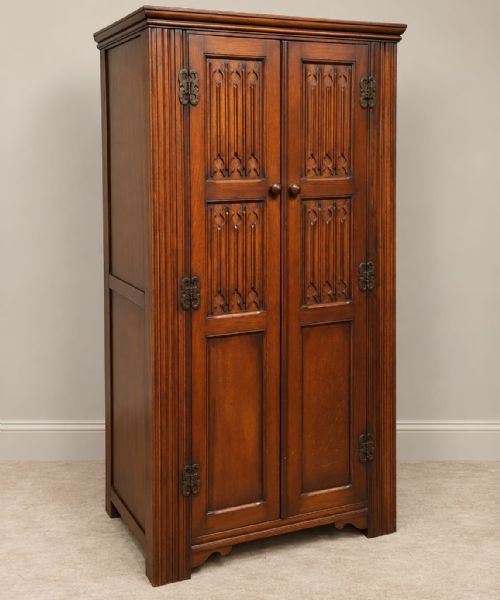
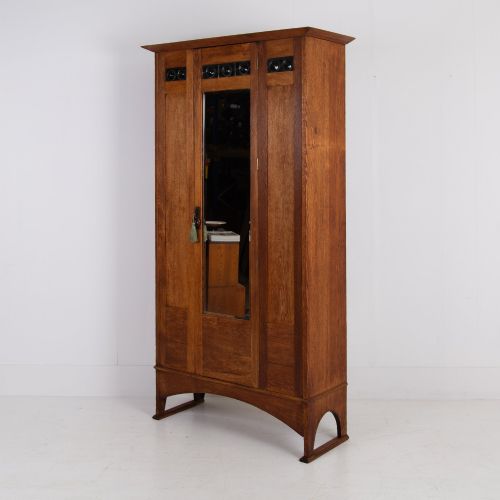
Examples range from utilitarian pine child's wardrobes to decorative Arts and Crafts oak cabinets featuring linen fold doors. The common thread among them is a restricted footprint combined with adequate vertical storage capacity.
Markers of Quality
Quality rests upon the integrity of the timber selection and the restraint of the proportions, where sturdy joints prevent the twisting common in tall, narrow structures. Superior examples maintain original hardware and finishes that show honest age rather than heavy alteration.
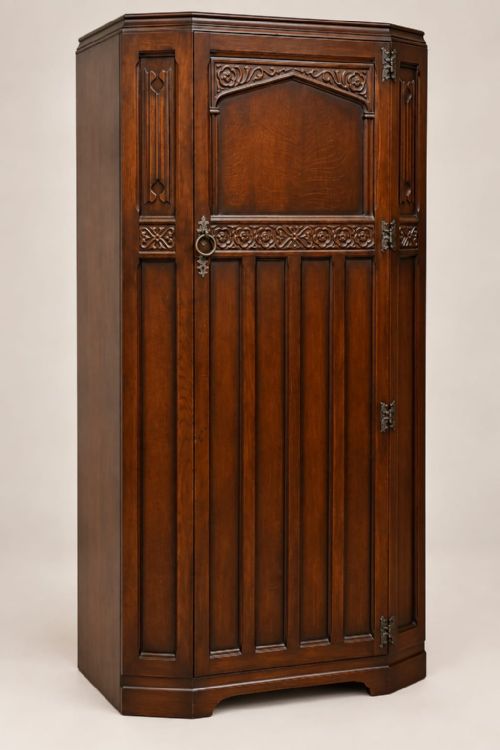
The refinement of surface detail, such as hand-carved panels or clean lines on Arts and Crafts pieces, distinguishes standard utility items from finer cabinet work. Proportion and balance remain crucial in pieces designed specifically for tight spaces.
Narrow Wardrobe Retail Price Guide 2026
Typical asking prices for narrow wardrobe among the pieces listed under this phrase on Sellingantiques today, from the lower quarter to the upper quarter. They describe what is for sale here now, not the wider market.
Some nineteenth-century pine cupboards arrived with removable knockdown frames, proving our ancestors invented flat-pack frustration long ago.
The Narrow Wardrobe Glossary
- Armoire
- A tall cupboard or wardrobe, typically of continental European origin, used for hanging garments. These pieces often feature deep cornices and single or double doors.
- Hall Robe
- A compact wardrobe designed for placement in an entryway to hold coats and outer garments. They frequently incorporate mirrors or umbrella stands alongside hanging space.
- Linen Fold
- A carved wooden panel motif imitating folded linen cloth. This technique is particularly prevalent on oak furniture from the medieval period onward.
- Bonnetiere
- A tall, narrow French cupboard originally built to store women's bonnets. They share the slim vertical profile sought after in modern narrow wardrobes.
- Escutcheon
- A flat plate of brass or iron surrounding a keyhole. It protects the surrounding wood from wear caused by the insertion of the key.
Narrow Wardrobe: Frequently Asked Questions
Where should I place a narrow wardrobe?
These compact pieces fit well in hallways, small bedrooms, or alcoves where standard furniture proves too deep. Their slender profiles maximise storage without overwhelming limited floor plans.
Ensure you measure the swing of the single door against adjacent walls or furniture to guarantee comfortable daily access.
How do I distinguish Victorian pine from Georgian pine?
Georgian pine furniture often exhibits tighter growth rings and hand-planed surfaces reflecting earlier timber harvesting and workshop practices. Victorian examples tend to show industrial sawmill marks and may carry later layers of paint or wax.
Examining the construction of the interior backboards and drawer linings usually clarifies the transition between these periods.
Can these wardrobes hold modern clothes hangers?
Many older narrow wardrobes feature shallow internal depths or fixed wooden peg rails rather than modern hanging rails. You may need to use front-facing clothes hooks or install a slim bespoke rail depending on the internal clearance.
Checking the internal depth dimensions before purchase ensures your garments will hang without bunching the doors.
What maintenance do waxed timber wardrobes require?
Waxed oak and pine benefit from occasional applications of natural beeswax to nourish the wood and maintain a soft sheen. Avoid placing them near direct heat sources that can dry out the historic timber and cause splitting.
Dusting with a dry cloth keeps the surface clean without stripping the accumulated patina of the finish.