

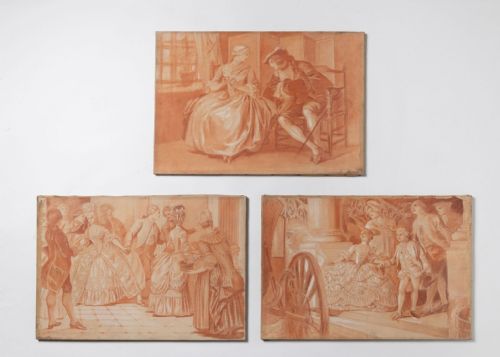
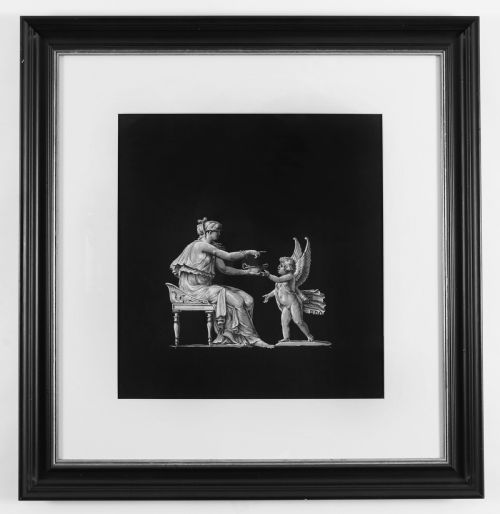

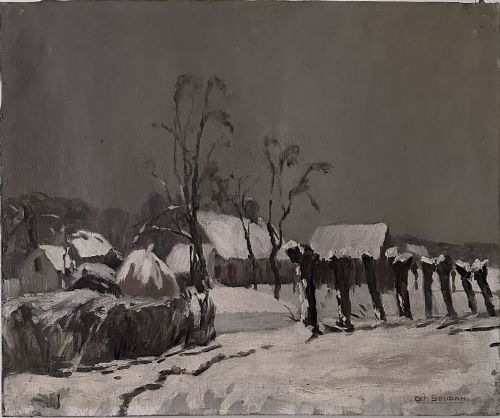
Monochrome Painting
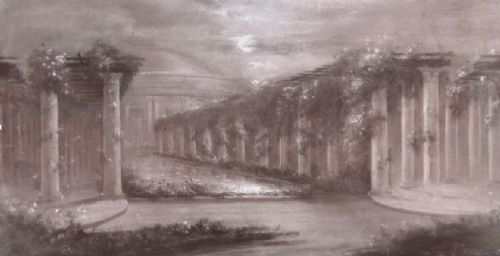
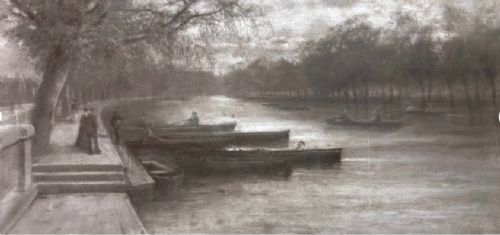
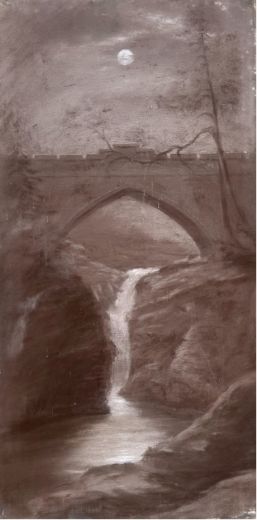
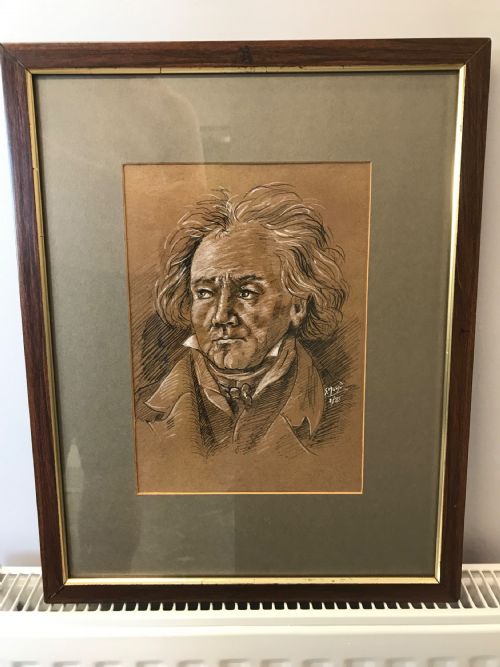
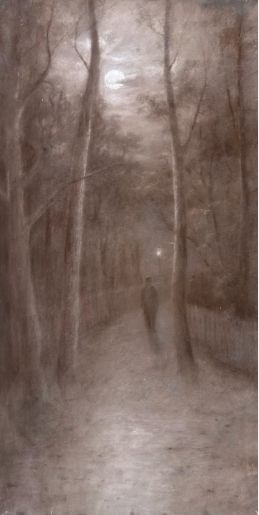
A monochrome painting captures tone and shadow without the distraction of colour, offering a quiet focus on form.
Monochrome Painting
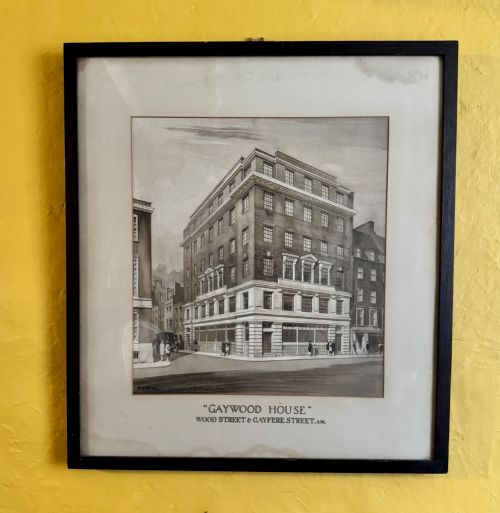
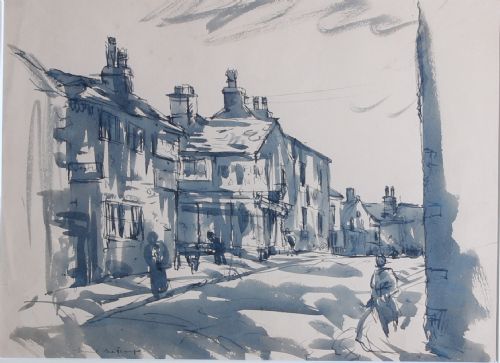
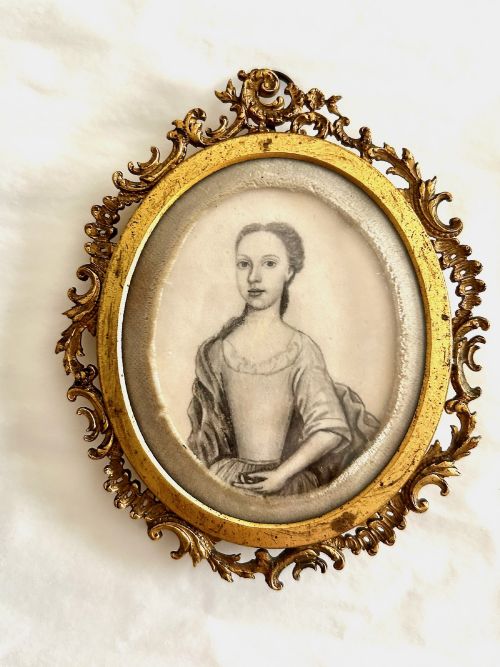
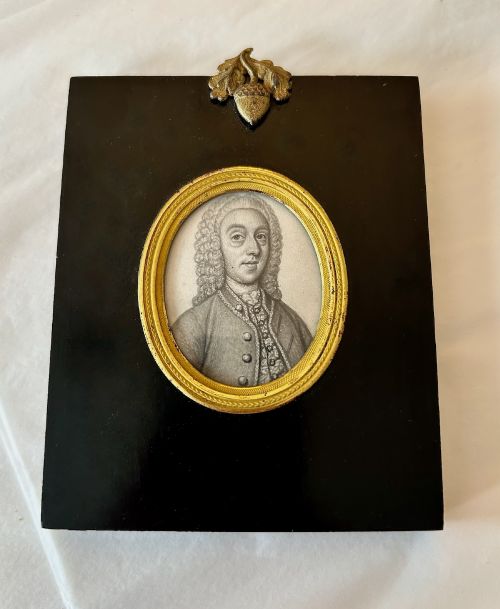
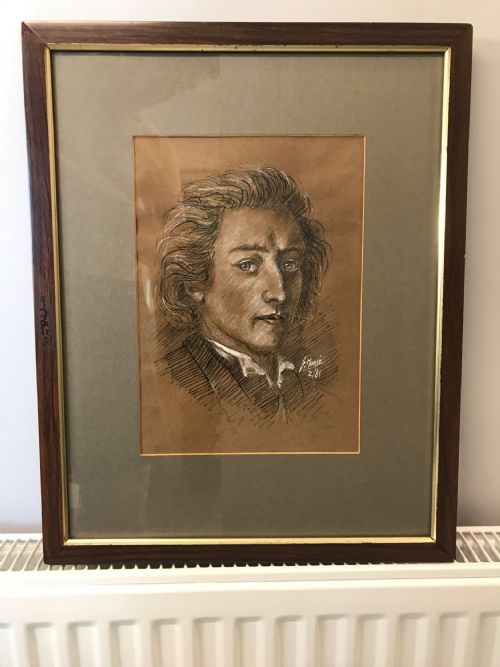
A monochrome painting relies on a single hue or restricted tonal range, encompassing works executed in charcoal, ink wash, pencil, and single-colour oils.
The pieces gathered here span from the eighteenth century through to the mid-twentieth century, featuring British and European landscapes, portraits, and figurative studies.
Buyers will most frequently encounter charcoal drawings on paper or canvas and nineteenth-century watercolours and ink sketches reflecting neoclassical or tonalist sensibilities.
Materials and methods
Artists built these works upon paper, canvas, vellum, and wooden panels using watercolours, oils, gouache, tempera, and charcoal.
Monochrome effects were achieved through meticulous ink wash layers, delicate pencil hatching, or dense charcoal applications adjusted with subtle smudging.
Some pieces incorporate mixed media, combining pen and ink with washes of grey or brown pigment to build depth across the surface.
Monochrome Painting Retail Price Guide 2026
Typical asking prices for monochrome painting among the pieces listed under this phrase on Sellingantiques today, from the lower quarter to the upper quarter. They describe what is for sale here now, not the wider market.
Several artists captured theatrical composers and dancing ballerinas, ensuring these silent monochrome rooms retain a subtle, lingering soundtrack.
Distinctions in execution
Quality rests upon the sureness of the hand and the control of tone, where stark contrast or gentle gradation conveys light and atmosphere without relying on colour.
Stronger examples demonstrate careful proportion and confident line work, whether capturing the fall of drapery on a portrait or the misty light of a landscape.
The synergy between the chosen medium and its support material dictates the longevity and visual impact of the final composition.
Sir Joshua Reynolds·Alexandre-Louis Martin·William Manners·Stanley Orchart·David Cox·Samuel Palmer·Amos Green·William J Hodgson·Eva Hollyer
The Monochrome Painting Glossary
- Grisaille
- Painting executed entirely in shades of grey or neutral greyish-brown, often used to simulate sculpture or create underpaintings.
- Camaieu bleu
- Monochromatic painting rendered exclusively in shades of blue.
- Mezzotint
- A printmaking process of the tonal engraving method, allowing smooth gradations of light and shade.
- Wash
- A thin layer of translucent colour or ink applied evenly across a paper or canvas surface.
- Trompe l'oeil
- An art technique that uses realistic imagery to create the optical illusion that the depicted objects exist in three dimensions.
Monochrome Painting: Frequently Asked Questions
What is a monochrome painting?
A monochrome painting is a work created using only one colour or a restricted tonal scale, such as black, white, grey, or sepia. These pieces focus attention on line, shadow, and texture rather than a full palette.
They appear across various centuries in formats ranging from charcoal sketches and ink washes to oil paintings and watercolours.
How do I display these works?
Because monochrome works rely on subtle shifts in tone, they pair well with neutral interior walls and benefit from gentle, direct lighting. Framing should protect works on paper from direct sunlight while complementing the period of the piece.
Grouping several smaller drawings or pairing contrasting landscape and portrait pieces creates a balanced display.
How do I date a monochrome piece?
Dating relies on examining the support materials, framing methods, paper watermarks, and stylistic markers such as nineteenth-century realism or twentieth-century British tonalism. Signatures, inscriptions, and artist records provide further verification.
Clothing styles in portraits and architectural details in landscapes also offer clues to the decade of creation.
What mediums were used?
Artists utilised charcoal, graphite, ink wash, gouache, tempera, and oil paint applied to canvas, paper, vellum, or wooden panels. Mixed media combinations frequently appear in nineteenth-century sketches.
Each medium creates distinct textural qualities, from the velvety depth of charcoal to the crisp precision of pen and ink.