


Miniature Wooden Cupboard
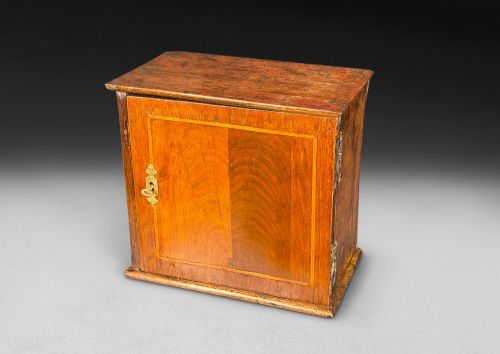
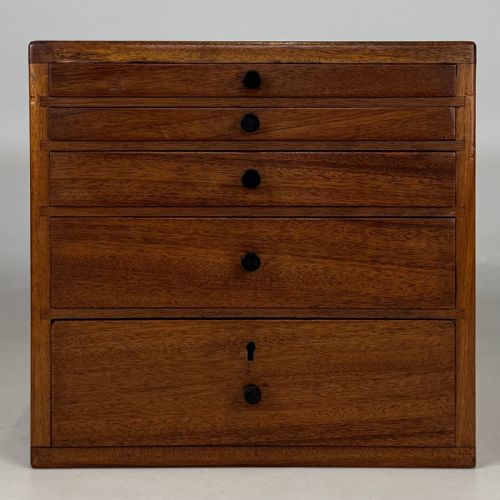
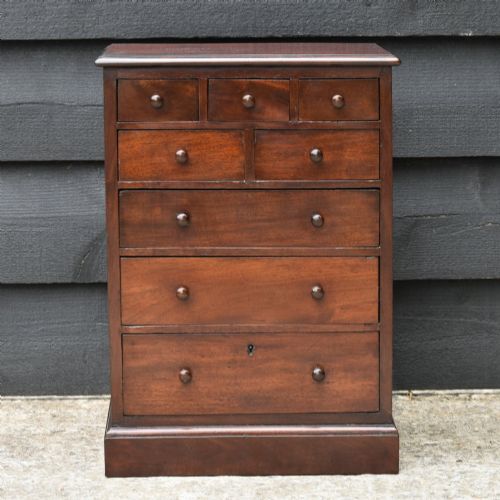
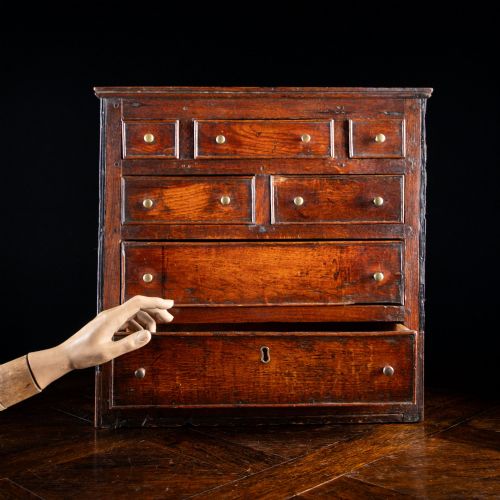
These miniature wooden cupboard pieces are small-scale storage forms that collectors prize for their intricate craftsmanship and scaled-down domestic utility.
Miniature Wooden Cupboard
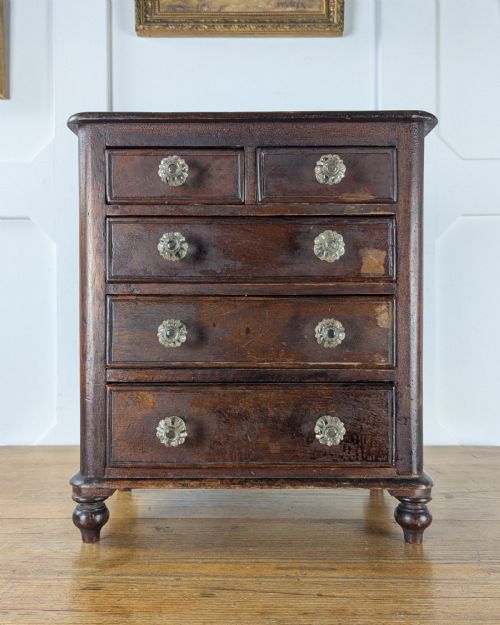
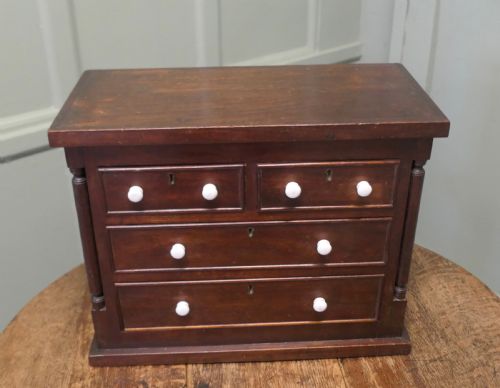
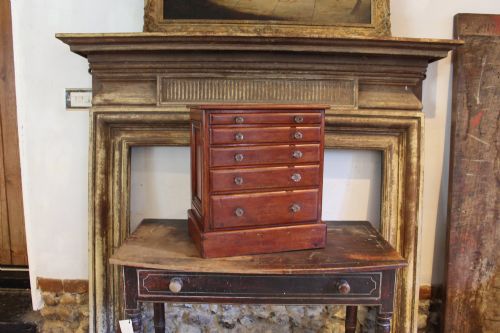
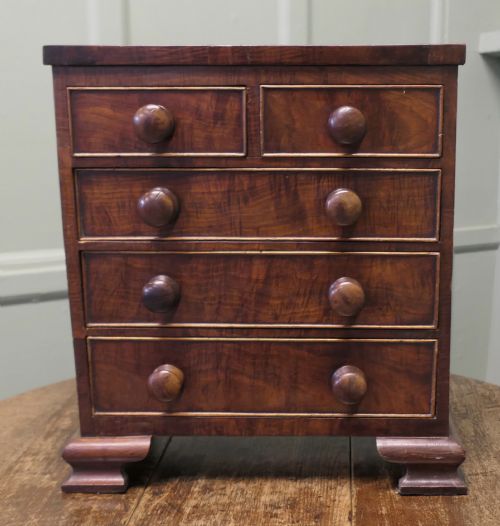
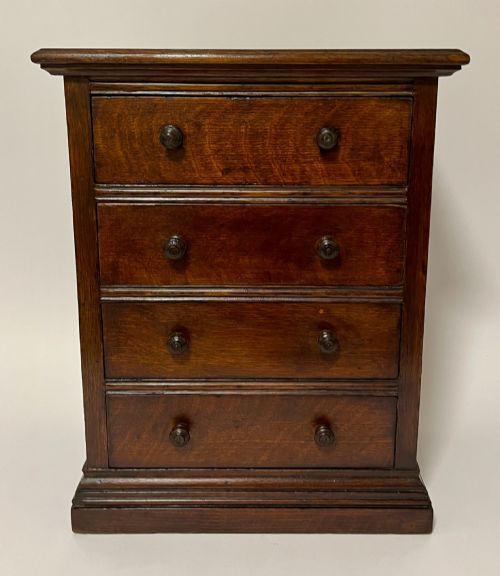
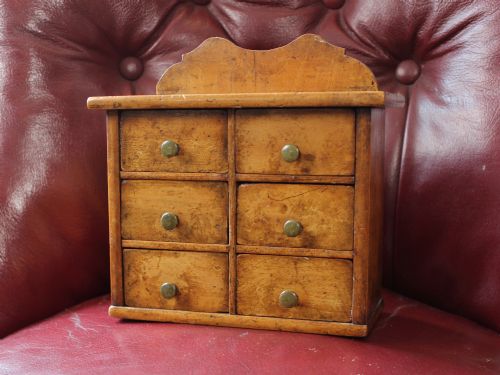
A miniature wooden cupboard search reveals a variety of scaled-down furniture forms, ranging from tabletop chests of drawers and spice cabinets to small collectors cabinets and jewellery boxes. Buyers most frequently encounter nineteenth-century mahogany apprentice chests and Victorian walnut or oak tabletop pieces across these listings.
The historical span reaches from the eighteenth century through the Edwardian era, incorporating styles such as Georgian, Regency, folk art, and Anglo-Indian designs. These objects serve as compact display or storage items that replicate full-scale domestic furniture with remarkable fidelity.
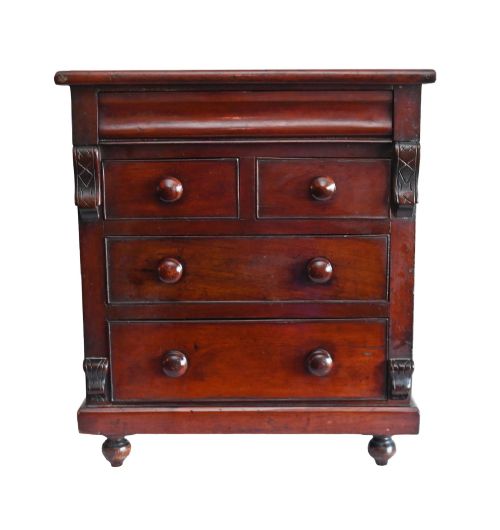
Makers produced these works in diverse forms, including miniature Scotch chests, commodes, armoires, and linen presses. Each piece reflects the functional requirements of domestic storage scaled down for tabletop or cabinet placement.
Materials and construction methods
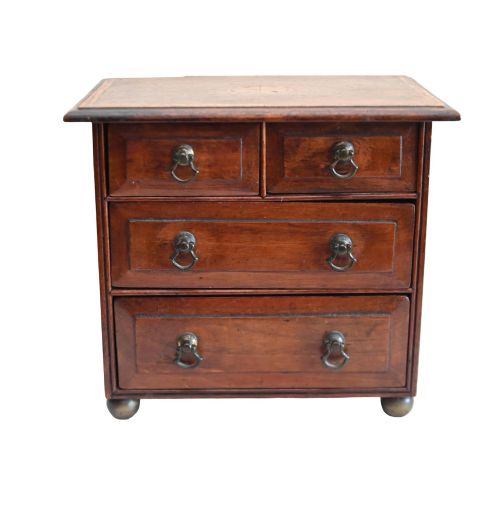
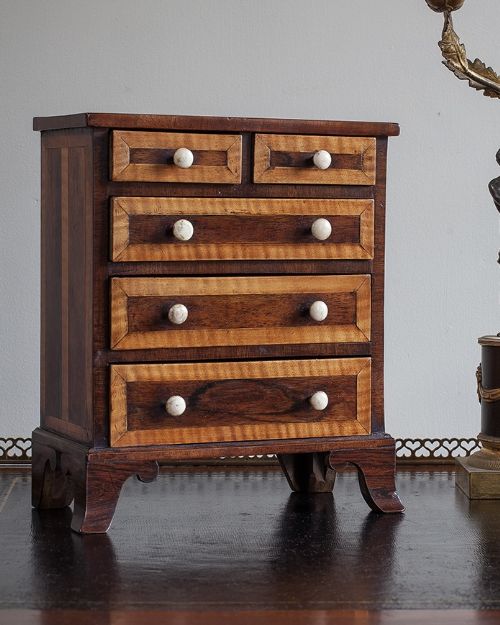
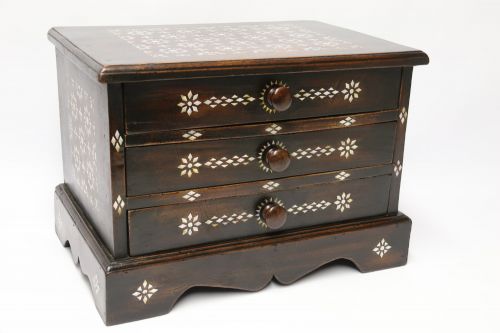
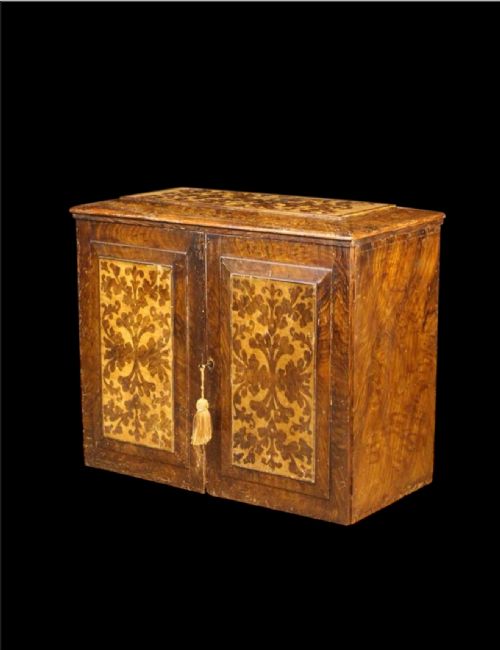
Cabinetmakers utilised hardwoods such as mahogany, oak, walnut, and burr walnut, alongside fruitwood, pine, and stained deal. Surfaces often feature elaborate details including mother of pearl inlay, marquetry, bone, and brass fittings.
Construction techniques mirror those of full-size furniture, employing dovetailed joints for drawers, turned feet, and functional locks with keys. Folk art and tramp art examples introduce carved surface decoration and layered geometric wood construction.
Miniature Wooden Cupboard Retail Price Guide 2026
Typical asking prices for miniature wooden cupboard among the pieces listed under this phrase on Sellingantiques today, from the lower quarter to the upper quarter. They describe what is for sale here now, not the wider market.
Period representation spans the 18th century, Georgian era, Victorian period, and early 20th century up to 1920.
Distinctions in construction and finish
The standard of a piece rests on the precision of its proportions and the choice of timber figure, such as burr walnut or figured mahogany. Superior examples maintain the correct architectural ratios of full-scale furniture rather than appearing clumsy or disproportionate.
Finer items display meticulous secondary wood selection, subtle inlay work like mother of pearl or marquetry, and original brass hardware. The integrity of internal elements, including secret drawers and fitted compartments, separates standard utility items from masterwork specimens.
The Miniature Wooden Cupboard Glossary
- Apprentice piece
- A small-scale furniture item traditionally made by a craftsman to demonstrate skill for guild admission, though many served as salesman samples or decorative tabletop cabinets.
- Collector's cabinet
- A specialised small cabinet fitted with multiple shallow drawers designed to house natural history specimens, coins, or medals.
- Marquetry
- The art of forming decorative patterns on a wooden surface by fitting together small veneers of different woods, metals, or bone.
- Spice drawer
- A set of small internal drawers within a tabletop cabinet historically utilised for storing culinary spices and herbs.
- Scotch chest
- A regional furniture form characterised by a cushion-moulded top drawer above a central deep drawer, scaled down in these instances to miniature proportions.
Miniature Wooden Cupboard: Frequently Asked Questions
What are miniature wooden cupboards?
These pieces are scaled-down versions of full-sized furniture, including chests of drawers, spice cabinets, and tabletop armoires. Artisans originally created them as masterworks, salesman samples, or specialised storage.
They reflect the dominant furniture styles of their respective periods, from eighteenth-century oak designs to Victorian burr walnut examples. Collectors value them for their dense concentration of fine cabinetmaking techniques.
How were apprentice chests used?
Apprentice chests served as tangible proof of a woodworker's technical proficiency before achieving master status. Their small size allowed travelling salesmen to display furniture designs to prospective buyers.
Over time, households adopted these scaled-down chests as tabletop storage for jewellery, documents, and small personal valuables. Their functional drawers and lockable doors provided secure containment on a domestic scale.
How do I date a miniature chest?
Dating relies on identifying the prevailing timber choices, construction methods, and stylistic markers of the piece. Eighteenth-century examples frequently feature oak and straightforward brass hardware, while Victorian pieces often utilise burr walnut or mahogany with turnings.
Secondary woods, dovetailing techniques, and inlay styles like mother of pearl help narrow the era of production. Examining the locks and internal construction provides further chronological clues.
What is tramp art furniture?
Tramp art is a style of woodworking where makers carved scrap wood, often from cigar boxes, using pocket knives. They layered notched and chipped wooden pieces to build textured geometric surfaces.
Miniature pieces in this tradition demonstrate folk art ingenuity rather than formal workshop training. Their distinctive stacked relief decoration sets them apart from standard cabinetmaker productions.