








Mid Century Walnut Drawers
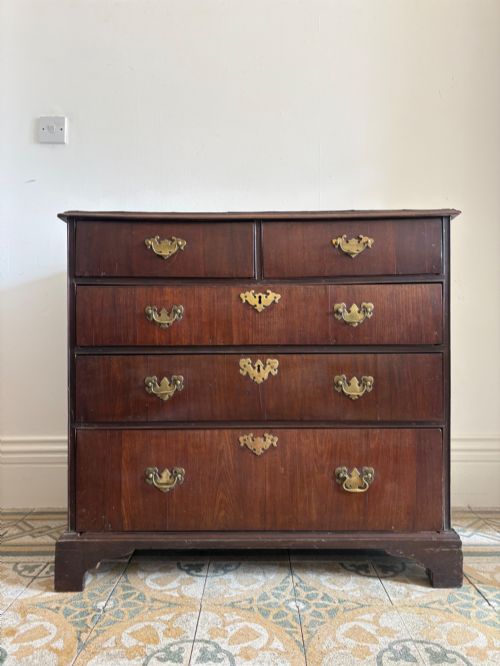
Mid century walnut drawers bring warmth and structured storage to a room, offering rich timber figures across Georgian chests, Victorian credenzas, and compact twentieth-century forms.
Mid Century Walnut Drawers
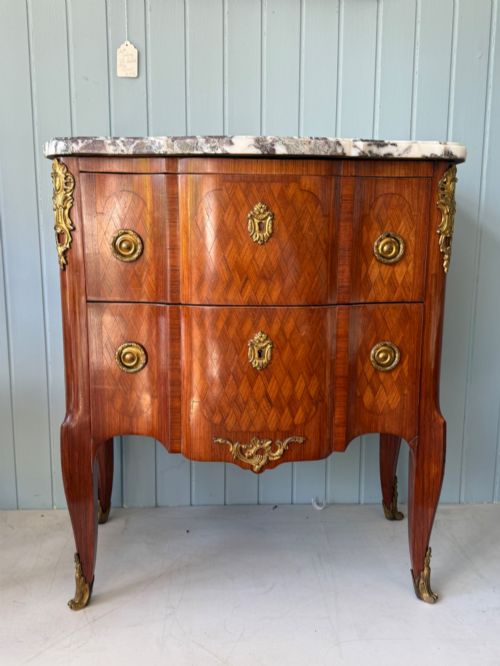
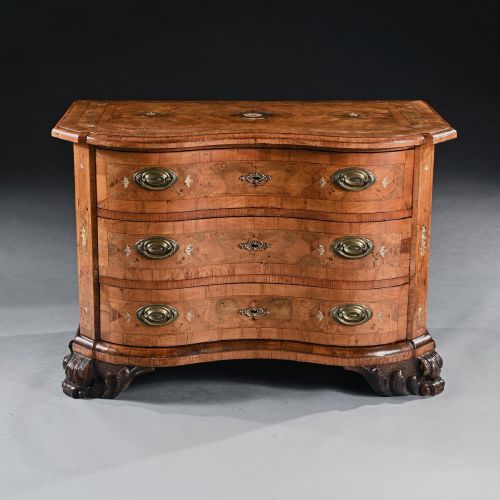
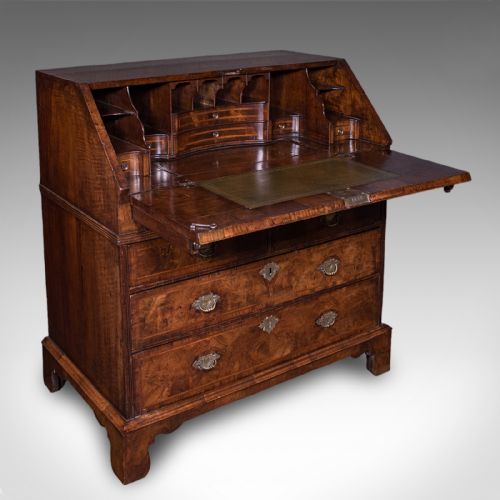
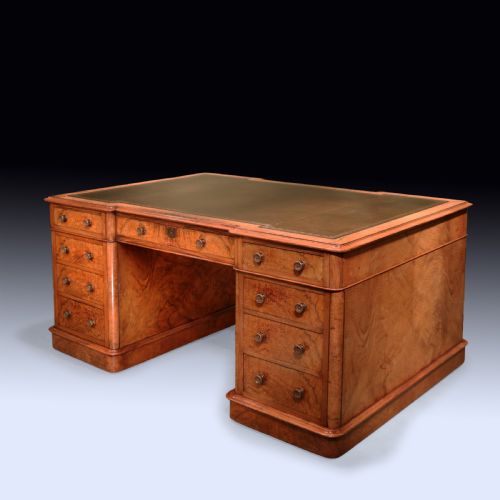
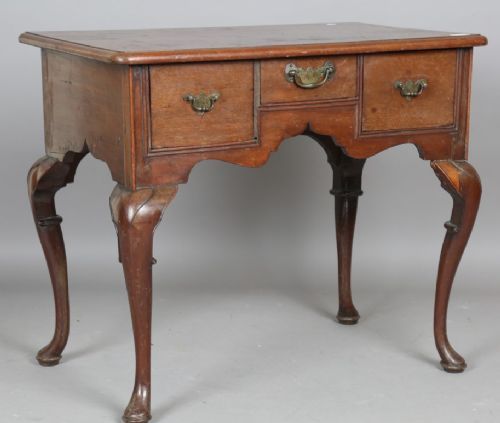
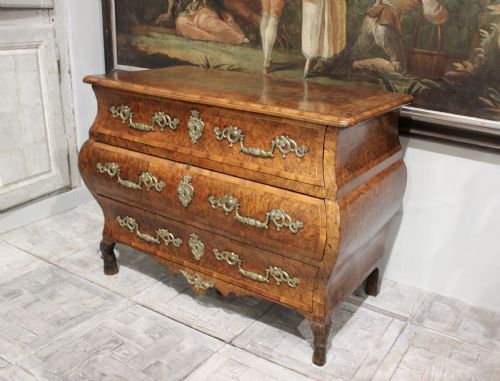
When searching for mid century walnut drawers, collectors encounter diverse forms spanning eighteenth-century chests, nineteenth-century pedestals, and later Art Deco bedside units. These pieces range from grand George II chest-on-chest tallboys down to small lowboys, compact desks, and serpentine commodes.
The material palette extends beyond plain timber to include burr walnut, red walnut, and Virginian walnut, often enhanced by marquetry or marble tops. English, French, German, Italian, and Scandinavian makers all contributed distinct regional expressions to this category over successive centuries.
How they were made
Cabinet makers utilised solid walnut and figured veneers laid over secondary woods, selecting burr walnut for its complex, swirling grain patterns. Structural strength relied on traditional joinery while decorative surfaces frequently displayed intricate marquetry in pewter and ivory.
Metalwork played a defining role in finishing these pieces, with brass handles, keyplates, and cast ormolu mounts securing drawers and accentuating baroque or serpentine outlines.
Mid Century Walnut Drawers Retail Price Guide 2026
Typical asking prices for mid century walnut drawers among the pieces listed under this phrase on Sellingantiques today, from the lower quarter to the upper quarter. They describe what is for sale here now, not the wider market.
Materials recorded across the inventory include solid walnut, burr walnut, red walnut, Virginian walnut, olive-wood, fruit-wood, brass, marble, ormolu, and leather.
What varies in quality
Quality rests upon the selection and matching of the timber veneer, where continuous burr walnut figures or carefully chosen red walnut grain elevate a piece visually. The sophistication of the overall silhouette, from restrained Georgian proportions to complex German baroque serpentine curves, dictates the standing of the work.
Refinement in secondary details such as hand-cut dovetailing, integrated secretaire drawers, and original brass hardware or ormolu mounts separates standard utility furniture from exceptional cabinet making.
The Mid Century Walnut Drawers Glossary
- Burr walnut
- A prized timber harvested from growth excrescences on walnut trees, yielding intricate, swirling grain patterns. Cabinet makers prized this veneer for high-status cabinet fronts.
- Commode
- A low chest of drawers or cabinet originating in France, frequently featuring a marble top and serpentine outlines. These pieces served both decorative and functional roles in formal interiors.
- Tallboy
- A tall chest-on-chest configuration stacking one set of drawers directly upon a larger base. This form maximised vertical storage capacity while maintaining a compact footprint.
- Lowboy
- A small side table fitted with one or more tiers of drawers, standing on relatively tall legs. Eighteenth-century examples often functioned as dressing tables or writing desks.
- Ormolu
- Gilded bronze used for decorative mounts and hardware on continental furniture, particularly during the eighteenth and nineteenth centuries. It provided a bright metallic contrast against dark walnut surfaces.
Mid Century Walnut Drawers: Frequently Asked Questions
How do I date a walnut chest of drawers?
Dating relies on observing construction methods, timber choices, and stylistic markers such as bracket feet or serpentine fronts. Eighteenth-century pieces often display distinct red walnut tones and hand-cut joinery.
Later Victorian and Art Deco examples introduce burr veneers, applied ormolu, and different interior configurations. Comparing hardware styles and carcass construction clarifies the period of origin.
What is the difference between a commode and a chest of drawers?
A commode typically denotes a continental European cabinet or chest of drawers, often finished with a marble top and elaborate serpentine shaping. English pieces of similar date are usually termed chests of drawers or tallboys.
Continental makers frequently incorporated marquetry and ormolu mounts into commodes, whereas English walnut furniture tended to emphasise clean timber figures and brass drop handles.
Where should I place a walnut credenza in my home?
A walnut credenza suits dining rooms, living spaces, or wide hallways where its surface and internal storage can be fully appreciated. These pieces often feature fitted drawers and cupboards designed for tableware or documents.
Positioning the furniture away from direct sunlight and heat sources protects the sensitive walnut veneers and polished finishes from fading or drying out over time.
What maintenance do antique walnut drawers need?
Antique walnut surfaces require gentle dusting with a soft, dry cloth and occasional treatment with quality beeswax to nourish the timber. Avoid modern silicone sprays or excessive moisture which can damage aged polishes.
Maintaining stable room humidity prevents the timber and underlying veneers from expanding, contracting, or lifting across seasonal shifts.