






Mid Century Silver Shakers
Mid century silver shakers bring sleek barware and condiment sets into modern homes, offering both striking modernist design and practical service.
Mid Century Silver Shakers
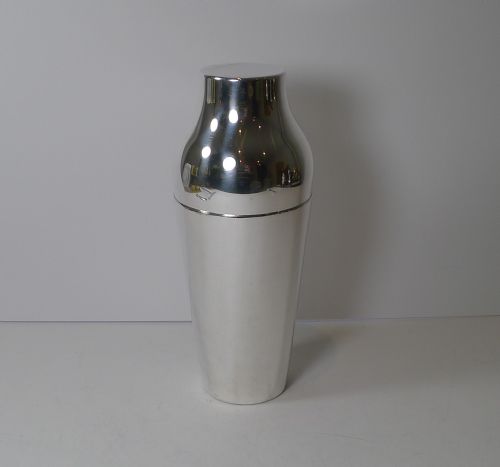
Mid century silver shakers encompass cocktail shakers and condiment sets produced during the 1940s, 1950s, and 1960s. These pieces reflect the functional aesthetic of the era, moving from geometric Art Deco influences towards clean Mid-Century Modern and Italian Modernist lines.
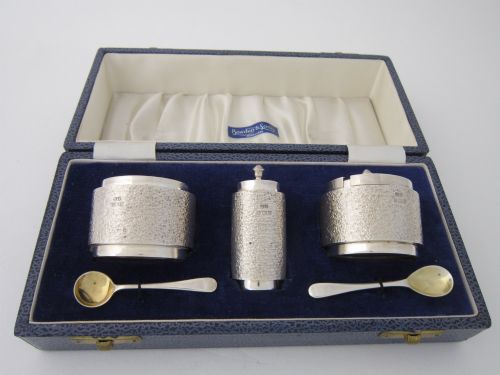
Buyers encounter substantial cocktail shakers designed for the home bar alongside matching three-piece condiment sets for the dining table. Forms range from straightforward cylindrical vessels to novelty animal shapes such as silver owls.
Origins span British workshops, French silversmiths, Italian designers, and Scandinavian studios. This international scope brings variety to the handles, spouts, and overall silhouettes found across the selection.
How mid century silver shakers were made
Silversmiths utilised sterling silver and silver plate over base metals, shaping the bodies through spinning and pressing techniques. Glass bodies also appear, fitted with metal collars and pierced lids for dispensing condiments.
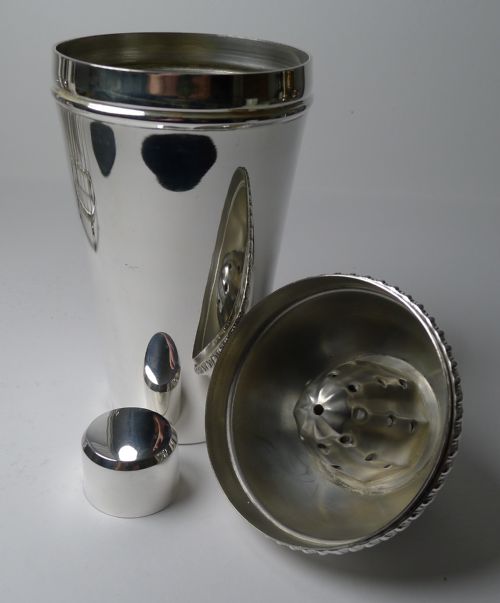
Surface decoration relies on clean metal finishes, sometimes enhanced with silver-gilt interiors or colourful vitreous enamel and guilloche work. Makers often integrated functional elements directly into the design, such as built-in lemon squeezers or multi-part sealing lids.
Mid Century Silver Shakers Retail Price Guide 2026
Typical asking prices for mid century silver shakers among the pieces listed under this phrase on Sellingantiques today, from the lower quarter to the upper quarter. They describe what is for sale here now, not the wider market.
What varies in quality
Quality rests in the weight of the metal and the precision of the construction, particularly how tightly lids and caps fit their vessels. Heavier gauges of sterling silver or thick silver plate indicate superior manufacture compared to lighter base metal alternatives.
Design attribution elevates certain pieces, with known makers and documented modernist designers commanding greater attention. The presence of undamaged guilloche enamel or intact internal components also marks out the higher tier of production.
J. B. Chatterley & Sons·Lino Sabattini·Christofle·Gaskell & Chambers·Orfèvrerie Christofle·Tuttle·David Andersen·Lutz & Weiss
The Mid Century Silver Shakers Glossary
- Sterling silver
- An alloy consisting of pure silver and other metals, usually copper, to increase durability while maintaining a bright appearance. Items marked thus meet a specific legal fineness standard.
- Silver plate
- A base metal such as nickel brass or copper coated with a thin layer of pure silver. This method allowed makers to produce impressive barware at a lower cost than solid silver.
- Guilloche enamel
- Decorative metalwork covered with translucent enamel over an engine-turned or engraved pattern. It creates a repeating geometric wave or ray effect beneath the coloured glass surface.
- Silver-gilt
- Silver that has been coated with a thin layer of gold on its surface, often applied to the interior bowls of condiment sets to prevent corrosion from salt and mustard.
- Condiment set
- A matched group of small vessels designed to hold salt, pepper, and mustard on the dining table. They frequently mirror the materials and style of larger cocktail shakers from the same period.
Mid Century Silver Shakers: Frequently Asked Questions
What is the difference between a cocktail shaker and a condiment set?
Cocktail shakers are larger vessels designed for mixing drinks, usually featuring a built-in strainer and cap.
Condiment sets are smaller matching containers intended for salt, pepper, and mustard at the table.
How do I clean silver plate shakers?
Use a soft cloth and a gentle silver polish formulated specifically for plated items to avoid wearing through the thin silver layer.
Wash by hand in warm soapy water and dry thoroughly immediately afterwards.
Are these pieces safe for holding drinks and food?
Most solid silver and silver-gilt interiors are suitable for holding cocktail ingredients and condiments during normal use.
Check that the interior surfaces are clean and intact before serving food or drink from vintage vessels.
How can I tell the period of a shaker?
Look for stamped hallmarks, maker marks, and stylistic clues that point to Art Deco or Mid-Century Modern design aesthetics.
Design dates and registration marks stamped into the metal often narrow down the decade of production.