







Metal Storage Basket
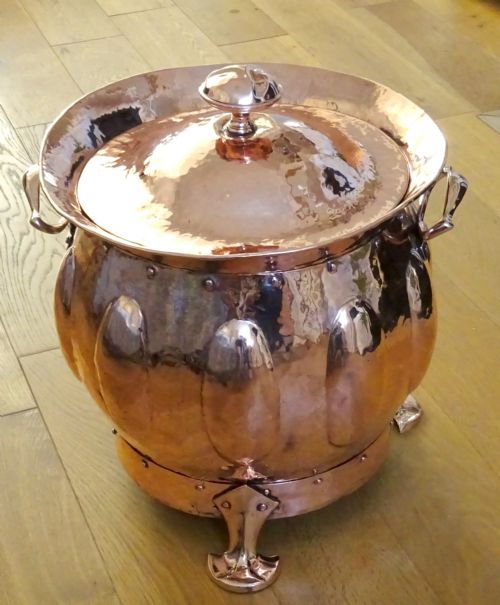
These metal storage baskets, ranging from Victorian copper log bins to Edwardian coal buckets, bring industrial utility and warm metal tones into contemporary rooms.
Metal Storage Basket
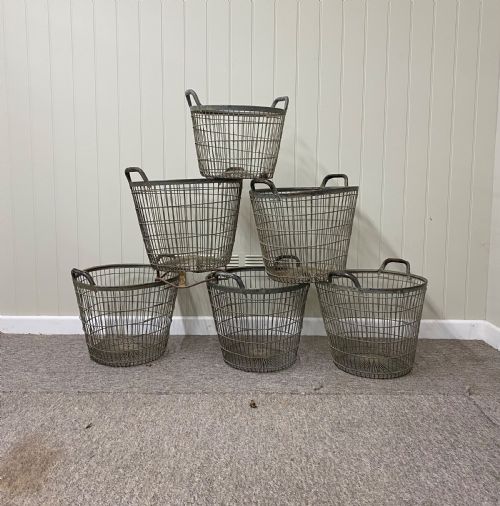
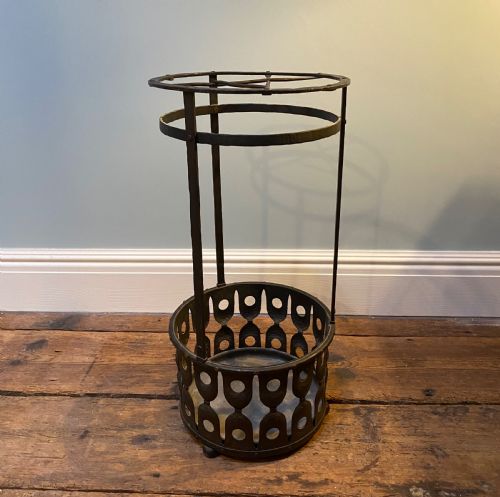
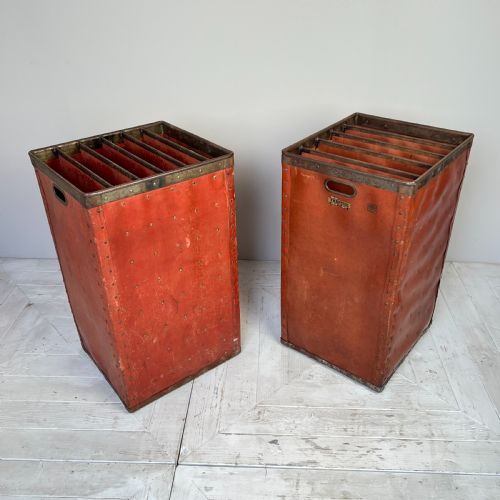
When you search for a metal storage basket, you encounter robust vessels originally built for practical hearth and household duties. These include heavy log bins, coal buckets, umbrella stands, and laundry storage boxes.
The most common versions on this page are copper and brass log bins alongside galvanised iron tubs dating from the nineteenth and early twentieth centuries. Many pieces bridge the gap between utilitarian workshop items and decorative country house accessories.
Origins stretch from English country houses to French vineyards, encompassing Georgian, Victorian, Edwardian, and Arts and Crafts periods. Each form reflects its original workshop or fireside purpose, whether holding fuel or carrying grapes.
Materials and construction
Construction relies heavily on hammered copper, heavy brass, and durable iron or steel frames. Makers utilised sheet metal, joining seams with rivets or soldering, and frequently mounted vessels on robust wrought iron stands.
Surface treatments range from polished brass and decorative toleware paint to galvanised zinc finishes designed to resist moisture. Handles often incorporate cast brass drop rings, fixed iron loops, or swing bails for heavy loads.
Metal Storage Basket Retail Price Guide 2026
Typical asking prices for metal storage basket among the pieces listed under this phrase on Sellingantiques today, from the lower quarter to the upper quarter. They describe what is for sale here now, not the wider market.
Current listings span the 1800s through the 1930s, featuring materials from raw wrought iron to painted sheet iron and polished copper.
Distinguishing quality
Quality rests upon the weight of the gauge metal and the integrity of the original joints and handles. Heavier copper walls and solid cast brass fittings indicate higher grade manufacture intended for demanding domestic service.
Preservation of original surfaces, such as patinated copper or untouched painted toleware, elevates a piece above examples that have undergone aggressive modern polishing or structural repair.
The Metal Storage Basket Glossary
- Log bin
- A deep vessel designed for holding firewood near a hearth. They frequently appear in heavy copper or wrought iron.
- Galvanised metal
- Steel or iron coated with a protective layer of zinc to prevent rust. This finish appears commonly on utility tubs and agricultural baskets.
- Arts and Crafts
- A design movement prioritising handcrafting and visible construction methods. Pieces from this style emphasise honest materials like hammered copper.
- Faux bamboo
- A decorative finish mimicking natural bamboo stems. This technique appears on Victorian metal umbrella stands and occasional furniture.
Metal Storage Basket: Frequently Asked Questions
What were metal storage baskets originally used for?
These vessels served demanding domestic tasks around the Victorian and Edwardian home, primarily holding coal, storing firewood by the hearth, or housing umbrellas in hallways.
Larger variations also managed laundry, kitchen waste, or agricultural harvests like grapes in continental vineyards, demonstrating robust daily utility.
How do I care for antique copper and brass?
Maintenance depends entirely on whether you prefer a bright polished shine or the deep, dark oxidation accumulated over a century.
Gentle dusting is usually sufficient for preserved patinated surfaces, avoiding harsh chemical cleaners that strip away authentic historic character.
Can these containers be used outdoors?
Many galvanised iron tubs and copper vessels function effectively as garden planters or tree pots on patios and terraces.
Ensure that indoor decorative pieces with sensitive painted finishes or iron frames prone to active rusting remain protected from prolonged moisture.
How do I date a metal storage basket?
Dating relies on observing construction techniques like hand-beaten hammering marks, riveted seams, and the style of attached brass handles and feet.
Georgian and Victorian pieces tend to feature heavier gauge hand-worked metals, whereas later twentieth-century examples display more uniform industrial manufacturing.