

Mahogany Wood Inlay
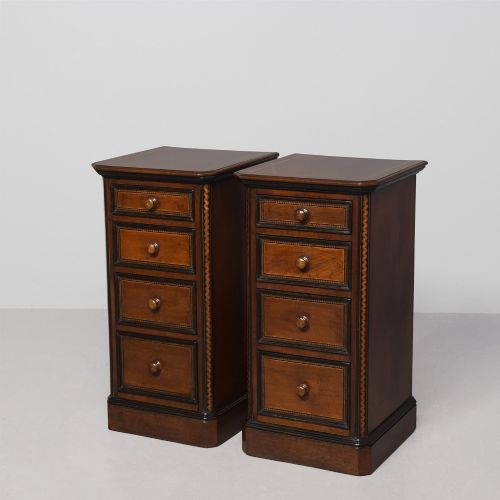
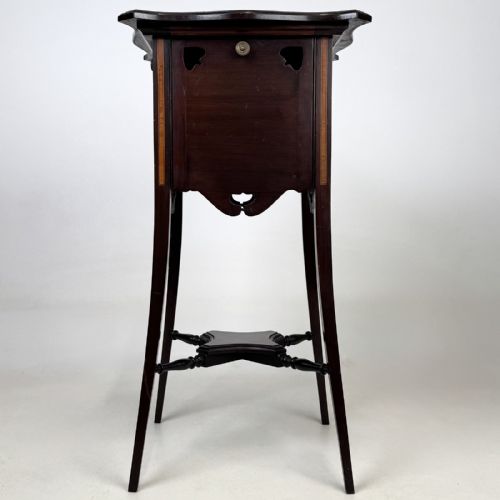
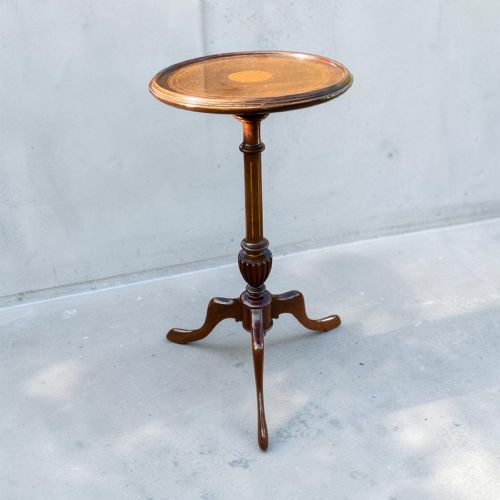
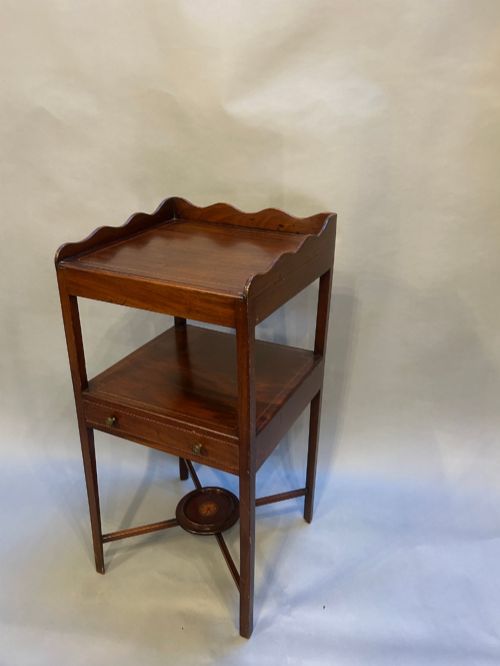
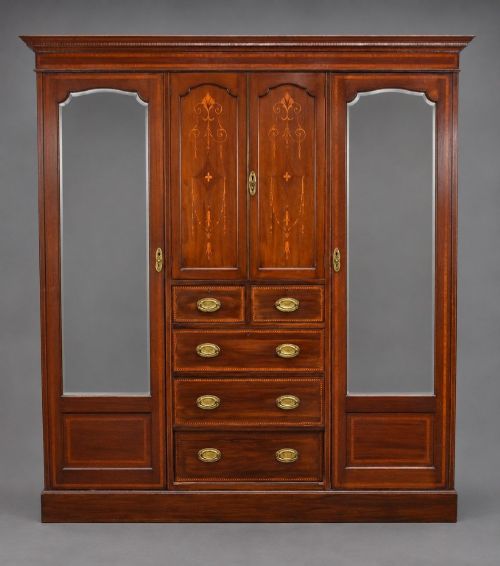
Mahogany wood inlay brings together dark timber and lighter contrasting stringing in sideboards, tables, and cabinets from the Georgian, Regency, and Edwardian eras.
Mahogany Wood Inlay
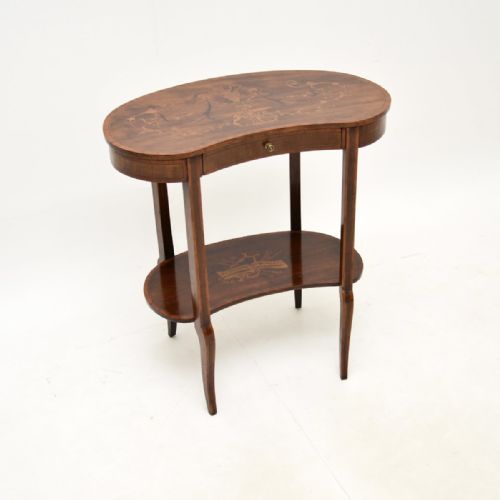
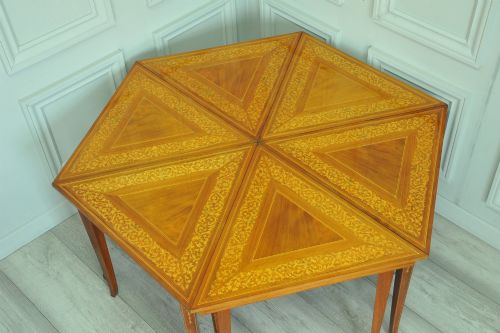
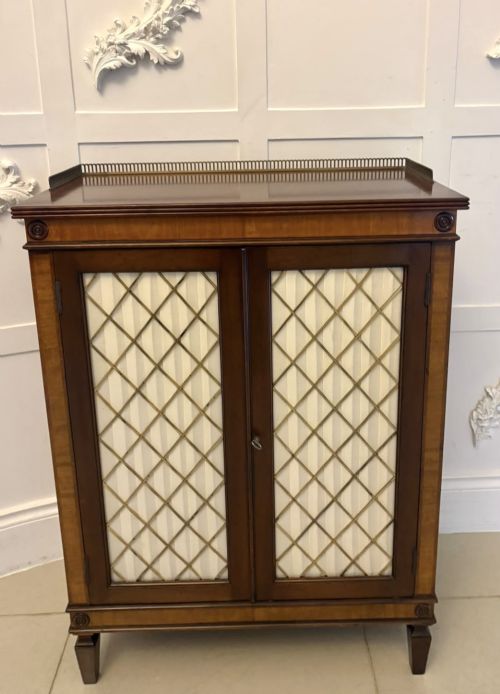
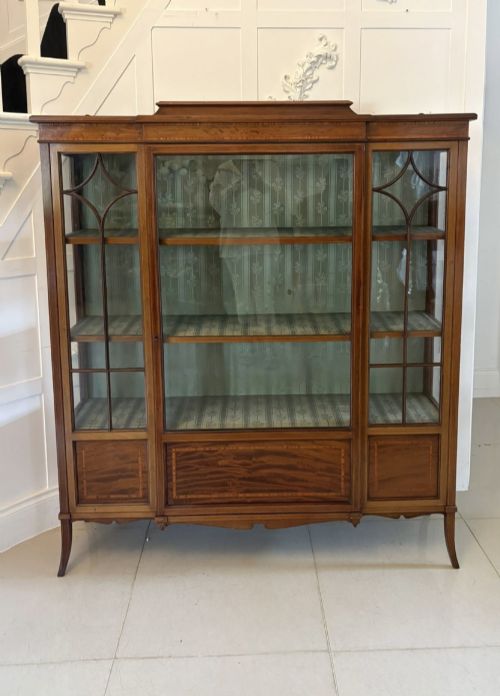
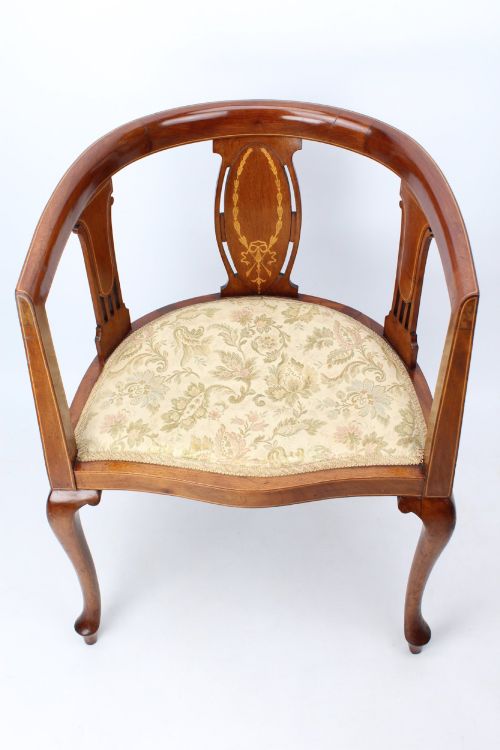
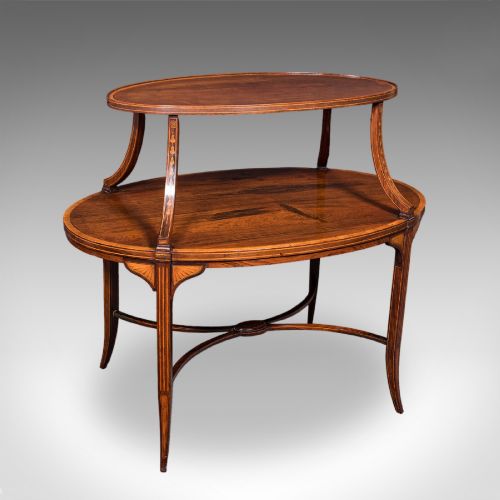
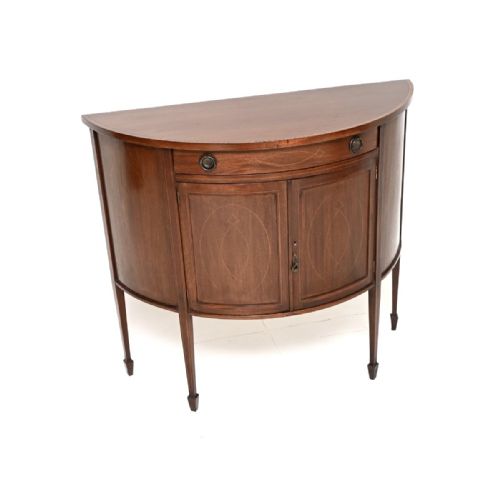
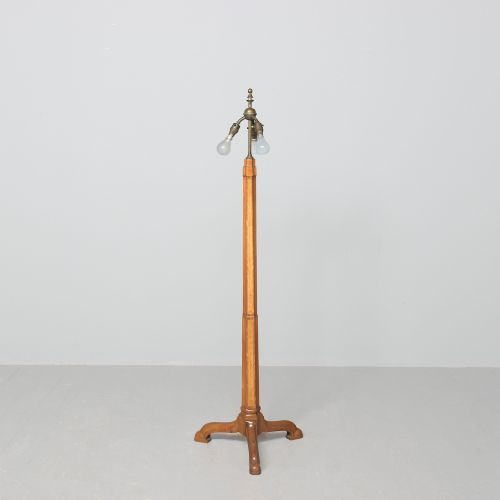
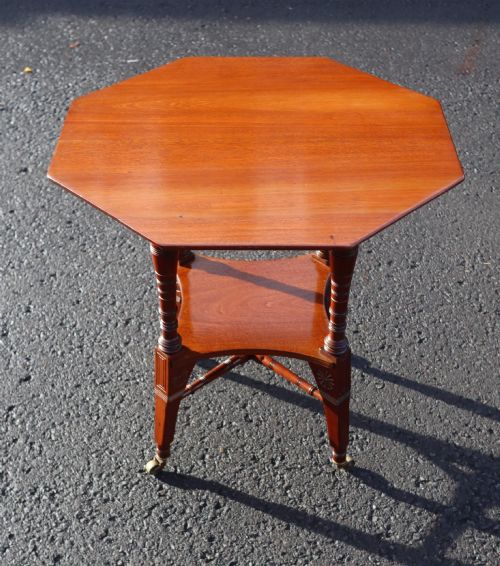
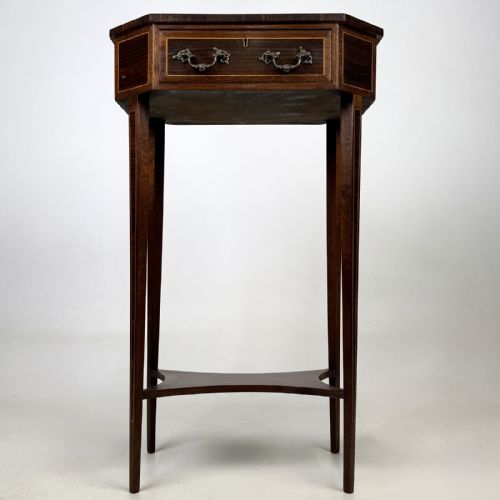
When searching for mahogany wood inlay, you examine furniture ranging from eighteenth-century card tables to Edwardian display cabinets and sideboards. These items combine a dark reddish-brown primary timber with lighter contrasting lines and decorative motifs.
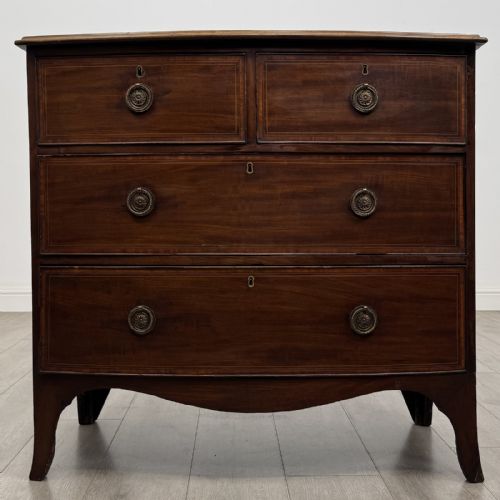
The pieces you meet most often on this page date from the Edwardian period and the nineteenth century. Common forms include occasional tables, chests of drawers, and corner display cabinets featuring delicate banded borders.
How they were made
Cabinet makers constructed the primary carcasses from solid or veneered mahogany, frequently selecting flame grain figures for prominent surfaces. They then cut shallow channels into the timber to recess contrasting light woods.
Satinwood, boxwood, and brass provided the pale linear inlay and detailed marquetry motifs. Craftsmen secured these insertions with animal glue before scraping and polishing the entire surface smooth.
Mahogany Wood Inlay Retail Price Guide 2026
Typical asking prices for mahogany wood inlay among the pieces listed under this phrase on Sellingantiques today, from the lower quarter to the upper quarter. They describe what is for sale here now, not the wider market.
Some nineteenth-century makers concealed delicate writing surfaces and botanical marquetry inside seemingly ordinary music cabinets.
What varies in quality
The precision of the joinery and the crispness of the contrasting inlay separate standard examples from finer works. Master craftsmen aligned grain patterns carefully and executed complex foliate marquetry without visible gaps.
Secondary timbers and internal hardware also indicate standard. Superior pieces utilise solid mahogany drawer linings and original brass fittings rather than replacement elements.
Ralph Turnbull·Taylor of London·Waring and Gillow
The Mahogany Wood Inlay Glossary
- Marquetry
- A decorative technique where small pieces of varied wood veneers form pictorial or geometric patterns on a surface. Artisans assemble these thin sections precisely before gluing them to the main carcass.
- Satinwood
- A pale, lustrous timber native to India and Ceylon utilised extensively for contrasting stringing and banding. Its golden yellow tone provides a sharp visual distinction against dark mahogany.
- Boxwood
- A dense, pale yellow hardwood employed for fine inlay lines and stringing borders. Cabinet makers select it for its uniform texture and ability to hold sharp edges.
- Demi-lune
- A half-moon shape characteristic of card tables and sideboards from the Georgian period. These items fit flat against a wall while opening out for use.
- Stringing
- Thin strips of light-coloured wood inlaid into darker timber to outline panels, drawers, and tabletops. This linear decoration defines the architectural geometry of the furniture.
Mahogany Wood Inlay: Frequently Asked Questions
How do I date mahogany inlay furniture?
Examine the construction methods, drawer linings, and secondary woods alongside the overall furniture style. Georgian pieces display robust joinery and hand-cut dovetails, while Edwardian examples often utilise lighter framing and factory-produced veneers.
Look closely at the style of the inlay work itself. Geometric boxwood stringing typically points to the eighteenth century, whereas more elaborate foliate marquetry often indicates an Edwardian or late nineteenth-century manufacture.
How do I care for inlaid wood surfaces?
Keep mahogany and inlay away from direct sunlight and heat sources to prevent the wood from drying and the glue beneath the veneers from failing. Maintain a stable room temperature and humidity level.
Dust the surface regularly with a soft, dry cloth and apply a quality natural wax occasionally to nourish the timber. Avoid liquid polishes containing silicone, which can penetrate hairline cracks in the polish.
What is the difference between inlay and marquetry?
Inlay involves sinking pieces of wood, brass, or shell into carved recesses within a solid or veneered background. The surrounding timber remains the primary visual field.
Marquetry creates an entire picture or pattern using assembled veneers applied across the whole surface. Craftsmen cut multiple thin woods together to form complex floral or geometric panels.
Where should I place a card table at home?
Place a demi-lune or fold-over card table flat against a hallway or living room wall where its polished top remains visible. These items take up minimal floor space when closed.
Ensure the table sits away from radiators and direct sunlight to protect the delicate satinwood or boxwood stringing along the edges. You can open the top occasionally to display the baize interior.