

Mahogany Wood Cabinet
A mahogany wood cabinet brings warmth and structured storage to a room, spanning periods from Georgian craftsmanship to Edwardian display pieces.
Mahogany Wood Cabinet
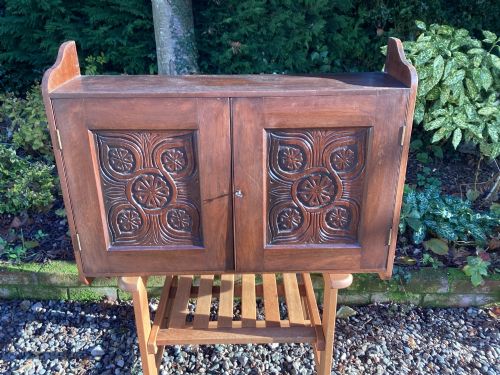
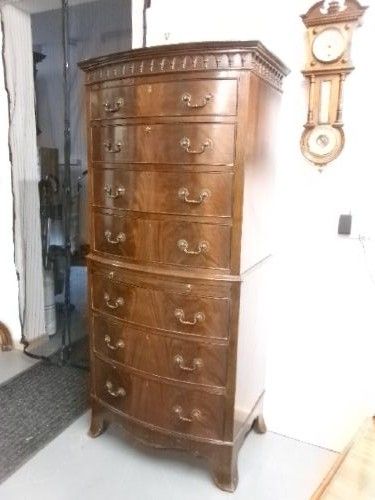
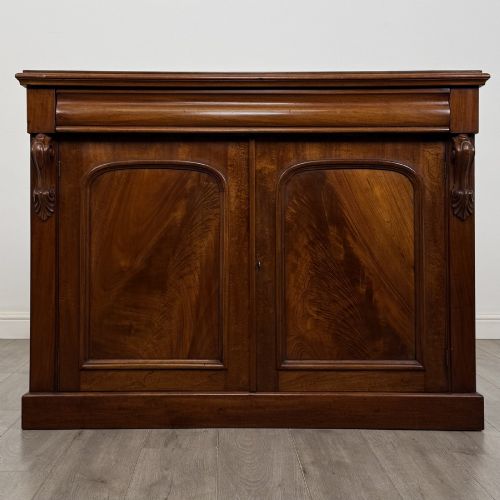
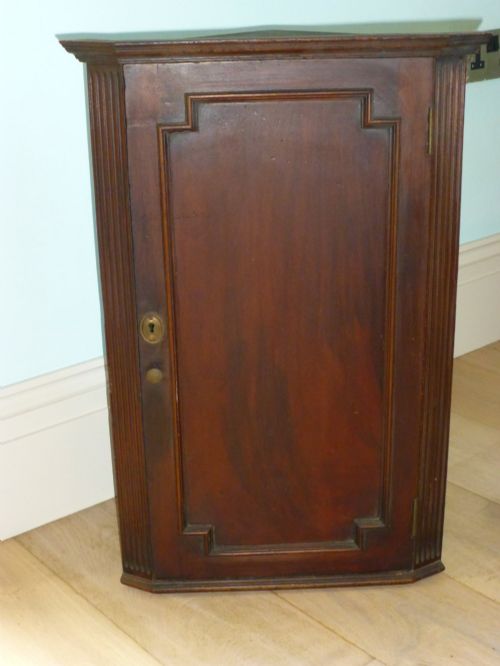
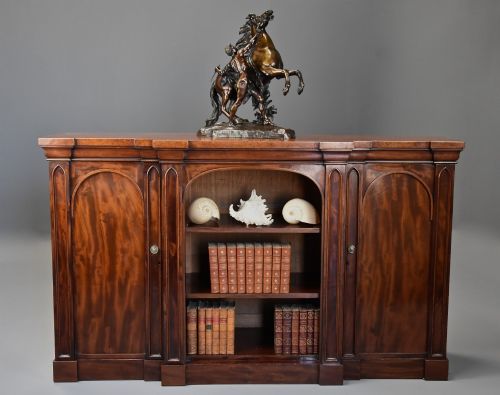
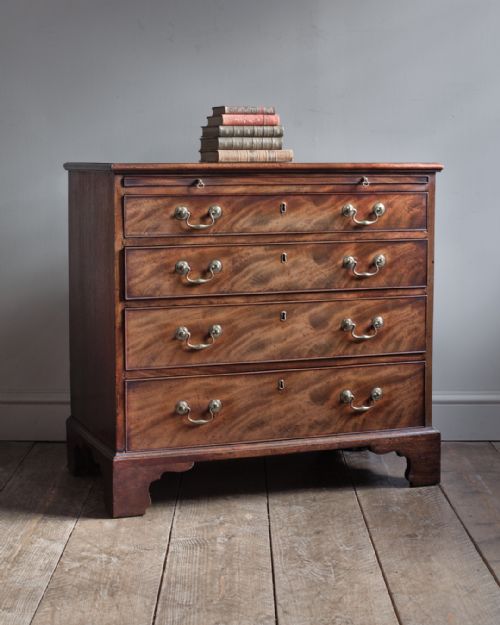
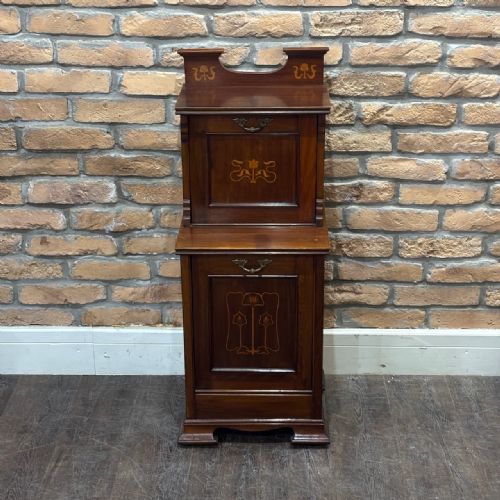
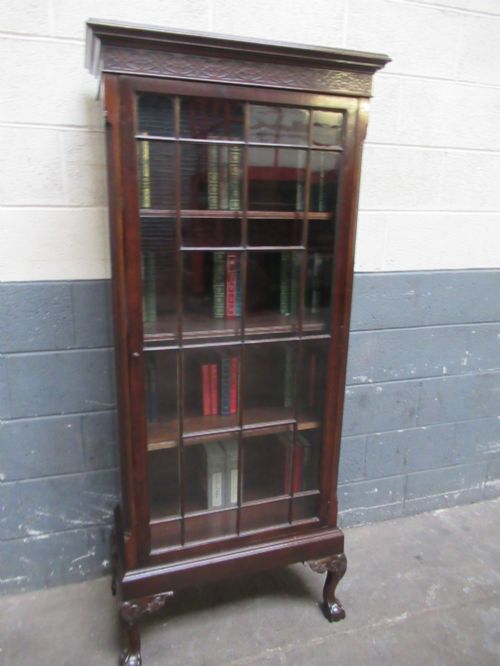
A mahogany wood cabinet encompasses a diverse group of furniture forms, most frequently appearing as glazed display cabinets, open bookcases, side cabinets, and corner units. These pieces emerge across several periods, including the Georgian, Regency, Victorian, and Edwardian eras, reflecting changing domestic needs for storage and exhibition.
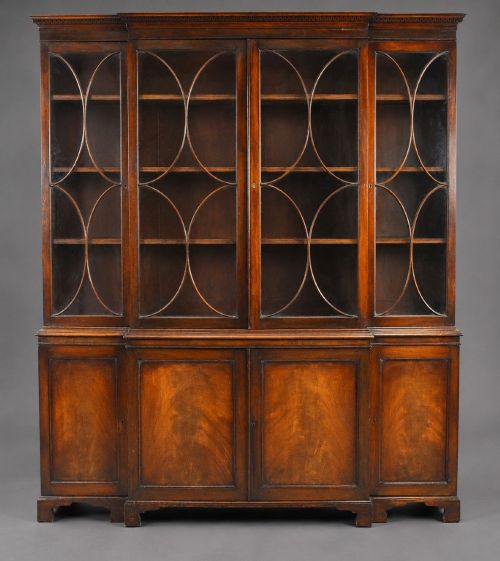
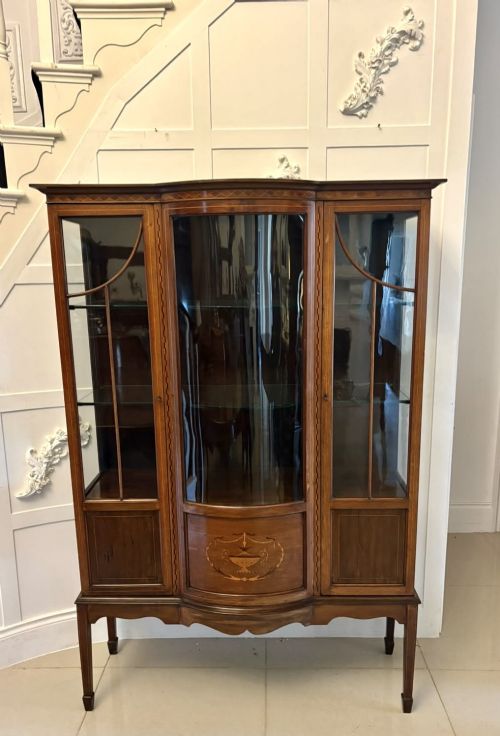
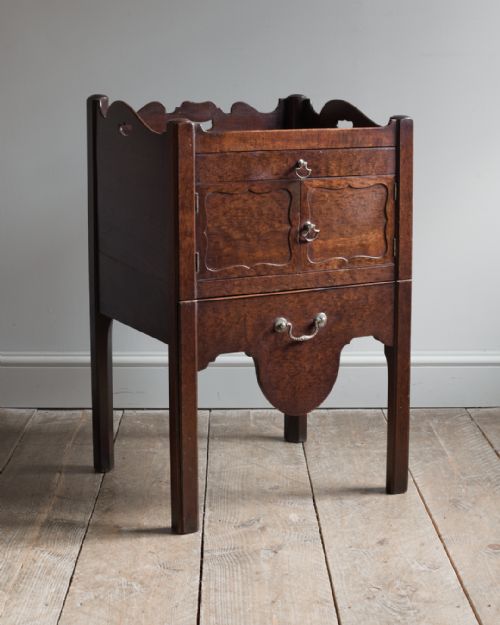
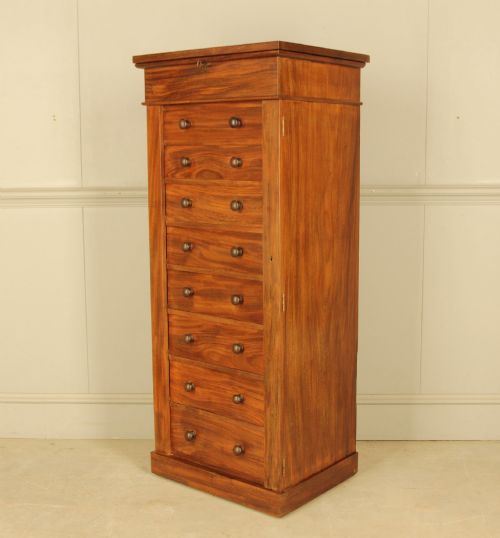
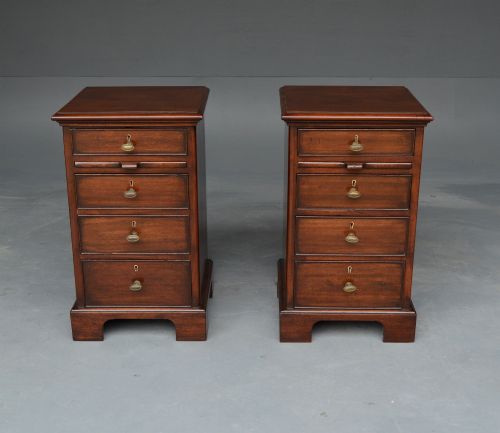
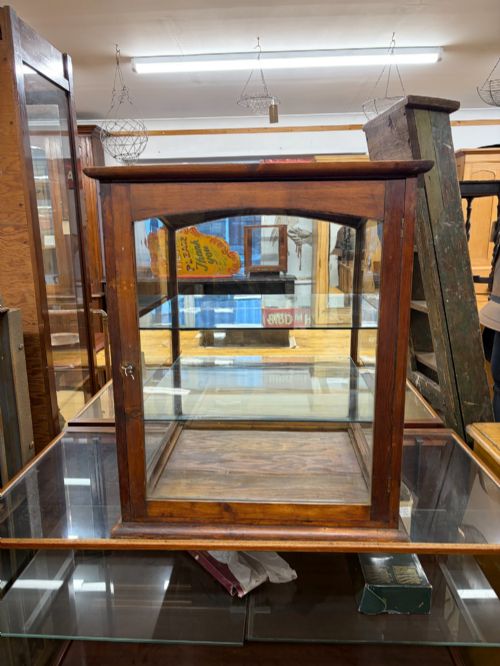
The versions met most often on this page range from compact Edwardian china cabinets with raised galleries to substantial Georgian bookcases on chests. Functional pieces such as bedside cupboards, music cabinets, and collectors' cabinets also appear regularly, showing how makers adapted the timber for specialised household tasks.
Craftsmanship and Proportion
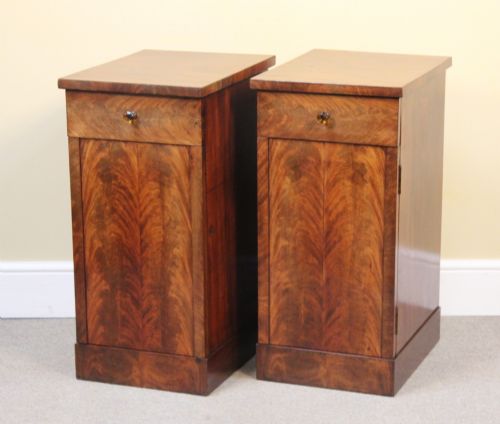
Quality separates pieces through the crispness of carved details, the selection of veneer figures such as flame mahogany, and the harmony of architectural proportions. Superior examples display meticulous attention to secondary timbers and finely fitted interiors that remain robust over centuries.
The refinement of brass hardware, the precision of inlaid satinwood banding, and the integrity of original glass panels indicate higher workshop standards. Pieces that maintain balanced proportions without heavy restoration sit at the upper end of the range.
Mahogany Wood Cabinet Retail Price Guide 2026
Typical asking prices for mahogany wood cabinet among the pieces listed under this phrase on Sellingantiques today, from the lower quarter to the upper quarter. They describe what is for sale here now, not the wider market.
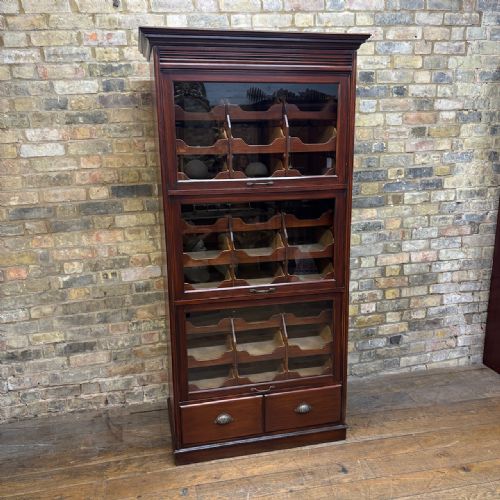
One remarkably specific Victorian cabinet on record was built entirely for the exacting needs of a watch and clock repairer.
Waring and Gillow
The Mahogany Wood Cabinet Glossary
- Flame mahogany
- A veneer cut from the fork of the mahogany tree to produce a dramatic, flame-like grain pattern. This decorative treatment is typically reserved for the primary facades of finer cabinets.
- Astral glazed
- A glass door divided into small panes by narrow wooden bars known as astragals. This technique creates a lighter visual appearance for bookcases and display cabinets.
- Gallery
- A low raised rail or border running along the top edge of a cabinet or chest. It prevents items placed on top from sliding off.
- Secretaire
- A desk disguised as a drawer that pulls down to reveal a writing surface and small pigeonholes. It combines storage with a pull-out writing desk.
- Breakfront
- A piece of furniture where the central section projects forward from the flanking wings. This architectural layout creates depth and shadow on large bookcases and sideboards.
Mahogany Wood Cabinet: Frequently Asked Questions
How do I date a mahogany cabinet?
Dating relies on observing structural characteristics, timber selection, and decorative styles associated with specific periods like Georgian or Edwardian. Hardware types and construction methods inside the drawers also offer clues to the decade of manufacture.
Examining the secondary timbers used for drawer linings and backboards helps confirm the regional origin and age of the piece. Combining these physical traits with historical stylistic markers provides a reliable timeline.
Where should I place a display cabinet?
Display cabinets with glass doors and adjustable shelves suit reception rooms or libraries where books and china need protection from dust. Placing them away from direct sunlight preserves the rich colour of the mahogany timber.
Ensure the floor is level so the doors hang true and latch properly without straining the brass hinges. Corner cabinets work well to utilise empty angles in smaller rooms while adding architectural interest.
How do I care for mahogany wood?
Maintain mahogany furniture by dusting regularly with a soft, dry cloth and avoiding silicone-based polishes that build up over time. Natural beeswax applied sparingly helps nourish the grain and protects the polished surface.
Keep cabinets away from direct heat sources and sudden humidity changes to prevent the timber from splitting or warping. Stable room temperatures preserve both the solid wood and delicate veneer surfaces.
What is the difference between a chiffonier and a side cabinet?
A chiffonier is a compact sideboard developed during the Regency and Victorian periods, typically featuring a raised shelf or small gallery on top. They were designed for dining rooms to serve food and store linens.
General side cabinets offer enclosed shelving without the raised upper superstructure, making them more versatile for living areas and hallways. Both forms showcase the figured grain of mahogany but serve slightly different domestic functions.