


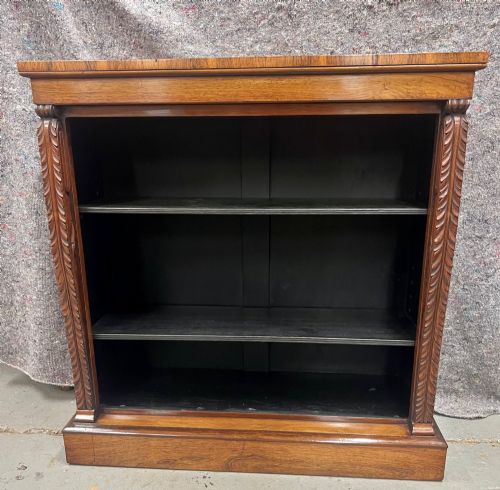
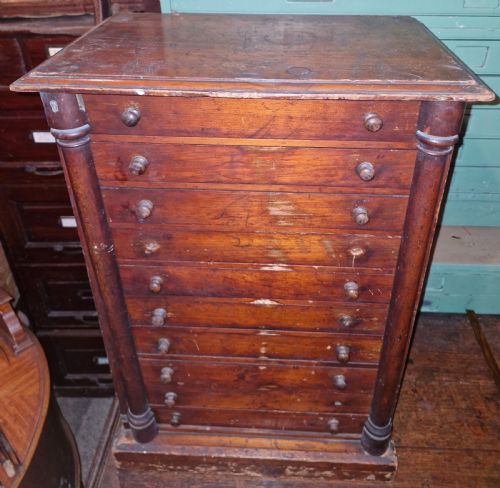

Mahogany Column Cabinet
Mahogany column cabinet pieces bring architectural timber and solid presence to a room, offering functional display space through classical proportions.
Mahogany Column Cabinet
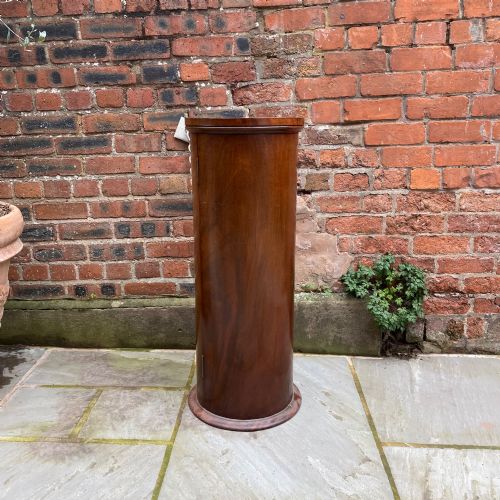
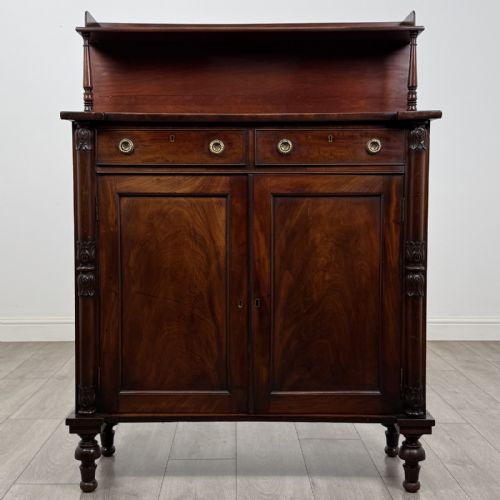
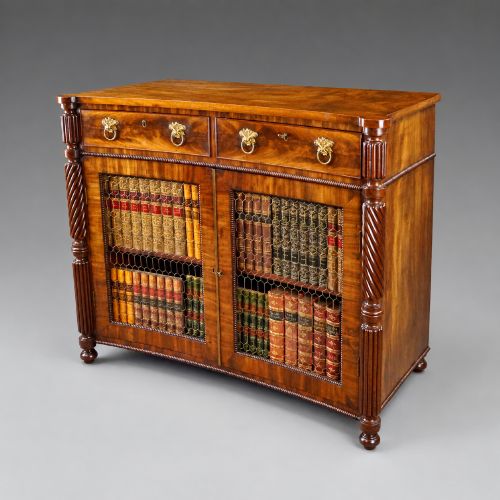
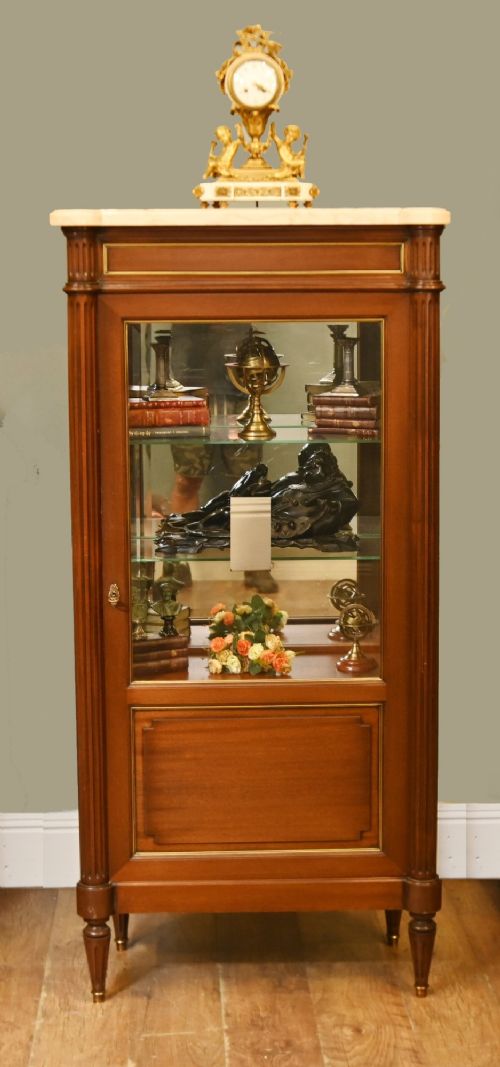
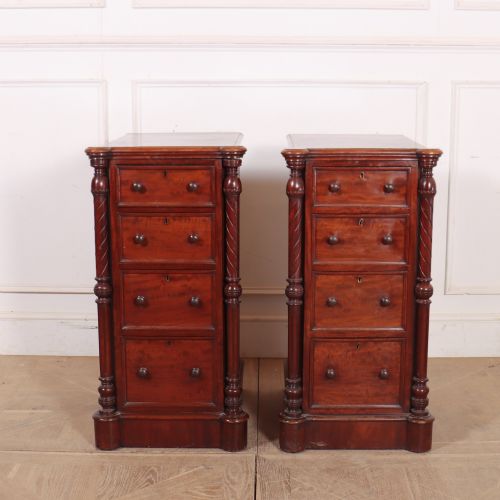
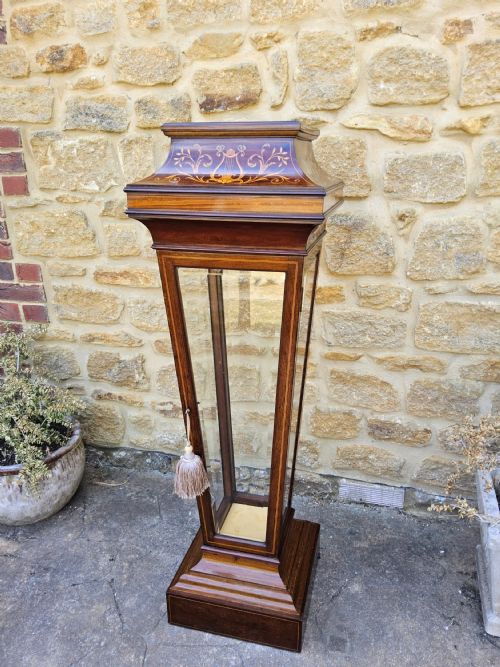
A mahogany column cabinet combines structural timber with upright supports, drawing on Regency, Victorian, and Georgian traditions. These pieces function as bedside tables, side cabinets, display pedestals, and nightstands across the inventory.
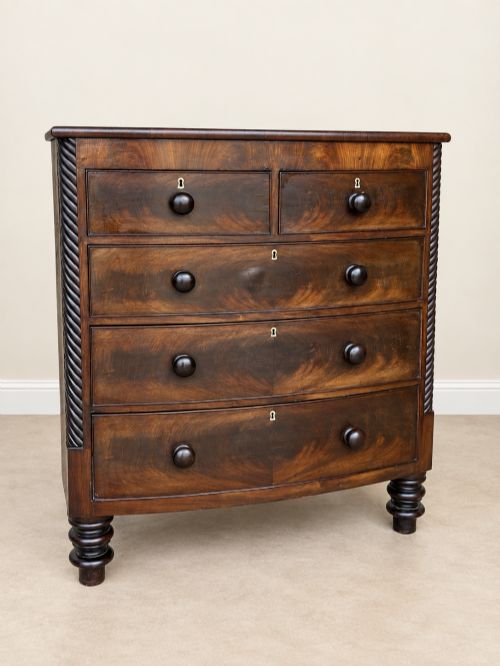
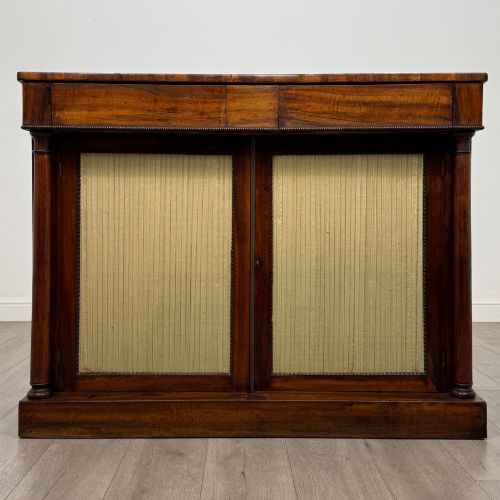
The selections span the nineteenth century into the Edwardian era, incorporating styles such as French Empire, William IV, and Directoire alongside standard period designs. Buyers encounter cylindrical forms, architectural pedestals, and fitted cupboards alongside bookcases and chests of drawers.
Construction and materials
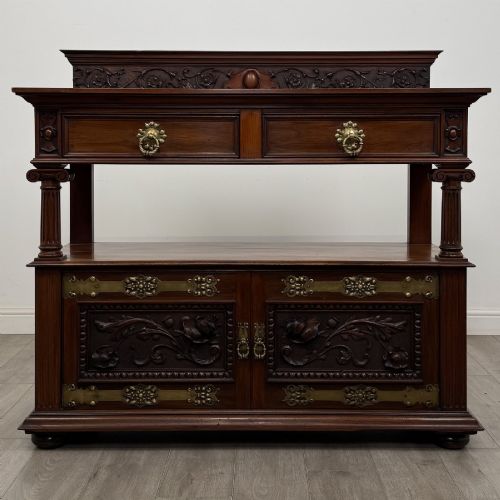
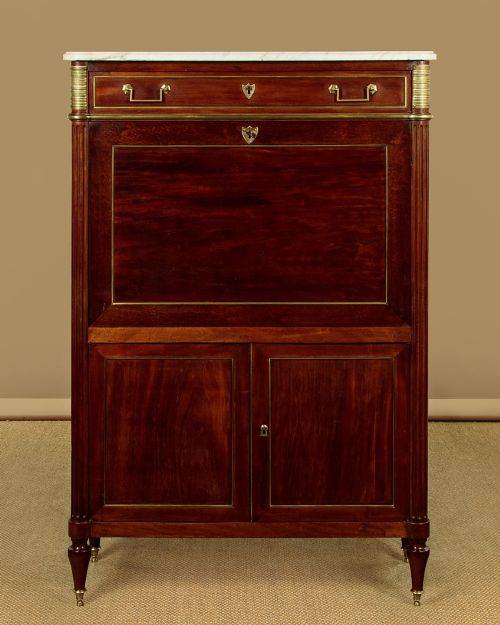
Cabinet makers utilised solid mahogany and flame mahogany veneer over wood carcasses, pairing the timber with brass mounts, marble tops, and glass panels. Silk panelled doors and gilt metal mounts appear across select pieces.
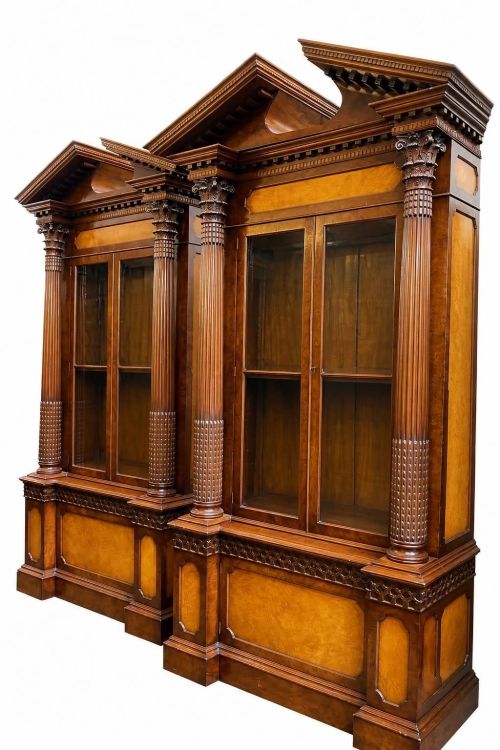
Joinery methods reflect the periods of manufacture, incorporating architectural columns, ebony line inlay, and bracket feet to support the weight of stone tops and tiered shelving.
Mahogany Column Cabinet Retail Price Guide 2026
Typical asking prices for mahogany column cabinet among the pieces listed under this phrase on Sellingantiques today, from the lower quarter to the upper quarter. They describe what is for sale here now, not the wider market.
Makers occasionally turned solid timber into remarkably narrow cylindrical pot cupboards to fit tight nineteenth-century bedside corners.
Distinctions in quality
Quality rests upon the choice of timber figure, such as flamed mahogany veneer, and the crispness of brass mounts or architectural column carvings. The integration of inset marble tops and silk door panels separates standard utility pieces from finer salon examples.
Proportion and structural balance define the upper tier of these items, where classical architectural forms meet precise cabinet work without heavy restoration.
The Mahogany Column Cabinet Glossary
- Mahogany
- A durable tropical hardwood known for its rich red-brown colour and stability in furniture construction. It accepts polish readily and provides the primary surface for veneer work.
- Veneer
- A thin layer of figured wood applied over a secondary timber base to display grain patterns like flame mahogany. This technique maximises decorative impact.
- Vitrine
- A glass-fronted display cabinet designed to showcase porcelain, books, or objects of vertu. These pieces often incorporate glazed sides for ambient light.
- Chiffonier
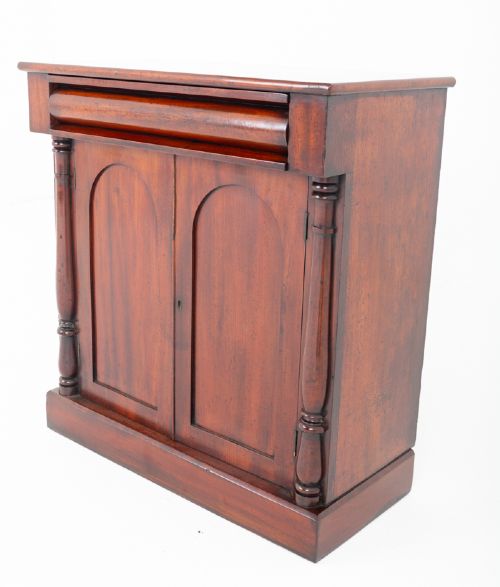
- A low sideboard or cabinet developed in the Regency and Victorian periods, typically featuring shelves or a panelled cupboard beneath.
- Pedestal
- A tall, freestanding column or support base used to elevate sculptures, lamps, or display cabinets within a room.
Mahogany Column Cabinet: Frequently Asked Questions
What periods do these cabinets come from?
The pieces originate across the Georgian, Regency, Victorian, and Edwardian eras, spanning from the early nineteenth century into the early twentieth century.
Makers adopted classical architectural styles such as French Empire, Directoire, and William IV during these decades.
How were these cabinets used historically?
They served multiple domestic functions as bedside nightstands, lamp stands, pot cupboards, and small display units for books or precious objects.
Architectural forms like columns and pedestals allowed smaller furniture pieces to display classical proportions in drawing rooms and bedchambers.
What materials are typical for these pieces?
Solid mahogany and flame mahogany veneer form the primary wooden structures, often complemented by brass mounts, gilt metal, and glass panels.
Many examples incorporate inset marble tops and silk panels behind glazed or open doors to vary the texture.
How do I identify Regency style features?
Regency pieces often display classical architectural motifs, clean lines, ebony line inlay, and cylindrical or column supports influenced by ancient Greek and Roman design.
Proportions remain balanced, with dark polished timber and minimal carving focusing attention on the grain and mounts.