

Mahogany and Satinwood
Mahogany and satinwood pieces combine deep red timber with bright golden contrasts, offering refined elegance for traditional and modern rooms alike.
Mahogany and Satinwood
When searching for mahogany and satinwood, buyers encounter furniture spanning the eighteenth, nineteenth and twentieth centuries, originating from Georgian, Regency, Victorian and Edwardian periods.
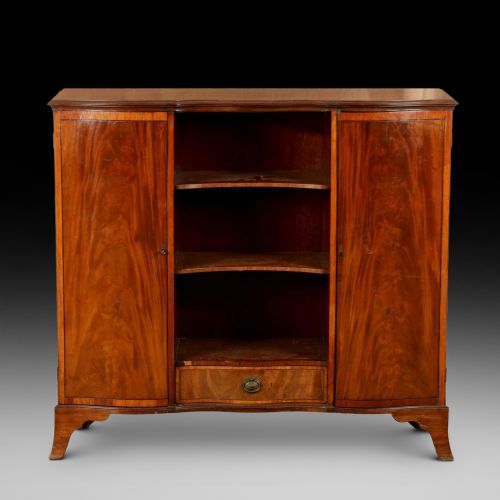
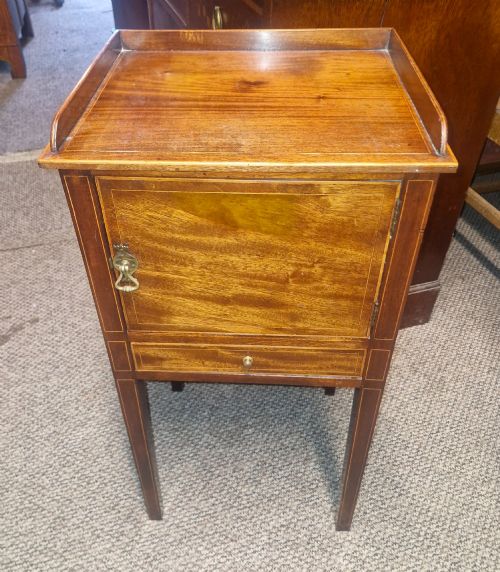
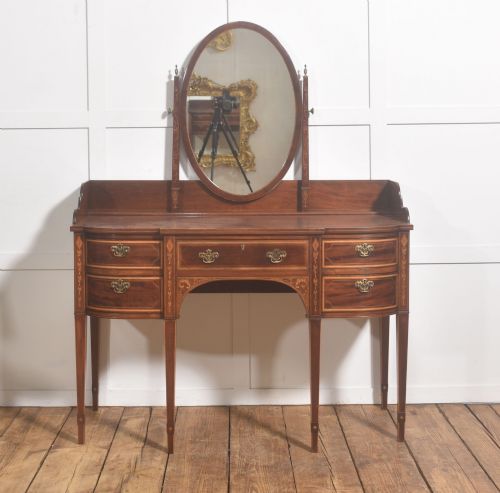
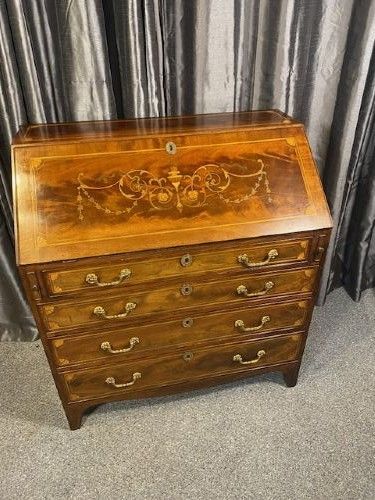
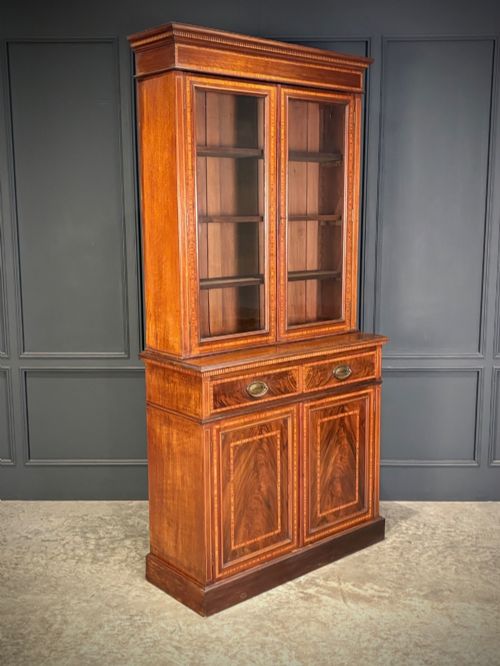
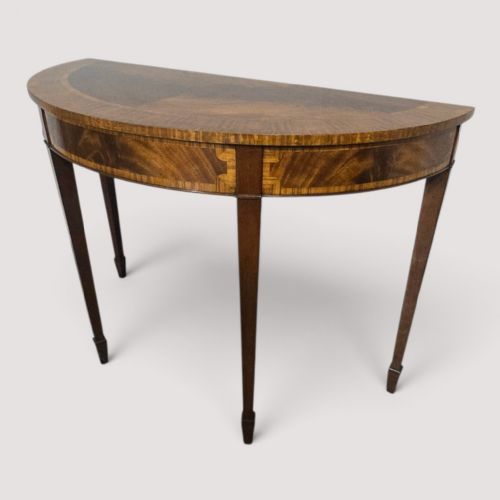
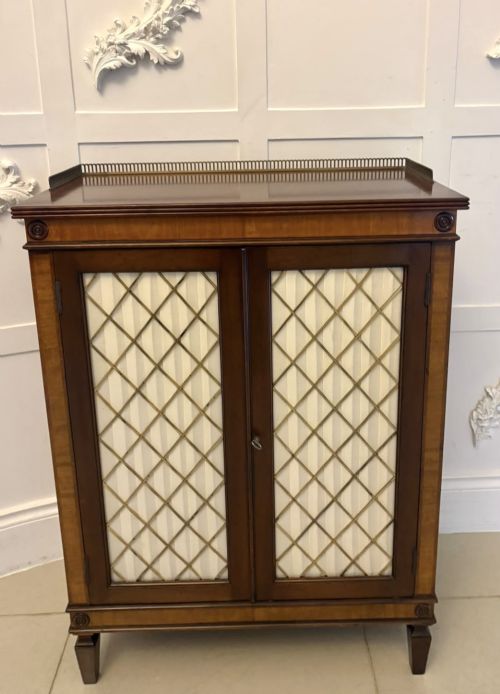
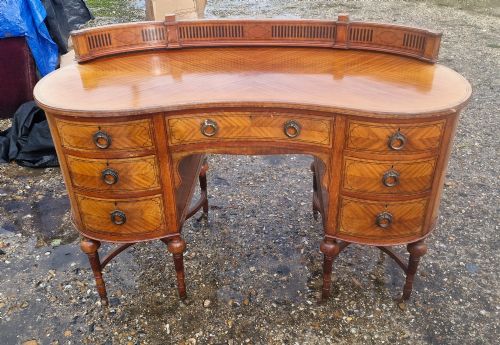
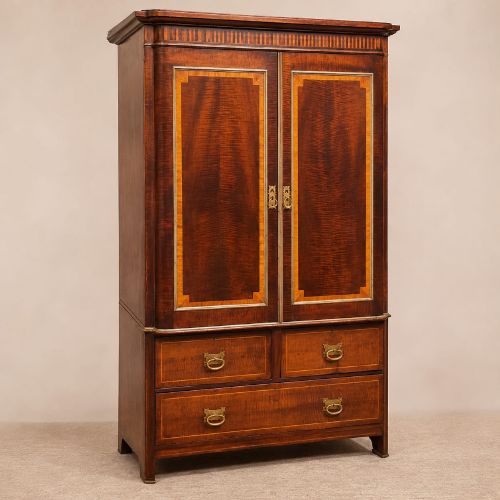
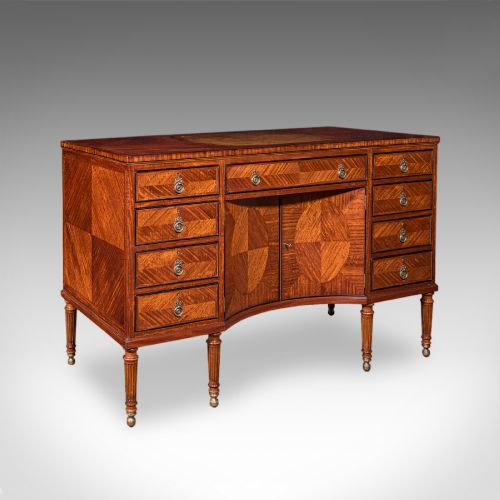
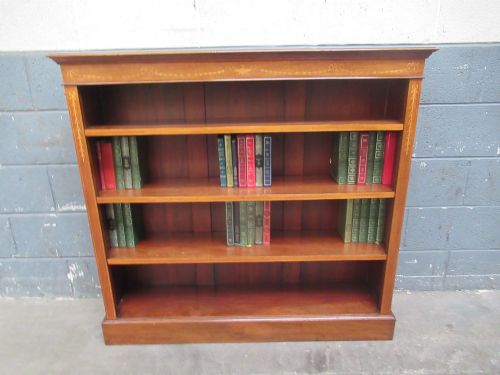
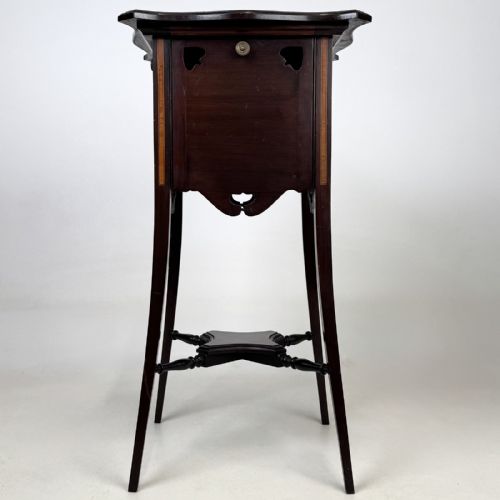
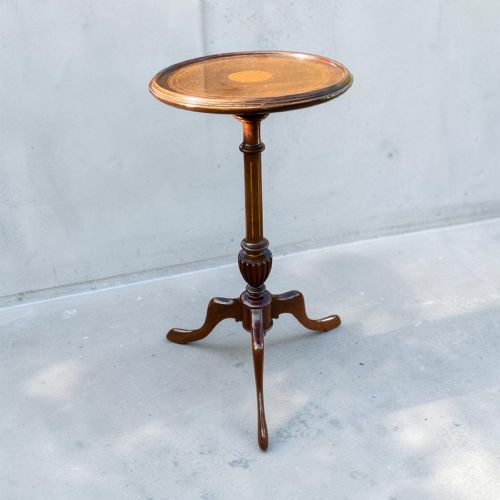
The selections on this page range from small occasional tables, bedside cabinets and card tables to large breakfront bookcases, writing desks and display cabinets.
Edwardian and Sheraton Revival pieces appear frequently alongside genuine eighteenth century and Regency items, showing durable popularity for contrasting timber inlays.
Construction and Materials
Cabinet makers utilised solid and veneered mahogany as a dark primary structure, applying pale satinwood for contrasting borders, panels and decorative bandings.
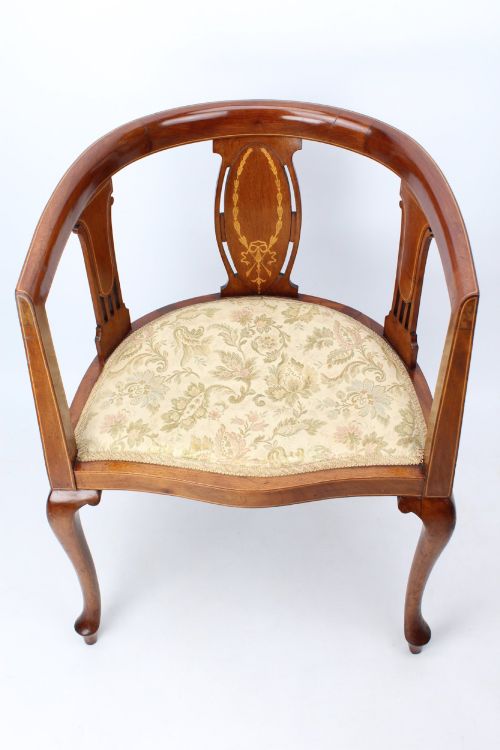
Inlay work often incorporates boxwood and ebony alongside satinwood to create geometric stringing, floral marquetry and classical motifs.
Additional hardware relies on cast brass for handles and fittings, while secondary elements employ glass in display cabinets and leather inserts on writing desks.
Mahogany and Satinwood Retail Price Guide 2026
Typical asking prices for mahogany and satinwood among the pieces listed under this phrase on Sellingantiques today, from the lower quarter to the upper quarter. They describe what is for sale here now, not the wider market.
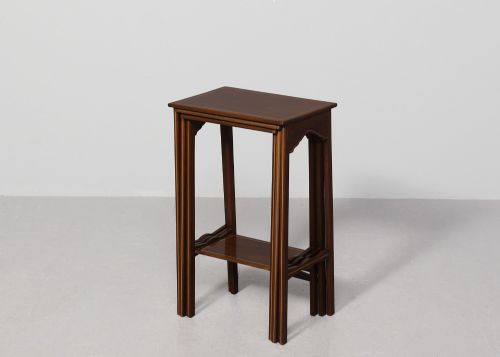
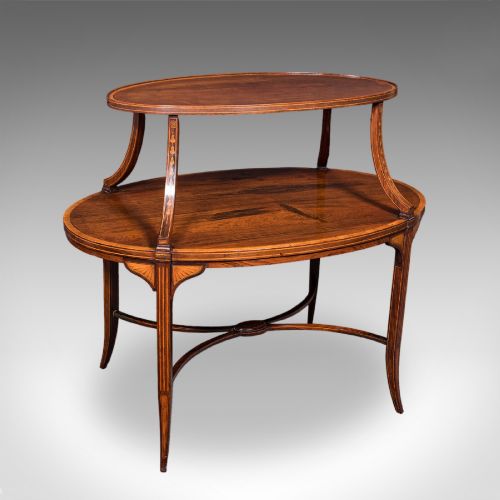
A nest of four quartetto tables lets you scatter miniature tea stations across the room, then stack them back into the footprint of one.
Factors of Quality
The standard of a piece depends heavily on the selection of timber, with highly figured flame mahogany and richly grained satinwood marking superior examples.
Precision in the marquetry and stringing separates routine production from master craftsmanship, visible in the tightness of joints where contrasting timbers meet.
Proportion and scale dictate distinction, as smaller items like quartetto nest tables or bow front chests require exacting geometry to succeed.
Flashman and Co·Ralph Turnbull·Waring and Gillow·Edwards and Roberts·Maple and Co
The Mahogany and Satinwood Glossary
- Crossbanding
- A border strip of veneer laid with the grain running perpendicular to the edge of the piece. This technique frames table tops and drawer fronts in contrasting timber.
- Marquetry
- Decorative patterns formed by fitting together thin pieces of wood veneer. Artisans use satinwood, boxwood and other timbers to create floral or architectural pictures.
- Secretaire
- A cabinet or desk featuring a fitted writing drawer that drops down to reveal pigeonholes and small drawers. It combines the storage of a chest with the utility of a desk.
- Satinwood
- A lustrous, hard timber native to Ceylon and the West Indies, valued for its golden yellow colour. It provides a bright contrast against darker mahogany.
- Stringing
- Narrow inlay lines of contrasting wood set into channels in the primary timber. This linear detail defines the edges of panels and table borders.
Mahogany and Satinwood: Frequently Asked Questions
How do I care for satinwood inlay?
Keep mahogany and satinwood furniture away from direct sunlight and heat sources to prevent the pale satinwood from darkening and the timber from splitting. Dust regularly with a soft, dry cloth and apply occasional high quality wax to nourish the grain.
Avoid using silicone sprays or household polishes which build up residue over time. Maintaining a stable room humidity preserves both the solid wood structures and the delicate inlaid stringing.
How do I distinguish Edwardian Sheraton Revival from original 18th century pieces?
Edwardian Sheraton Revival pieces, dating around nineteen hundred, often employ machine sawn veneers, secondary pine or whitewood carcases, and standardised brass hardware. Original eighteenth century items reveal hand cut dovetails, native oak or mahogany drawer linings, and tool marks unique to manual construction.
Examining the underside and drawer interiors usually confirms the manufacturing period. Secondary timbers and construction methods differ noticeably between Georgian workshops and Edwardian factories.
Where should I place a display cabinet?
Display cabinets and vitrines suit dining rooms, drawing rooms, or studies where they protect collections behind glass doors while keeping items visible. Positioning them away from direct window light protects fragile contents and sensitive timber surfaces from fading.
Interior lighting can be added carefully to highlight glass or porcelain collections. Ensure the floor is level so the glazed doors hang true and open smoothly.