

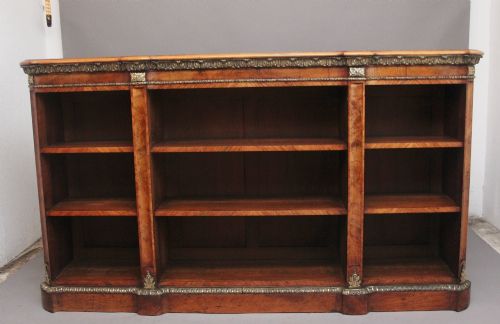
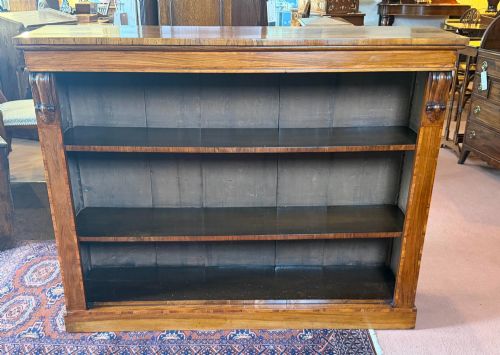
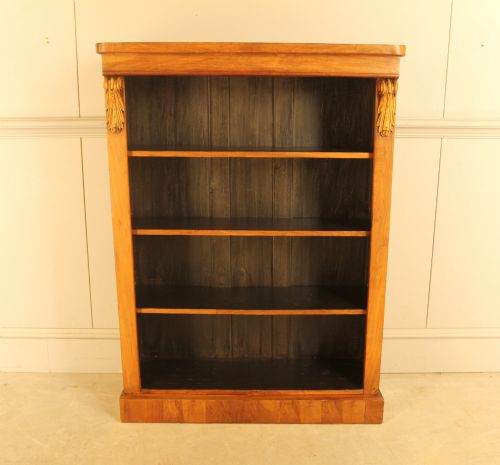
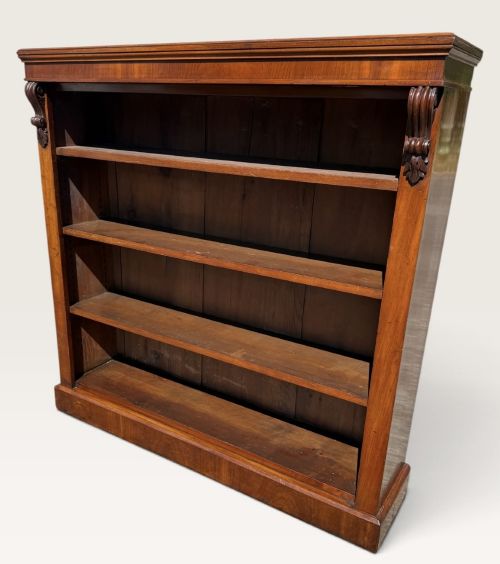


Low Walnut Bookshelves
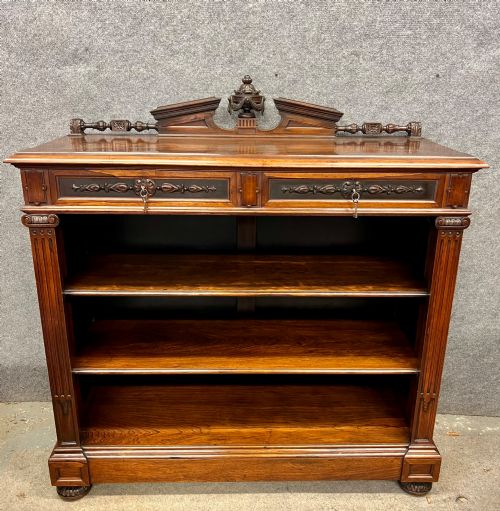
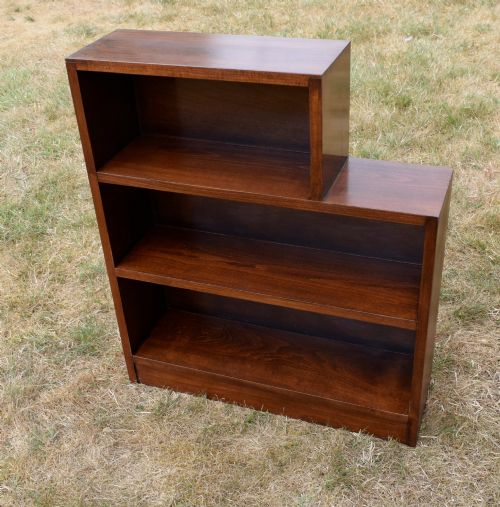
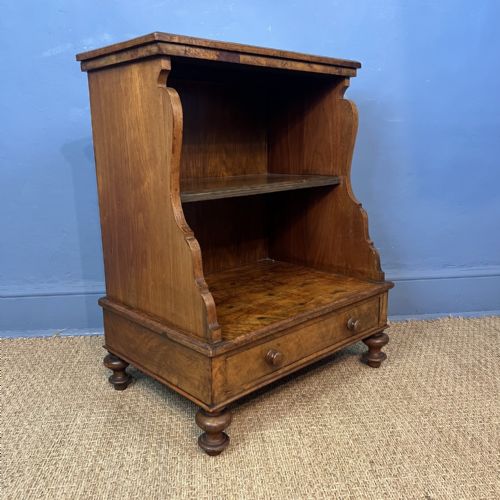
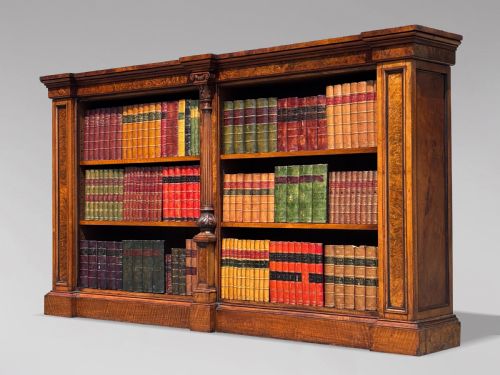
Low walnut bookshelves offer open, accessible tiering for a room, bringing rich grain and timber warmth to your walls.
Low Walnut Bookshelves
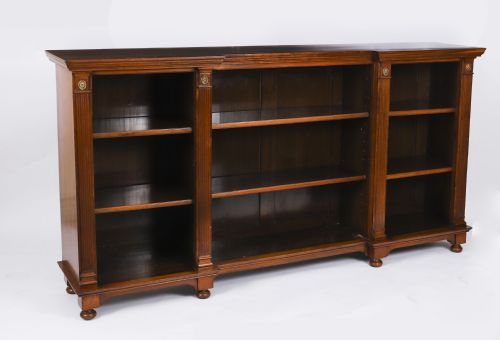
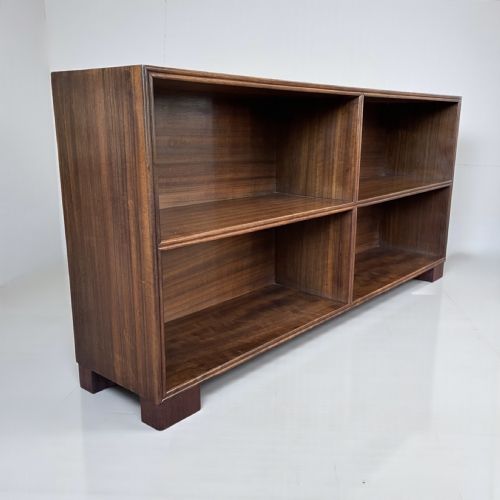
Low walnut bookshelves provide practical tiering for volumes while maintaining a modest height that keeps sightlines open across a room. These pieces range from Victorian open bookcases to later Art Deco designs, functioning as versatile library furniture.
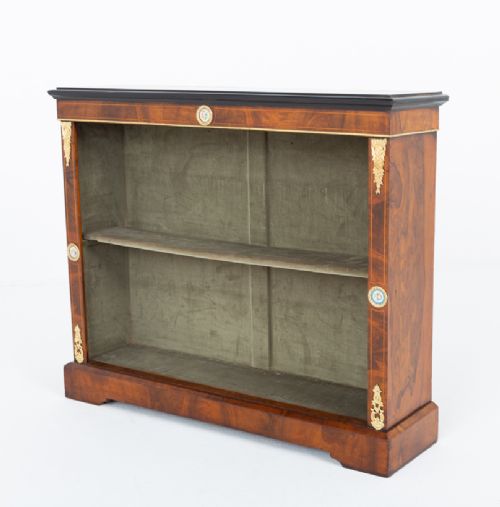
The selections span distinct periods, including the Victorian era, Edwardian period, and 1930s. You will encounter open formats, adjustable shelves, breakfront configurations, and glazed doors, often resting on plinth bases or bracket feet.
How they were made
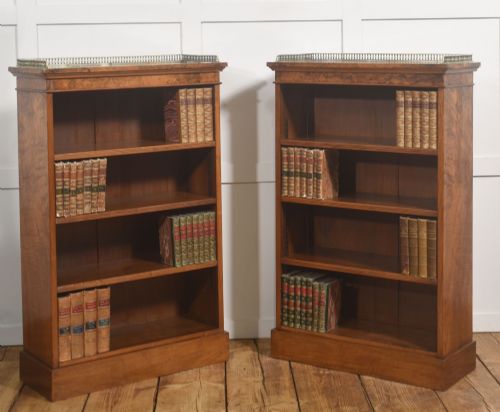
Cabinet makers utilised solid walnut and decorative walnut veneer over secondary timbers like pine, applying Figured grain patterns to prominent exterior surfaces. Brass hardware, including galleries and shelf supports, provides functional contrast to the dark timber.
Ormolu mounts and ebonised details appear on select pieces, demanding precise metalworking and joinery skills. Adjustable shelving mechanisms rely on timber ratchets or brass tracks set into the interior uprights.
Low Walnut Bookshelves Retail Price Guide 2026
Typical asking prices for low walnut bookshelves among the pieces listed under this phrase on Sellingantiques today, from the lower quarter to the upper quarter. They describe what is for sale here now, not the wider market.
Current listings feature walnut timber, burr walnut, and ormolu mounts across Victorian and 1930s forms.
What varies in quality
The selection of timber grain largely dictates the visual merit of each piece, with matched burr walnut veneers requiring exceptional skill to align across a breakfront facade. The subtlety of cross-banding and inlay work further distinguishes standard production from finer workshops.
Construction methods also separate the output, seen in the choice of solid timber framing versus secondary veneers, and the execution of structural elements like brass galleries and adjustable shelf mechanisms.
Johnstone and Jeanes·Maurice Adams
The Low Walnut Bookshelves Glossary
- Burr walnut
- A veneer sliced from the gnarled growths of a walnut tree, producing swirling, highly decorative grain patterns. This material was favoured by cabinet makers for grander Victorian and Edwardian furniture facades.
- Ormolu
- Gilded bronze ornamentation applied to furniture, frequently seen on 19th-century decorative pieces. It adds a metallic lustre that complements dark timber.
- Breakfront
- A cabinet design where the central section projects forward from the flanking wings. This architectural arrangement creates depth and shadow on larger bookcases.
- Brass gallery
- A low metal railing fitted to the top surface of a low bookcase or cabinet. It prevents displayed items from sliding off the edge.
- Adjustable shelves
- Shelving supported by movable brackets or pegs, allowing the internal tier heights to change. This feature accommodates books of varying sizes.
Low Walnut Bookshelves: Frequently Asked Questions
What periods do low walnut bookshelves cover?
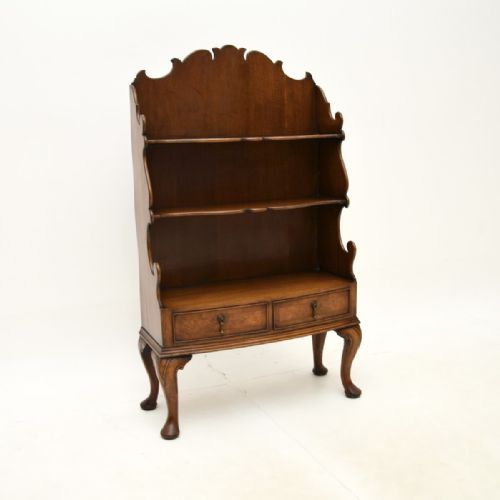
These bookshelves span the 19th century through the Victorian and Edwardian eras, extending into 1930s Art Deco designs. The styles range from traditional Queen Anne revivals to clean modernist lines.
Cabinet makers adapted walnut timber across these decades, shifting from heavily carved Victorian forms to streamlined interwar proportions.
Are the shelves usually adjustable?
Many examples feature adjustable shelving supported by timber ratchets or internal tracks. This allows you to alter the tier heights for different volumes.
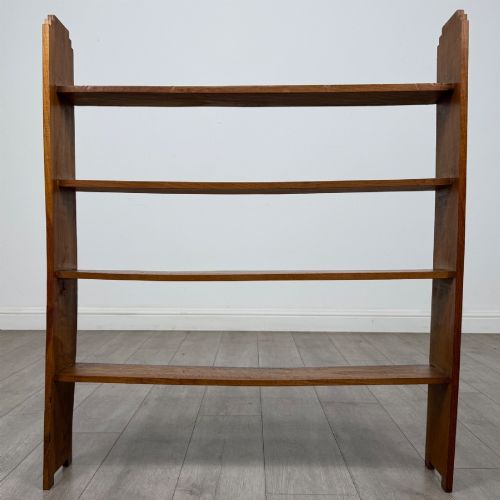
Fixed shelves also appear, particularly in simpler Victorian open bookcases built for specific domestic libraries.
How do I style a low bookcase?
The low profile leaves the wall space above unobstructed for art or mirrors, while the top surface accommodates lamps or decorative objects. Their height makes them suitable for placing beneath windows.
Arranging books vertically and horizontally breaks up the visual weight of the timber and the rows of spines.
What is burr walnut veneer?
Burr walnut is a decorative wood veneer cut from tree growths, producing dense, swirling patterns. Cabinet makers applied these thin sheets to the primary surfaces of bookcases.
This technique creates striking visual movement across the front panels compared to straight-grained walnut timber.