
Low Oak Storage Cabinet
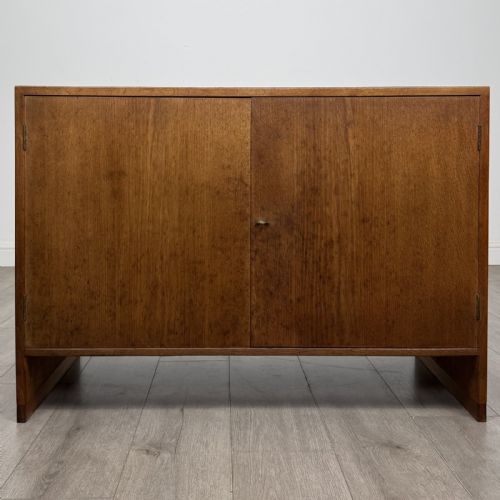
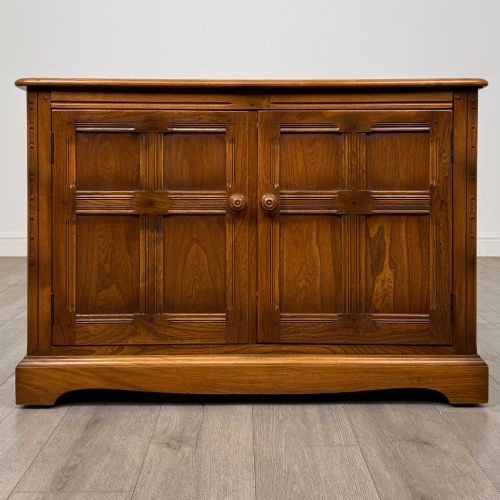
A low oak storage cabinet provides practical utility and grounded presence, uniting dense timber with enduring design.
Low Oak Storage Cabinet
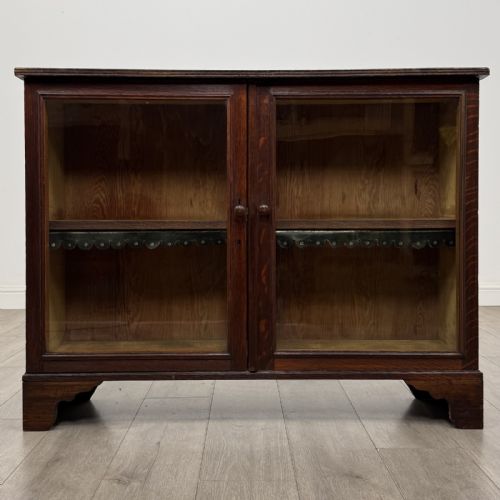
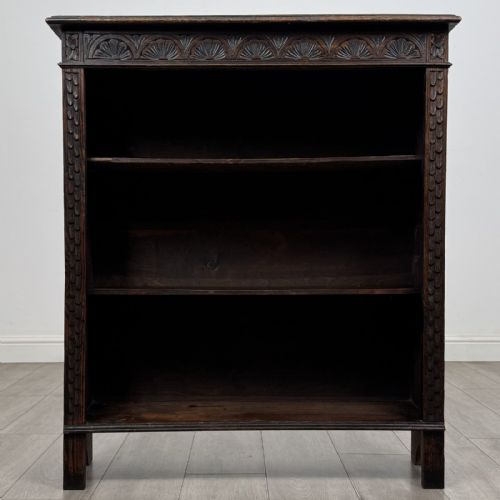
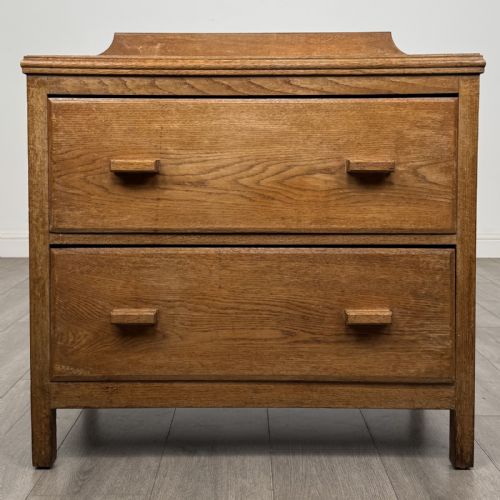
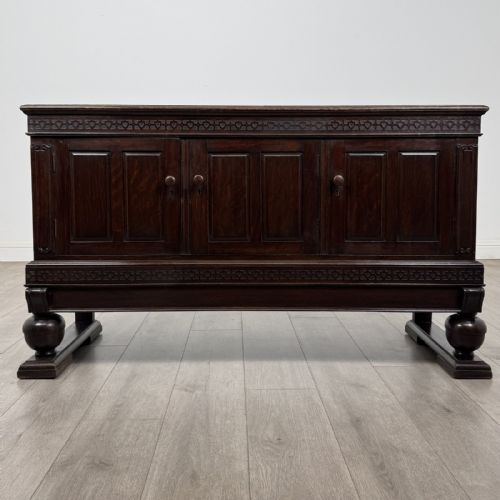
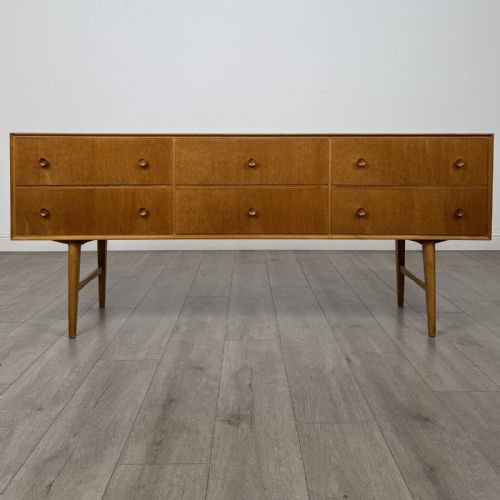
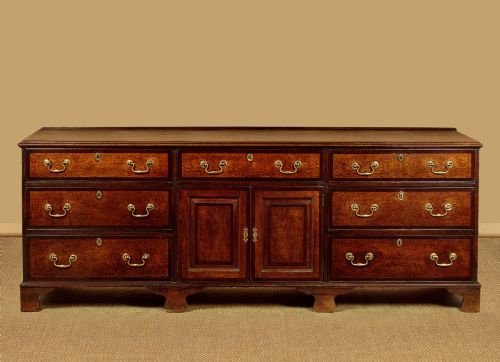
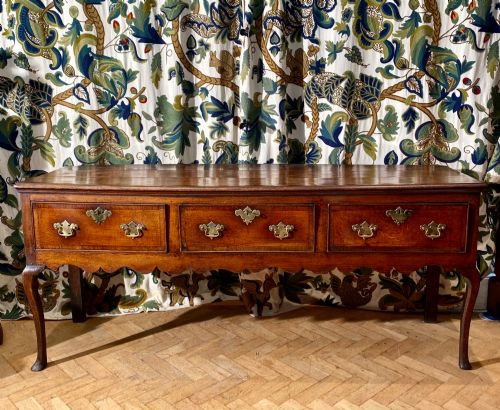
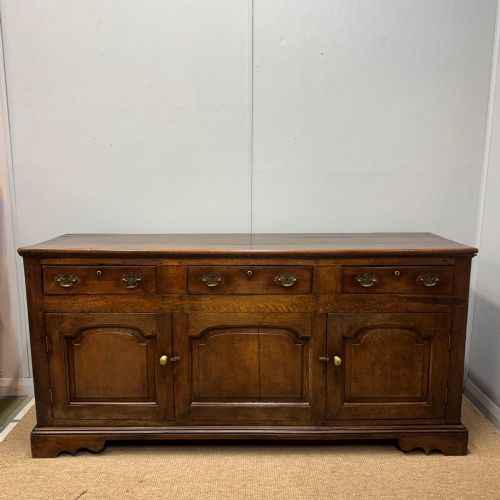
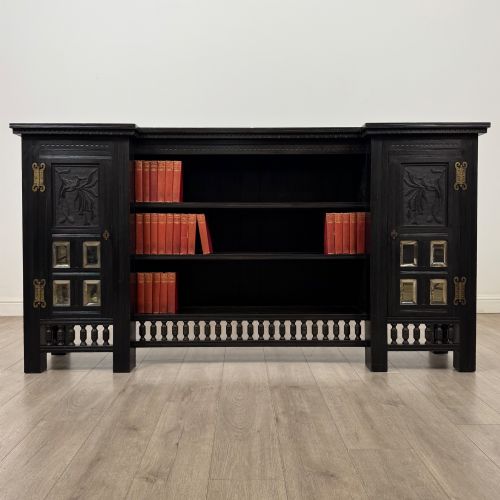
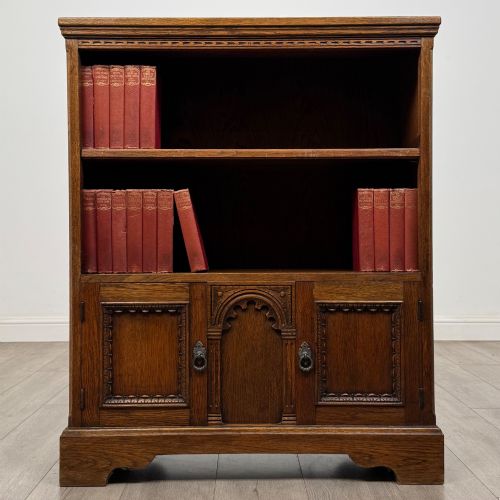
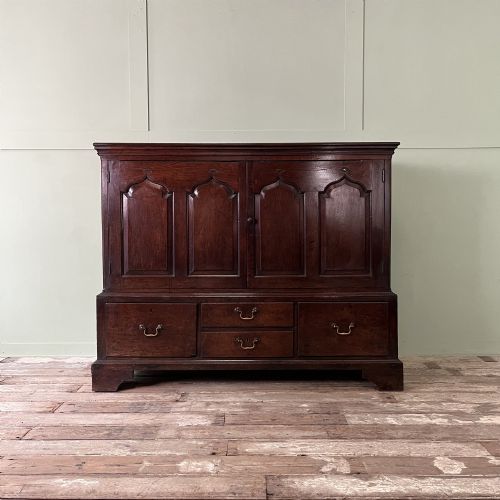
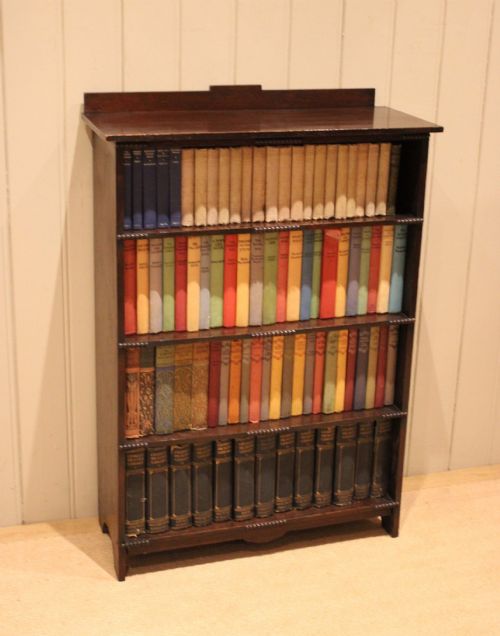
A low oak storage cabinet encompasses robust forms such as dresser bases, sideboards, cupboards, and low bookcases spanning from the eighteenth century through the early twentieth century.
The pieces appearing most frequently range from Georgian and eighteenth-century dresser bases to Edwardian and 1920s cupboards, alongside Victorian bookcases and sideboards.
Originating across English, French, and Danish traditions, these items provide surface display and concealed interior storage while maintaining a low profile within a room.
How they were made
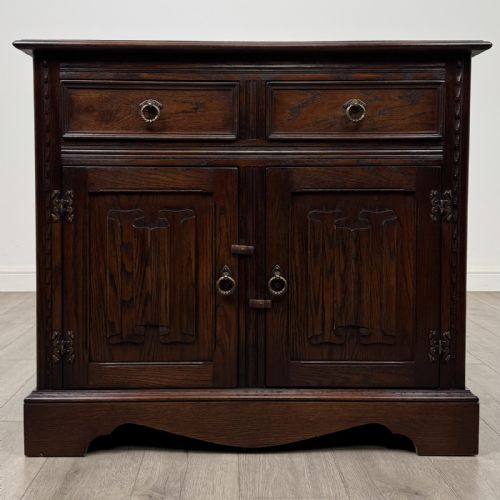
Construction relies heavily on solid oak and wood veneers, supported by structural elements in pine and framed with panelled or linenfold doors.
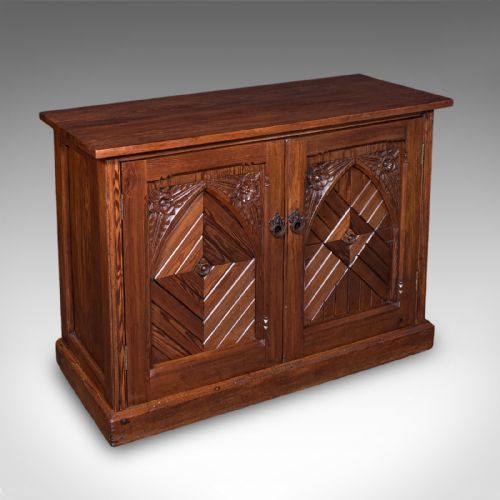
Metalwork details incorporate brass handles and iron fittings, while specific examples feature ebonised wood highlights or burr elm marquetry to accent the primary timber.
Design styles represented include Arts and Crafts, Gothic Revival, Tudor Revival, and Mid-Century Modern interpretations.
What varies in quality
Variations in quality stem from the depth of hand-carved detailing, such as elaborate Green Man motifs or crisp linenfold panels, versus plain utilitarian surfaces.
The choice between solid oak construction and veneer application, alongside the integration of raised galleries, tambour doors, and adjustable shelving, distinguishes standard utility pieces from finer architectural examples.
The Low Oak Storage Cabinet Glossary
- Dresser base
- A low utilitarian table or cabinet featuring drawers and sometimes lower cupboards, traditionally used in kitchens and dining rooms for food preparation and storage.
- Linenfold
- A style of carved wooden panelling that resembles folded vertical lengths of cloth, popular in Tudor and revival periods.
- Tambour door
- A flexible sliding door constructed from narrow vertical strips of wood glued to a canvas or leather backing, allowing smooth movement around curved cabinet corners.
- Raised gallery
- A low decorative railing or tiered upstand attached to the top rear or sides of a cabinet or chest to prevent items from sliding off.
- Enfilade
- A suite of rooms aligned with each other, or a long low sideboard with multiple doors designed for formal serving.
Low Oak Storage Cabinet: Frequently Asked Questions
What rooms suit a low oak storage cabinet?
These cabinets suit dining rooms, hallways, and living spaces where low profiles maintain open sightlines while offering practical concealed storage.
Their grounded proportions allow them to function as sideboards, serving stations, or low bookcase combinations against living room walls.
How do I distinguish eighteenth century from 1920s pieces?
Eighteenth-century examples display hand-cut joinery, pegged framing, and deeper patination acquired through centuries of wax and use. Later pieces from the 1920s often utilise machine-sawn elements, lighter oak finishes, and simpler hardware.
Construction methods inside drawers and behind backboards provide the clearest indication of period origin.
What is a dresser base?
A dresser base is a long, low table-like cabinet featuring a row of drawers above cupboards or open shelves, historically used for storing household provisions.
Unlike tall dressers with plate racks attached above, the low base version provides a flat top surface suitable for serving or display.
How do I care for oak furniture?
Oak benefits from occasional applications of natural beeswax to nourish the timber and maintain a soft protective lustre against everyday handling.
Keep these cabinets away from direct heat sources and sudden humidity shifts to prevent timber movement and splitting.