



Loetz Art Glass Vase
A loetz art glass vase brings organic form and shimmering iridescence into a room, capturing the experimental spirit of the early twentieth century.
Loetz Art Glass Vase
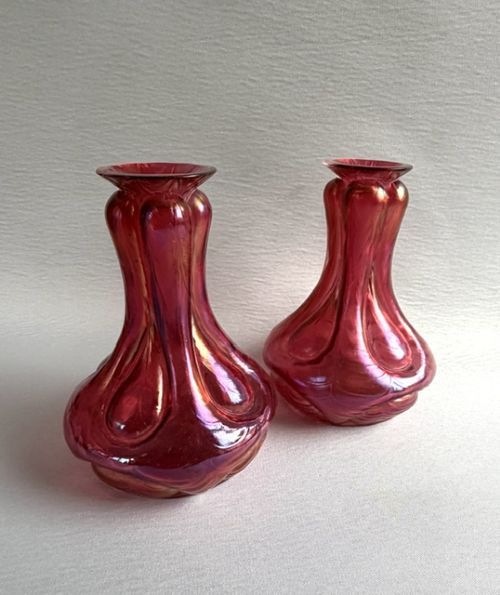
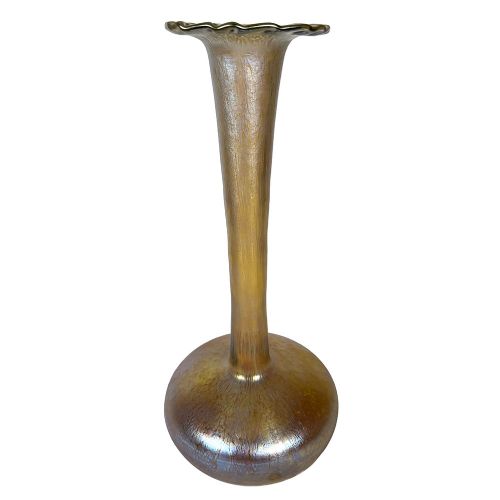
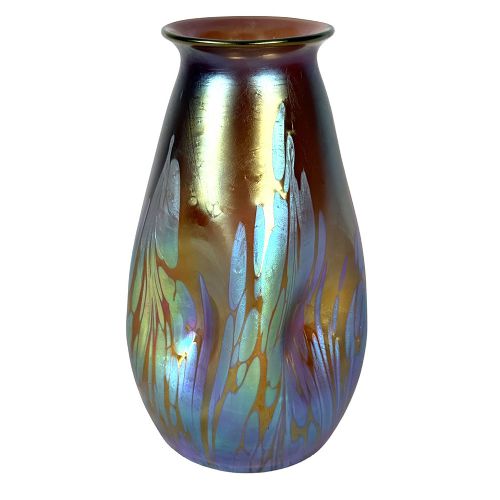
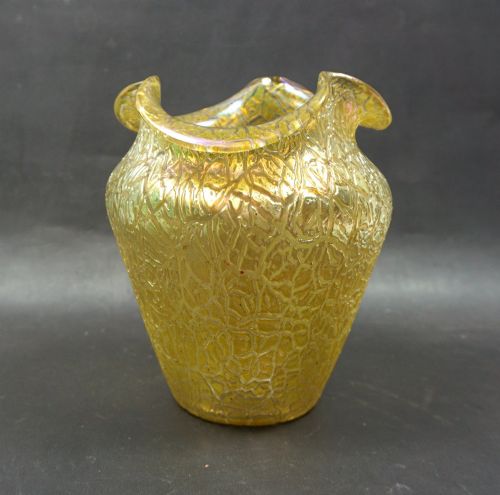
When you search for a loetz art glass vase, you enter the distinctive world of Austrian glassmaking from the late nineteenth and early twentieth centuries. These vessels embody the flowing, natural lines of the Art Nouveau and Vienna Secession movements, often shaped as sweeping cylinders, flared trumpets, or bulbous bodies.
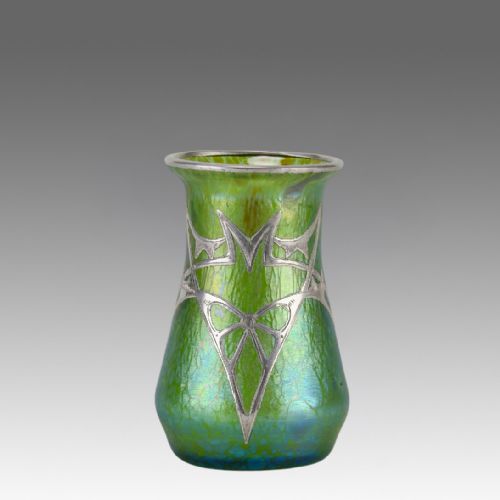
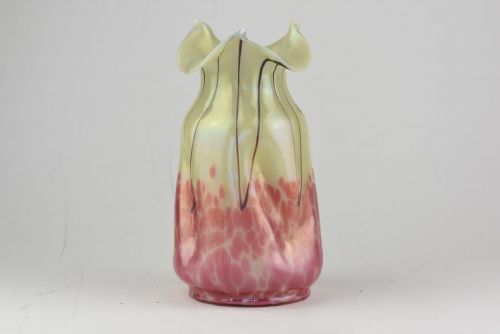
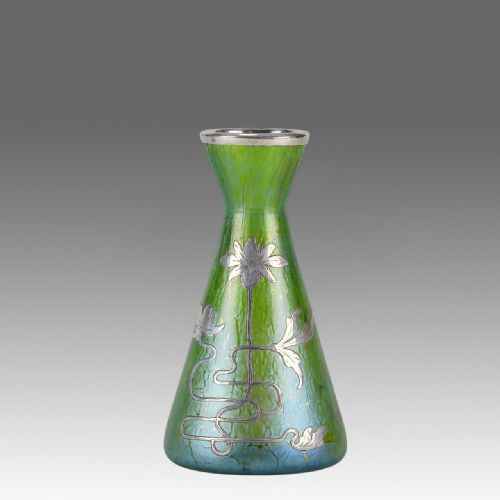
You will most commonly encounter pieces dating from around 1900, created during the height of the factory's technical innovation. The selection on this page ranges from vibrant iridescent green examples to striking white opal glass with applied blue stripes, capturing the diverse aesthetic output of the Bohemian workshops.
Materials and technique
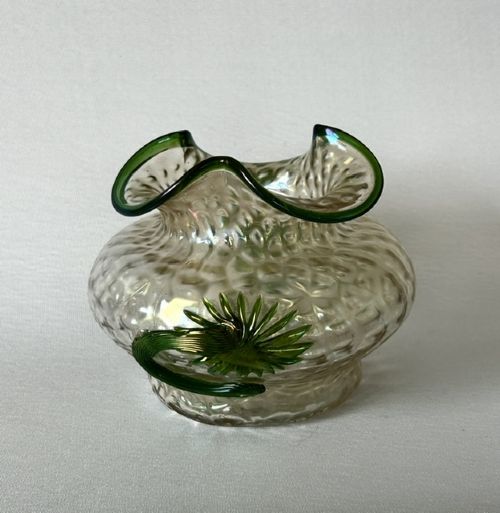
The makers relied primarily on blown glass and hand-blown glass, manipulating molten material to achieve fluid, organic shapes. Iridescent glass surfaces were created by exposing hot glass to metallic vapour, producing shifting pools of colour that mimic natural oil slicks or beetle wings.
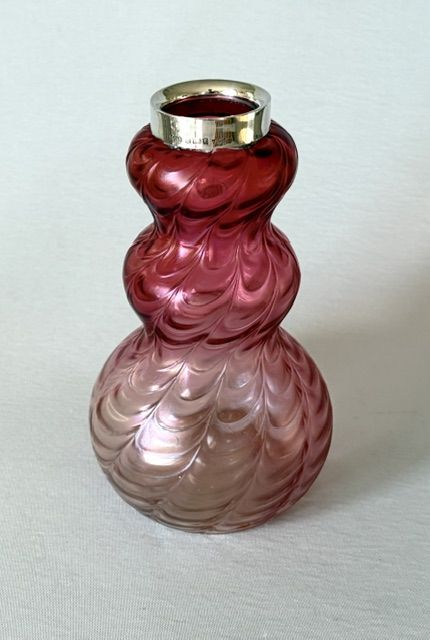
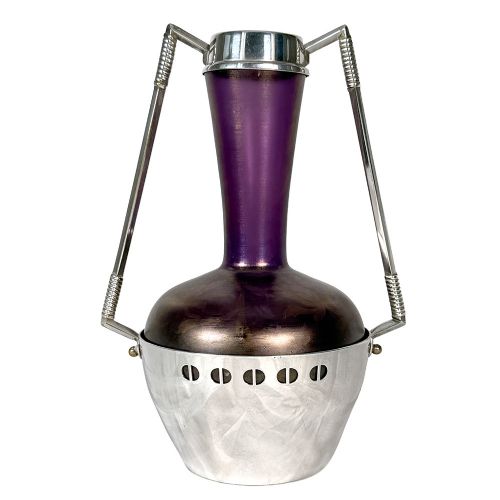
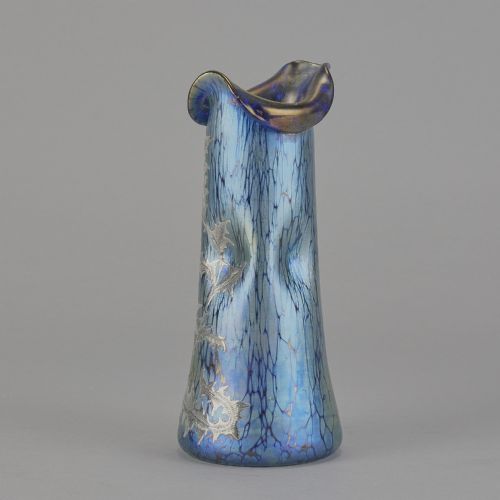
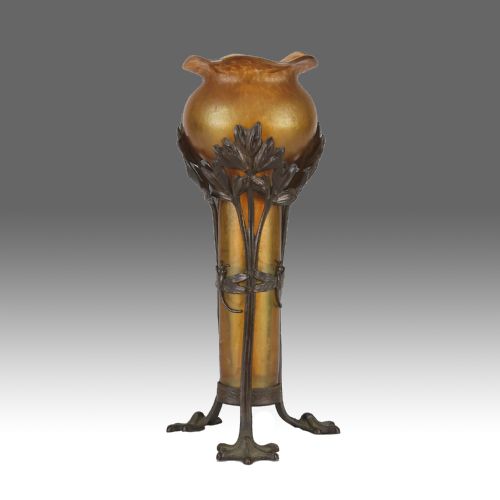
Many of the finest vessels integrate metalwork directly into the design. Sterling silver, silver plate, pewter stands, and bronze mounts wrap around the glass bodies, combining the artisanal traditions of metal smithing with avant-garde glass production.
Loetz Art Glass Vase Retail Price Guide 2026
Typical asking prices for loetz art glass vase among the pieces listed under this phrase on Sellingantiques today, from the lower quarter to the upper quarter. They describe what is for sale here now, not the wider market.
Listings feature pieces from nineteen hundred and nineteen ten, spanning Art Nouveau and Vienna Secession styles.
Assessing quality and execution
Quality rests upon the complexity of the decor and the mastery of the iridescence. Decors such as the Phänomen or detailed papillon finishes require superior skill at the furnace, resulting in deep, multidimensional optical effects rather than flat sheen.
The integration of metal mounts further distinguishes the work. When a workshop pairs a vessel with a bespoke silver plate mount or a heavy bronze stand, the resulting piece demonstrates a higher level of collaboration and artistic ambition.
Johann Loetz Witwe·Kralik·Pallme Konig·Argentor
The Loetz Art Glass Vase Glossary
- Papillon
- An iridescent glass decor featuring small, shimmering spots that resemble butterfly wings. This finish creates a distinct mottled effect across the surface of the vessel.
- Phänomen
- A complex technique involving combed threads of glass pulled into wave-like patterns while hot. It represents some of the most technically demanding work produced by the factory.
- Secessionist
- A stylistic term relating to the Vienna Secession movement of artists and designers who broke away from traditional academic art. These pieces favour geometric restraint alongside organic curves.
- Jugendstil
- The continental European counterpart to Art Nouveau, named after the German arts magazine Jugend. It prioritises dynamic, plant-like lines and stylised natural motifs.
Loetz Art Glass Vase: Frequently Asked Questions
How do I identify an authentic piece?
Authentation relies on recognising the specific decors, glass weights, and characteristic pontil marks left at the base after blowing. Many pieces also feature metal mounts from collaborating workshops that corroborate the period.
Familiarity with the distinct colour palettes and surface treatments helps separate genuine Bohemian work from later reproductions or imitations.
How were metal mounts used?
Metal mounts served both decorative and structural purposes, framing the glass in pewter, bronze, or silver plate. Workshops often collaborated to create unified compositions that reflected contemporary Secessionist tastes.
These additions elevate the sculptural presence of the vessel by contrasting polished metal with shimmering glass.
Where were these pieces made?
These works originated primarily in Bohemia, a region renowned for its rich glassmaking heritage and skilled artisans. Major factories operated within an environment of intense artistic experimentation around nineteen hundred.
This localized cluster of talent drove the development of groundbreaking techniques that influenced international design.