
Library Display Shelving
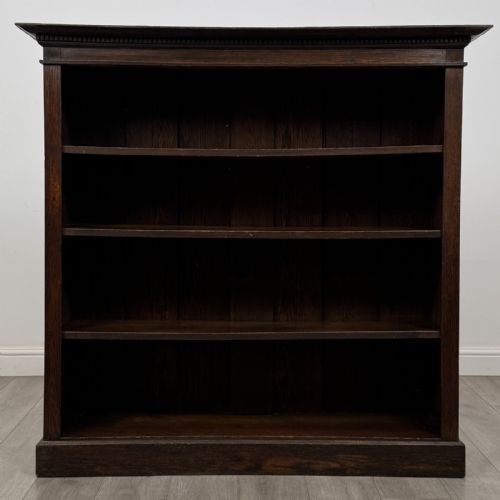
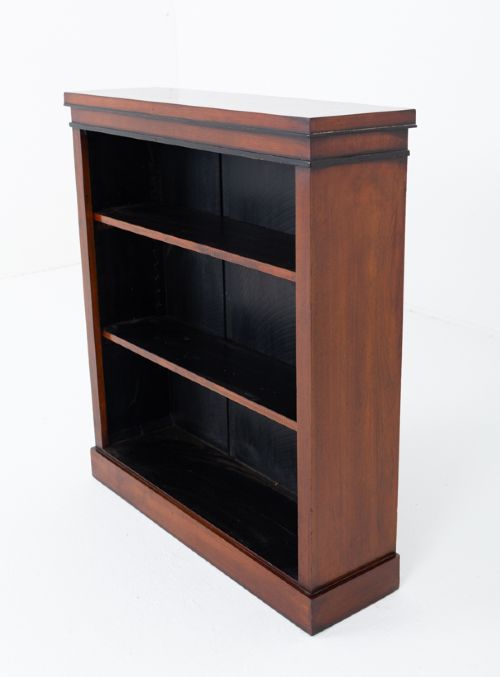
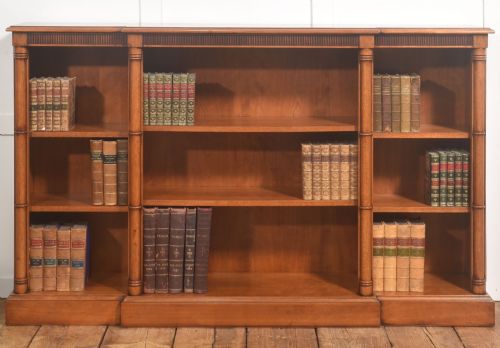
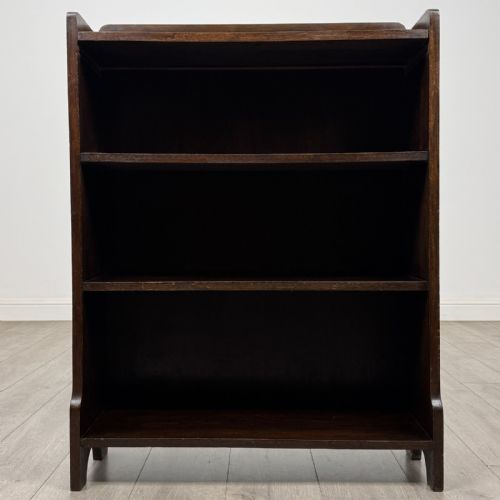
Library display shelving brings order to rooms, presenting books and collections openly on mahogany, oak, and walnut tiers.
Library Display Shelving
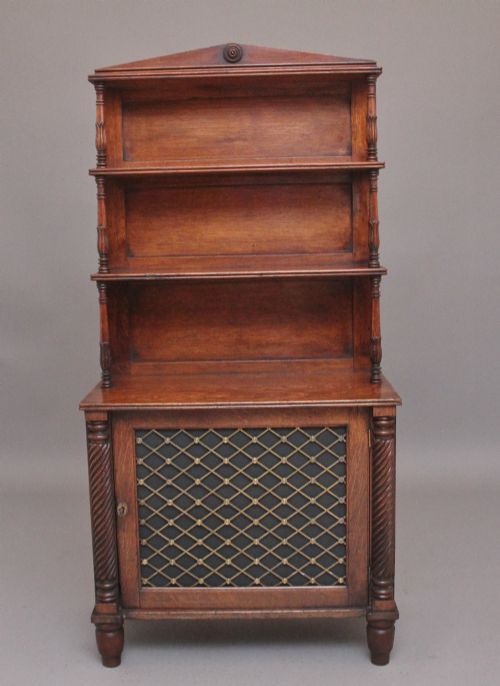
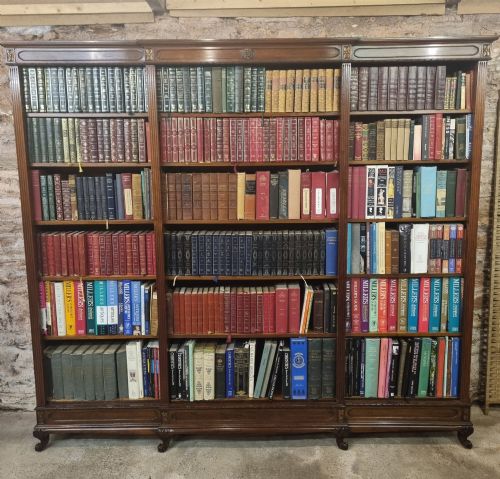
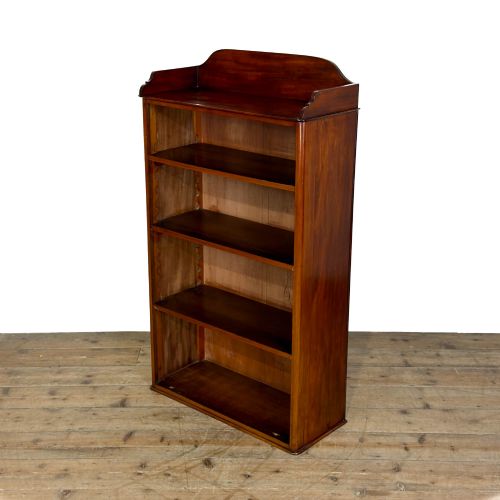
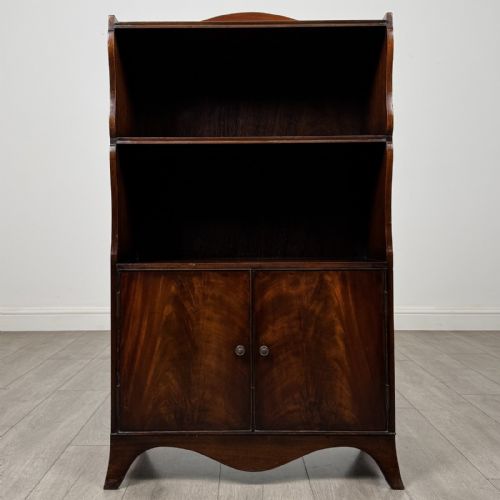
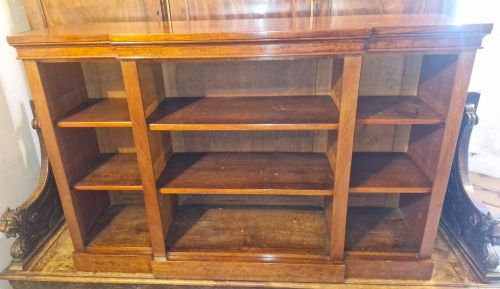
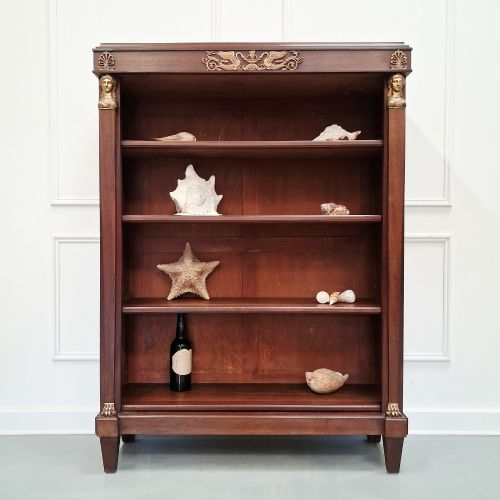
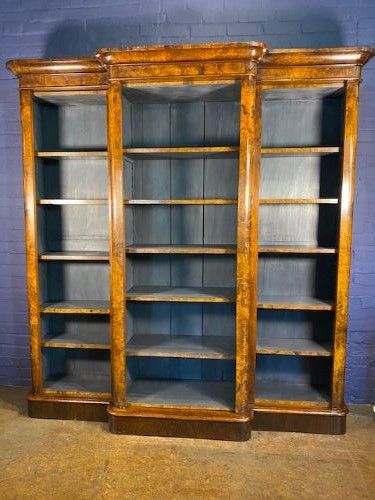
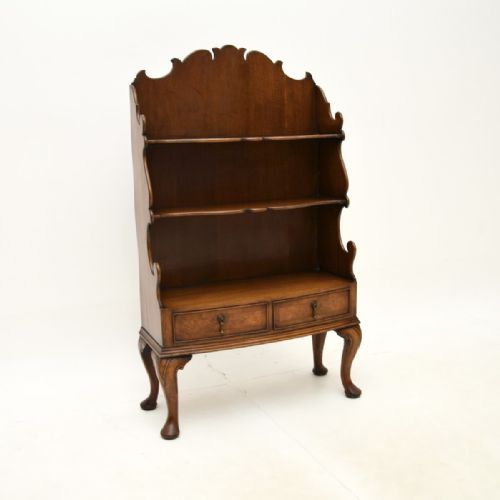
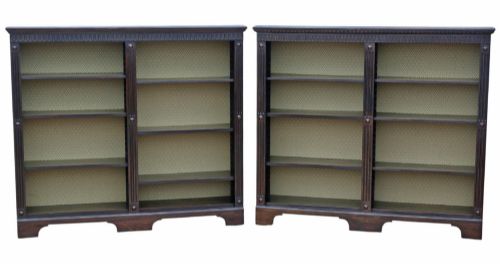
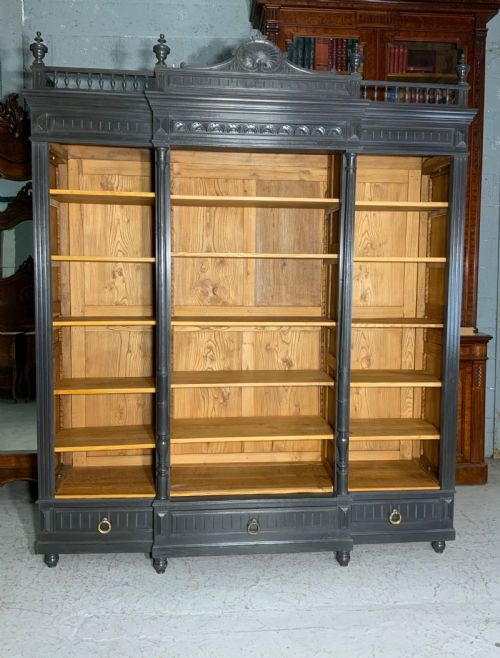
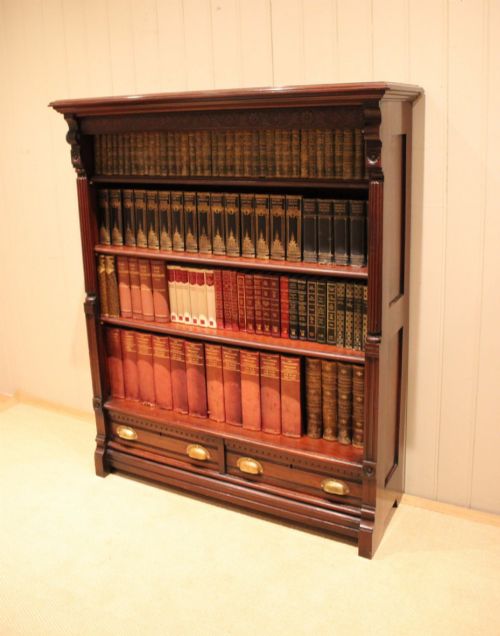
Library display shelving comprises open bookcases, breakfront cabinets, cascading tiers, and what-nots designed to present books and objects clearly.
Most examples found here date from the Victorian and Edwardian periods, constructed primarily in mahogany, oak, and walnut.
Pieces frequently feature adjustable shelves and raised galleries, originating from the nineteenth and early twentieth centuries.
Materials and Construction
Cabinet makers utilised dense hardwoods such as mahogany, oak, and burr walnut, often highlighting natural timber grains through polishing.
Functional elements like brass fittings and adjustable shelving mechanisms allowed users to alter tier heights for varied book sizes.
Decorative touches included carved edges and raised galleries, finished with paint or fabric details where appropriate.
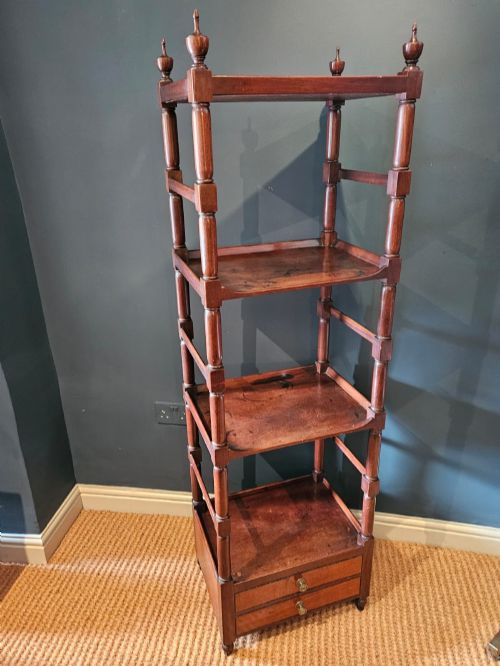
Early what-nots served to display everything from fine china to stray knitting.
Assessing Quality
Superior pieces display careful timber selection, particularly in burr walnut veneers and figured mahogany grain matching.
The refinement of joinery and the smooth operation of adjustable shelving tracks distinguish master workshops from standard production.
Subtle carving depth and proportion balance separate exceptional architectural forms from simpler utilitarian shelving.
Bowman Brothers, London·Gillows
The Library Display Shelving Glossary
- Breakfront
- A cabinet design where the central section projects forward from the flanking wings. This layout creates depth and architectural presence in larger rooms.
- What-Not
- An open piece of furniture featuring multiple tiers for displaying small objects. These stands were popular during the Regency and Victorian eras.
- Raised Gallery
- A low decorative railing along the top edge of a bookcase or shelf. It prevents items from sliding off the back or sides.
- Adjustable Shelves
- Shelving supported by movable pins or racks, allowing custom heights between tiers. This feature accommodates books of varying sizes.
Library Display Shelving: Frequently Asked Questions
How do I adjust the shelves?
Most period examples use side pilasters fitted with wooden ratchets or metal strips to hold shelf supports. You simply lift the shelf, reposition the brass or wooden pegs into new slots, and lower the board back into place.
Take care when moving older timber shelves to avoid catching the polished edges against the interior lining walls.
Are these pieces suitable for modern books?
Open bookcases from the Victorian and Edwardian eras generally offer adequate depth for standard hardbacks and modern volumes. Adjustable tiers let you create taller gaps for art monographs or reference books.
Measure your largest volumes before purchasing to ensure the internal depth and height match your collection.
How do I care for mahogany and walnut finishes?
Maintain timber surfaces by dusting regularly with a dry, soft cloth and applying a traditional beeswax polish sparingly twice a year. Avoid placing wooden furniture near direct heat sources or strong sunlight to prevent timber shrinkage and fading.
Keep the room humidity stable to protect decorative veneers from lifting over time.