




Library Desk Accessory
A library desk accessory gathers the working tools of a serious reader, bringing order and polish to a study.
Library Desk Accessory
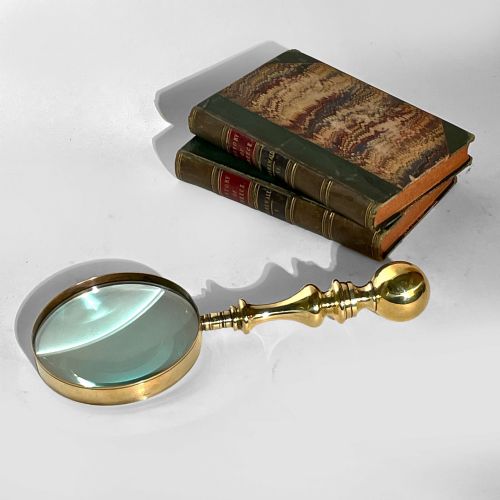
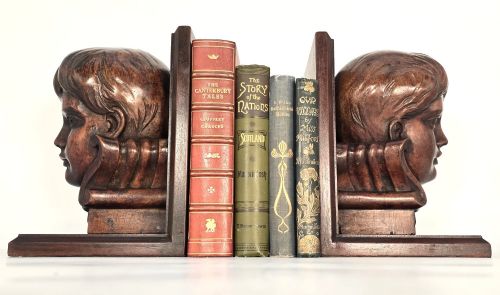
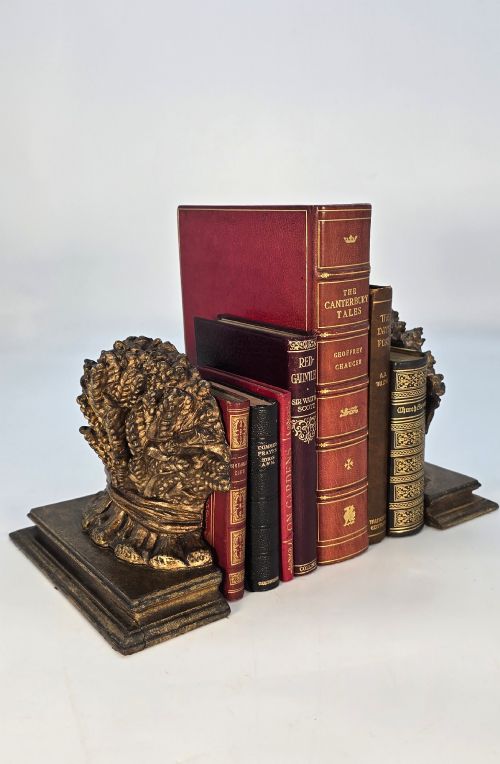
A library desk accessory encompasses a diverse range of items designed for reading rooms and writing spaces, spanning from the Regency period through to Art Deco and the 1930s. When exploring this category, buyers encounter functional objects such as bookends, book slides, magnifying glasses, desk tidies, and smoking cabinets.
The materials reflect the tastes of their respective eras, utilising woods like mahogany, oak, rosewood, and burr walnut, alongside metals, brass, silver plate, glass, horn, and shagreen. These items range from utilitarian reading aids to decorative carvings originating from traditions like Black Forest craftsmanship or Gothic Revival design.
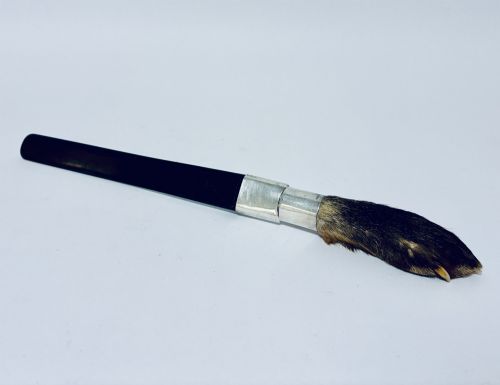
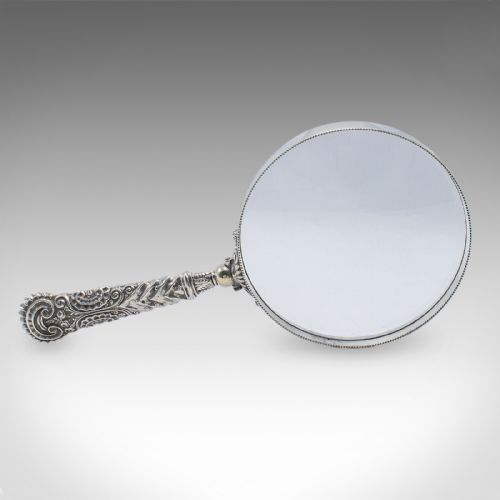
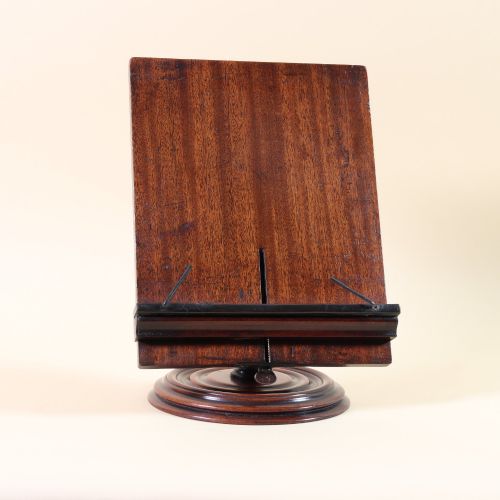
Book rests and extending book slides dominate the domestic wooden forms, often fitted with brass mounts or carved details. Meanwhile, magnifying glasses and page turners offer smaller handheld utility, while specialised pieces like table gongs and cigar cabinets serve the social rituals of a historical study.
Materials and construction
Woodworking forms the foundation of most pieces in this category, utilising dense hardwoods such as mahogany, oak, and rosewood shaped into book troughs, carriers, and heavy bookends. Cabinetmakers employed techniques like burr walnut veneering, structural framing, and intricate hand-carving, visible in pieces spanning the Georgian era to the Victorian period.
Metalwork provides both structural support and decorative contrast, incorporating brass for hinges, extending mechanisms, and mounts, alongside silver plate for magnifying glass rims and page turner mounts. Artisans also worked with specialised organic materials, shaping horn, cow horn, and textured shagreen into refined functional items.
Library Desk Accessory Retail Price Guide 2026
Typical asking prices for library desk accessory among the pieces listed under this phrase on Sellingantiques today, from the lower quarter to the upper quarter. They describe what is for sale here now, not the wider market.
Listings feature items spanning the Georgian period, Regency era, and Victorian times through to Art Deco and 1930s designs.
Evaluating craftsmanship and condition
Quality rests in the precision of the joinery and the selection of materials, where well-figured burr walnut, dense mahogany, and substantial cast brass elevate a piece far above standard utilitarian items. The finesse of hand-carved details, whether depicting animal figures, botanical wheat sheaves, or architectural Gothic motifs, demonstrates the hand of a skilled artisan.
The integrity of the mechanism matters significantly in items designed for movement, such as extending book slides or folding book rests, which should operate smoothly without loose joints or misaligned brackets. Preservation of original surface finishes, patination on metals, and the crispness of applied mounts distinguish superior examples from heavily restored or altered pieces.
Mappin and Webb·Thornton Smith Co
The Library Desk Accessory Glossary
- Book slide
- An adjustable wooden or metal stand designed to hold a varying number of upright books between two ends. Extending versions often utilise a scissor action or sliding base.
- Standish
- A traditional desk tidy or inkstand fitted with compartments for writing implements, inkwells, and blotting paper. These often incorporate brass handles and galleries.
- Page turner
- A slender implement made of silver, horn, or bone, used historically to turn the pages of bound volumes without damaging the paper. Examples frequently feature decorative silver mounts.
- Book trough
- A stationary desktop rack with sloping sides designed to keep volumes upright and accessible. They appear in dense hardwoods like mahogany and rosewood.
- Gothic Revival
- An architectural and decorative style popular during the Victorian period, characterised by pointed arches, trefoils, and heavy carved woodwork. This aesthetic heavily influenced library furnishings.
Library Desk Accessory: Frequently Asked Questions
What is a library desk accessory?
A library desk accessory is a functional or decorative object created for a study, reading room, or home library. These items include reading aids, book holders, and desktop organisation pieces.
They reflect the domestic habits and interior styles of periods ranging from the Regency era through to the Art Deco movement.
How were book slides used?
Book slides kept a working selection of volumes upright and organised on a desktop or table. Their adjustable frames allowed the user to expand or contract the wooden base as books were added or removed.
Many Victorian and Edwardian examples featured brass mounts and decorative end panels to enhance the appearance of the study.
What materials are common in these items?
Hardwoods such as mahogany, oak, rosewood, and burr walnut form the primary structure for many desk accessories and bookends. Metal components, including brass and silver plate, appear frequently in mountings, magnifying glass frames, and extending mechanisms.
Organic materials like horn, glass, and shagreen also feature in specific decorative pieces and reading tools.
How do I date a wooden book rest?
Dating a wooden book rest involves examining the timber selection, construction methods, and prevailing decorative style. Pieces from the Regency period often showcase rosewood and clean classical lines, while Victorian examples frequently incorporate Gothic Revival carving or heavy brass mounts.
Checking for hand-cut joinery and the natural patination of the wood helps confirm the age of the piece.