

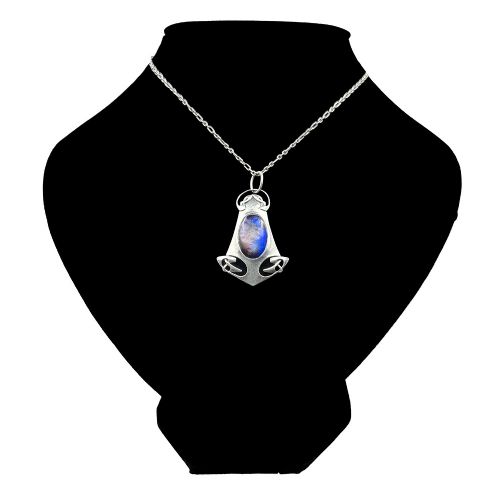


Liberty and Co Jewellery
Liberty and co jewellery brings together distinct Arts and Crafts silver, enamel, and gemstone pieces that define early twentieth-century design.
Liberty and Co Jewellery
When you search for liberty and co jewellery, you encounter the distinctive output associated with the famous Regent Street firm from the nineteenth and twentieth centuries. These items range from silver pendants and necklaces set with stones to buckles and trinket boxes.
You are most likely to meet silver and enamel pendants created during the 1900 period, reflecting the prevailing Arts and Crafts aesthetic. Many pieces incorporate natural motifs and characteristic metalwork.
The inventory includes works produced in collaboration with notable designers and makers who supplied the retailer. These range from gold and tourmaline necklaces to pewter boxes featuring enamel panels.
How they were made
The metalwork relies predominantly on sterling silver and pewter, shaped by hand to create organic Arts and Crafts forms. Goldsmiths also utilised gold for specific high-status necklaces.
Vitreous enamel and plique à jour techniques provide vibrant colour, often framed within silver bezels alongside gemstones. Artisans set pearls, opals, chrysoprase, tourmaline, and citrine into the precious metal structures.
Liberty and Co Jewellery Retail Price Guide 2026
Typical asking prices for liberty and co jewellery among the pieces listed under this phrase on Sellingantiques today, from the lower quarter to the upper quarter. They describe what is for sale here now, not the wider market.
What varies in quality
Quality rests upon the sophistication of the design and the distinction of the maker behind the piece. Items linked directly to named designers or specific model numbers command greater attention from collectors.
The refinement of the enamelling and the choice of gemstones dictate the relative standing of individual examples. Subtle variations in hand-finishing distinguish standard production from exceptional work.
Archibald Knox·Murrle Bennett·WH Haseler
The Liberty and Co Jewellery Glossary
- Arts and Crafts
- A design movement valuing handcrafting and traditional motifs over mass production. It heavily influences the style of these metal and enamel works.
- Plique à jour
- An enamelling technique where the enamel is applied without a backing, resembling miniature stained glass. It allows light to pass through the translucent colour.
- Chrysoprase
- A gemstone of a translucent apple-green colour frequently utilised in early twentieth-century jewellery. It provides a striking contrast to polished silver.
- Festoon necklace
- A necklace featuring draped chains or swags of beads and pendants. This form appears often in silver set with stones.
Liberty and Co Jewellery: Frequently Asked Questions
What is liberty and co jewellery?
It encompasses decorative metalwork, necklaces, pendants, and accessories retailed by the London house during the Arts and Crafts period. These items typically feature silver, enamel, and various gemstones.
The designs often reflect organic forms and Celtic revival motifs championed by the firm at the turn of the twentieth century.
Who designed these pieces?
The firm collaborated with prominent designers and manufacturing jewellers such as Archibald Knox and WH Haseler. Other associated makers include Murrle Bennett.
Many works bear specific model numbers or attribution to these key figures within the Arts and Crafts movement.
How do I care for silver and enamel?
Protect vitreous enamel from harsh chemicals and sharp impacts, as the glass material can chip or scratch. Store necklaces and pendants individually to prevent metal abrasion.
Clean silver gently with a soft cloth rather than abrasive dips that might damage vulnerable enamel or soft stones like opals and pearls.
What materials are common?
Sterling silver and pewter form the primary metallic structures for pendants, buckles, and boxes. Gold appears in select necklaces alongside gemstones.
Enamel, chrysoprase, opal, pearl, tourmaline, and citrine provide colour and embellishment across the recorded pieces.
How do I date these items?
Dating relies on stylistic markers of the Arts and Crafts movement, specific model numbers, and hallmarks stamped into the metal. Most examples date from around nineteen hundred or the late nineteenth century.
Attributions often link particular motifs and construction methods to the documented working periods of the firm and its designers.