




Leather Fireside Bench
A leather fireside bench brings sturdy seating and period character straight to the hearth.
Leather Fireside Bench
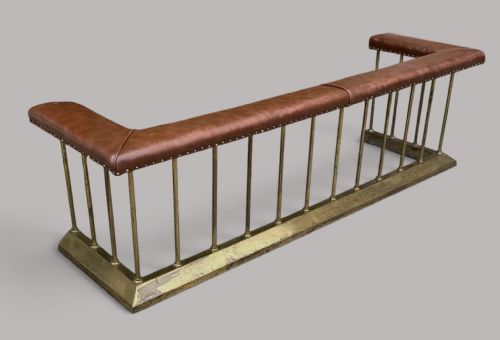
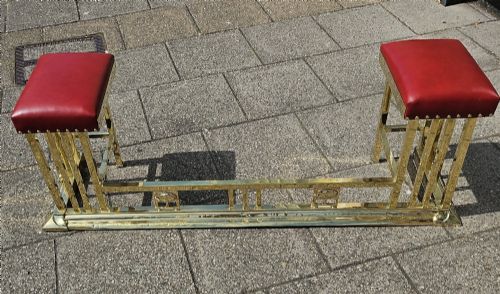
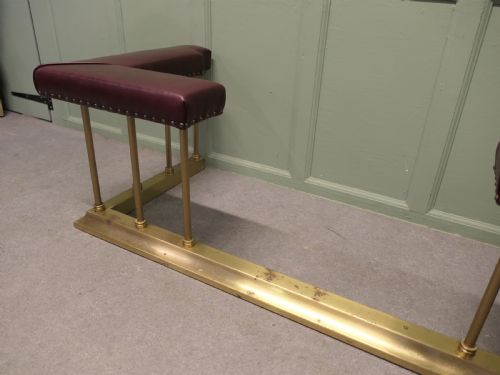
A leather fireside bench most commonly appears in the form of a club fender, offering low corner seating built around an open hearth. These pieces combine substantial frames with upholstered top rails designed to withstand daily use near the fire.
The selections range from robust nineteenth-century brass structures to early twentieth-century oak frameworks and delicate art deco designs. Buyers frequently encounter club fenders and joint stools that bridge the gap between functional hearth accessory and low seating.
Originating predominantly from the Victorian, Edwardian, and nineteen-twenties periods, these items reflect diverse revival styles including Jacobean and Arts and Crafts aesthetics. Each piece uses traditional forms adapted for comfort and warmth in domestic spaces.
Materials and construction
Makers built these frames using heavy brass, wrought iron, and solid oak, pairing structural metalwork or timber with durable hide upholstery. Metal studs often secure the leather seat pads to the underlying wooden or metal foundations.
The combination of polished brass or dark wrought iron with mature tan leather creates a robust functional object built to endure heavy foot traffic and heat. Artisans shaped the timber frames using traditional joinery methods suited to domestic hearths.
Current listings feature nineteenth-century and Edwardian pieces constructed from brass, wrought iron, and oak.
Assessing quality and craftsmanship
Quality rests in the weight of the metal framework and the maturity of the hide, where heavier brass and thicker wrought iron distinguish finer workshops from simpler domestic pieces. The integrity of the underlying joinery in oak examples marks the difference between standard production and superior craftsmanship.
Proportion and decorative restraint dictate the visual success of the bench, with well-balanced brass balustrades and precise metal stud work showing greater refinement. The depth and patina of the leather upholstery reveal how gracefully the material ages under regular use.
William Birch
The Leather Fireside Bench Glossary
- Club fender
- A low, U-shaped hearth seat with an open centre that allows warmth to circulate around seated occupants. These structures typically feature metal balustrades supporting an upholstered leather top.
- Joint stool
- A traditional wooden stool constructed with mortise and tenon joints rather than turned legs. These sturdy pieces provide compact low seating near the fireplace.
- Balustrade
- An upright pillar or spindle supporting the top rail of a fender. In brass examples, these elements form the architectural cage surrounding the hearth.
- Metal studs
- Small decorative or functional fasteners driven through the edge of the leather into the frame. They secure the upholstery while adding a neat visual border.
- Patina
- The surface sheen and colour acquired by leather and metal through age and handling. A deep patina indicates long service and natural wear.
Leather Fireside Bench: Frequently Asked Questions
What is a leather fireside bench?
A leather fireside bench is typically a club fender or joint stool positioned directly around the hearth. It provides low, supportive seating while keeping occupants close to the warmth of the fire.
These pieces combine rigid metal or wooden frames with padded leather tops designed for durability. They serve both as functional furniture and as architectural centerpieces for period rooms.
How do I choose the right size?
Measure the width and depth of your fireplace opening carefully to ensure the fender wraps around the hearth without blocking access. Allow adequate clearance for foot traffic and fire tending.
Consider the height of the seat rail in relation to your existing fireplace surround. A balanced proportion ensures the bench complements the fireplace rather than dominating the chimney breast.
How do I care for the leather?
Maintain the leather seat by cleaning it gently with a dry or slightly damp cloth to remove dust. Apply a suitable leather conditioner periodically to keep the hide supple and prevent cracking.
Keep the bench at a reasonable distance from direct, intense heat sources to protect the natural fibres. Regular light maintenance preserves the mature finish and strength of the hide.
Can these benches be used centrally?
Most club fenders are specifically engineered to fit around a raised or flush hearth against a wall. Their U-shaped footprint relies on the fireplace structure for stability and placement.
Joint stools, conversely, offer standalone seating that functions anywhere in a room. Using a club fender away from a fireplace is uncommon due to its open-ended design.