




Large Metal Log Basket
A large metal log basket brings weight and warmth to a fireside, combining sturdy utility with deep patinated surfaces.
Large Metal Log Basket
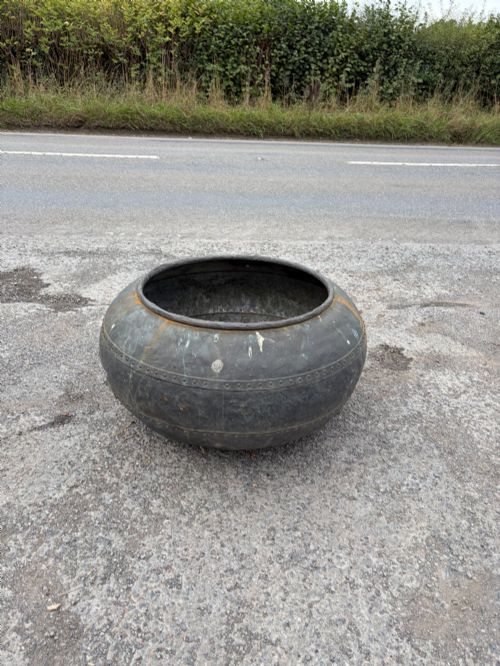
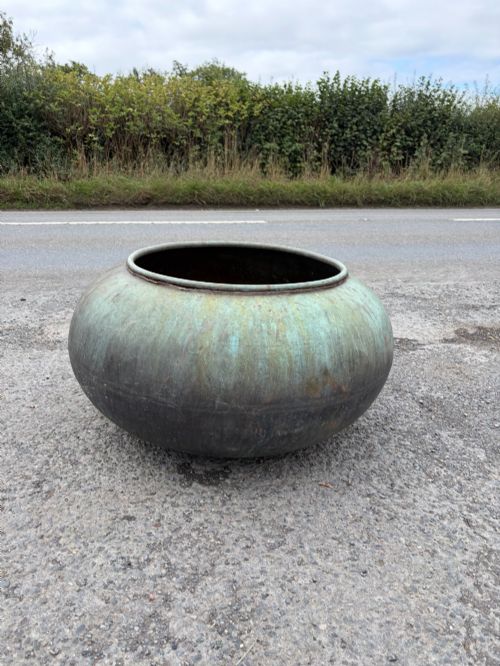
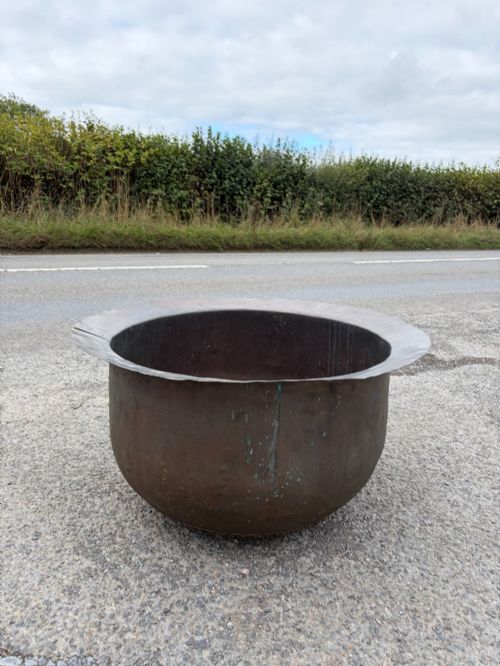
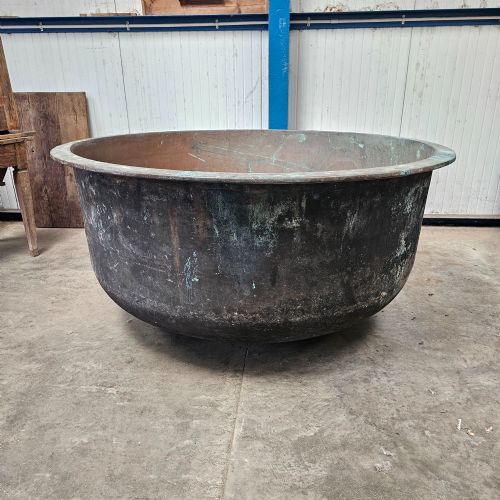
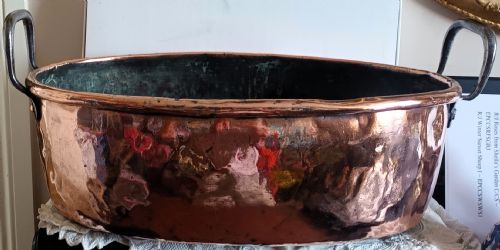
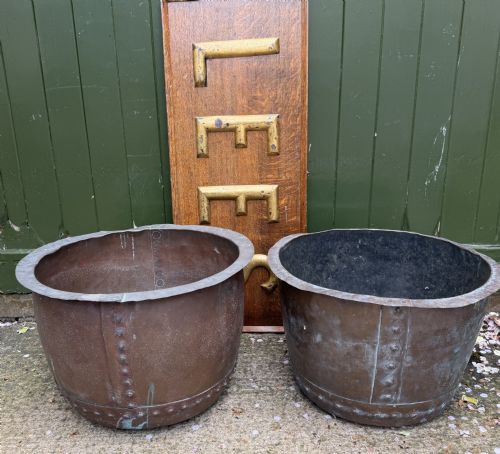
A large metal log basket serves as a robust container for holding firewood beside a hearth, drawing largely from utilitarian vessels of past centuries. Buyers searching for a large metal log basket encounter repurposed copper pots, cauldrons, cheese vats, and brass vessels originally made for domestic or agricultural work.
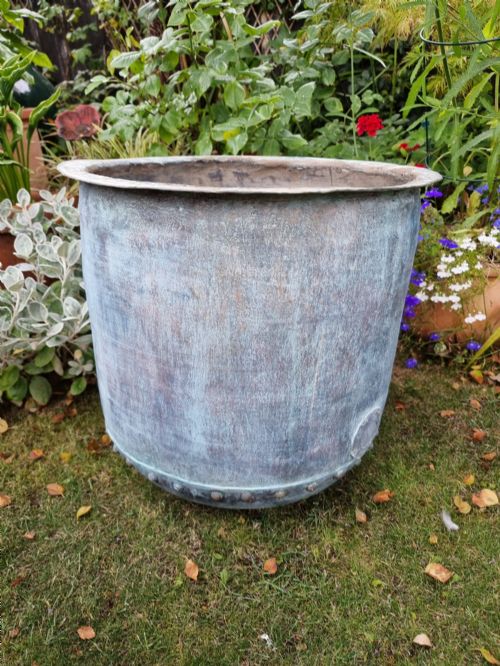
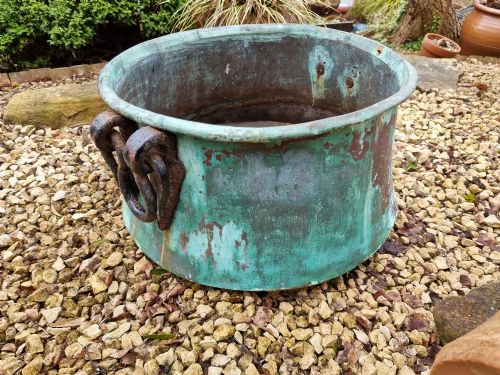
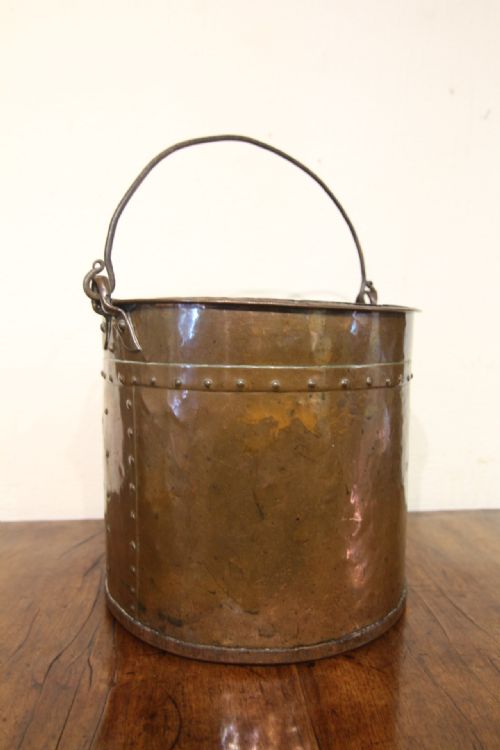
The pieces spanning the nineteenth century, Georgian era, and early twentieth century often take the form of heavy copper bins, buckets, and boilers fitted with iron handles. Many items listed share dual functions as garden planters, reflecting how functional metalware transitions from domestic service to fireside display.
How they were made
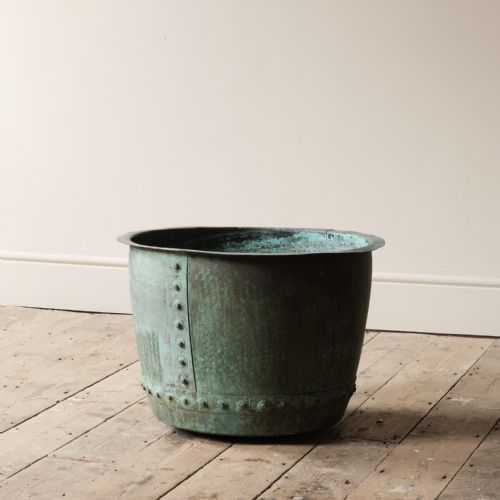
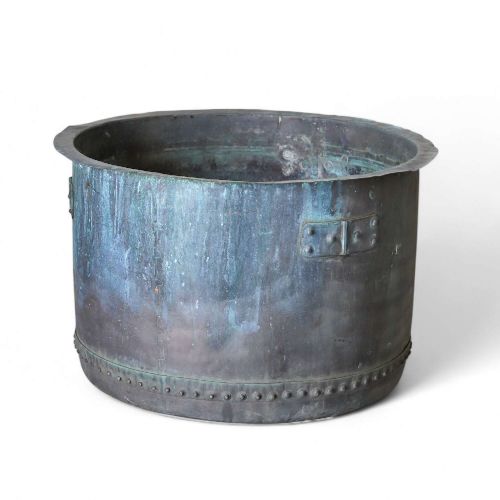
Makers constructed these vessels primarily from sheet copper and brass, often joining heavy metal plates with visible hand-riveting along the seams. Wrought iron and cast iron provide structural support through swing handles, frames, and drop rings.
Surfaces display natural patination, verdigris finishes, and weathered textures accumulated through decades of use. Iron framing and brass accents appear alongside hand-beaten bodies, showing the utilitarian manufacturing methods of nineteenth-century workshops.
Large Metal Log Basket Retail Price Guide 2026
Typical asking prices for large metal log basket among the pieces listed under this phrase on Sellingantiques today, from the lower quarter to the upper quarter. They describe what is for sale here now, not the wider market.
Many a modern hearth warms its logs inside a former cheese vat that once rested in a quiet French countryside dairy.
What varies in quality
Quality rests in the weight of the metal gauge, the integrity of the hand-riveted seams, and the retention of original iron fittings like swing handles and support frames. Thicker copper bodies resist denting and hold a richer surface depth.
The character of the aged patina and the presence of makers' marks or structural honesty separate standard utilitarian vessels from exceptional display pieces. Original unpolished surfaces with natural verdigris demonstrate authentic age better than over-cleaned metal.
The Large Metal Log Basket Glossary
- Patina
- The surface sheen and colour developed through age, handling, and environmental exposure. A good patina shows gradual oxidation rather than artificial treatment.
- Verdigris
- The green crust or patina formed on copper, brass, or bronze surfaces through atmospheric oxidation. This layer indicates long-term exposure to the elements.
- Dinanderie
- European metalwork made of brass, copper, or bronze, often beaten or engraved into decorative and functional vessels. The term spans medieval traditions through to twentieth-century revivals.
- Cauldron
- A large metal pot with a wide mouth and a swing handle, traditionally used for boiling over an open fire. In modern interiors, these serve as deep log holders.
- Setting Pan
- A shallow, wide vessel historically used in dairies for resting milk to let cream rise. Their generous proportions make them suitable for holding firewood.
Large Metal Log Basket: Frequently Asked Questions
What are large metal log baskets made from?
These vessels are constructed primarily from heavy copper and brass, often reinforced with wrought iron handles and frames. Many pieces began as industrial or domestic cooking vessels.
Over decades of use, the metal develops distinct patinas and verdigris finishes that reflect their utilitarian origins.
How do I care for antique copper log bins?
Antique copper requires minimal intervention to preserve its historical surface and stable oxidation. Dusting with a soft cloth keeps the metal clean without removing the accumulated patina.
Avoid abrasive cleaners or chemical polishes that strip away the natural aged character built up over centuries.
Were these always used for firewood?
Most of these large metal vessels served entirely different purposes in Georgian and Victorian times, including boiling water, making cheese, or setting cream. Domestic copper pots and cauldrons were repurposed for firesides as central heating replaced open hearth cooking.
Their substantial capacities and sturdy handles made them practical containers for storing logs.
How can I tell the period of a metal log bin?
Dating relies on construction methods such as hand-riveting techniques, the composition of the brass or copper sheets, and the style of the iron fittings. Georgian and nineteenth-century examples often feature heavier hand-hammered bodies and forged iron swing handles.
Later pieces from the early twentieth century may incorporate art nouveau influences or structured iron frames.