
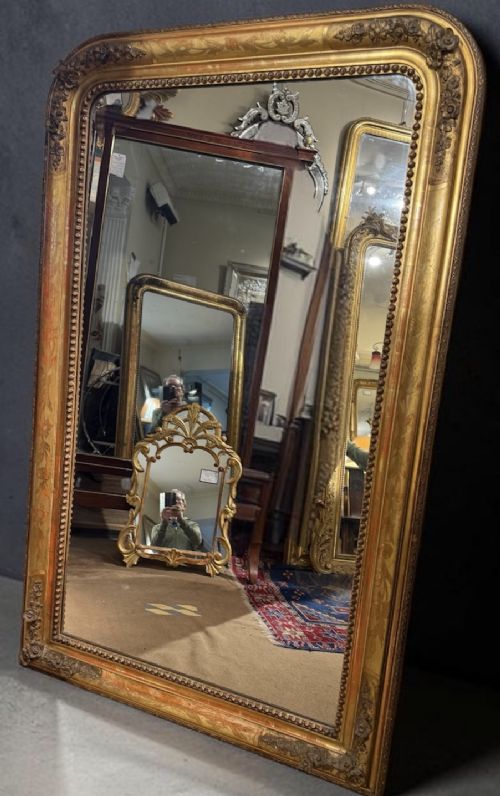
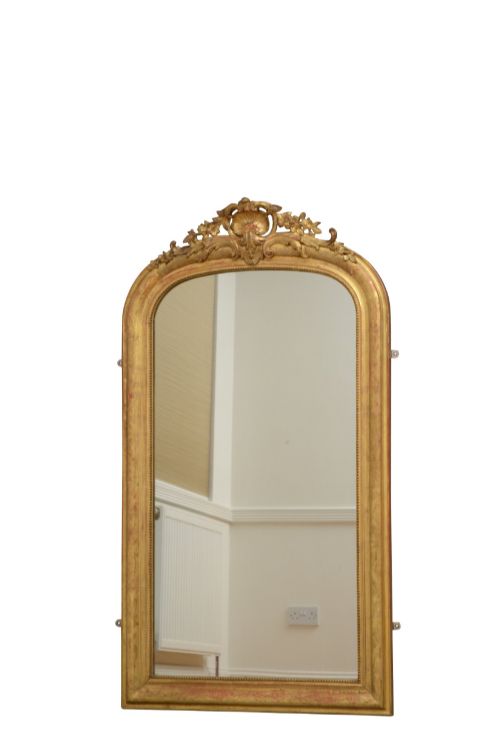
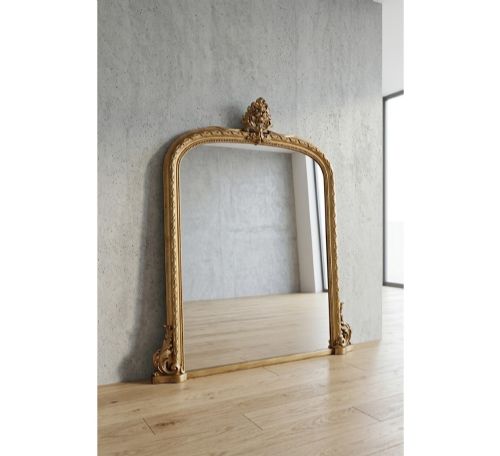
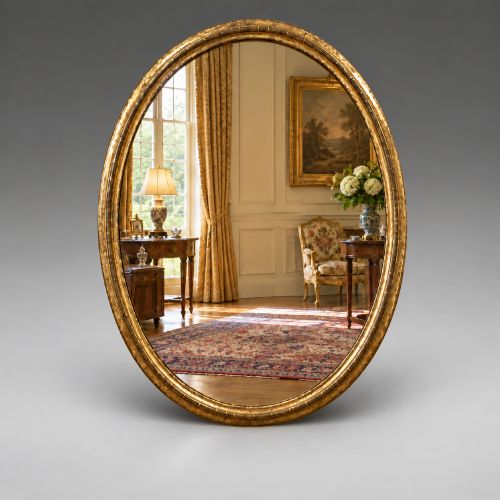
Large Gold Overmantel
A large gold overmantel brings scale, reflected light and architectural presence to a room, anchoring a fireplace with period character.
Large Gold Overmantel
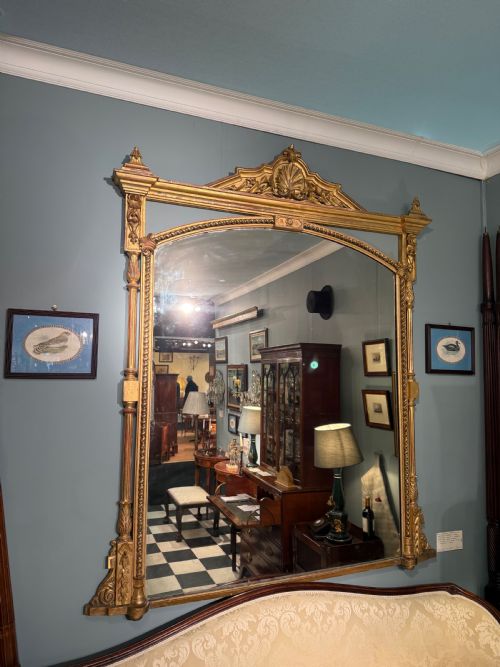
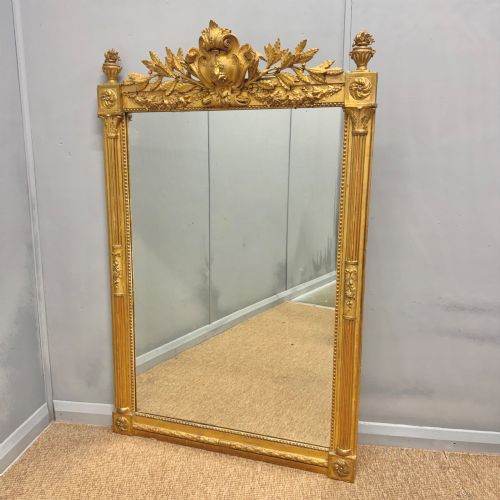
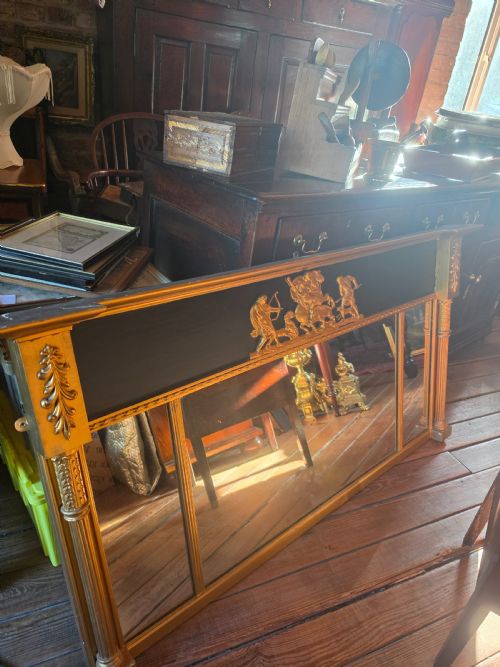
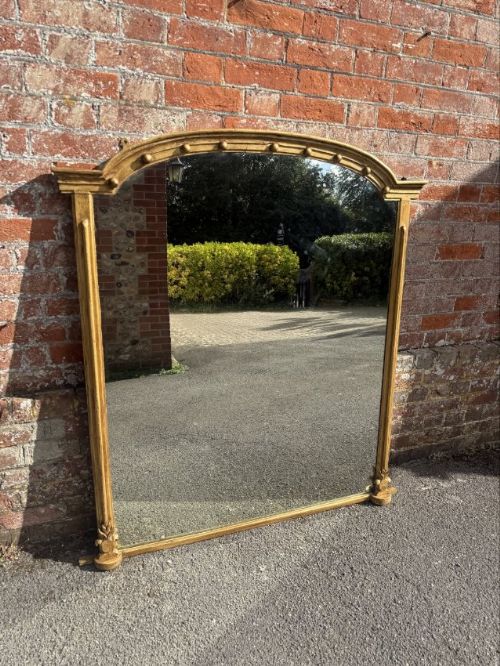
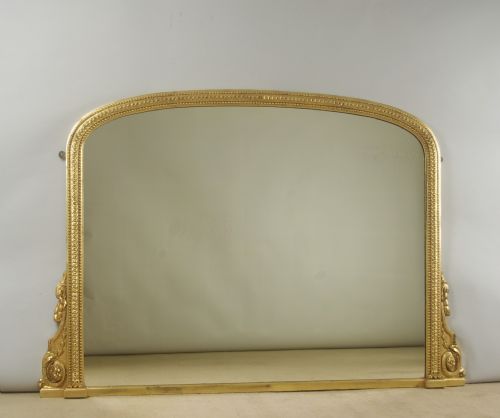
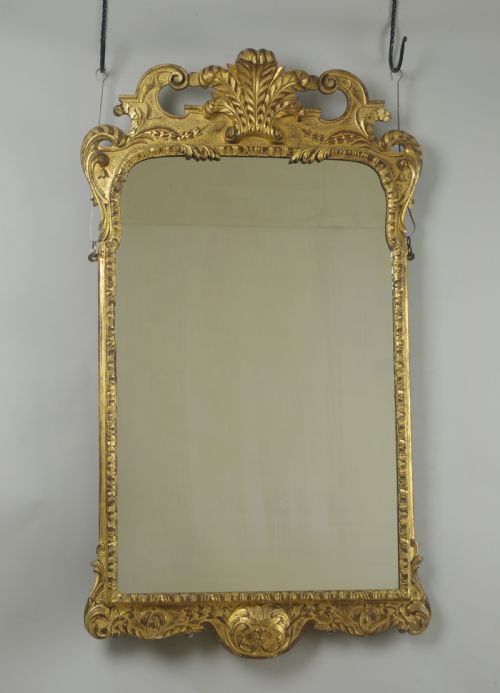
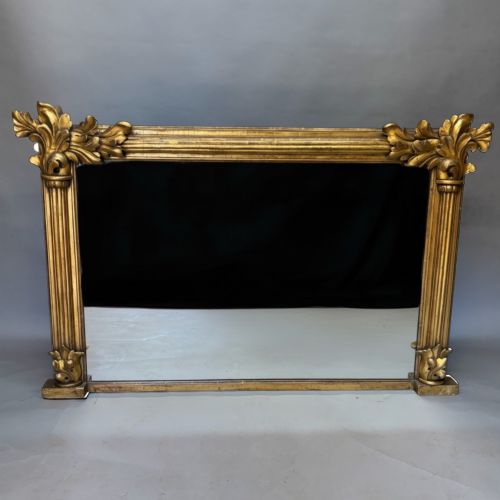
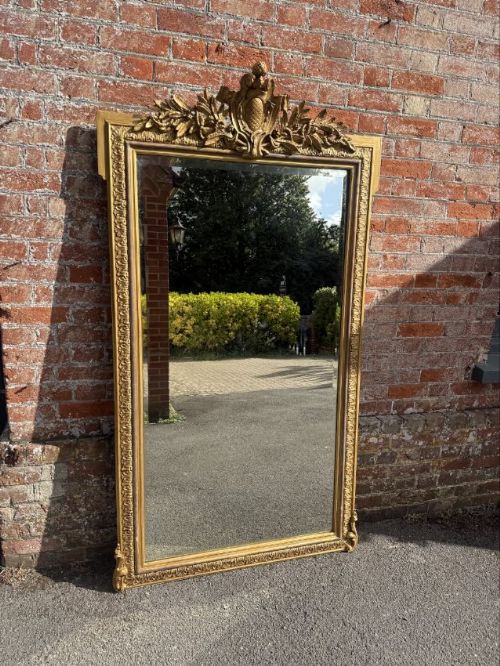
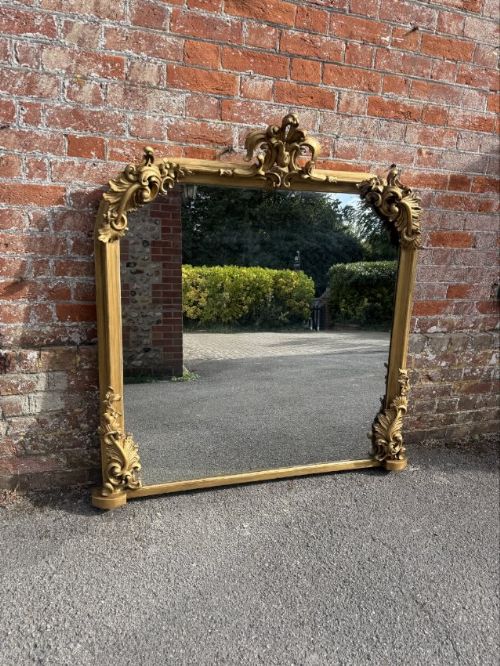
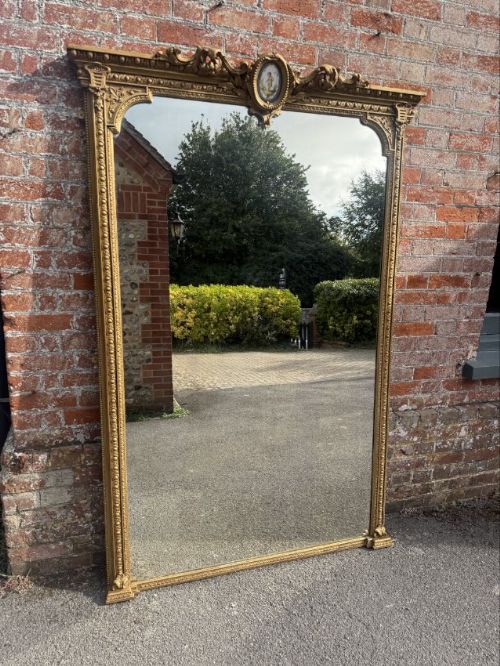
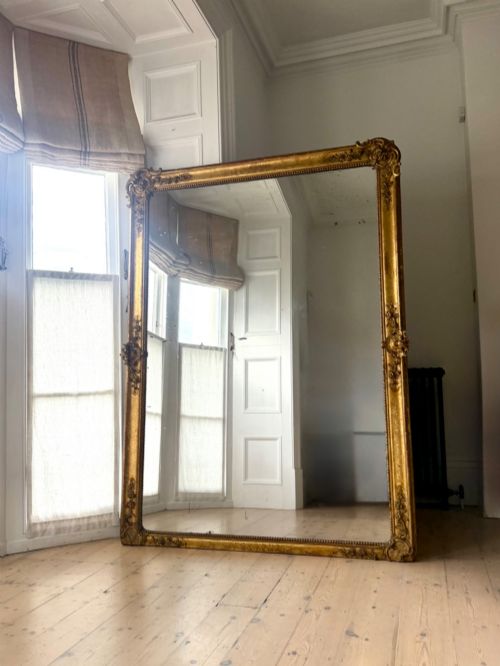
A large gold overmantel sits above a fireplace, designed specifically to fill the chimney breast with reflected light and substantial presence. These pieces emerge primarily from the nineteenth century, taking forms such as arched top frames, rectangular wall mirrors, and grand leaner mirrors.
The versions met most frequently on this page span Victorian, Regency, and French Louis Philippe styles, often incorporating detailed crests and substantial proportions. Makers and workshops from England, France, and Italy produced these works using traditional joinery and heavy gilding.
Originating in domestic interiors from the eighteen-hundreds onwards, these mirrors function to amplify natural daylight and create a sense of expanded interior volume. The selection here leans heavily towards nineteenth-century craftsmanship, showcasing carved wooden frames and decorative plaster mouldings.
Materials and construction
Carved wood and gesso form the foundational structure of these frames, providing a stable base for intricate decorative details and applied ornamentation. Artisans layered gesso over timber mouldings to build up high-relief foliage, scrollwork, and architectural crests before smoothing the surface for finishing.
Gold leaf and water gilding techniques impart the characteristic brilliant surface finish seen across the nineteenth-century examples. Craftsmen applied thin sheets of gold onto a prepared bole layer, burnishing portions to a high sheen while leaving other areas matte for textural contrast.
Listings feature nineteenth-century pieces incorporating gesso, giltwood, and original mercury glass plates.
Distinctions in quality
The depth and intricacy of the hand-carved woodwork separate standard production frames from finer examples, as does the crispness of the gesso mouldings. Superior pieces display finely rendered foliage, well-defined crests, and harmonious proportions that suit grand domestic interiors.
The preservation of the original mercury glass plate and the intactness of the historic gilding contribute significantly to the standing of a piece. Skilled application of gold leaf and the survival of early reflective plates indicate superior workshop origin and careful historical stewardship.
Arsène Rochette
The Large Gold Overmantel Glossary
- Gesso
- A plaster mixture applied to wood frames to create a smooth surface for gilding and relief carving. It allows craftsmen to model intricate decorative motifs before applying gold leaf.
- Giltwood
- Timber that has been coated with gold leaf or metallic powder for a golden finish. This material defines the bright reflective frames characteristic of nineteenth-century reception rooms.
- Overmantel
- A mirror or decorative panel designed to be hung or leaned specifically above a fireplace mantelpiece. Its dimensions usually correspond to the width of the fireplace below.
- Mercury glass
- A double-walled glass blown with a silvering solution inserted between the layers, common in nineteenth-century French mirrors. It creates a cloudy, mottled reflection distinct from modern silvered plate.
Large Gold Overmantel: Frequently Asked Questions
How do I hang a large gold overmantel?
These heavy frames require secure wall fixings anchored directly into structural studs or masonry to support the substantial weight of wood, gesso and glass.
Professional installation ensures the mirror stays stable, particularly when resting partially on a mantelpiece while secured to the wall above.
Were these mirrors made for specific rooms?
Nineteenth-century overmantels were constructed primarily for principal reception rooms and drawing rooms, where high ceilings demanded grand proportions.
Their reflective surfaces were positioned to bounce candlelight and daylight around formal entertaining spaces before the widespread adoption of electric lighting.
How do I clean an antique gold leaf frame?
Dusting should be performed gently with a soft, dry brush to avoid disturbing fragile gesso mouldings and nineteenth-century gold leaf layers.
Water and chemical cleaning agents must be avoided entirely, as moisture penetrates degraded historic finishes and damages the underlying preparation layers.
How do I distinguish French styles from English ones?
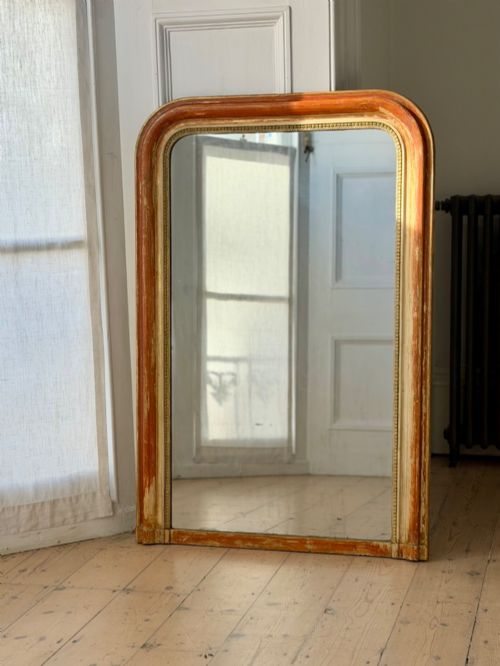
French Louis Philippe and Napoleon III frames tend to feature cleaner architectural lines, rounded upper corners, and mercury glass plates with softer reflections.
English Victorian and Regency equivalents often incorporate heavier carved wood and gesso decoration, arched crests, and bolder rope-twist or foliage motifs.