

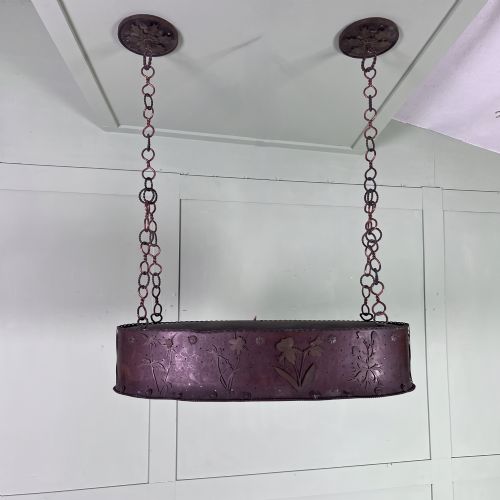
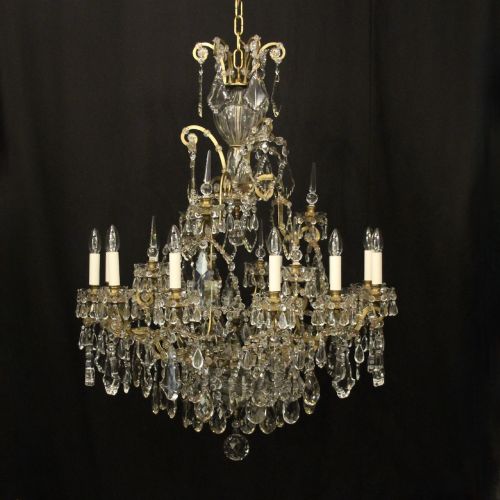
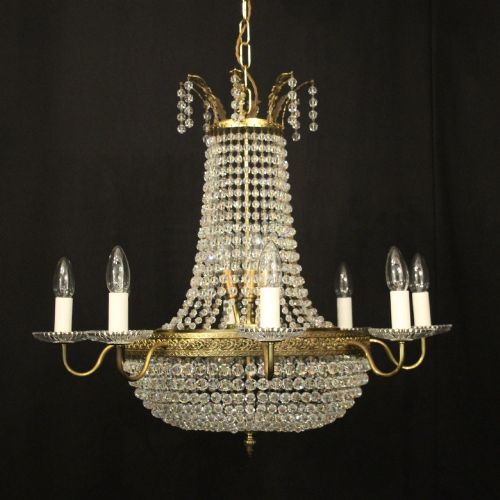
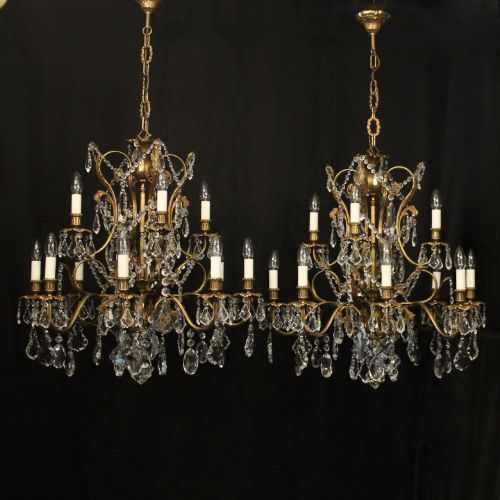
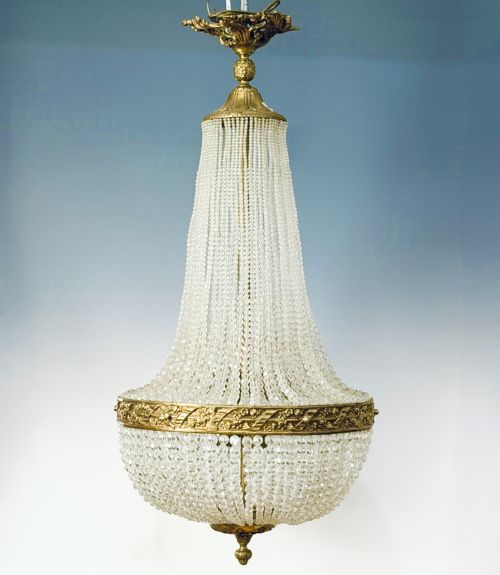
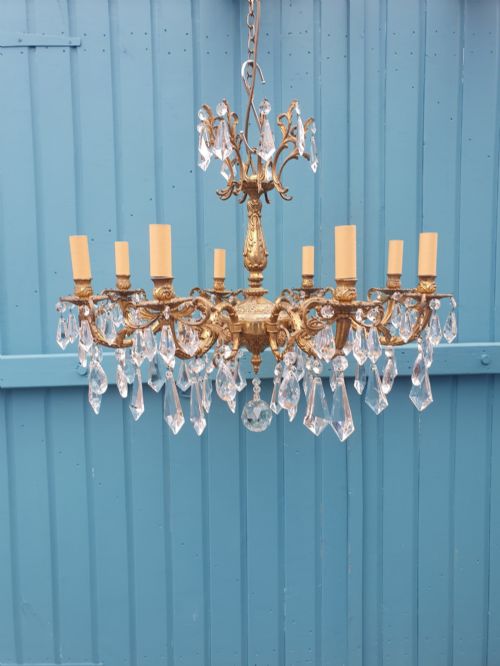
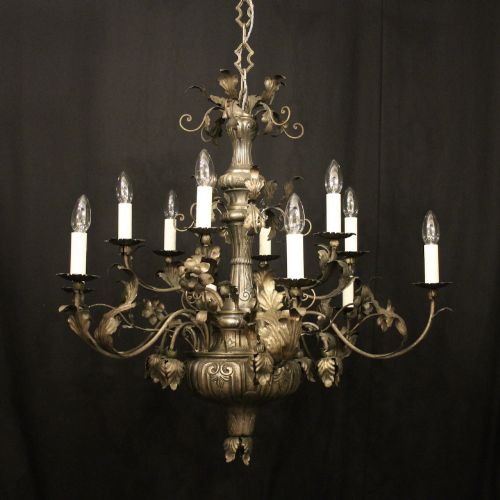
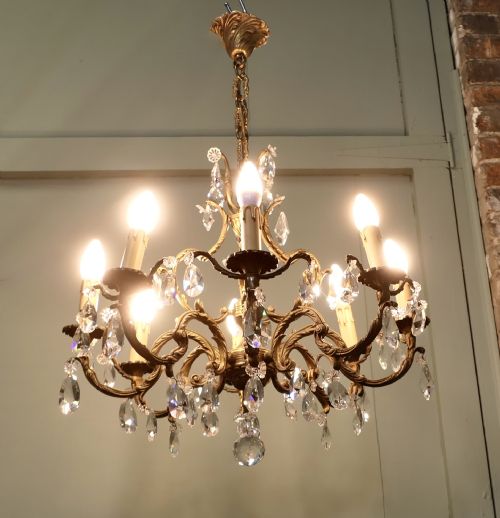
Large Ceiling Fixture
A large ceiling fixture commands a room through sheer scale, drawing the eye upwards with cascading crystal and gleaming metal.
Large Ceiling Fixture
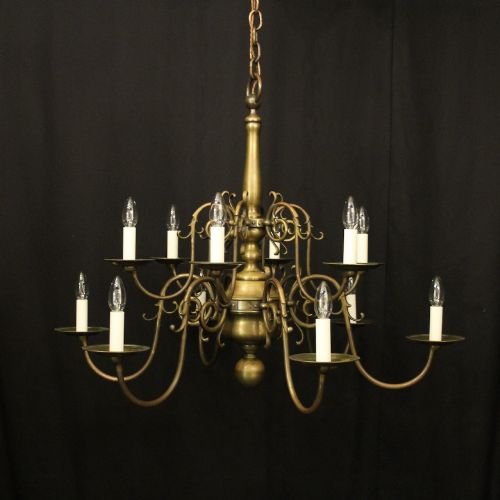
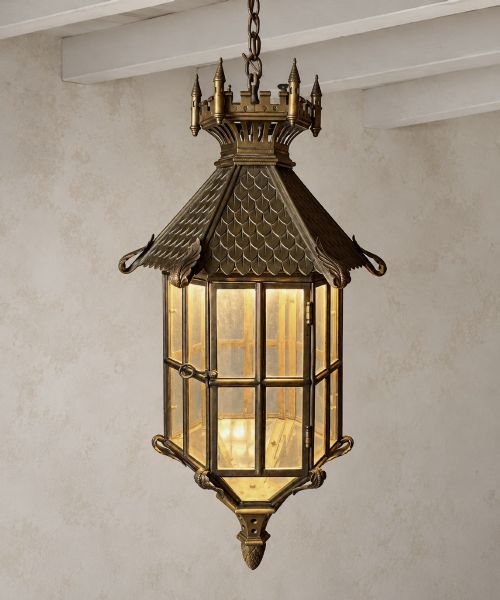
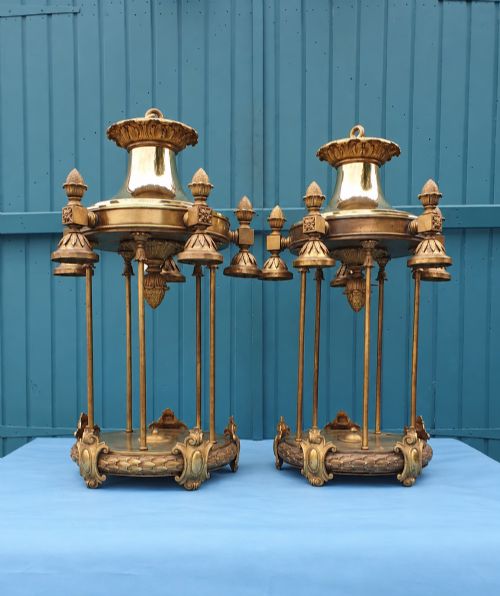
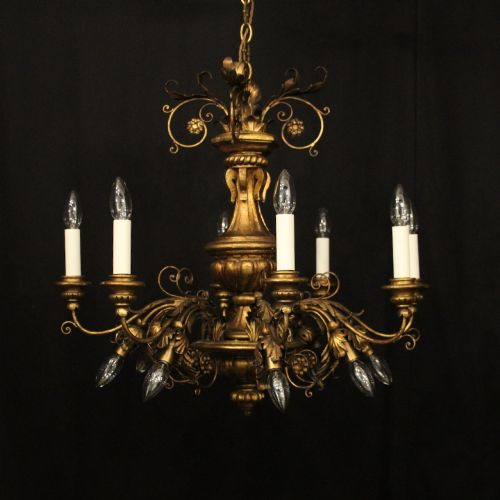
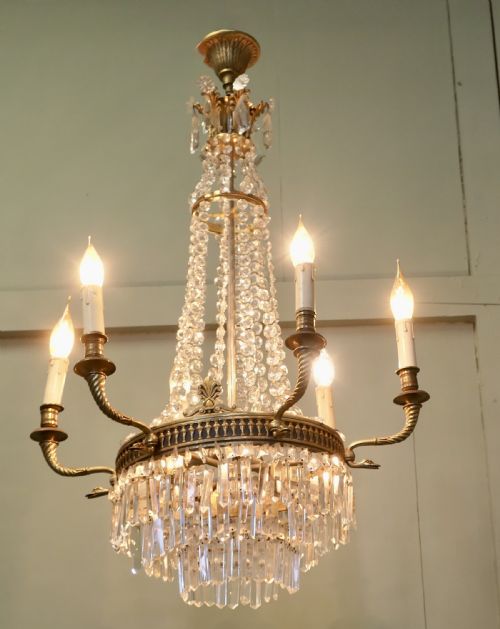
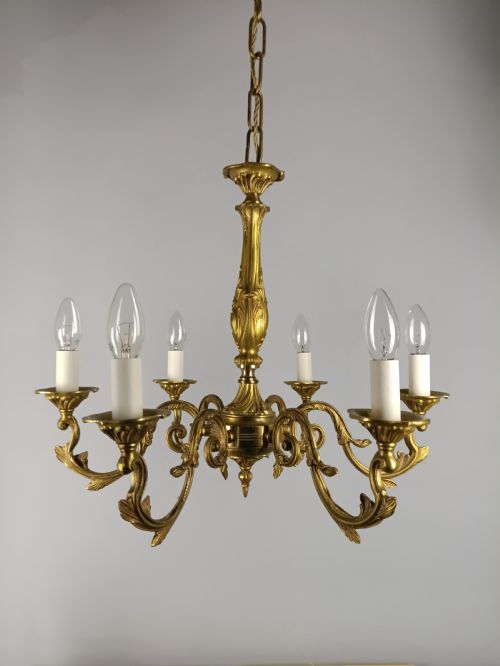
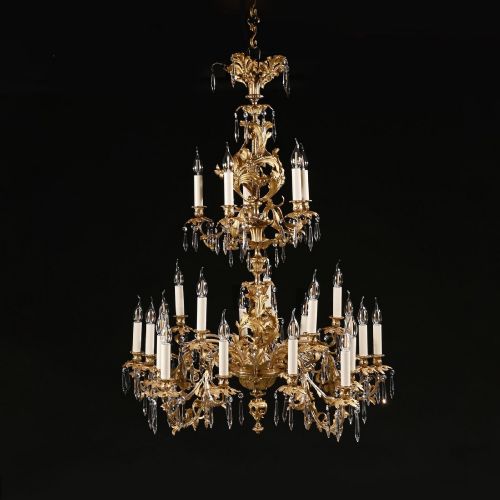
A large ceiling fixture encompasses grand multi-tiered chandeliers, architectural hanging lanterns, and substantial single pendants designed to anchor a major interior space. Buyers pursuing a large ceiling fixture regularly encounter multi-branched candelabra formats originating from French, English, Dutch, Italian, and Bohemian workshops.
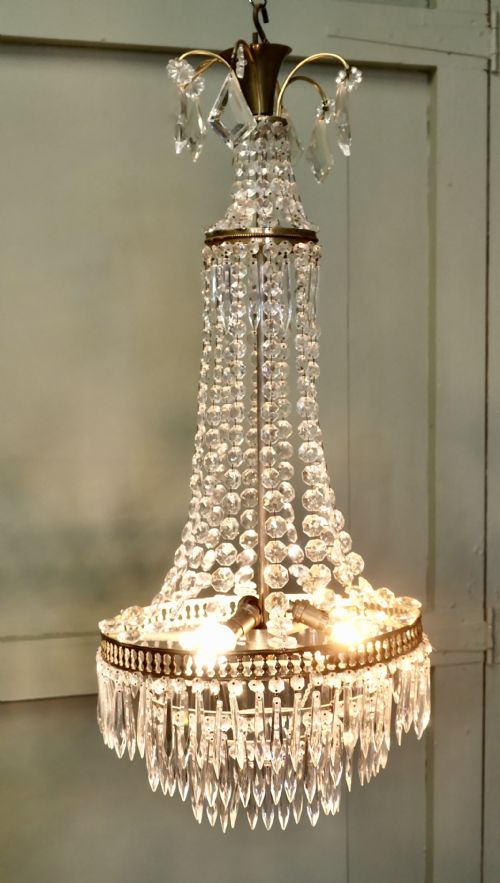
The selection spans centuries of domestic and institutional lighting, from early Dutch brass forms to elaborate Edwardian creations and streamlined Art Deco interpretations. French designs dominate the selections, frequently employing classical tent and waterfall configurations adorned with crystal lustres.
Pendant lights and hall lanterns bring alternative geometries to the category, utilising heavy glass shades, copper frames, and intricate leaded panels. These varieties provide practical illumination while maintaining a commanding architectural presence overhead.
Materials and Construction
Makers constructed the primary framework of a large ceiling fixture using cast metals including brass, bronze, steel, and gilt copper. These metal armatures support the weight of extensive glass components while providing structural rigidity across numerous branching arms.
Decoration relies heavily on cut glass and crystal prisms, drops, and beads wired directly to the metal frames. Specialised glass types such as opaline, moonstone, ruby glass, and cobalt leaded panels impart distinct colour and diffusion to the emitted light.
Large Ceiling Fixture Retail Price Guide 2026
Typical asking prices for large ceiling fixture among the pieces listed under this phrase on Sellingantiques today, from the lower quarter to the upper quarter. They describe what is for sale here now, not the wider market.
Listings feature eighteenth-century Dutch brass alongside twentieth-century French gilt bronze and Arts and Crafts lanterns.
Craftsmanship and Presence
Quality within a large ceiling fixture rests on the crispness of the metal casting and the depth of the hand-chased detail on bronze or gilt surfaces. Superior examples display refined proportions where the density of the crystal dropwork complements the heavy metal armature without appearing overcrowded.
The integrity of the structural joinery and the weight of the supporting chains distinguish exceptional pieces from standard utility lighting. Heavier gauge brass and thick, fire-polished crystal indicate superior manufacture intended for grand domestic interiors.
The Large Ceiling Fixture Glossary
- Tent and waterfall
- A chandelier configuration featuring an upper triangular canopy of crystals dropping into a cascading lower fountain of glass prisms.
- Plafonnier
- A ceiling-mounted lighting fixture set flush or very close to the plaster surface rather than suspended on a chain.
- Lustre
- A cut glass pendant or hanging drop suspended from the arms or crown of a chandelier to refract light.
- Bag chandelier
- A flattened, basket-shaped fixture enclosed entirely in a fine web of strung crystal beads and drops.
- Holophane
- A proprietary type of prismatic glass designed to direct and diffuse light efficiently while reducing glare.
Large Ceiling Fixture: Frequently Asked Questions
How do I hang a heavy antique chandelier safely?
Suspension of a heavy ceiling fixture requires anchoring directly into ceiling joists or structural timber using a rated steel hook. Professional electricians evaluate the total weight of the brass and crystal structure to ensure the junction box can bear the load.
Additional safety chains attached independently to the ceiling provide a secondary fail-safe for exceptionally heavy multi-tiered fixtures. Proper hardware distribution prevents long-term strain on the primary wiring and ceiling plaster.
What rooms suit a large ceiling fixture?
High-ceilinged entrance halls, formal dining rooms, and expansive stairwells provide the necessary vertical clearance for a substantial hanging light. Placing a grand fixture in a principal reception room creates a natural focal point that anchors the entire decorative scheme.
Consideration must be given to the swing of doors and the clearance above normal walking paths when suspending multi-branch chandeliers. Lower ceilings benefit more from flush-mounted plafonniers or compact hall lanterns.
How do I date an antique brass chandelier?
Dating relies on stylistic markers, casting techniques, and the type of assembly screws or threading present in the metalwork. Earlier examples from the eighteenth century feature heavy cast Dutch branches, whereas Edwardian and 1930s pieces often incorporate machine-tooled components.
The presence of specific glass formulations, such as opaline or early moulded crystals, helps narrow the manufacturing period. Comparative analysis of the structural armature against documented period catalogues confirms the exact era of production.
Can I convert these old fixtures to modern wiring?
Rewiring an antique ceiling fixture is standard practice to meet contemporary electrical safety standards and building regulations. Professional restorers replace deteriorated internal wiring while preserving the original sockets and decorative metal sleeves where possible.
Modern earth grounding is integrated into the metal frame to ensure safety during daily operation. This delicate process updates the utility of the piece without altering its historical exterior appearance.