




Kitchen Table Seating
Kitchen table seating brings together robust oak, pine, and cherrywood forms designed for daily domestic use.
Kitchen Table Seating
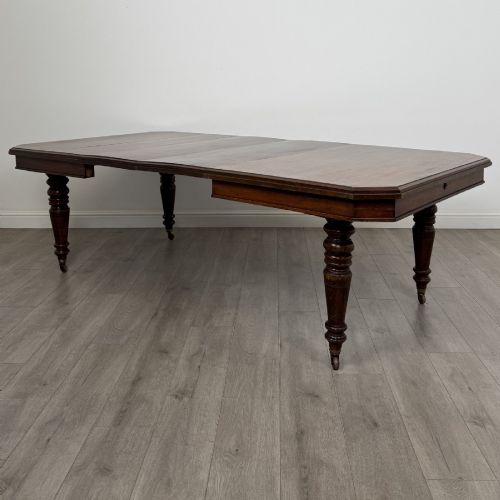
Kitchen table seating comprises an assortment of dining tables, benches, stools, and dining chairs originating from periods such as the Georgian era, the Victorian era, and the early twentieth century. These domestic pieces serve communal dining and gathering spaces, reflecting the practical needs of traditional households.
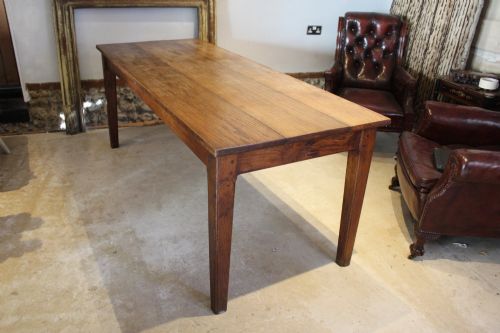
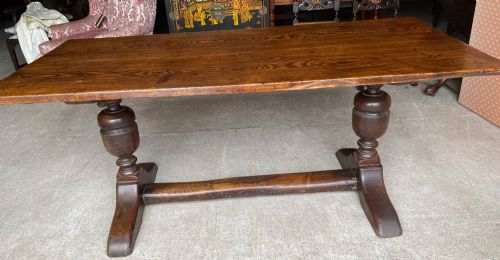
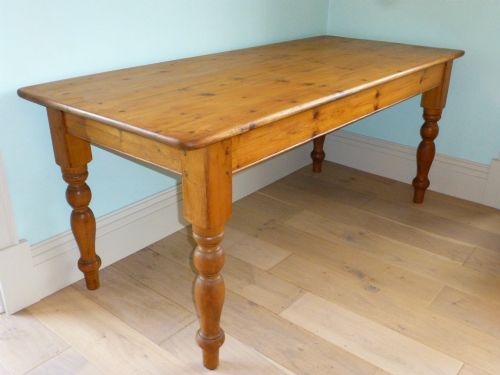
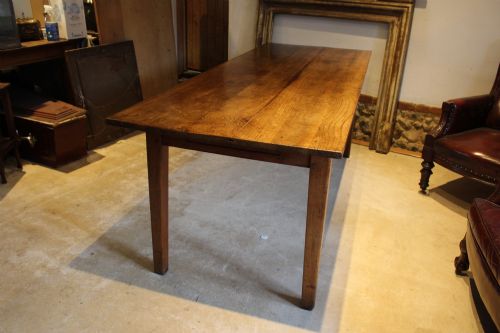
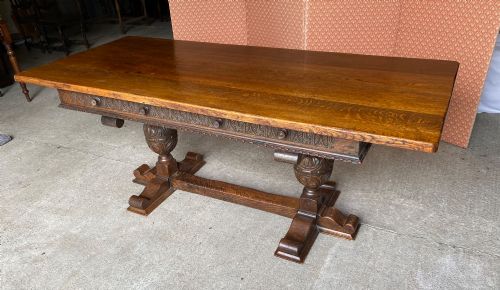
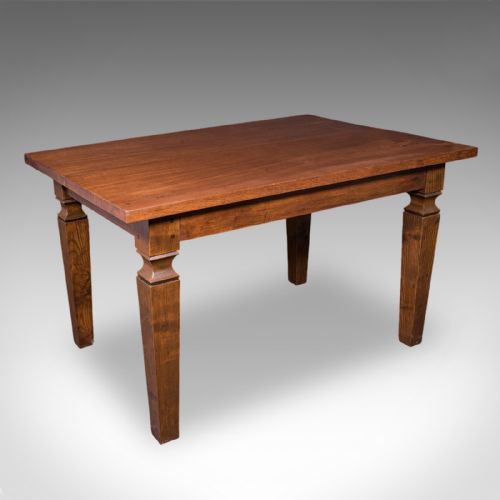
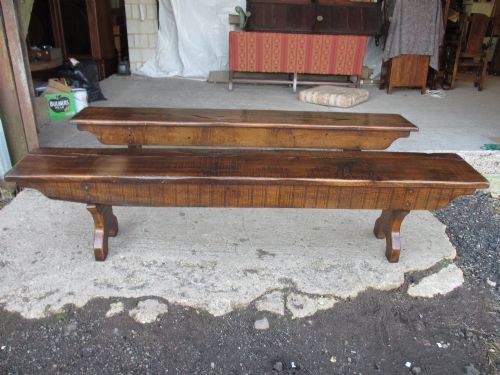
The selection on this page includes large refectory tables, gate leg tables, and dropleaf spacesavers, frequently accompanied by matching wooden benches and stools. Oak and pine dominate the forms, capturing the utilitarian aesthetic of English country and rustic farmhouse traditions.
Materials and construction
Makers utilised solid timbers such as oak, pine, cherrywood, elm, and walnut to construct durable seating and tables capable of withstanding heavy daily use. Surfaces often retain natural wood grains, whilst some pieces feature painted wood finishes.
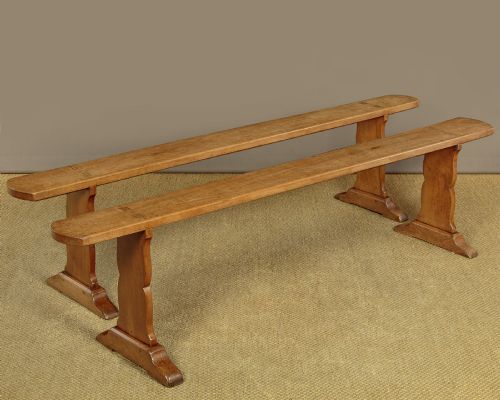
Construction techniques focus on structural stability, seen in heavy oak benches with shaped trestle ends and sturdy refectory frames. Joinery methods prioritise longevity, utilising solid timber boards for table tops and bench seats.
Kitchen Table Seating Retail Price Guide 2026
Typical asking prices for kitchen table seating among the pieces listed under this phrase on Sellingantiques today, from the lower quarter to the upper quarter. They describe what is for sale here now, not the wider market.
Listings feature oak, pine, cherrywood, and walnut across periods spanning the eighteenth, nineteenth, and twentieth centuries.
Assessing quality and proportion
Quality rests in the choice of timber and the integrity of the original construction, with solid oak and cherrywood variants offering superior weight and durability compared to simpler pine alternatives. The presence of dense, well-figured grain enhances the visual character of tables and benches.
Proportion and scale distinguish individual examples, ranging from compact gate leg tables designed for small spaces to expansive refectory tables seating eight to twelve people. The preservation of original surface patination and honest wear adds depth to older pieces from the eighteenth and nineteenth centuries.
The Kitchen Table Seating Glossary
- Refectory table
- A long dining table traditionally used in communal dining halls and adopted into domestic farmhouse kitchens. These pieces typically feature sturdy wooden frames and stretcher supports.
- Gate leg table
- A drop-leaf table with hinged flaps supported by legs that swing out like a gate. This design allows the table to expand or contract according to space requirements.
- Trestle ends
- Supporting uprights at each end of a table or bench, often shaped for stability. They distribute weight evenly across the floor surface.
- Dropleaf
- A table design incorporating hinged leaves that fold down to save floor space. It offers a practical solution for smaller dining areas.
Kitchen Table Seating: Frequently Asked Questions
What defines kitchen table seating?
Kitchen table seating encompasses tables, benches, stools, and chairs built for daily use in domestic dining spaces. These items originate from various historical periods including the Georgian and Victorian eras.
Materials primarily include oak, pine, and cherrywood, reflecting traditional English and continental farmhouse styles designed for communal meals.
How do I choose the right size?
Consider the available floor space and the number of people you need to seat daily. Options range from compact dropleaf tables to large refectory tables accommodating up to twelve guests.
Matching benches and stools provide flexible seating arrangements that tuck neatly underneath larger dining tables when not in use.
Are these pieces suitable for modern homes?
These wooden tables and benches blend practical utility with historical character, fitting easily into contemporary or traditional interiors. Their robust construction ensures they remain functional for everyday family life.
Solid timber surfaces acquire a natural patina over time, handling daily wear with enduring structural resilience.
How do I identify the period?
Dating relies on timber selection, construction methods, and stylistic indicators such as Gothic Revival or Arts and Crafts influences. Earlier eighteenth and nineteenth-century examples often display hand-worked joints and deeper patination.
Twentieth-century pieces frequently utilise bleached oak or simpler farmhouse forms suited to changing domestic layouts.