
Kitchen Dining Table
A proper kitchen dining table brings warmth to a room, offering sturdy utility rooted in centuries of practical domestic life.
Kitchen Dining Table
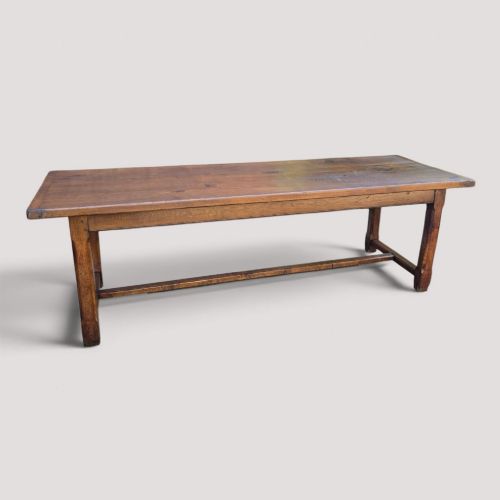
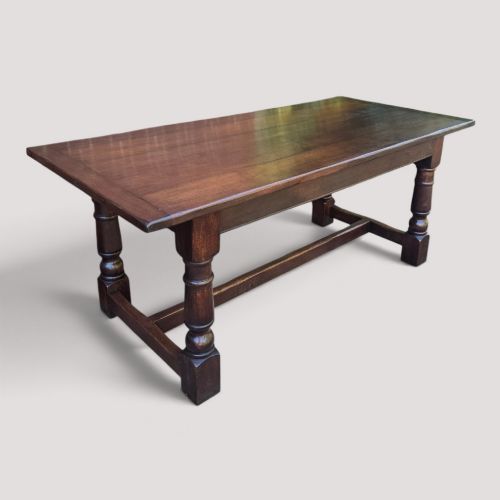
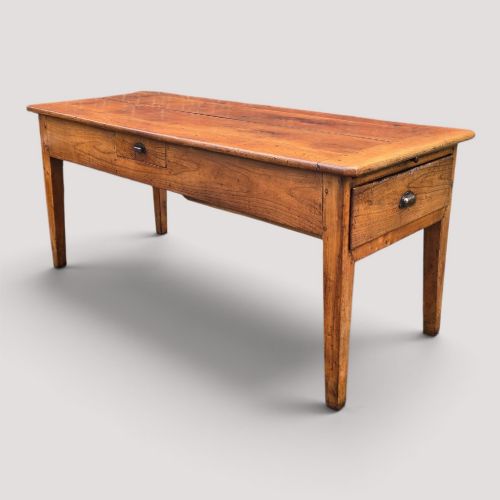
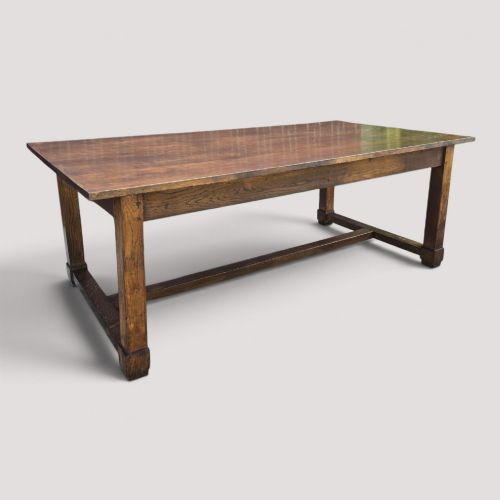
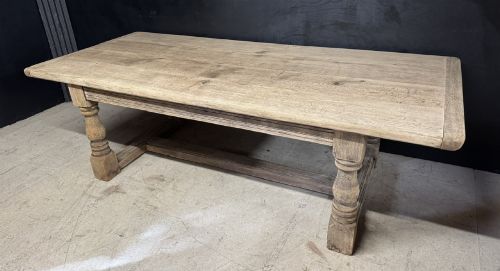
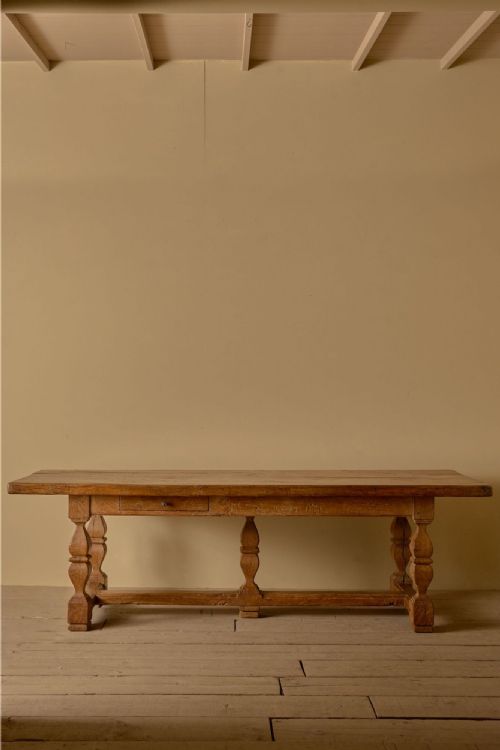
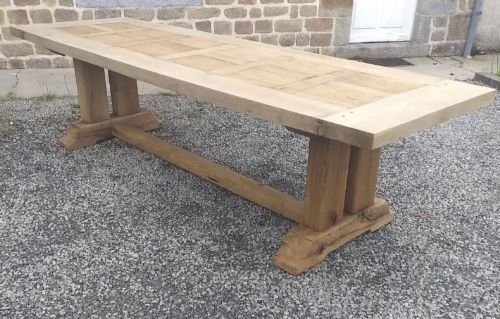
A kitchen dining table serves as the primary gathering place in the home, designed for daily meals and heavy domestic preparation. When you search for a kitchen dining table, you encounter substantial timber furniture shaped by regional traditions across Britain and France.
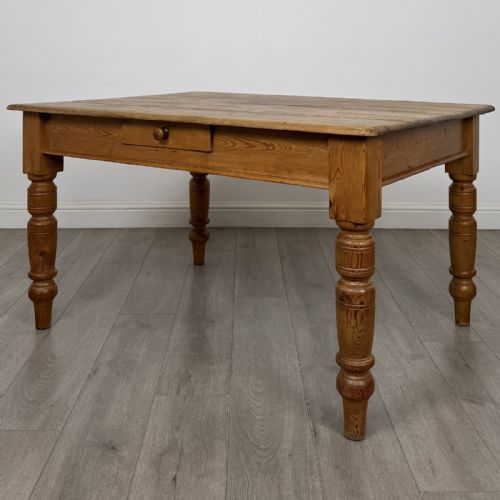
The most common examples on this page are rustic farmhouse and refectory forms built from robust hardwoods. These pieces range from compact Edwardian designs to expansive nineteenth century boards intended for large households.
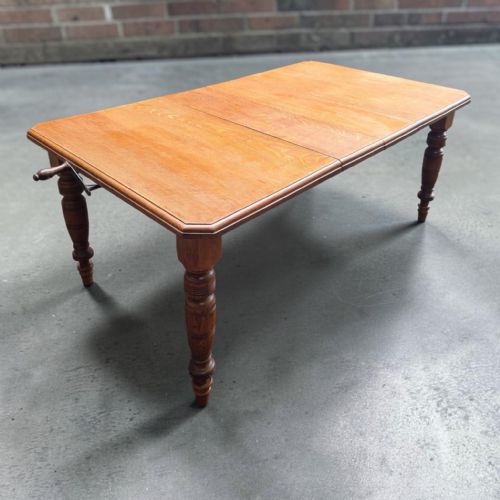
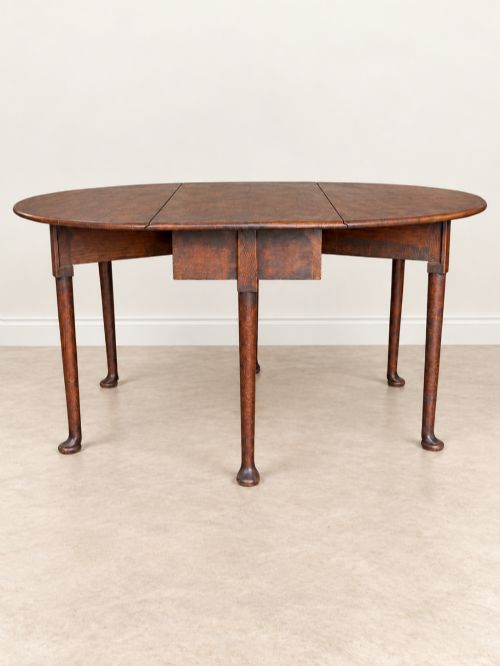
Surviving formats include drop leaf mechanisms, extending leaves, and solid single or twin plank tops. Dresser bases and benches also appear alongside tables, reflecting the broader ensemble of domestic dining spaces.
Factors that define quality
The integrity of the timber planking and the stability of the frame distinguish superior pieces from ordinary examples. Tables formed from single or twin wide planks command greater attention than those joined from many narrow strips.
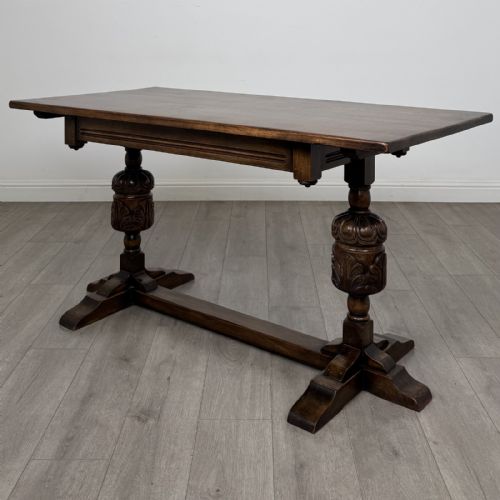
Proportion and execution of the underframe reveal the standard of the workshop. Refined leg turnings, well-fitted draw leaves, and honest patination accumulated through decades of use separate the finer specimens.
Some French cherrywood tables stretch to accommodate twelve diners, built for long village feasts.
Heals of London
The Kitchen Dining Table Glossary
- Refectory table
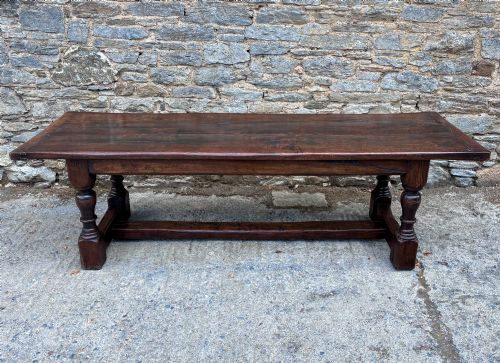
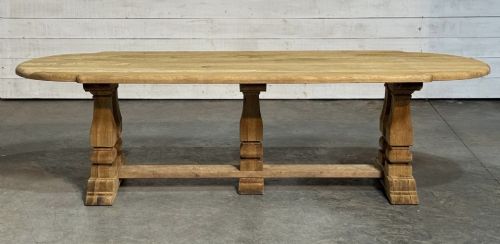
- A long, narrow dining table traditionally used in monastic refectories and later adopted for domestic kitchens. These pieces often feature strong stretcher bases to support long plank tops.
- Scrub top
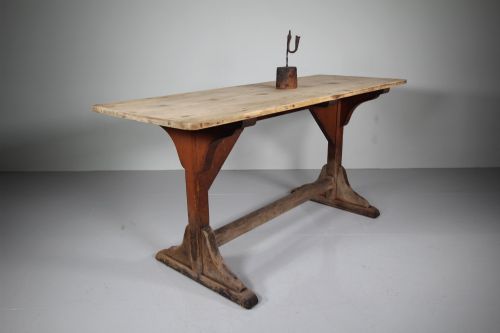
- A bare wooden tabletop designed to be scrubbed clean with water and sand or soap. This finish shows the pale, clean grain characteristic of working French and English farmhouse tables.
- Drop leaf
- A table featuring hinged flaps on one or both sides that fold down to save space. Brackets or swing legs support the leaves when raised for dining.
- Draw leaf
- An extending table mechanism where two hidden leaves pull out from beneath the main top. This design allows the surface length to double without removing items from the centre.
Kitchen Dining Table: Frequently Asked Questions
How do I choose the right size kitchen dining table?
Consider the available floor space in your room, allowing adequate clearance around the perimeter for seating and movement. Measure the length carefully, keeping in mind that refectory and farmhouse formats often accommodate benches or multiple chairs along each side.
Larger formats exceeding three metres suit expansive dining areas, while compact drop leaf or four-seater tables fit modest kitchen spaces. Matching the scale of the table to the proportions of your room ensures comfortable daily use.
What is the difference between a refectory table and a farmhouse table?
Refectory tables typically feature long, narrow proportions supported by robust legs joined with low stretchers. Farmhouse tables encompass a broader range of vernacular styles, often built with simpler rectangular frames and thick plank tops suited to general kitchen work.
Both types served as the functional heart of the home, but refectory designs frequently display more formal architectural styling. Farmhouse tables lean towards utilitarian construction with visible grain and practical working surfaces.
Can I use an antique wooden table for daily family meals?
These tables were built precisely for heavy daily use by generations past. Solid timbers like oak, fruitwood, and chestnut withstand the demands of family life while developing a richer character over time.
Routine maintenance requires little more than wiping surfaces clean and protecting the wood from excessive moisture. Embracing minor marks and knocks allows you to continue the history of the piece.
How do I identify the period of an antique table?
Examine the construction methods, tool marks, and timber selection visible beneath the top and along the frame. Hand-sawn boards, pegged joints, and natural patination point towards eighteenth and nineteenth-century craftsmanship.
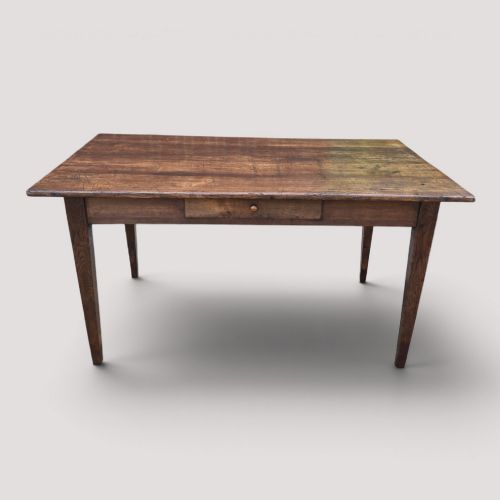
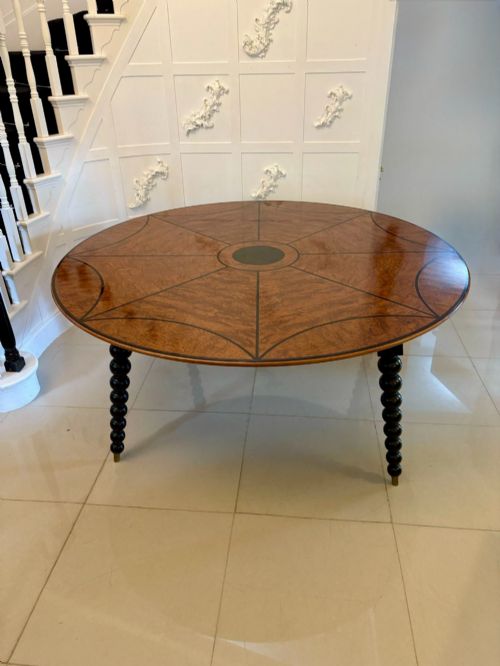
Stylistic cues such as tapered legs, bobbin turnings, or specific revival motifs help narrow the date of manufacture. Comparing the hardware and joinery against documented examples provides further clarity on age.