




Japan Pattern Ceramics
Japan pattern ceramics bring vibrant Eastern-inspired palettes into Western homes through enduring ironstone and porcelain designs.
Japan Pattern Ceramics
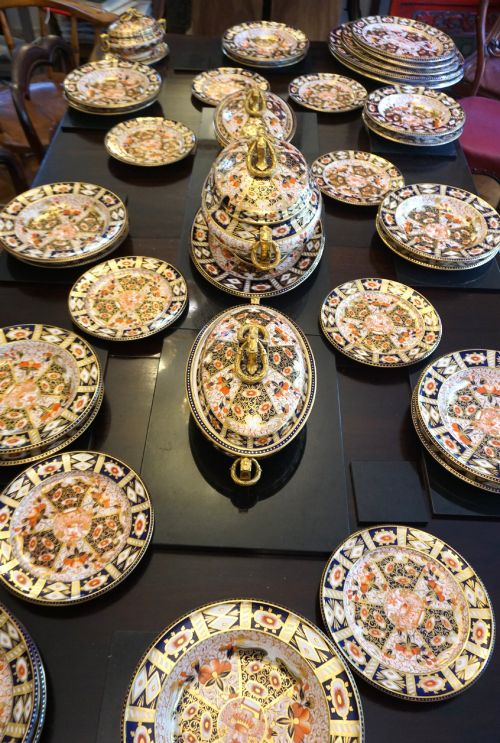
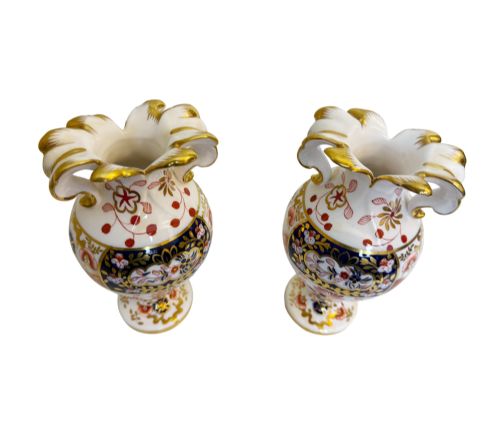
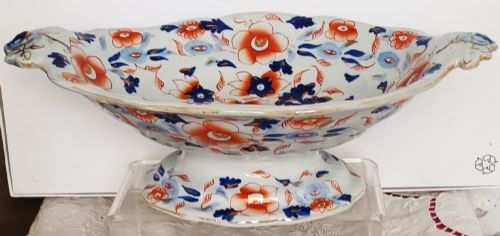
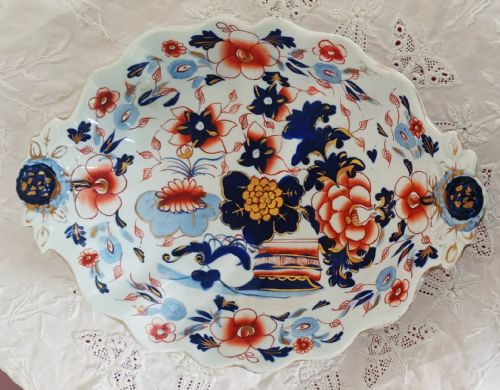
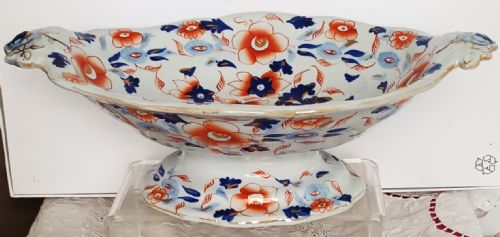
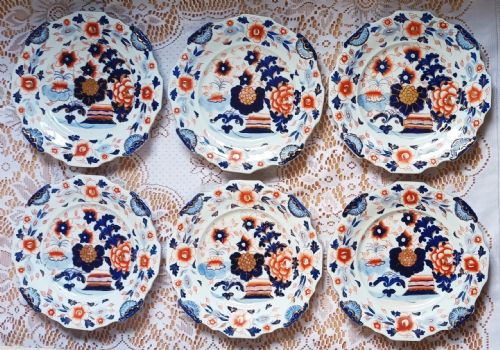
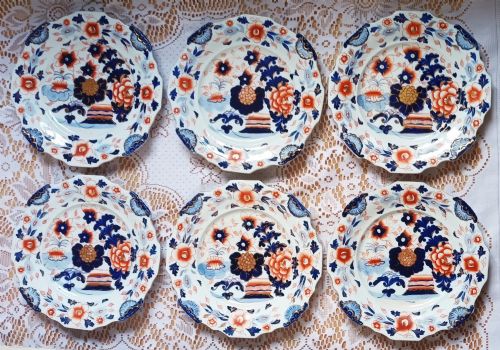
Japan pattern ceramics encompass a distinct group of ornamental and utilitarian wares produced primarily during the nineteenth century, drawing heavily on traditional Japanese aesthetic traditions. Buyers searching for japan pattern ceramics will encounter robust ironstone dinner services, footed comports, and delicate porcelain vases.
The objects span varied domestic forms, including large pedestal bowls, plates, sauce tureens, and soap dishes. Pieces range from extensive matching dinner sets to individual decorative vessels bearing classic motifs.
How they were made
Potters utilised durable ironstone china and fine porcelain as the primary ceramic bodies for these wares. Artisans then applied intricate hand-painted designs using rich enamel colours alongside liberal applications of gold leaf and gilt.
Surface decoration frequently relied on underglaze and overglaze techniques to achieve deep cobalt blues and contrasting iron-reds. Selected pieces incorporate impressed registration marks or factory stamps to record the precise date of design protection.
Japan Pattern Ceramics Retail Price Guide 2026
Typical asking prices for japan pattern ceramics among the pieces listed under this phrase on Sellingantiques today, from the lower quarter to the upper quarter. They describe what is for sale here now, not the wider market.
Nineteenth-century potters thoughtfully provided specialised soap dishes so morning routines could enjoy an exotic burst of Eastern colour.
What varies in quality
Quality rests upon the precision of the hand-applied enamels and the preservation of the delicate gilding across high-use areas. Superior examples exhibit crisp registration of pattern details and robust ironstone bodies without heavy wear.
The scale and completeness of service sets elevate the distinction of individual pieces. Wares featuring complex figurative or botanical motifs demand greater artisan skill than simpler border treatments.
Davenport·Spode·Mason’s·Tagawa
The Japan Pattern Ceramics Glossary
- Ironstone China
- A heavy, durable type of earthenware patented in the nineteenth century. It provides a sturdy alternative to porcelain while accepting complex enamel decoration.
- Imari
- A style of ceramic decoration originating in Japan and widely copied by European potteries. It typically employs a palette of underglaze blue, iron red, and gilt.
- Comport
- A decorative footed dish or bowl used historically for serving fruit or sweets. These elevated vessels form a central feature on dining tables.
- Enamel
- Opaque vitreous material fused to the ceramic surface through firing. It creates the vibrant coloured sections found across traditional patterns.
- Gilt
- A thin layer of gold applied to the ceramic body or glaze. It highlights rims, handles, and specific design elements within the pattern.
Japan Pattern Ceramics: Frequently Asked Questions
What is an Amherst Japan pattern?
Amherst Japan refers to a specific nineteenth-century decorative scheme applied to ironstone ceramics. These designs incorporate traditional Eastern motifs rendered in characteristic enamel palettes.
Such patterns appear primarily on large pedestal bowls and service vessels from the mid-Victorian era.
How do I care for ironstone ceramics?
Ironstone ceramics require gentle cleaning with warm water and mild soap to protect the surface enamels. Avoid abrasive scrubbers that might damage the delicate gilt highlights.
Hand washing preserves the historic glaze and prevents undue stress on nineteenth-century bodies.
Are these pieces suitable for daily dining?
Many nineteenth-century service pieces remain structurally robust enough for occasional use at the dining table. However, collectors often reserve them for display due to historic gilding wear.
Plates and comports handle light service well when treated with appropriate care.
What distinguishes Edwardian examples?
Edwardian items often reflect refined Japanese Meiji period influences alongside traditional British ceramic manufacturing methods. They frequently feature signed artist marks and specific regional origins like Kyoto.
These later pieces sit alongside robust Victorian ironstone within the broader category.