
Jacobean Wood Carving
Genuine jacobean wood carving brings solid oak furniture, panels, and chests bearing deep geometric patterns and strapwork straight into your home.
Jacobean Wood Carving
When you search for jacobean wood carving, you encounter authentic seventeenth-century panels alongside later revival pieces produced during the Victorian, Edwardian, and early twentieth-century periods.
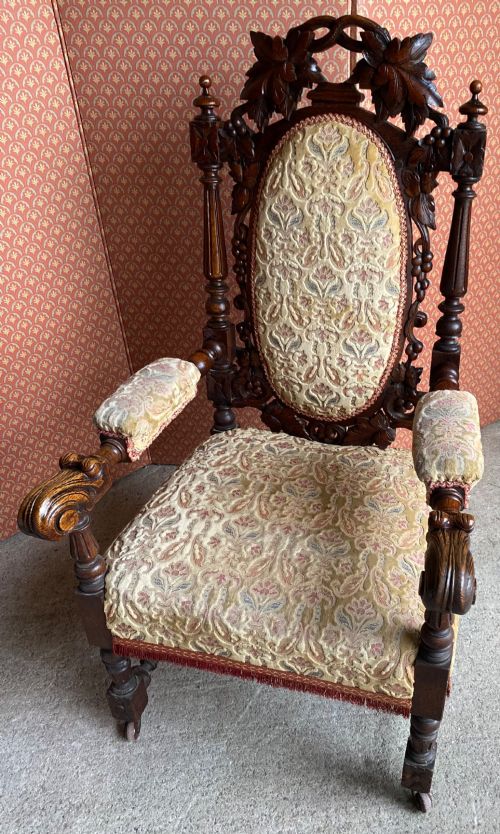
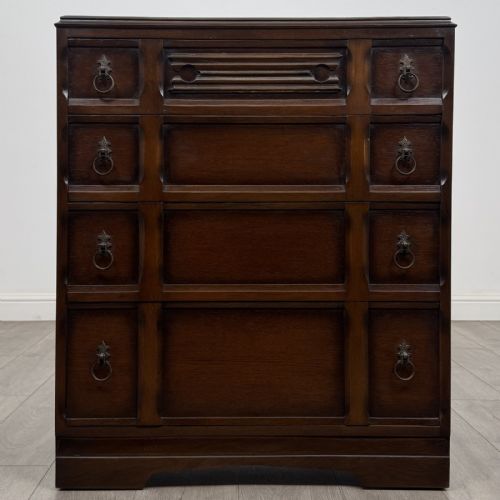
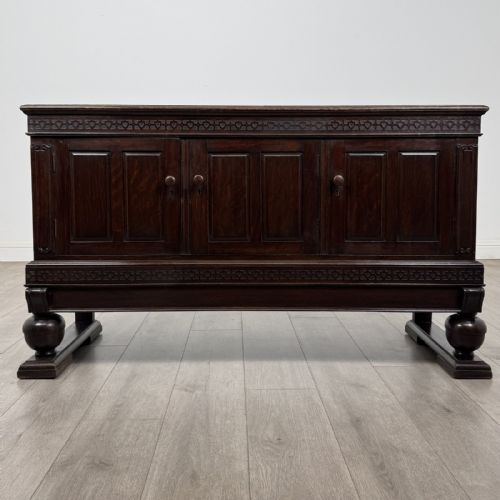
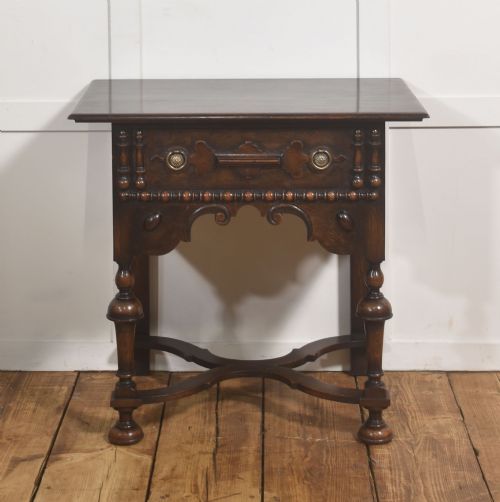
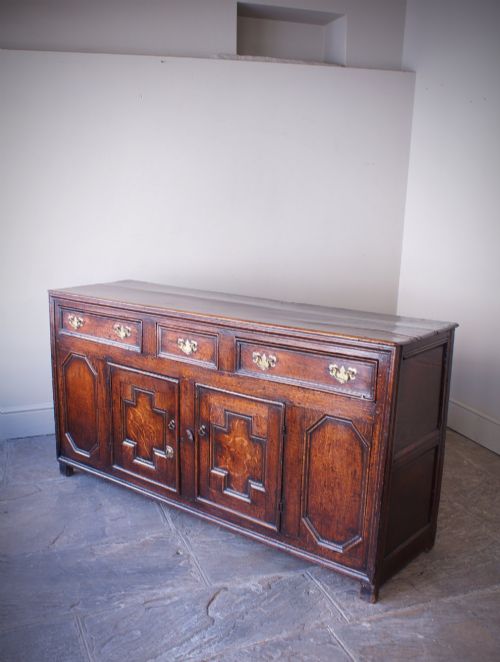
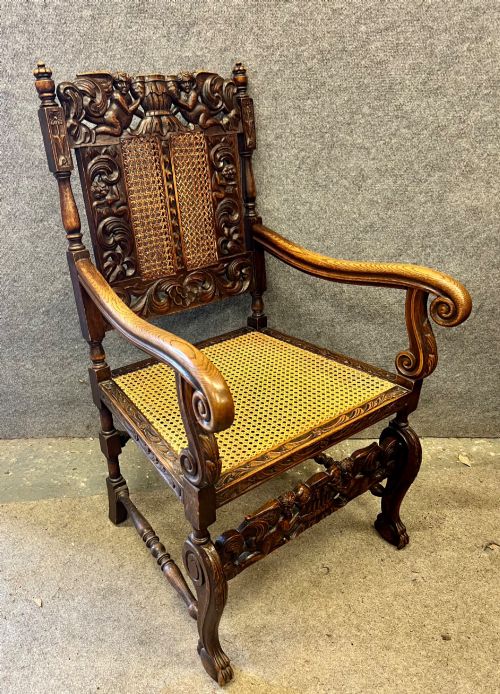
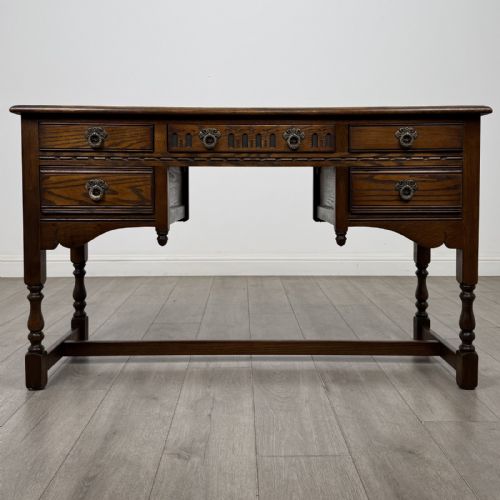
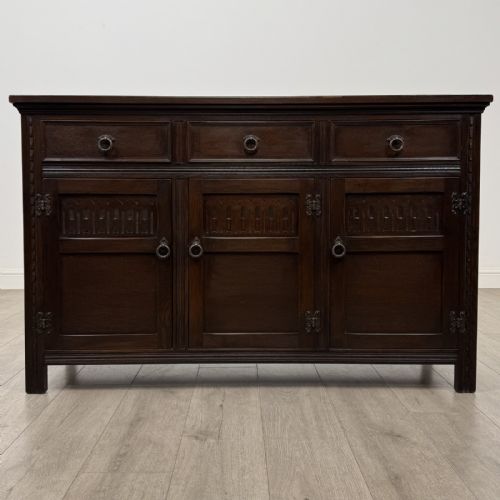
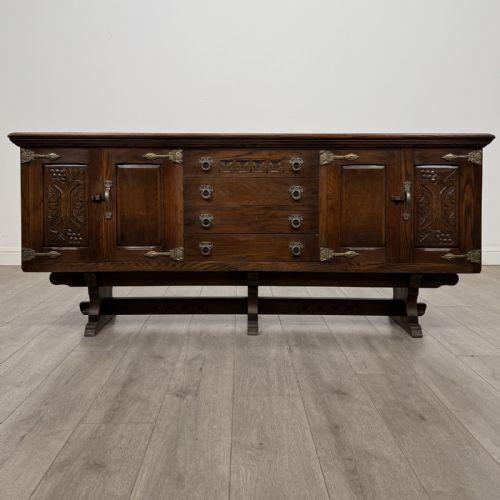
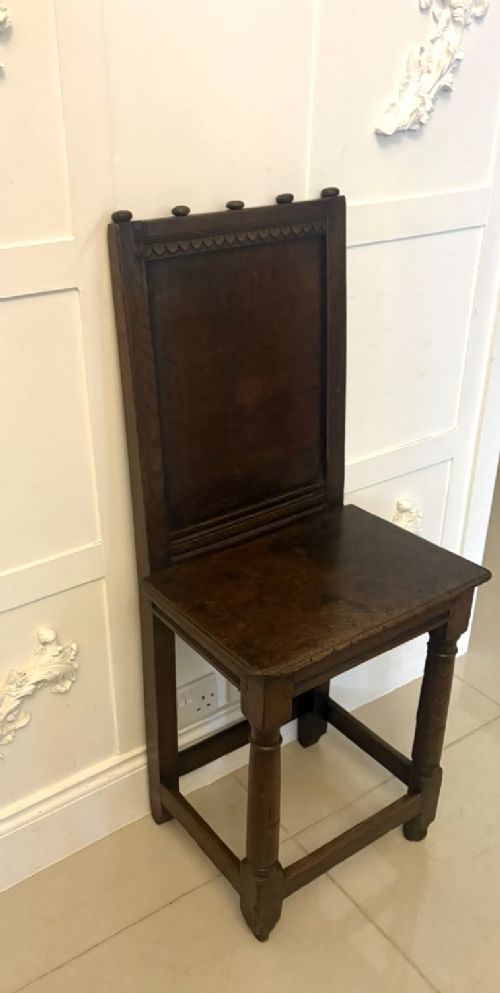
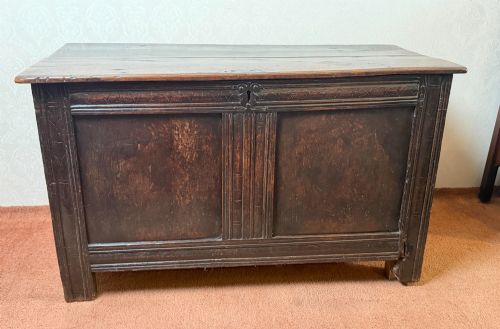
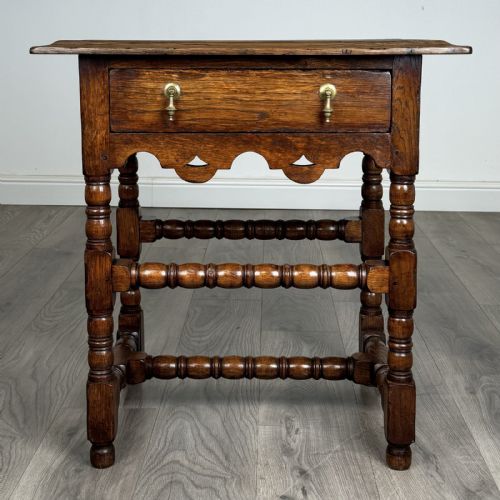
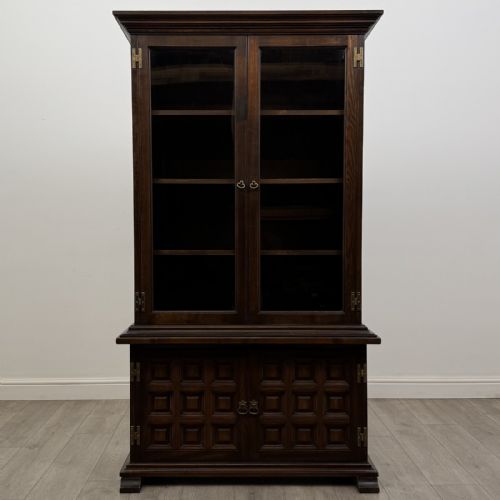
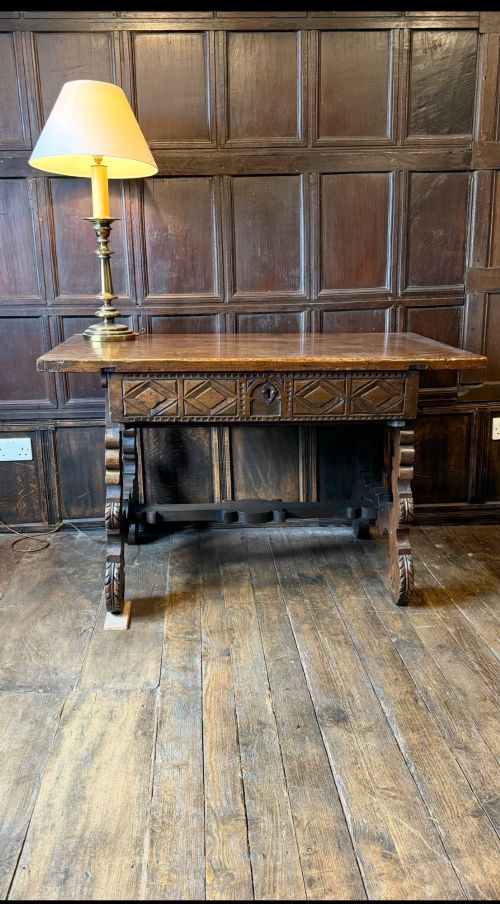
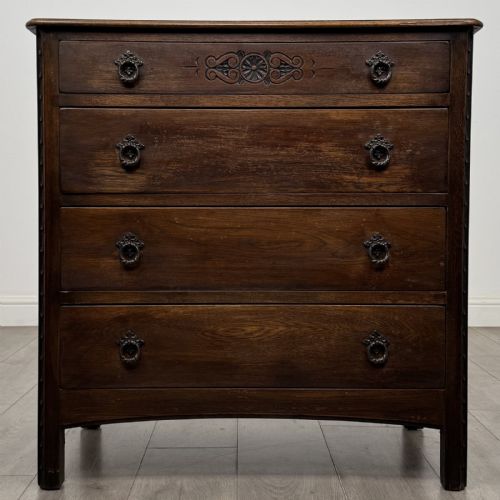
The most common forms on this page include sturdy sideboards, side tables, coffers, chests of drawers, and armchairs built primarily for functional household storage and seating.
Materials and construction
Solid oak forms the primary structural material for almost every piece, complemented occasionally by walnut, cane, brass, iron, and glass hardware.
Craftsmen utilised traditional joinery methods, combining high-relief hand carving with pegged joints to produce heavy panels, drawers, and framework.
Assessing craftsmanship and execution
The standard of carving defines the upper tier of pieces, showing crisp lines, deep relief work, and well-defined geometric panels rather than shallow machine stamping.
Proportion and timber selection dictate overall merit, separating heavy-handed revival items from well-balanced furniture displaying rich grain patterns in the oak.
The Jacobean Wood Carving Glossary
- Jacobean Revival
- A nineteenth and early twentieth-century style imitating the heavy oak furniture and decorative motifs of the early seventeenth century. It brought dark timber and geometric panelling back into fashionable homes.
- Coffer
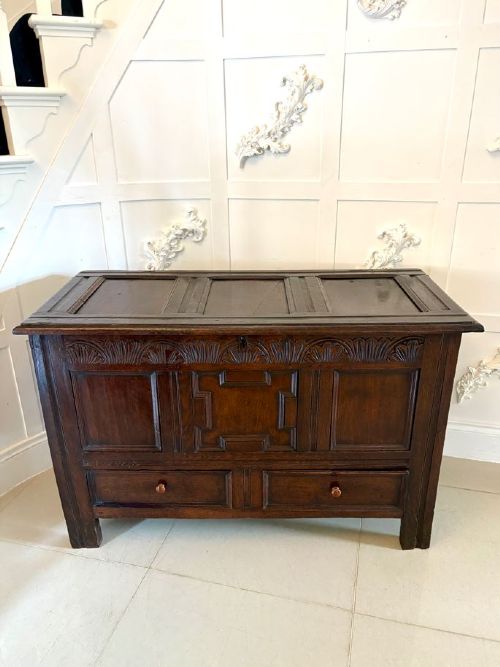
- A large wooden chest traditionally used for storing valuables, textiles, or documents. Early examples often feature front panels carved with intricate strapwork.
- Stretcher base
- Horizontal wooden bracing connecting the legs of a table, chair, or sideboard near the floor. This construction adds rigidity to heavy oak frames.
- Linenfold
- A style of wood carving that mimics folded fabric or linen cloth. It appears frequently on panels for cupboards and chests.
- Barley twist
- A turned wooden leg or support shaped like a spiral rope. This decorative feature appears commonly on Edwardian side tables and sideboards.
Jacobean Wood Carving: Frequently Asked Questions
How do I spot a true seventeenth-century piece?
Authentic seventeenth-century items display hand-cut tool marks, pegged joinery, and natural timber ageing that differs significantly from later machine-made revival furniture. Examining the backboards, interior surfaces, and wear patterns reveals the true age of the construction.
Revival pieces from the Victorian and Edwardian eras often copy the distinct geometric panels and dark oak finishes of the earlier period. Comparing the construction methods helps clarify whether a piece originates from the 1600s or a later revival workshop.
What is a mule chest?
A mule chest combines the storage space of a traditional coffer with one or more drawers built into the base. This practical evolution allowed owners to access smaller items without disturbing the contents stacked above.
These pieces appeared frequently in seventeenth-century English households for storing clothing and linens. The addition of drawers marked a significant development in domestic furniture design.
How do I care for antique oak furniture?
Keep solid oak furniture away from direct heat sources and dramatic humidity changes to prevent the timber from splitting or warping. Dust the carved surfaces regularly with a dry cloth and apply a quality beeswax sparingly when the wood appears dry.
Avoid modern liquid polishes containing silicones, which can build up on antique finishes over time. Proper placement in a stable indoor environment protects the traditional joinery and carved details.
What is strapwork decoration?
Strapwork is a carved ornamental motif resembling flat interlaced bands or leather straps folded into geometric patterns. It served as a popular decorative element on seventeenth-century panels and friezes.
This technique adds texture and depth to flat wooden surfaces, characterising the architectural style of early English oak furniture. Revival pieces frequently replicate these exact patterns.