
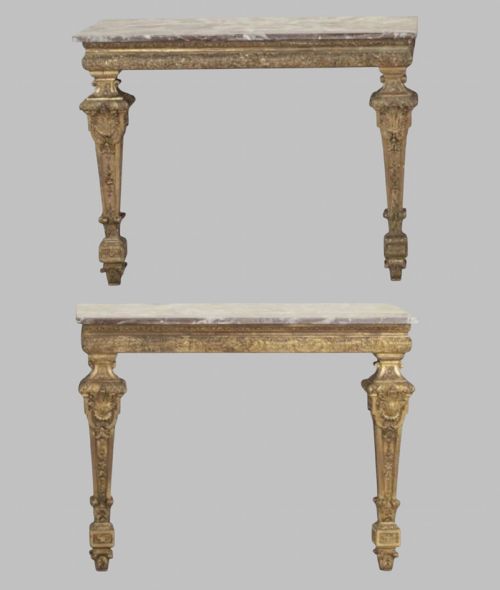

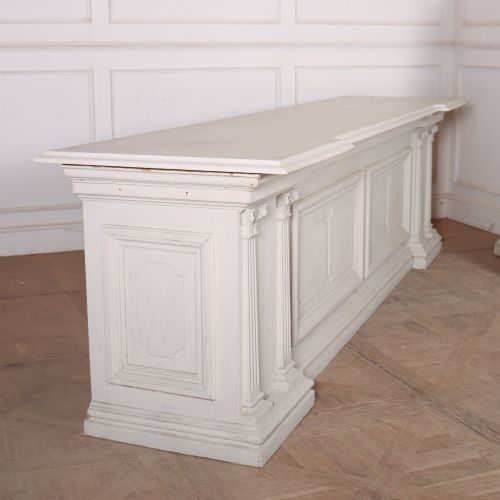
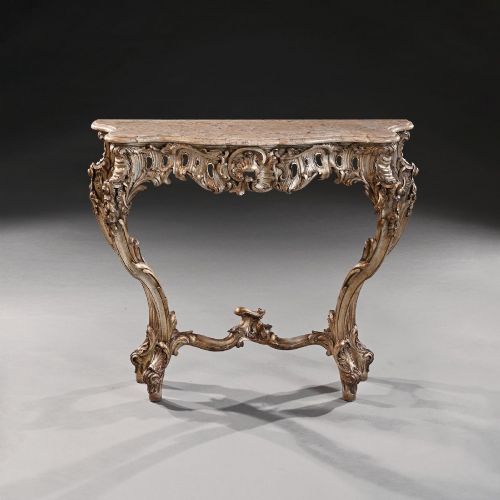
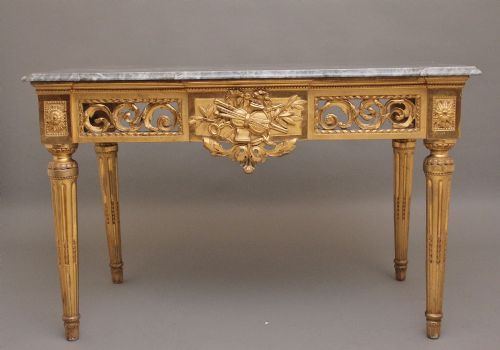

Italian Wood Console
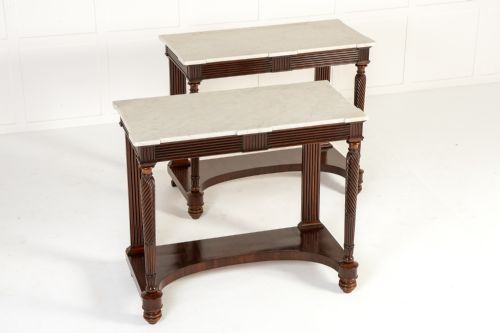
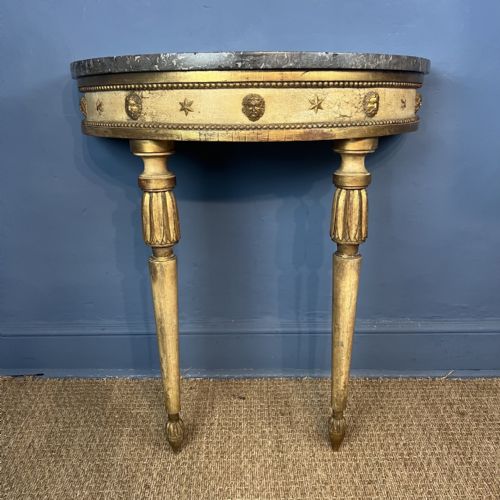
An italian wood console brings dramatic carved ornament and heavy marble to a room, functioning as a focal point against a wall.
Italian Wood Console
When someone searches for an italian wood console, they are looking at decorative furniture designed to sit against a wall, often paired with a matching mirror or painting above. The pieces on this page span several centuries, with particular strength in examples from the eighteenth and nineteenth centuries.
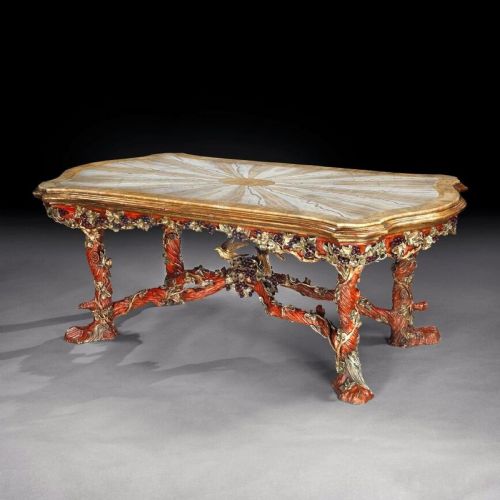
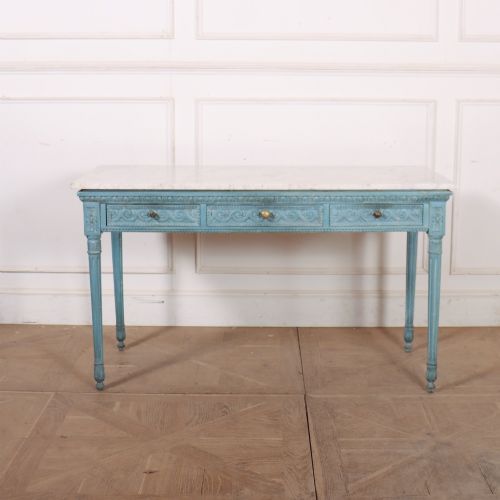
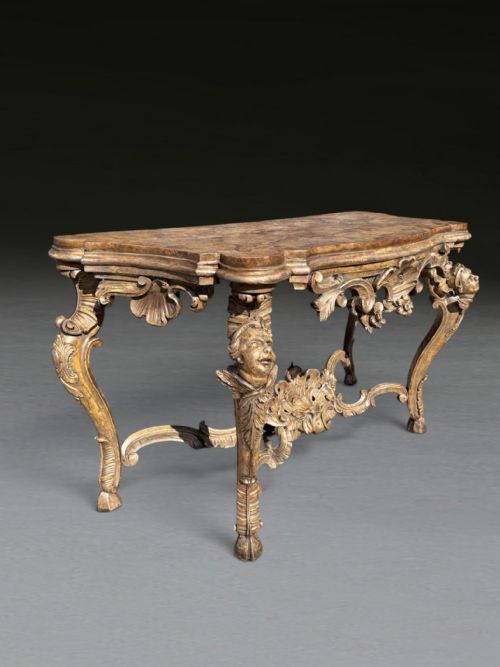
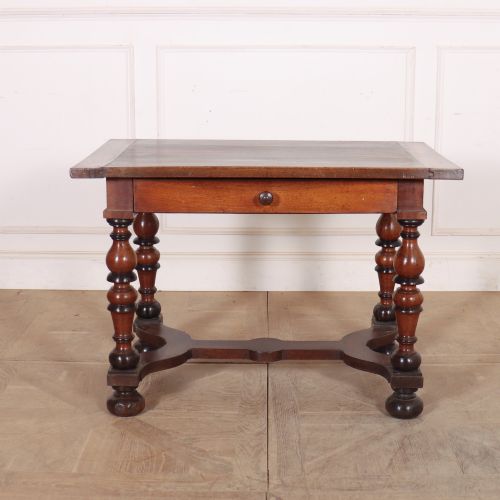
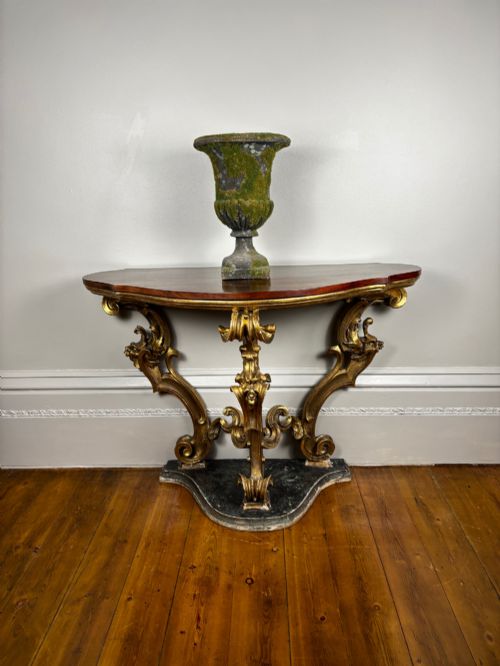
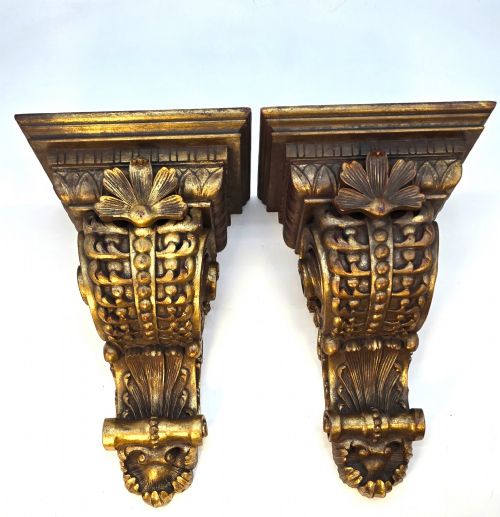
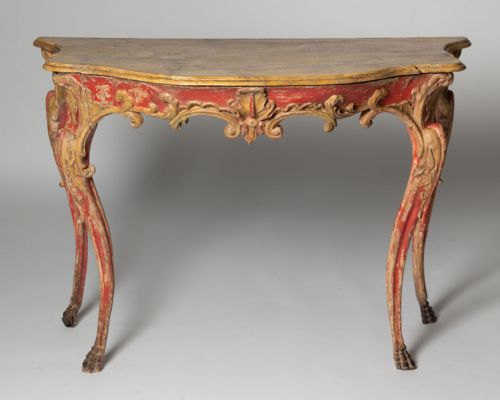
The forms vary from grand serpentine and demi-lune shapes to simpler side tables and wall brackets. Makers utilised carved wood, walnut, and mahogany, frequently applying giltwood or paint to achieve the desired decorative effect.
Materials and Construction
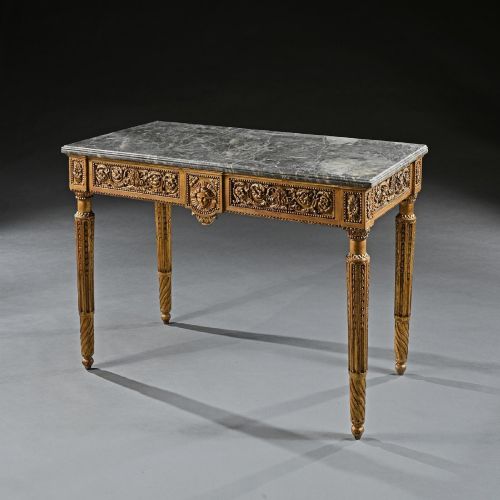
Makers constructed these tables from solid hardwoods such as walnut and mahogany, applying gesso layers to carved wood surfaces in preparation for gilding. Gold leaf and silver gilt finishes give many pieces their metallic sheen, while other examples feature painted wood or faux porphyry finishes.
Tops are heavily represented by various types of stone, including rouge marble, breccia marble, and onyx, fitted directly onto the wooden frames. Carved details range from cherubs and lion's paw supports to intricate scrolls characteristic of Baroque and Rococo styles.
Evaluating Quality and Craftsmanship
The standard of carving defines the distinction between ordinary pieces and exceptional ones, visible in the depth and crispness of the foliage, figures, and scrollwork. Hand-carved details executed by skilled hands display an organic flow that machine-produced work lacks.
The integration between the stone top and the wooden base also indicates quality, with custom-fitted marble or onyx plates sitting securely within heavily gilded or polished wooden aprons. Original gilding surfaces and period-correct structural joins carry more weight among collectors than later restorations.
Amleto Bertoni·Luigi Frullini
The Italian Wood Console Glossary
- Giltwood
- Wood that has been coated with gold leaf or metal powder over a prepared gesso ground. This finish catches candlelight and natural illumination in formal rooms.
- Console table
- A table supported by wall brackets or console legs, designed to stand against a wall. These pieces often feature flat backs and decorative front legs.
- Demi-lune
- Half-moon shaped furniture. This profile allows the table to sit flush against a wall while projecting outward into the room.
- Gesso
- A plaster-like mixture applied to wood surfaces to create a smooth base for carving or gilding. It allows for crisp relief details before the application of gold leaf.
Italian Wood Console: Frequently Asked Questions
How were console tables used historically?
These tables stood against drawing room walls beneath large mirrors or paintings, serving as decorative display surfaces rather than writing desks. They held ornaments, clocks, and candelabra during evening gatherings.
Their placement emphasised the symmetry and architectural grandeur of formal European interiors, often matching wall brackets or pier mirrors.
What is the difference between Baroque and Rococo styles?
Baroque design employs heavy, monumental proportions with robust carving, dramatic scrolls, and solemn grandeur. Pieces from this aesthetic project immense weight and strength.
In contrast, Rococo favours asymmetrical curves, lighter forms, and playful motifs like shells and foliage. The lines become more fluid and organic.
How do I care for a giltwood console?
Keep these tables away from direct sunlight and moisture to protect the delicate gold leaf and underlying gesso. Dust gently with a dry, soft brush rather than a cloth that might catch on raised carvings.
Avoid liquid cleaners entirely, as moisture penetrates the metallic leaf and causes flaking over time.
Are marble tops original to these tables?
Many tables retain their original stone tops, such as rouge marble, breccia, or onyx, cut specifically to follow the serpentine or demi-lune contours of the wooden frame. Heavy stone required robust wooden aprons for adequate support.
Replacement tops occur due to historical damage, so examine the seating joint where the marble meets the wooden rail for consistency.