



Italian Glass Pendant
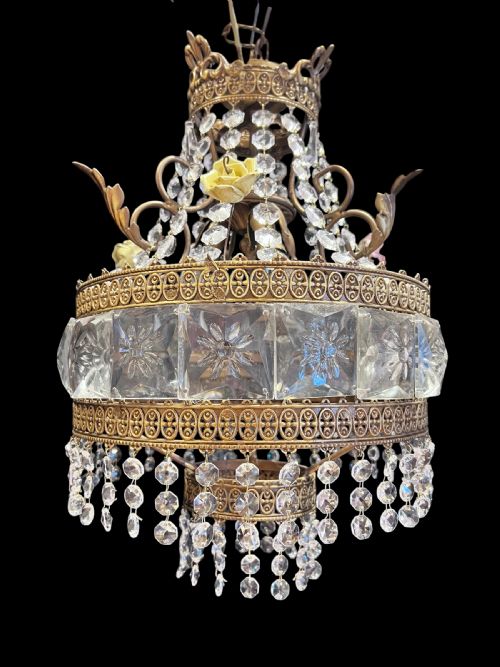
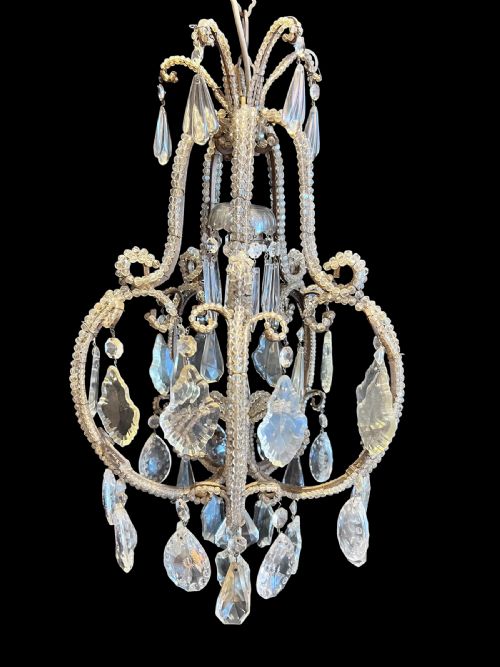
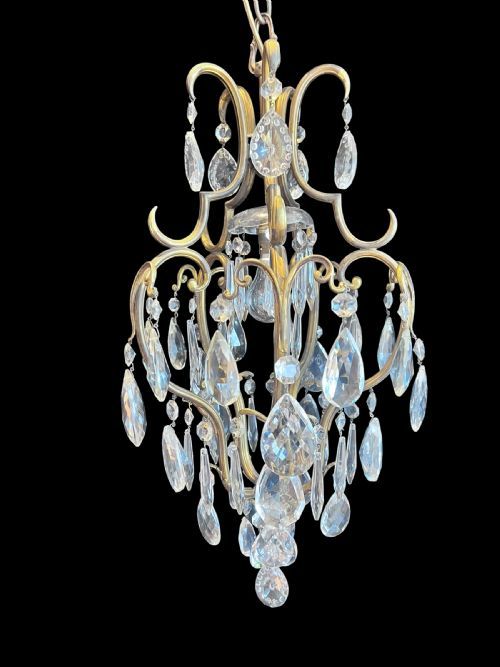
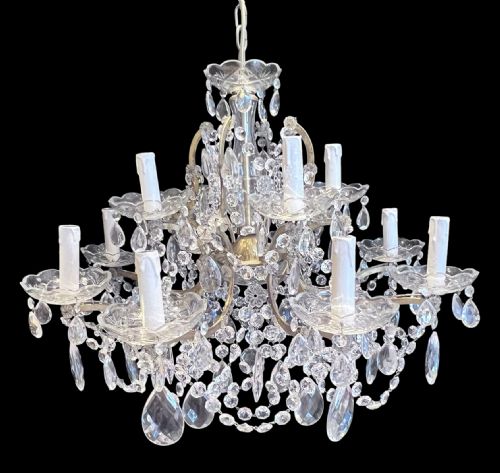
An italian glass pendant offers atmospheric overhead lighting shaped by centuries of decorative traditions originating from Venice, Florence, and Genoa.
Italian Glass Pendant
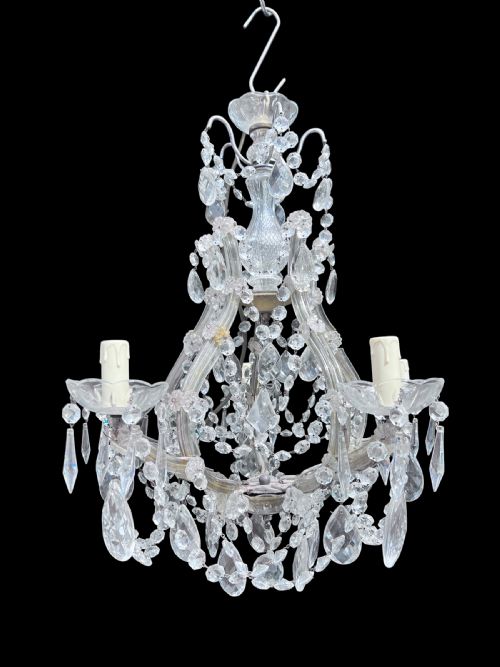
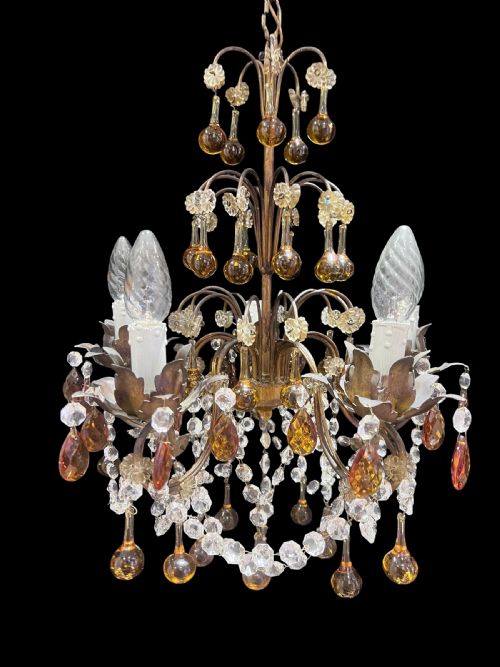
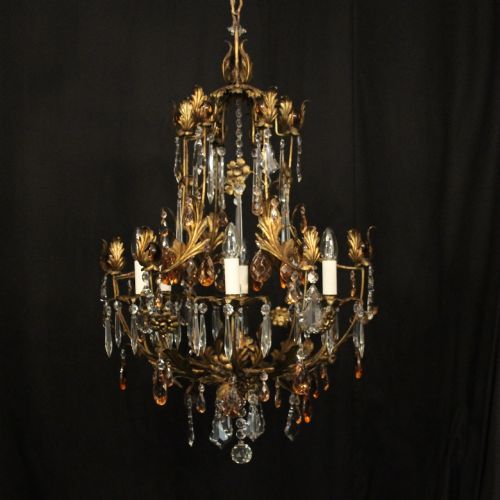
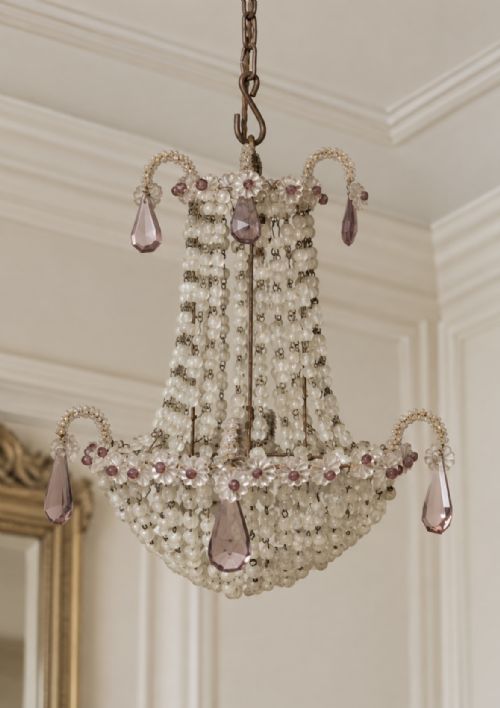
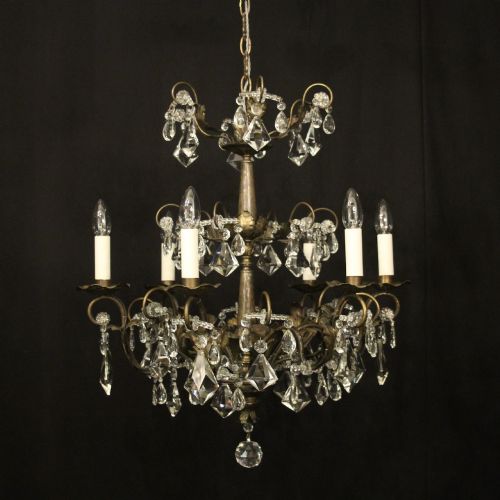
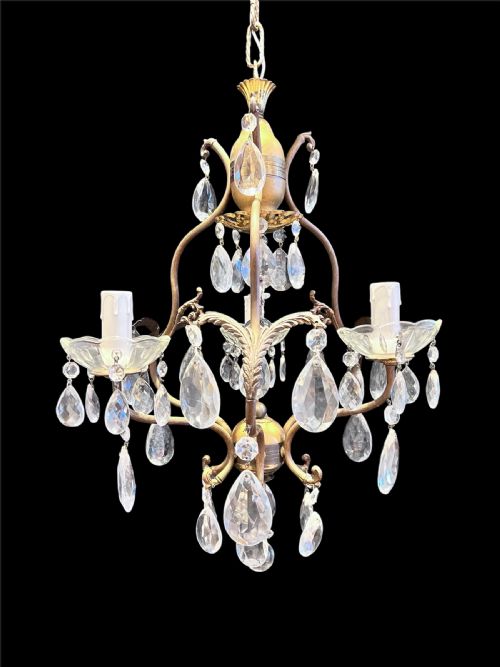
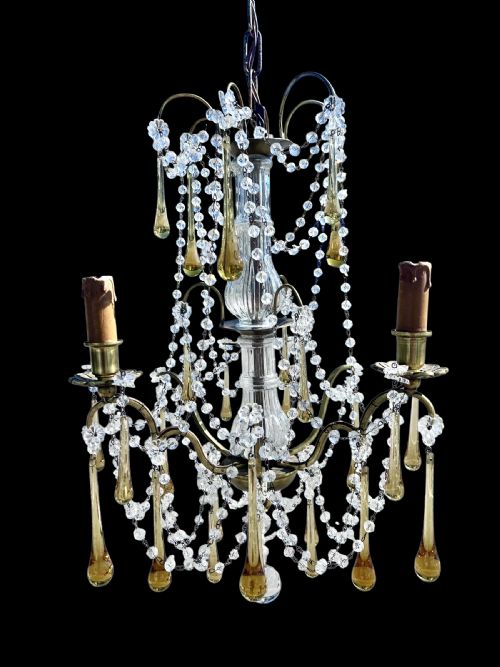
These fixtures serve as central overhead illumination for hallways, drawing rooms, and dining spaces. Common formats include single bulb lanterns encased in gilt frames or coloured glass drops, as well as elaborate multi-tiered structures hung with crystal fruit and beaded garlands.
Materials and construction methods
Makers utilised blown glass, crystal, and opaque components shaped into delicate floral motifs, grapes, apples, and pears. These glass elements hang from metal frameworks composed of brass, wrought iron, gilded bronze, and carved giltwood.
Structural integrity relies on mechanical fastening where glass drops and crystal beads are wired directly to metal armatures. Gilding and silvering techniques applied to bronze, iron, and wood surfaces provide the decorative metallic finishes characteristic of these hanging lights.
Italian Glass Pendant Retail Price Guide 2026
Typical asking prices for italian glass pendant among the pieces listed under this phrase on Sellingantiques today, from the lower quarter to the upper quarter. They describe what is for sale here now, not the wider market.
The listings show materials spanning blown glass, crystal, wrought iron, and gilded bronze across nineteenth and early twentieth-century Italian designs.
Assessing quality and craftsmanship
Quality separates fixtures by the complexity of their glasswork and the fineness of their metal armatures. Hand-blown elements, intricate crystal cutting, and detailed polychrome or gilded wood carving mark out superior examples.
The density and clarity of the crystal components, alongside the weight and durability of the supporting bronze or brass frames, dictate the overall standard of manufacture.
The Italian Glass Pendant Glossary
- Florentine
- A decorative style originating from Florence characterised by ornate giltwood, polychrome details, and floral motifs. These pieces often incorporate carved frames and elaborate leaf scrollwork.
- Maria Theresa
- A classical chandelier style featuring flat metal arms covered by glass strips and secured with decorative rosettes. This form frequently incorporates cascading crystal drops and multi-tiered illumination.
- Gilt bronze
- An alloy treated with a layer of gold to produce a rich metallic sheen resistant to tarnishing. It provides both structural support and decorative brilliance in high-end lighting.
- Toleware
- Painted or lacquered sheet metal used to form decorative leaves, flowers, and lantern components. This material introduces colour and organic shapes into the metal framework.
- Blown glass
- Molten glass shaped through the inflation of air via a blowpipe. This technique produces hollow vessels, organic fruit shapes, and translucent hanging drops.
Italian Glass Pendant: Frequently Asked Questions
How do I hang a heavy antique pendant?
Suspension requires fixing directly into ceiling joists or installing a dedicated structural hook capable of supporting the combined weight of metal and glass. Professional electrical installation ensures the internal wiring safely handles the required load.
Heavier multi-tiered fixtures demand robust ceiling brackets to distribute the downward pull securely. Consultation with a qualified electrician prevents structural damage to older lath and plaster ceilings.
What rooms suit these hanging lights?
Smaller single-light lanterns and pendants fit narrow hallways, entryways, and intimate seating areas where ceiling height remains modest. Larger multi-branch formats anchor dining tables and expansive reception rooms.
Placing a pendant centrally allows the glass elements to refract natural and artificial light effectively across the space. Height adjustments ensure the fixture clears walkways while remaining a focal point.
How do I clean delicate glass drops?
Maintenance involves removing dust with a soft brush and wiping individual glass elements using a mild solution of warm water and gentle soap. Each crystal or glass fruit must be dried thoroughly to prevent water spots.
Harsh chemical cleaners damage gilt surfaces and fragile metal lacquering surrounding the glass. Careful handling prevents accidental detachment of wired crystal garlands during cleaning.
How can I tell a Florentine style apart?
Florentine pieces are distinguished by carved giltwood frames, polychrome finishes, and organic motifs including leaves and flowers. Their structure often emphasises rich surface ornamentation over exposed metal arms.
In contrast, Maria Theresa designs rely on flat glass-covered arms and cascading crystal drops. Recognising these structural differences helps identify regional Italian manufacturing traditions.