



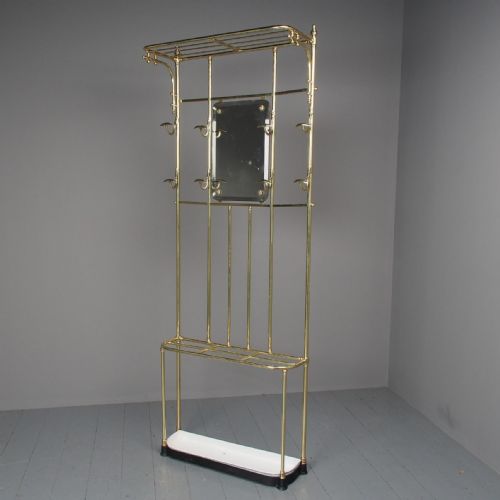


Iron Hat Stand
An iron hat stand brings industrial weight and practical purpose to an entrance hall, offering sturdy hooks and umbrella storage.
Iron Hat Stand
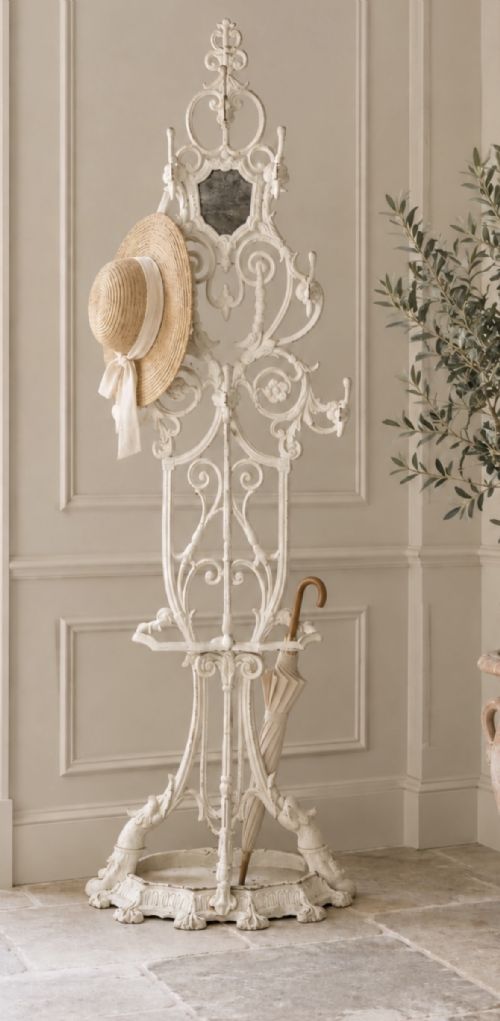
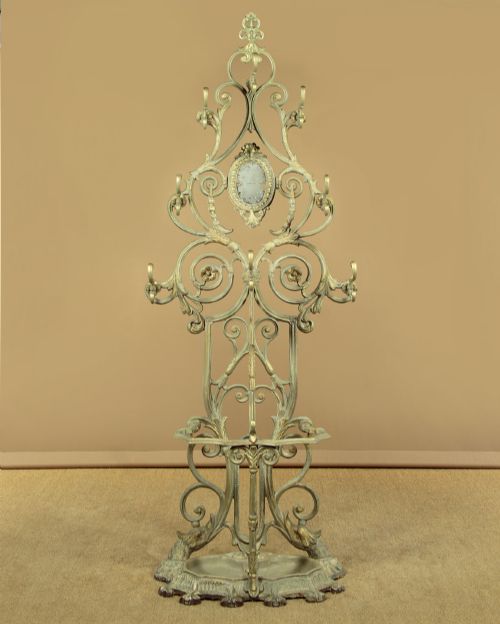
When you search for an iron hat stand, you encounter heavy hall furniture designed for nineteenth and early twentieth-century cloakrooms and hallways. The listings combine robust metal framework with functional hooks, mirrored panels, and umbrella trays.
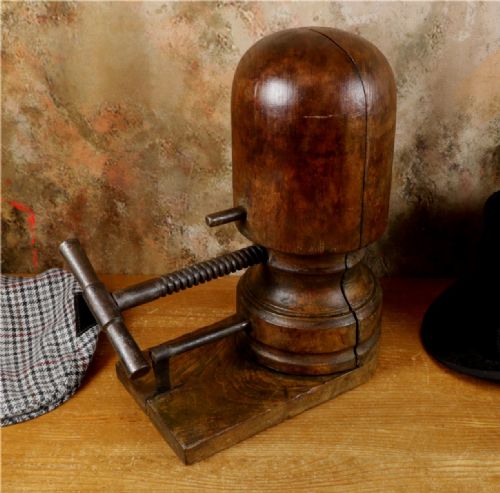
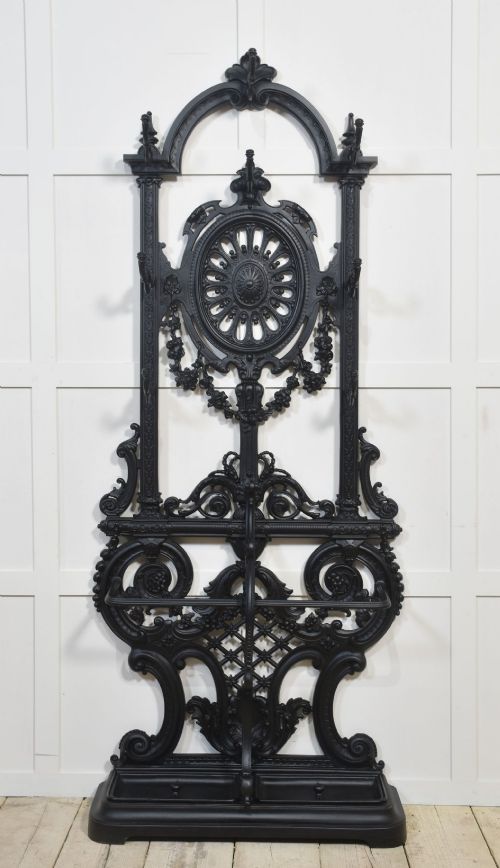
You are most likely to meet Victorian cast iron hall stands and later French art deco wrought iron designs on this page. These pieces range from grand portico stands to wall-mounted coat racks and specialised milliner hat stretchers.
The objects stem from various periods including the nineteenth century, the Victorian era, the Edwardian years, and the 1920s or 1930s. Their forms serve the domestic reception hall, the country house cloakroom, and the industrial haberdashery workspace alike.
Materials and construction methods
Makers utilised cast iron and wrought iron as the structural backbone for these hall stands, often incorporating brass hooks, glass mirrors, and wooden elements. Foundries poured molten metal into intricate moulds to achieve the ornate scrollwork and botanical motifs seen in Victorian Gothic and rococo revival pieces.
Later French art deco examples relied on hammered and forged wrought iron to create geometric frames fitted with shelves and mirrors. Surface decoration frequently involved painted finishes applied directly over the iron or brass components to protect the metal and enhance visual depth.
Iron Hat Stand Retail Price Guide 2026
Typical asking prices for iron hat stand among the pieces listed under this phrase on Sellingantiques today, from the lower quarter to the upper quarter. They describe what is for sale here now, not the wider market.
Some nineteenth-century hats clearly possessed stubborn opinions, requiring heavy wooden stretchers to negotiate peace before venturing outdoors.
Assessing quality in metal hall furniture
The distinction between standard utility items and finer examples rests in the crispness of the iron casting and the complexity of the design. Foundries like Coalbrookdale produced deeply detailed scrollwork with sharp relief, whereas generic pieces show softer edges and simpler assembly.
Structural integrity also separates the output, visible in the stability of the heavy base and the secure mounting of the drip pans and coat hooks. The inclusion of original bevelled mirror glass, brass fittings, and intact painted surfaces elevates the overall execution of the stand.
Coalbrookdale·Falkirk Foundry
The Iron Hat Stand Glossary
- Cast iron
- A strong, hard alloy of iron and carbon poured into moulds to create rigid forms. It allowed nineteenth-century foundries to mass-produce highly ornate hall stands with complex botanical and architectural patterns.
- Wrought iron
- Iron that is heated and hammered into shape by hand rather than cast in a mould. This material characterises lighter, more linear frameworks such as French art deco hall stands.
- Hall stand
- A piece of hallway furniture combining coat hooks, a hat rack, an umbrella stand, and frequently a central mirror. These items greeted visitors in Victorian and Edwardian reception halls.
- Hat stretcher
- A mechanical wooden device used by milliners and hatters to adjust the size of hats. Some examples double as display stands for wigs and headwear.
Iron Hat Stand: Frequently Asked Questions
How do I clean an iron hall stand?
Dust the iron framework regularly with a soft dry cloth to prevent dirt accumulation in the recessed casting details. Avoid using harsh chemical cleaners that might strip the original painted surface or damage the surrounding brass and wood.
Apply a microcrystalline wax sparingly to bare metal parts if rust protection is required. Keep mirrored glass and umbrella drip trays wiped dry after wet weather.
Where should I place a portico coat stand?
Position your stand in a spacious hallway, entrance vestibule, or reception room where its height and architectural presence can be appreciated. Ensure the floor surface is level and capable of supporting a heavy metal structure.
Leave sufficient clearance around the hooks and umbrella wells for daily use. Keep the stand away from direct and constant moisture sources to protect any integrated mirrors or wooden elements.
Are these stands suitable for modern homes?
These pieces provide practical clothes hanging and umbrella storage while anchoring contemporary minimalist or industrial interiors. Their durable metal construction handles heavy winter coats and bags with ease.
Select a wall-mounted rack for compact entryways or a freestanding portico stand for larger open-plan spaces. The mix of dark metal and glass complements both historic and modern architectural backdrops.
How do I date a cast iron stand?
Examine the style of the ornamentation, comparing Victorian Gothic revival and rococo motifs with later art deco geometry. Maker marks, foundry stamps, and registration numbers cast into the reverse of the iron provide direct clues to the production era.
The presence of original bevelled mirror glass, hand-threaded screws, and specific paint layers also helps narrow down whether a piece originates from the nineteenth century or the 1920s.