

Inlaid Top Table
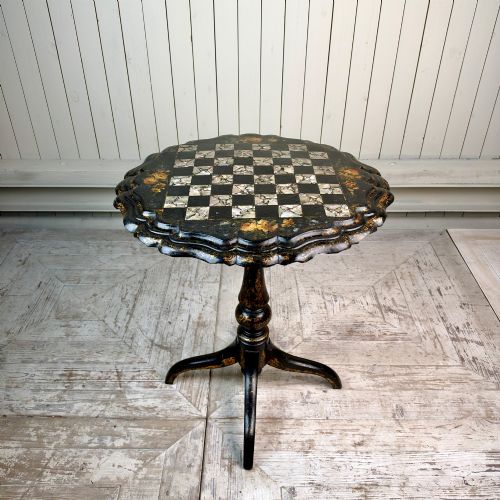
An inlaid top table brings timber surfaces alive with contrasting woods and mother of pearl.
Inlaid Top Table
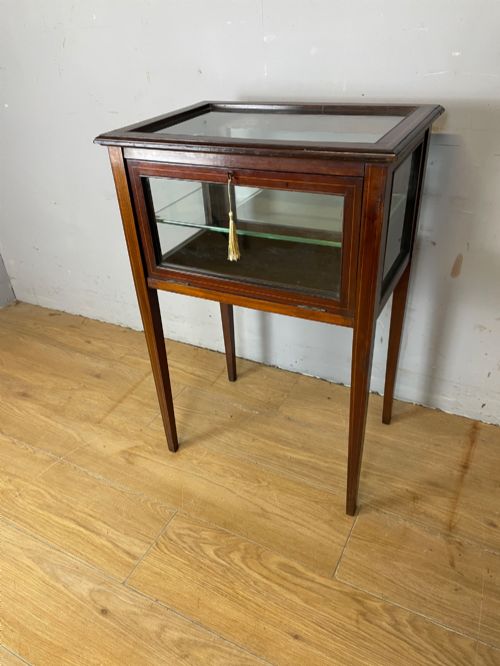
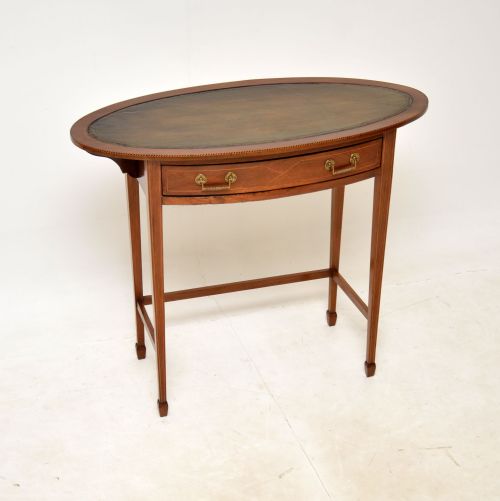
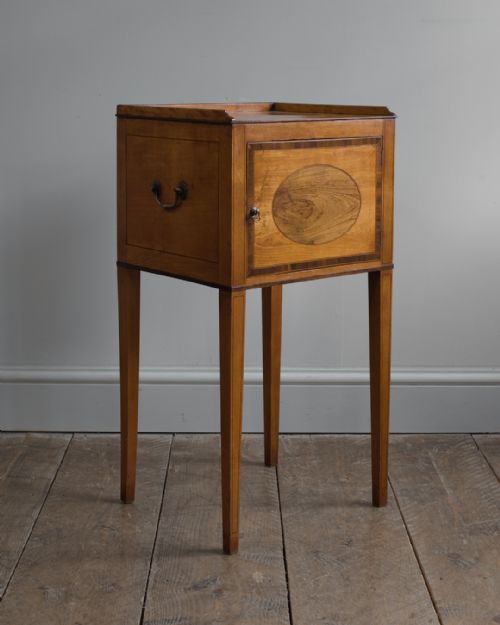
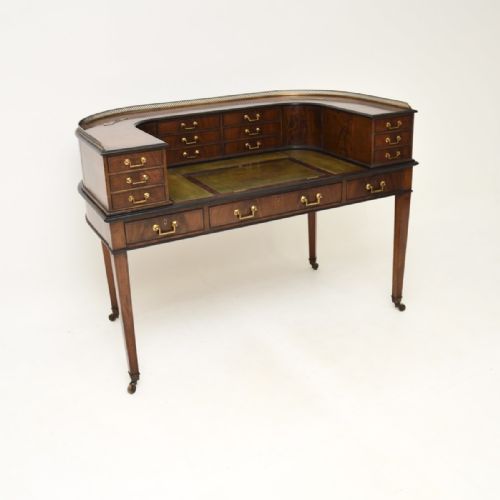
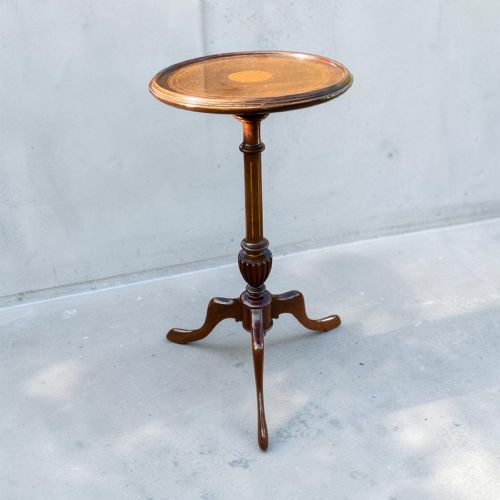
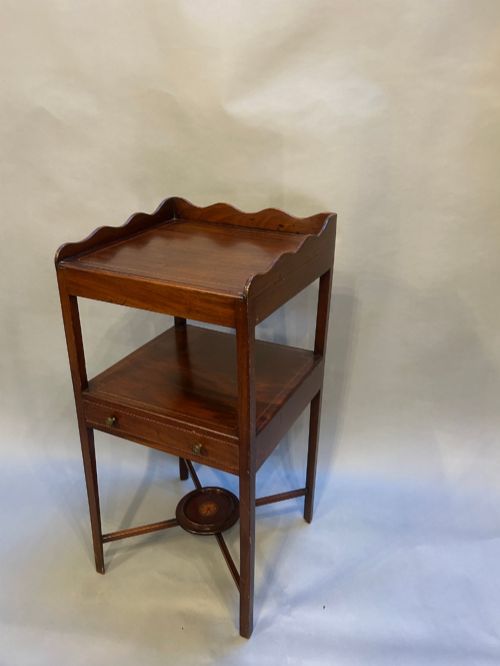
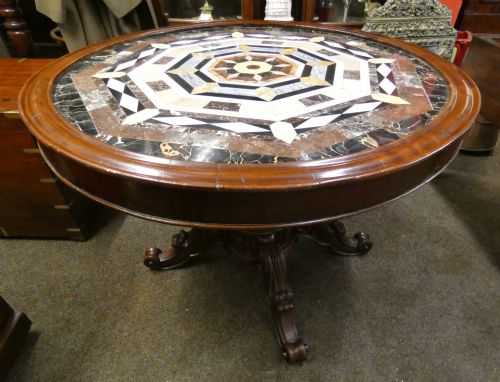
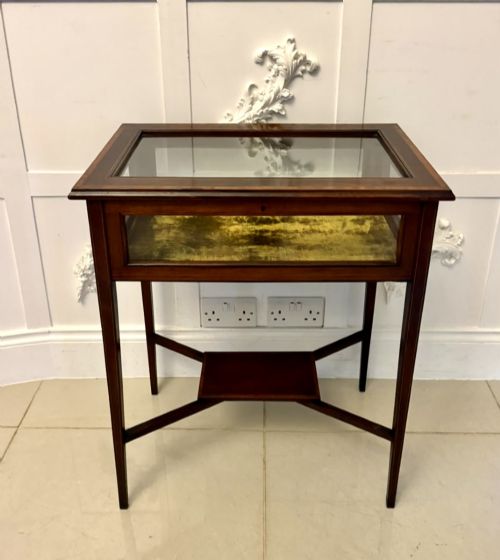
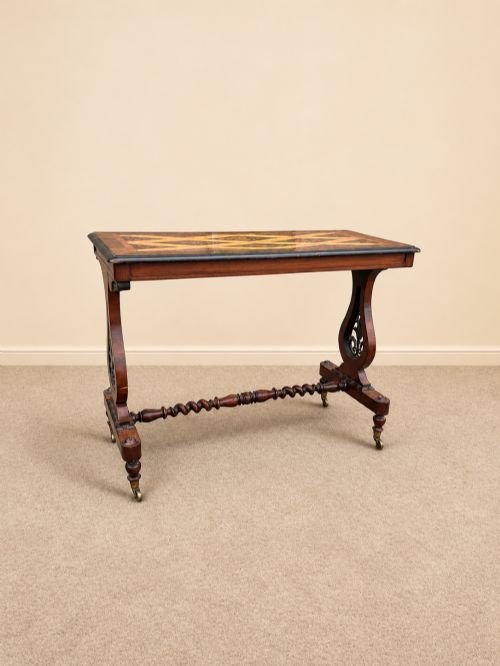
When you search for an inlaid top table, you find a surface where wood, brass, or shell forms a patterned design directly into the timber. These pieces span occasional tables, card tables, and centre tables originating from the nineteenth century into the early twentieth century.
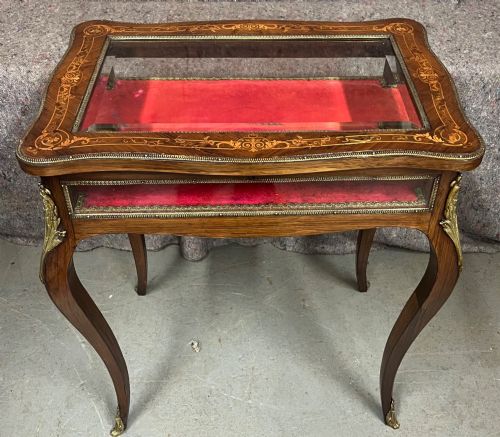
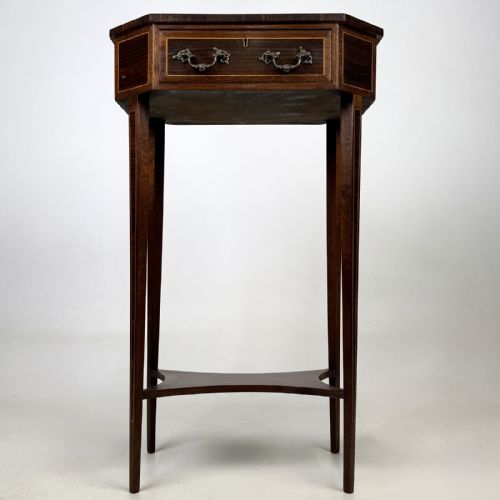
The version you meet most often on this page is the Victorian walnut or mahogany occasional table, frequently featuring marquetry or satinwood banding across the surface. Alongside these, Edwardian mahogany and rosewood forms appear with delicate light-wood inlay in the Sheraton Revival style.
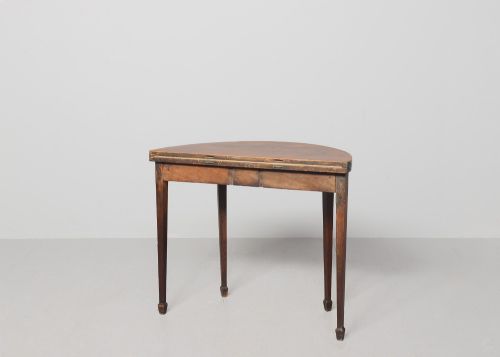
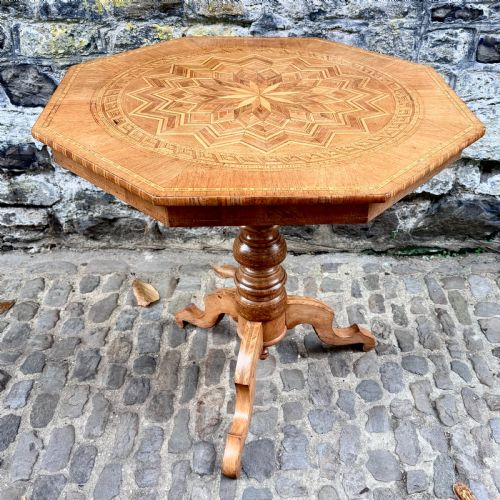
Origins stretch from English workshops to French production and Italian Sorrento manufacturing centres. The forms vary from tilt-top loo tables and octagonal side tables to games tables with folding tops.
How they were made
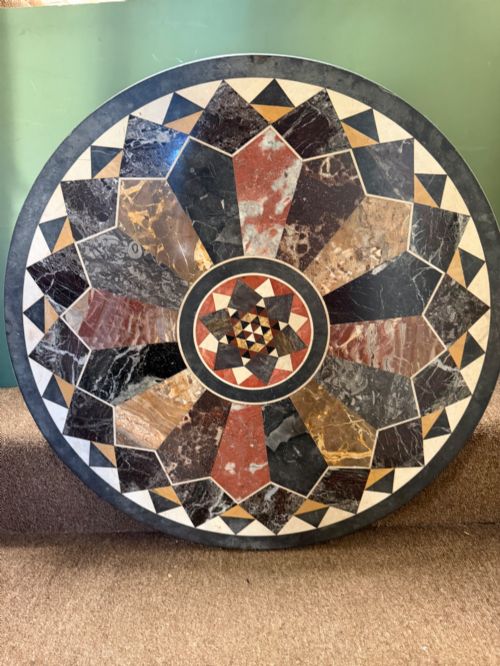
Cabinet makers constructed these surfaces using dense hardwoods such as mahogany, walnut, and rosewood as a stable foundation for decorative work. Marquetry and parquetry techniques required slicing thin veneers of contrasting timber, satinwood, or ebony and fitting them tightly into hand-cut recesses.
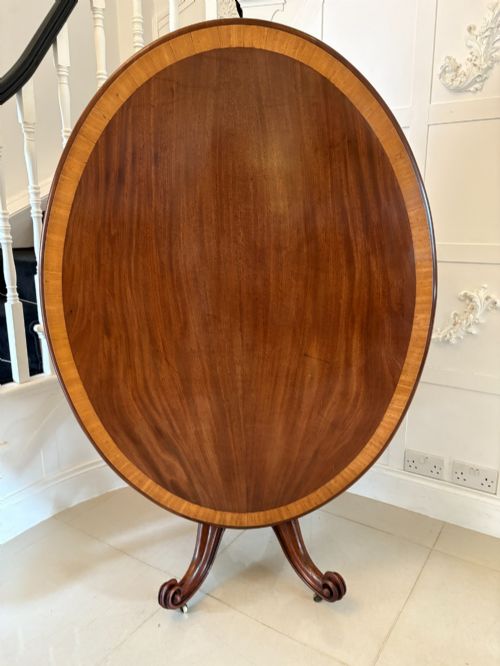
Metals and organic materials like brass and mother of pearl were embedded directly into the grain to create reflective highlights. Crossbanding framed the central panels, providing a precise border that held the disparate wood grains together.
Inlaid Top Table Retail Price Guide 2026
Typical asking prices for inlaid top table among the pieces listed under this phrase on Sellingantiques today, from the lower quarter to the upper quarter. They describe what is for sale here now, not the wider market.
Listings feature nineteenth and early twentieth-century pieces, spanning Victorian, Edwardian, and Regency periods in mahogany, walnut, and rosewood.
What varies in quality
The level of execution in the marquetry separates standard items from exceptional pieces. Crisp, tightly fitted joints between contrasting woods show the maker's precision, while printed or painted imitations lack the tactile depth of genuine timber and shell insets.
Selection of the underlying timber dictates the character of the piece, with figured burr walnut and richly grained rosewood sitting at the upper end of the scale. The integration of the inlay into the structural top without lifting or significant shrinkage shows the competence of the original construction.
The Inlaid Top Table Glossary
- Marquetry
- The art of forming decorative patterns by fitting together veneers of different woods, metals, or shells. This technique creates pictorial or geometric designs across the surface.
- Parquetry
- Geometric mosaic woodwork used to cover floors or furniture surfaces. It relies on regular repeating shapes like squares and triangles.
- Crossbanding
- A border of veneer laid around the edge of a table top with the grain running perpendicular to the central panel. It frames the main design.
- Satinwood
- A durable, lustrous yellow-brown timber used extensively for contrasting inlay and banding on mahogany and rosewood furniture.
- Tilt-top
- A table mechanism allowing the surface to pivot to a vertical position when not in use. This conserved space in nineteenth-century rooms.
Inlaid Top Table: Frequently Asked Questions
How were card tables used?
Card tables accommodated evening parlour games and social gatherings in Victorian and Edwardian drawing rooms. The hinged top folded open to reveal a baize or polished wood playing surface.
When closed, the tables stood flat against a wall or functioned as standard side tables. They offered versatility in homes that entertained guests frequently.
How do I care for inlaid wood?
Protect the surface from direct sunlight and extreme humidity changes to prevent the delicate veneers and insets from lifting. Gentle dusting with a dry cloth maintains the finish without moisture damage.
Avoid placing hot items or liquids directly onto the wood. Natural wax applied sparingly preserves the lustre of walnut, mahogany, and rosewood.
How can I tell the period?
Dating relies on timber selection, structural joinery, and stylistic details such as revival motifs. Victorian pieces often use burr walnut with rich marquetry, while Edwardian examples favour lighter satinwood and mahogany.
Construction methods inside the drawer framing and leg turnings also indicate the manufacturing era. Comparing these physical traits with documented styles clarifies the origin.