


Inlaid Glass Display Cabinet
An inlaid glass display cabinet brings together refined timber work and glazed panels to showcase treasured objects.
Inlaid Glass Display Cabinet
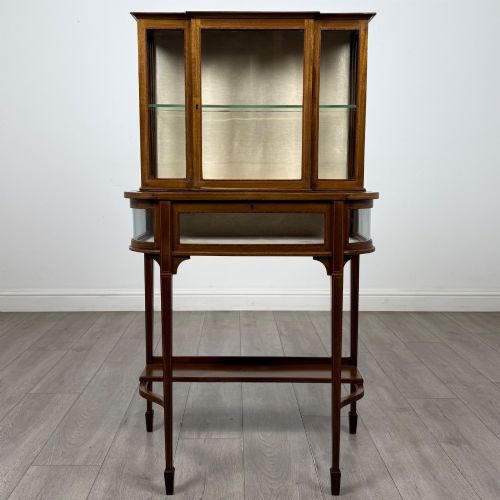
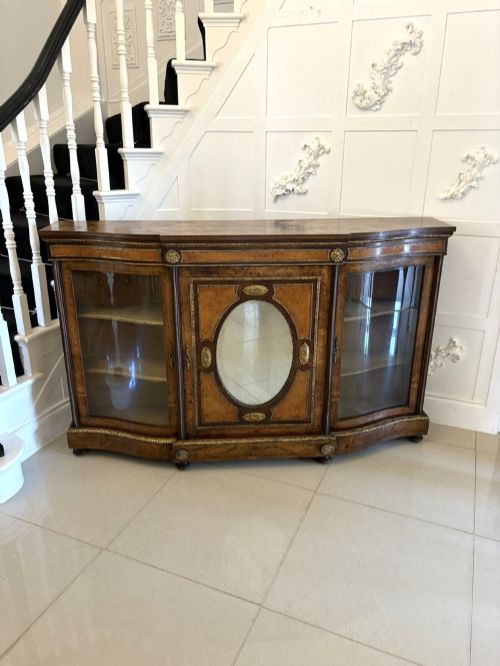
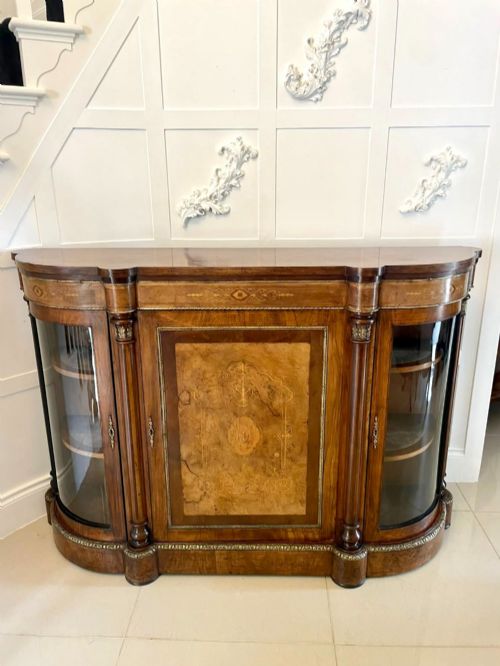
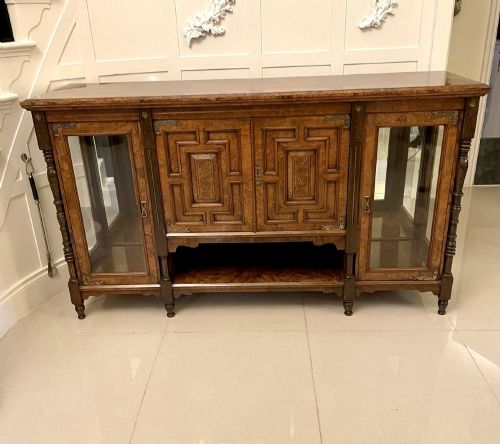
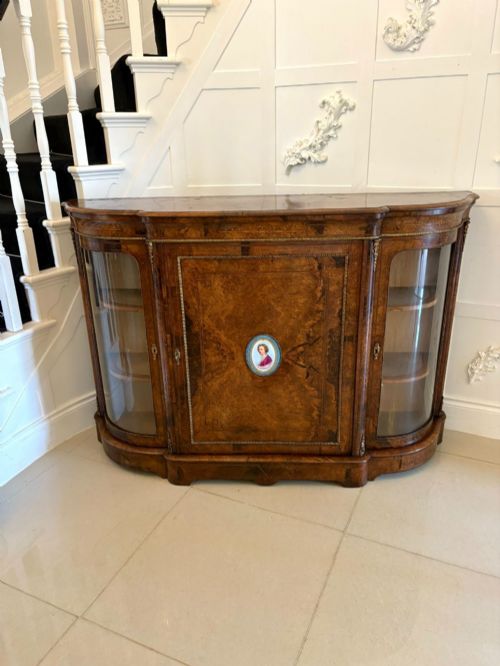
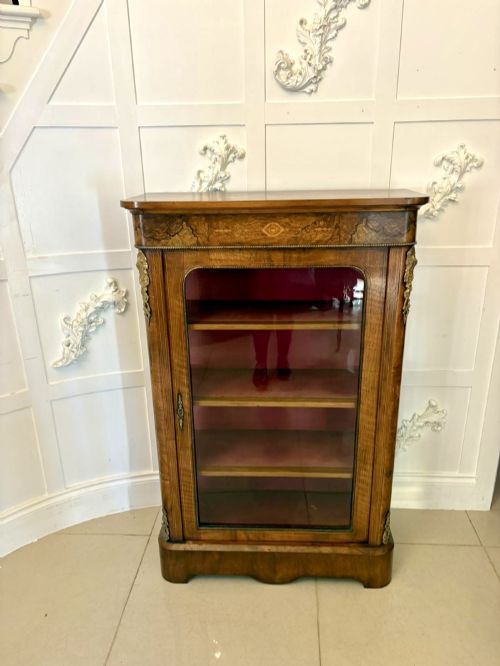
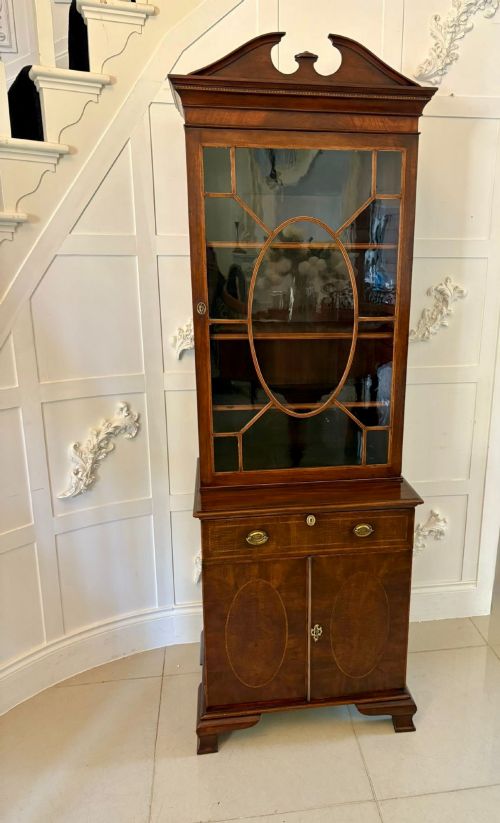
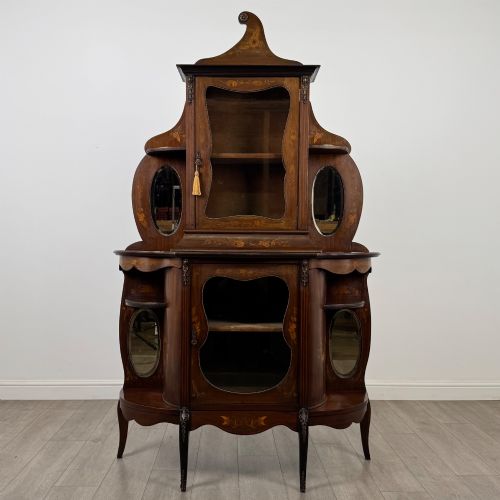
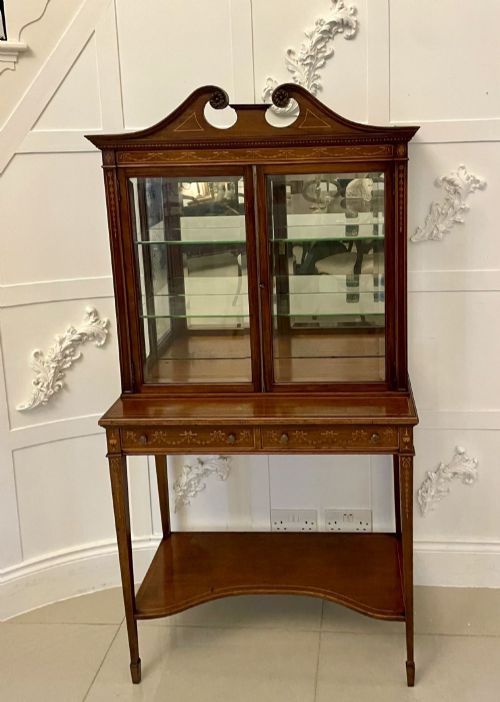
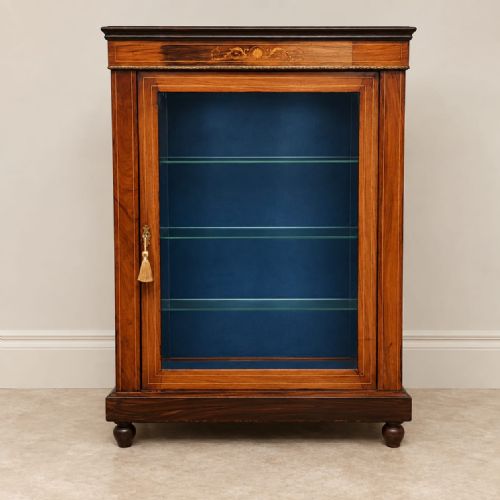
An inlaid glass display cabinet serves to exhibit porcelain, small curiosities and books while protecting them behind glazed doors. These pieces span Victorian, Edwardian and nineteenth-century periods, taking forms such as freestanding pier cabinets, credenzas, side cabinets and occasional display tables.
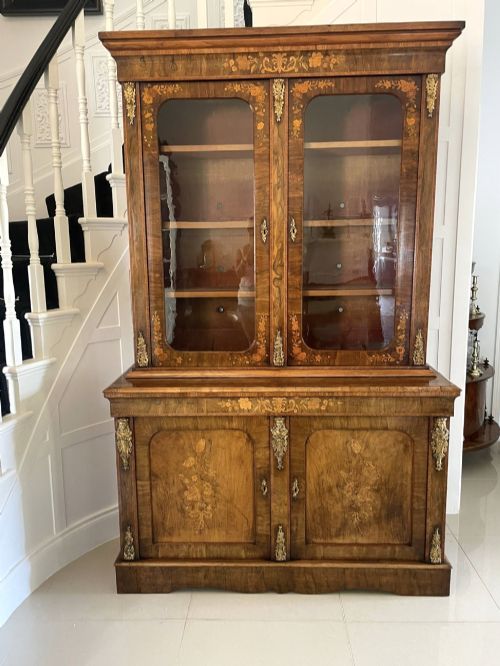
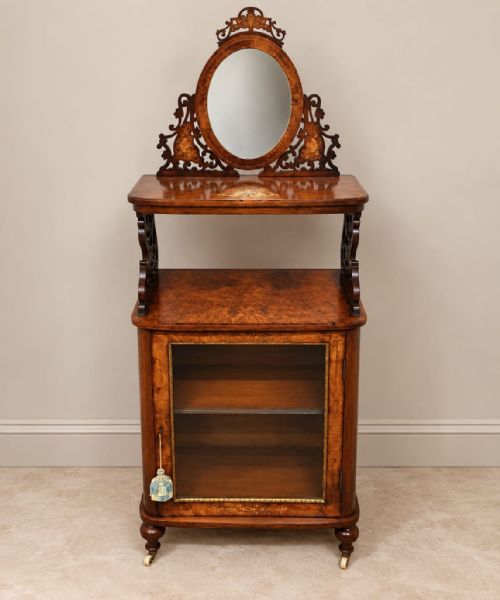
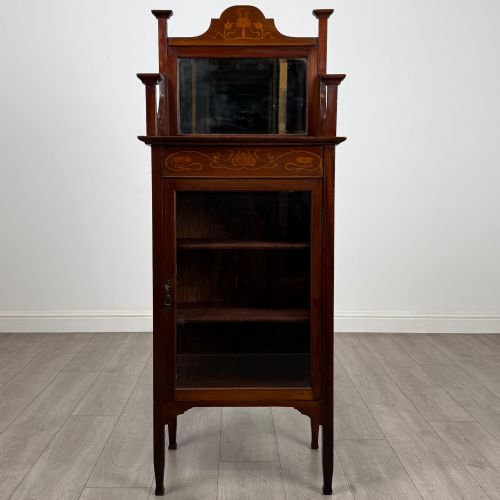
The version most commonly met on this page is the Edwardian mahogany or satinwood cabinet, often featuring delicate marquetry work and slender proportions. Alongside these, nineteenth-century Victorian burr walnut examples offer richer, darker tones and elaborate ormolu mounts.
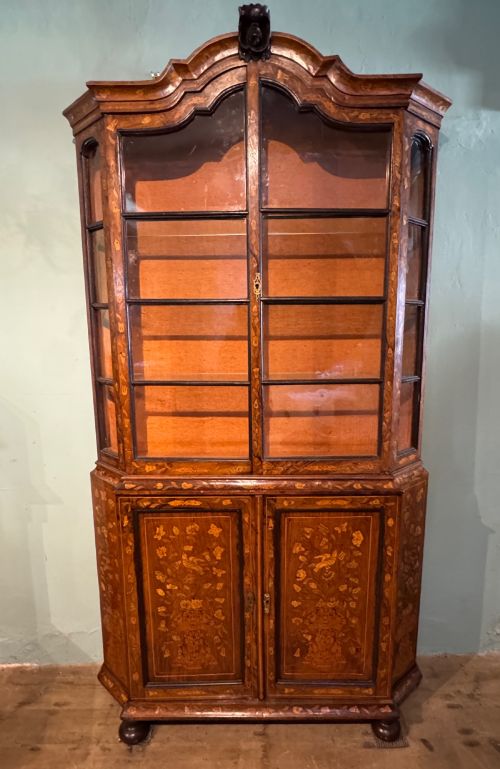
Makers and designers influenced these forms through distinct aesthetic revivals, adopting Sheraton motifs, Art Nouveau curves or Dutch baroque flourishes. Cabinets range from compact single-door pier units designed for tight drawing-room spaces to larger two-part architectural bookcases.
How they were made
Cabinet makers utilised foundational timbers such as mahogany, walnut and oak, often applying figured veneers of satinwood or burr walnut across the visible surfaces. Marquetry and inlay employed contrasting woods, ebony and brass lines to create floral or geometric motifs.
Glazing techniques relied on leaded or clear glass panes held securely within rebated wooden framing, sometimes accompanied by mirrored backs to reflect light inside. Structural hardware included cast ormolu mounts, brass hinges and locks to complete the cabinetry.
Many Edwardian cabinets spent their youth hiding awkward porcelain collections that nobody understood.
What varies in quality
The refinement of the marquetry and the choice of veneer dictate the initial visual impact of the piece. Crisp, finely cut floral inlays and highly figured burr walnut signify a higher standard of workshop production.
Construction details such as the weight of the timber, the clarity of the glass and the precision of the mitred joints separate standard utility pieces from exceptional cabinet work.
Edwards and Roberts·Shapland and Petter·D Hill Carter and Co
The Inlaid Glass Display Cabinet Glossary
- Marquetry
- Decorative patterns formed by fitting together small pieces of wood veneer into a larger design. This technique often depicts floral sprays or ribbons across the doors and friezes.
- Ormolu
- Gilded bronze mounts applied to furniture for decorative accent. These metal elements appear frequently on nineteenth-century credenzas and cabinets.
- Pier cabinet
- A narrow cabinet designed to fit wall spaces between windows or doors. These upright pieces typically feature a single glazed door and flat top.
- Bijouterie table
- A glass-topped display table intended for holding small valuable objects and jewellery. They often stand on slender legs with satinwood inlay.
- Credenza
- A low cabinet or sideboard designed for storage and display. Victorian iterations frequently combine glass doors with central wooden cupboards.
Inlaid Glass Display Cabinet: Frequently Asked Questions
What is an inlaid glass display cabinet?
An inlaid glass display cabinet is a piece of furniture featuring glazed doors or panels and decorative wood inlays, designed to show off decorative objects.
These pieces were produced primarily during the Victorian and Edwardian eras, utilising woods like mahogany, walnut, and satinwood.
How were display cabinets used historically?
In period drawing rooms, these cabinets held collections of imported porcelain, glassware, and small curiosities brought back from travels.
The glass kept dust away while allowing guests to admire the owner's refined tastes.
How do I tell Victorian from Edwardian cabinets?
Victorian cabinets generally feature darker timbers like burr walnut, heavier proportions, and sometimes gilt ormolu mounts. They date from the mid to late nineteenth century.
Edwardian cabinets, built around 1900, tend to use lighter mahogany or satinwood with delicate Sheraton Revival inlay and airier proportions.
How do I live with a display cabinet?
Place the cabinet away from direct sunlight to protect interior items and sensitive wood finishes from fading. Ensure the floor is level so the glazed doors hang true and close properly.
Interior lighting can be added discreetly to highlight collections without generating excessive heat near old timber.