




Industrial Shop Counter
An industrial shop counter is a heavy commercial fixture built for trade, offering robust storage and display space for the home.
Industrial Shop Counter
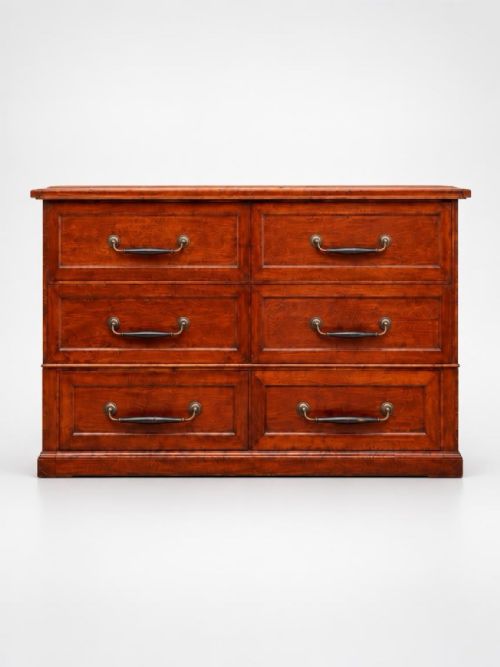
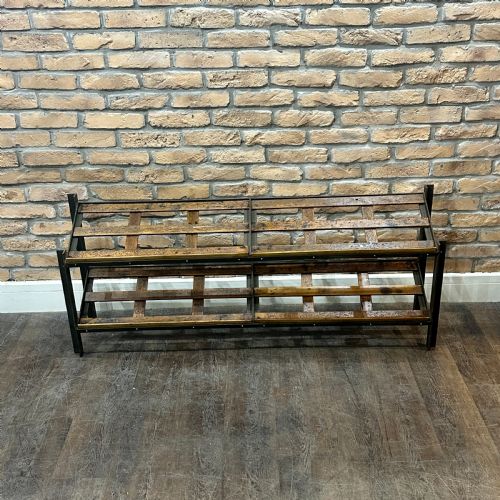
When you search for an industrial shop counter, you encounter practical utility furniture designed for Victorian and Edwardian retail spaces. These pieces range from banks of multi-drawer units and drapers chests to glazed display cabinets and heavy timber counters.
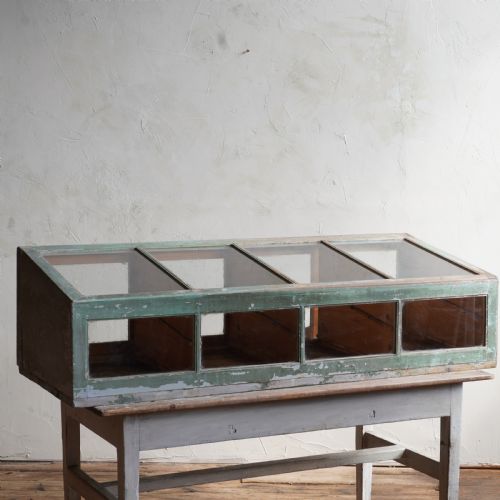
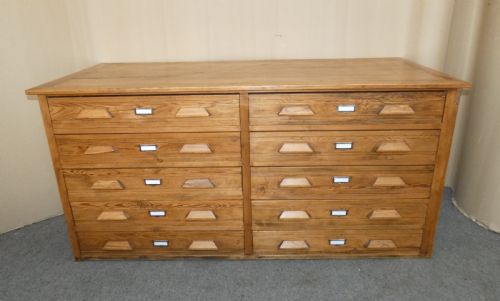
The versions most commonly met on this page include multi-drawer haberdashers chests, countertop display cases, and heavy timber work tables originating from the late nineteenth and early twentieth centuries. Such pieces reflect utilitarian commercial design intended for daily mercantile use.
Originating from British and French commercial environments, these fixtures combine robust cabinetry with utilitarian hardware. They suit modern interiors seeking practical storage with an authentic commercial pedigree.
Materials and construction methods
These fixtures rely on durable timber carcasses built primarily from pine and oak, often paired with heavy cast iron, brass, and bronze framing. Structural integrity was paramount, leading to robust joinery designed to withstand continuous public trade.
Surfaces frequently show layers of original paint, distressed patination, or exposed grain developed through decades of commercial wear. Hardware components such as card file pulls, glass panels, and iron brackets were selected for longevity.
Industrial Shop Counter Retail Price Guide 2026
Typical asking prices for industrial shop counter among the pieces listed under this phrase on Sellingantiques today, from the lower quarter to the upper quarter. They describe what is for sale here now, not the wider market.
Listings feature items built from pine, oak, brass, and cast iron across Victorian, Edwardian, and early twentieth-century periods.
Judging quality in commercial fixtures
Quality in an industrial shop counter rests in the originality of its hardware, timber density, and the integrity of internal drawer construction. Finer examples retain their original glass, maker markings, and untouched surface patination rather than later restoration.
Substantial multi-drawer units demonstrate superior cabinetmaking through tightly fitted joints and substantial timber thickness that prevents warping under heavy retail loads. The presence of specialised commercial elements, such as brass label holders or cast iron leveling feet, distinguishes utilitarian works from basic storage.
Trussant and Cie
The Industrial Shop Counter Glossary
- Haberdashers drawers
- A multi-drawer cabinet originally utilised in drapery shops for storing ribbons, threads, and small garments. These units are characterised by numerous shallow drawers.
- Butchers block
- A thick timber food preparation table constructed from end-grain blocks of hardwood. They were built to absorb heavy chopping and daily trade use in butcher shops.
- Countertop display cabinet
- A glazed enclosure positioned upon a shop counter to showcase small wares to customers. They typically feature wooden frames and hinged rear doors.
- Draper's chest
- A tall bank of drawers designed for textile merchants. These pieces provide deep capacity and wide proportions suitable for fabric storage.
Industrial Shop Counter: Frequently Asked Questions
What is an industrial shop counter?
An industrial shop counter is a utilitarian commercial fixture originally built for nineteenth or early twentieth-century retail environments. These pieces include multi-drawer drapers chests, glazed display cabinets, and heavy timber work tables designed for daily trade.
Today, they serve as functional furniture in residential spaces, offering substantial storage capacity and robust surfaces for kitchens, hallways, or living rooms.
How were these counters used originally?
Merchants utilised these fixtures to store inventory, wrap goods, and display merchandise to customers in shops, drapers, and haberdasheries. The multi-drawer formats kept small items organised, while glazed cabinets protected delicate wares.
Their heavy construction allowed them to endure constant public interaction and support the weight of commercial goods without failing.
How do I care for a painted wooden counter?
Maintain the painted finish of an old shop counter by dusting regularly with a dry cloth and avoiding harsh chemical cleaners. Preserving the existing surface patination maintains the historical character of the piece.
Protect timber surfaces from excessive moisture and direct heat sources to prevent the wood from splitting or warping over time.
How can I tell the age of a shop counter?
Dating these fixtures involves examining the timber species, construction joinery, and accompanying hardware such as brass pulls or cast iron brackets. Pieces from the Victorian and Edwardian periods exhibit hand-cut joints and materials specific to early commercial manufacturing.
Maker stamps, painted retail lettering, and signs of genuine commercial wear further help establish the production era of the cabinetry.