






Industrial Iron Lighting
Industrial iron lighting brings robust utility and workshop character directly into domestic interiors through heavy metal construction and utilitarian design.
Industrial Iron Lighting
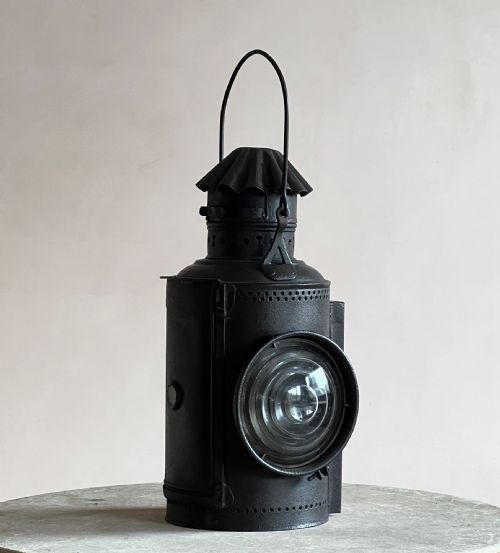
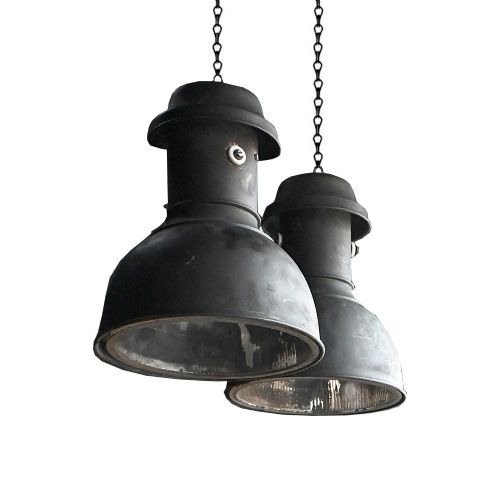
Industrial iron lighting encompasses heavy cast and wrought iron fixtures originating from factories, railways, maritime vessels, and grand estates across the nineteenth and twentieth centuries. These pieces range from substantial outdoor lanterns and factory pendants to adjustable desk lamps and floor-standing reading lights.
The assortment on this page draws from eras including the Victorian period, Edwardian times, and the decades leading through the nineteen-forties, capturing the shift from manual trades to mechanized production. Formats span ceiling lights, wall brackets, searchlights, and candelabras, reflecting the diverse utility of metal illumination in past workplaces and homes.
Materials and construction
Construction relies heavily on cast iron, wrought iron, steel, and brass, often paired with thick protective glass for demanding environments. Makers shaped these metals through casting, forging, and riveting, prioritising structural resilience above ornamental refinement.
Surface treatments such as black enamelling provided defence against corrosion in factories and on ships, while exposed fasteners and adjustable arms reveal the straightforward mechanical logic of their manufacture.
Industrial Iron Lighting Retail Price Guide 2026
Typical asking prices for industrial iron lighting among the pieces listed under this phrase on Sellingantiques today, from the lower quarter to the upper quarter. They describe what is for sale here now, not the wider market.
Listings span multiple decades from the Victorian period through the nineteen-forties, incorporating iron, brass, copper, and glass across various lighting formats.
Assessing the pieces
Quality rests in the integrity of the original metalwork, the weight of the castings, and the survival of maker-specific components like brackets, lenses, and branded housings. Pieces retaining their original industrial surfaces and operational mechanisms stand apart from heavily altered examples.
The distinction between standard utility items and finer examples often lies in the sophistication of the adjustment mechanisms and the retention of maker markings, such as those found on railway lanterns or factory lights.
REVO·Bleriot·Dressel·Hawkins
The Industrial Iron Lighting Glossary
- Cast iron
- Molten iron poured into a mould to create rigid, heavy components with distinctive surface textures. This material forms the sturdy bases and heavy housings of many industrial fixtures.
- Wrought iron
- Iron beaten and worked by hand into durable shapes, often seen in scrollwork, brackets, and structural arms. It offers greater fibrous flexibility than cast iron.
- Trench art
- Decorative or utilitarian objects fashioned by soldiers from war scrap metal, including shell cases turned into candlesticks. These pieces merge military materials with domestic or commemorative forms.
- Gimbal
- A pivoted ring assembly that allows a lamp to remain level regardless of the motion of a ship or vehicle. This mechanism ensured steady illumination on naval vessels.
Industrial Iron Lighting: Frequently Asked Questions
What are industrial iron lights?
These are heavy-duty utilitarian fixtures originally built for factories, railways, ships, and public spaces during the nineteenth and twentieth centuries. They utilise robust metals like cast iron and steel to withstand demanding working environments.
Today, they are repurposed for domestic interiors to provide strong task lighting and distinctive workshop character. Their designs range from simple ceiling pendants to articulated desk lamps and large exterior brackets.
How do I date an iron light?
Dating relies on examining the manufacturing techniques, electrical components where present, and stylistic cues from periods such as the Victorian era, Edwardian period, or the nineteen-thirties. Heavy castings, riveted joints, and original enamel finishes often point to specific industrial eras.
Maker marks, patent stamps, and company badges found on the metal housing also help pinpoint the exact decade of production. Comparing the design to known railway, maritime, or factory catalogues offers further chronological clarity.
Are these lights suitable for outdoor use?
Many items in this category, such as exterior wall lights, railway lanterns, and heavy brackets, were originally engineered to endure outdoor weather conditions. Their robust iron and glass construction makes them well-suited for gardens, porches, and exterior walls.
However, buyers should check the specific weatherproofing and rewiring status of individual pieces before external installation. Some interior desk lamps or ship fittings lack the necessary seals for exposed outdoor placement.