



Industrial Desk Light
An industrial desk light brings functional metal construction and adjustable articulation directly to your workspace.
Industrial Desk Light
An industrial desk light brings functional metal construction and adjustable articulation directly to your workspace. When you search for an industrial desk light, you encounter task-focused lighting built from durable materials during the nineteenth and twentieth centuries.
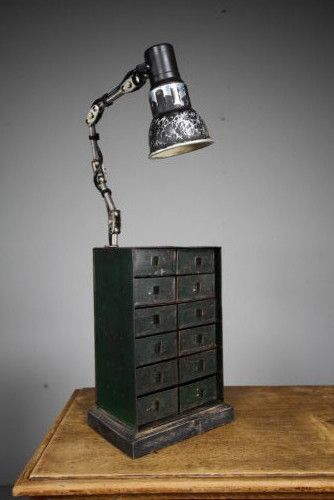
The most common examples on this page date from the nineteen-twenties and nineteen-thirties, reflecting the rise of modernist and machine-age design. These task lamps often incorporate adjustable arms, heavy weighted bases, and directional metal or glass shades.
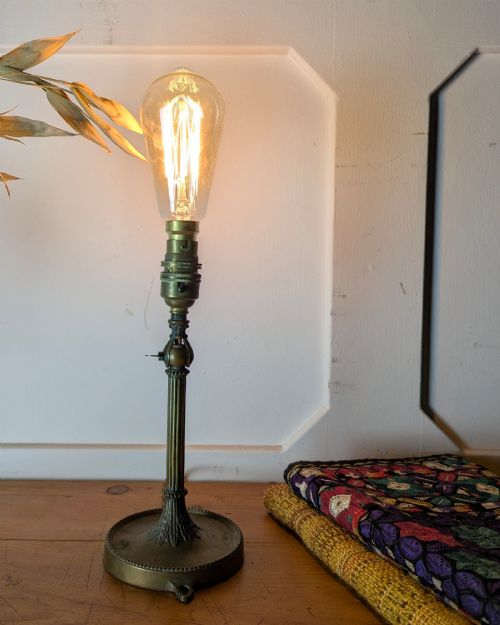
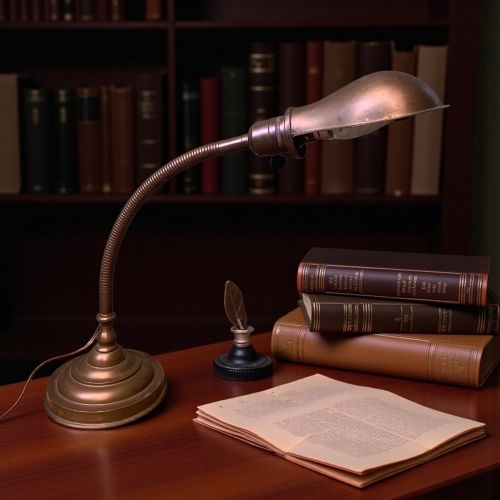
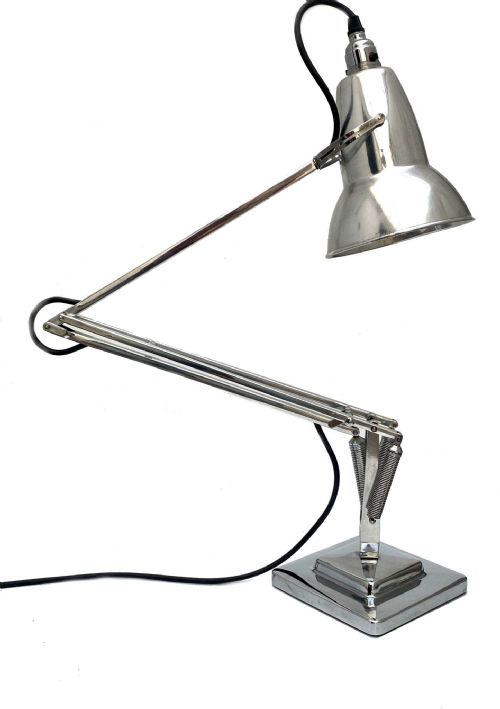
Forms range from brass Pullman carriage lamps and bankers lamps to chrome Anglepoise fixtures and enamelled iron ship fittings. They serve both utilitarian and aesthetic roles in modern interiors, combining functional task illumination with robust historic character.
Materials and construction
Makers utilised heavy base metals such as brass, cast iron, steel, and chrome to ensure stability during daily use. Metal components were frequently spun, cast, or stamped, then joined with adjustable hinges, articulated joints, and visible mechanical fasteners.
Electrical components, including braided cords and bulb holders, were integrated into pivoting frames or mounted on weighted metal bases. Protective finishes like black enamel or polished chrome were applied to resist workshop wear and tear.
Industrial Desk Light Retail Price Guide 2026
Typical asking prices for industrial desk light among the pieces listed under this phrase on Sellingantiques today, from the lower quarter to the upper quarter. They describe what is for sale here now, not the wider market.
Some maritime desk lights feature built-in gimbals originally designed to stop the lamp from rolling across the captain's table during stormy seas.
Evaluating quality and authenticity
Quality in an industrial desk light lies in the integrity of the articulation mechanism and the weight of the base metal. Superior examples retain original mechanical joints that hold their position securely without sagging or requiring excessive tightening.
The presence of original surface treatments, maker stamps, and period wiring adaptations distinguishes better workshop pieces from standard commercial reproductions. Original glass shades, brass fittings, and intact enamel finishes contribute to a higher degree of period authenticity.
Herbert Terry·Pirouette·Hawkins
The Industrial Desk Light Glossary
- Anglepoise
- A spring-balanced task lamp design invented in the twentieth century to provide flexible, directional illumination.
- Gimbal
- A pivoted ring mounting that allows a lamp or compass to remain level despite movement or vibration on a ship.
- Spelter
- A zinc alloy frequently used as a cheaper substitute for bronze or brass in decorative lamp bases and figures.
- Pullman
- A style of heavy-duty brass lighting originally manufactured for use on passenger railway carriages.
- Bakelite
- An early synthetic thermosetting plastic commonly used for switches and plugs on vintage electrical items.
Industrial Desk Light: Frequently Asked Questions
How do I rewire an old desk lamp?
Rewiring requires accessing the internal cord through the base or stem to replace aged insulation with modern wire. It is advisable to consult a qualified electrician to ensure safety and compliance with current electrical standards.
Retaining original lamp holders and switches while updating the internal flex preserves the historic exterior of the piece.
Were these lights always electrical?
Many early twentieth-century examples were originally designed for electricity, while others began life as oil, gas, or candle fittings before later conversion. Converted lamps often display evidence of burner removal or adapted fittings.
Checking the interior of the base and the column helps determine whether the wiring is an original factory installation or a subsequent modification.
How do I clean a metal lamp base?
Cleaning depends on the specific metal finish, whether it is polished brass, plated chrome, or painted iron. Dusting with a soft dry cloth removes surface grime without disturbing the historic patina.
Harsh metal polishes and abrasive cleaners should be avoided on painted or lacquered surfaces to prevent permanent damage to the original finish.
What makes a piece industrial?
Industrial pieces derive their aesthetic from utilitarian environments such as factories, railway carriages, ships, and offices. Their construction prioritises robust durability, mechanical articulation, and functional efficiency over decorative ornamentation.
Exposed metal surfaces, heavy cast iron bases, and adjustable armatures are typical hallmarks of this working heritage.