

Howard Sons Style Seat
When you search for a howard sons style seat, you look for deep, sprung comfort built for nineteenth-century English country houses.
Howard Sons Style Seat
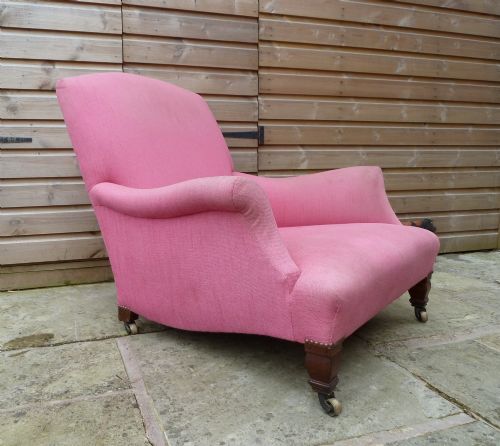
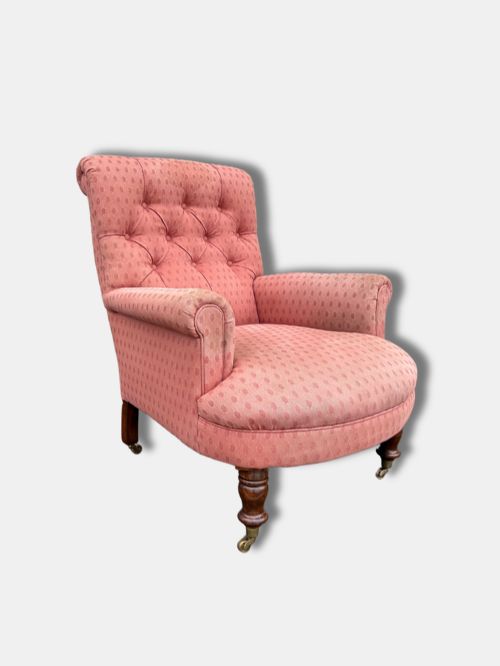
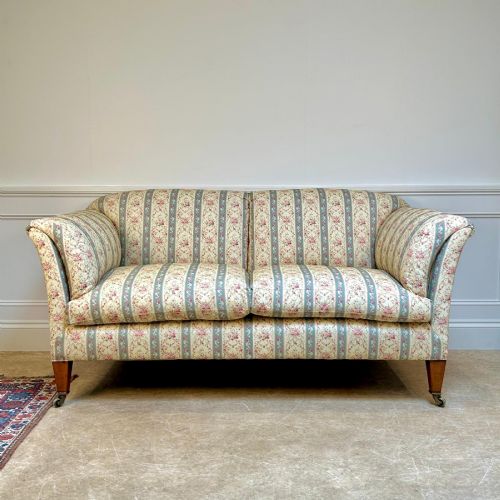
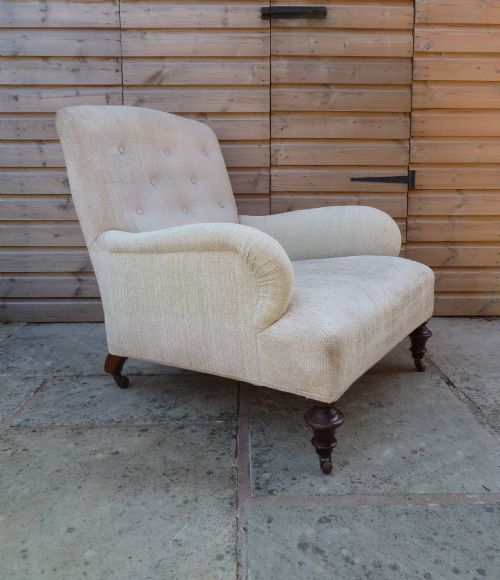
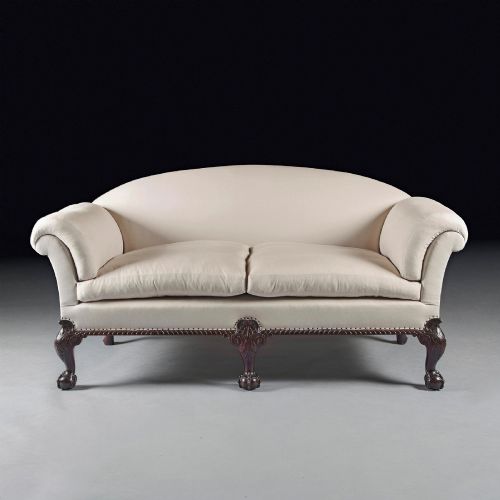
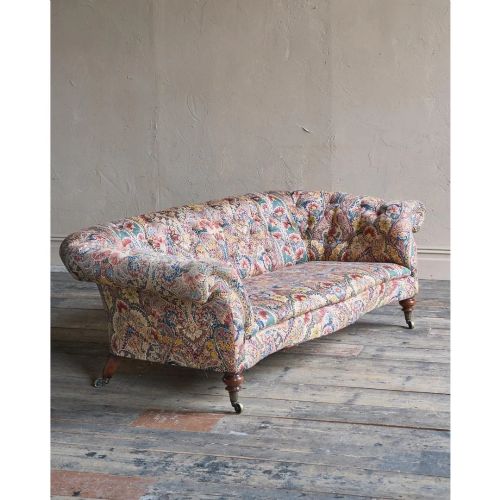
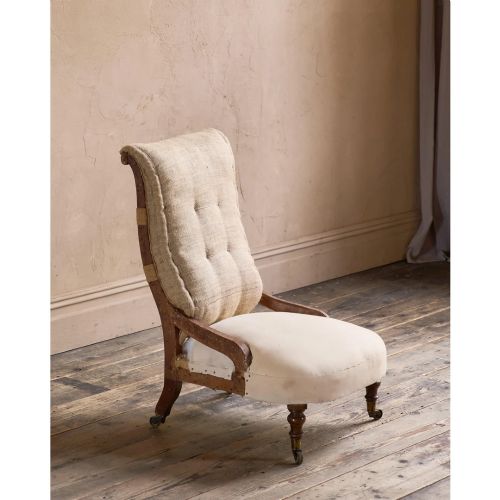
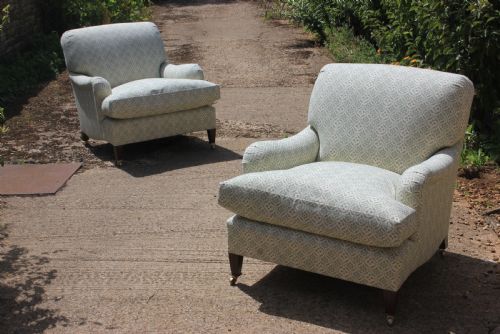
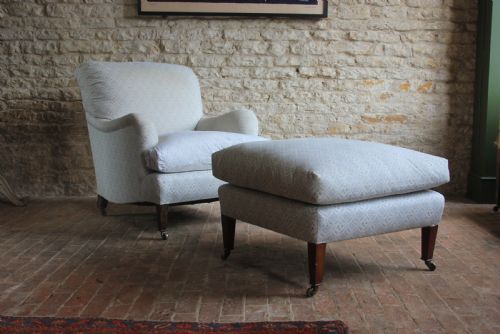
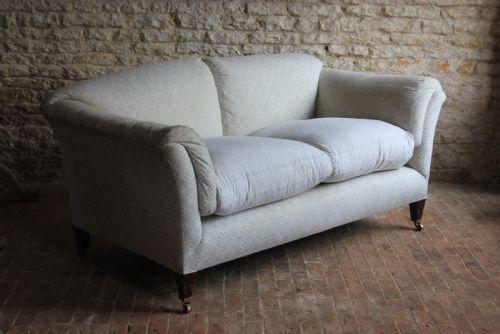
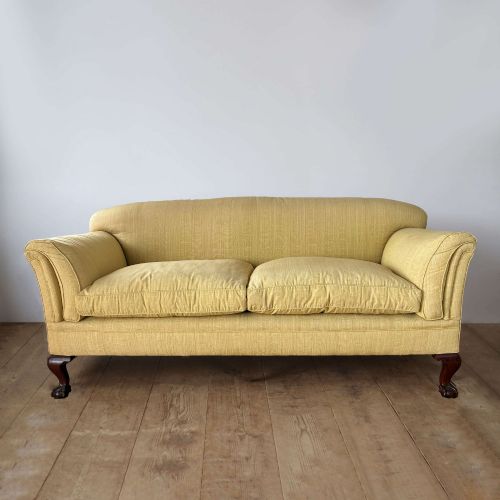
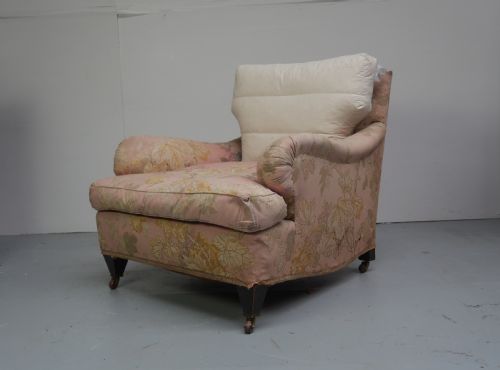
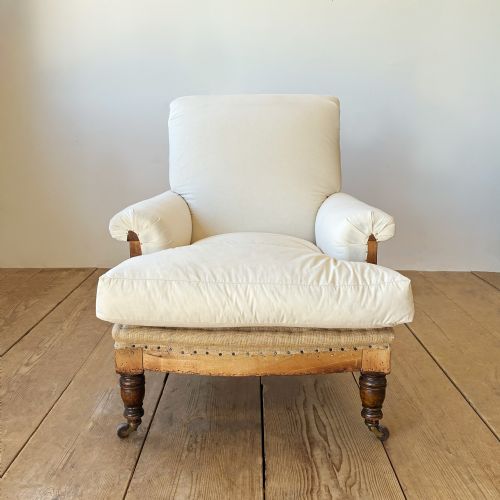
A howard sons style seat encompasses deep club armchairs, low slipper chairs, bridge-water armchairs, and substantial Chesterfields or country house sofas. These pieces emerge predominantly from the nineteenth century, Victorian, and Edwardian periods, carrying the relaxed comfort associated with traditional English interiors.
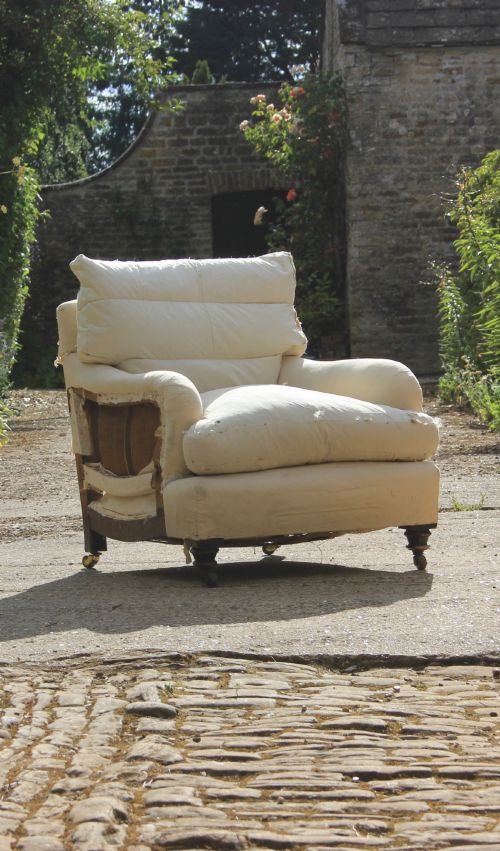
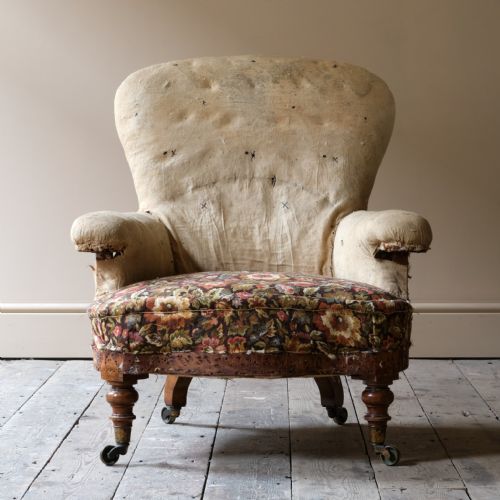
The armchairs and settees you meet on this page range from early pieces bearing specific model names like Grafton, Portarlington, or Willoughby to later interpretations shaped by the distinctive low-slung profile. Many arrive upholstered in traditional cotton ticking, while others wear velvet or patterned carpets.
Materials and construction
Frames rely on sturdy timbers including mahogany, walnut, and general hardwood to support heavy internal spring systems. These robust wooden skeletons give the chairs and sofas their enduring structural integrity.
Upholstery traditionally employs materials such as cotton ticking, fabric, and calico, often stuffed over deep coil springs. Brass details and exposed wood feet frequently finish the lower portions of the frames.
Some armchairs wear upholstery made from vintage Ushak Turkey carpets, turning practical seating into heavy woven art.
Distinctions in quality
Quality rests upon the integrity of the internal springing and the weight of the hardwood frame. Superior examples maintain a tight, supportive tension across the deep seat without sagging.
The refinement of the turned wooden legs, the handling of the upholstery edges, and the selection of covering materials set finer pieces apart. Original maker markings and branded castors elevate the standing of authentic nineteenth-century examples.
Howard and Sons·James Shoolbred·Trollope and Sons
The Howard Sons Style Seat Glossary
- Ticking
- A tightly woven cotton fabric, traditionally striped, used as a durable outer cover or under-upholstery. This material defines the classic English country house look associated with these seats.
- Club armchair
- A deep, low-seated upholstered chair designed for heavy lounging. These chairs prioritise generous proportions and soft cushioning over rigid formal posture.
- Slipper chair
- A low-seated bedroom chair traditionally built without arms to allow ease of dressing. Their compact scale suits smaller spaces while retaining deep upholstery.
- Chesterfield
- A large upholstered sofa featuring arms and back of the same height. These deep-seated pieces provide substantial formal seating for drawing rooms and libraries.
- Ball and claw
- A foot carved in the shape of a bird's talon clutching a ball. This classical detail appears on the wooden supports of certain revival seating.
Howard Sons Style Seat: Frequently Asked Questions
What defines a howard sons style seat?
These seats feature deep, low proportions built around complex internal coil springing designed for maximum relaxation. They often include rolled arms and are finished in traditional cotton ticking or heavy upholstery.
Their silhouette prioritises generous comfort over rigid Victorian formality, making them central to the traditional English country house aesthetic.
How do I identify a Victorian example?
Nineteenth-century pieces typically show denser timber frames, such as walnut or mahogany, paired with hand-tied coil springs and traditional stuff-over upholstery. Look closely at the construction methods beneath the loose covers.
Early examples often feature stamped brass castors or branded legs that connect the frame directly to nineteenth-century workshops.
Can I use these seats in modern rooms?
Their neutral ticking covers and low profiles allow these armchairs and sofas to sit comfortably within contemporary living spaces. They anchor minimalist rooms by adding tactile warmth and historical weight.
Their deep seating makes them practical for daily lounging rather than strictly decorative display.
What is a bridge-water armchair?
A bridge-water armchair is a specific club style featuring low, gently rolled arms set back from the front edge of the seat. This design maximises the internal seating width while keeping the overall footprint compact.
They share the deep-sprung comfort characteristic of nineteenth-century lounge furniture.