




Howard Sons Style Armchair
A howard sons style armchair brings deep, sprung comfort and English country house character to a room.
Howard Sons Style Armchair
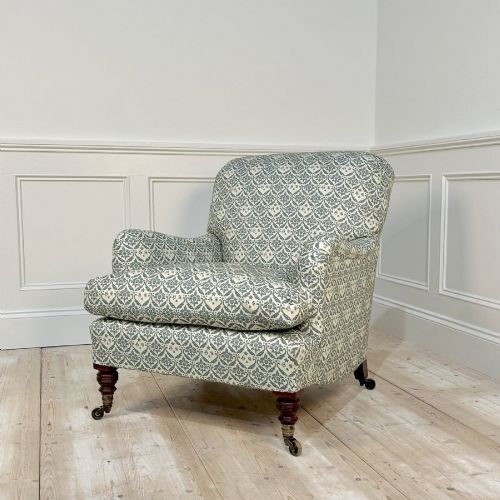
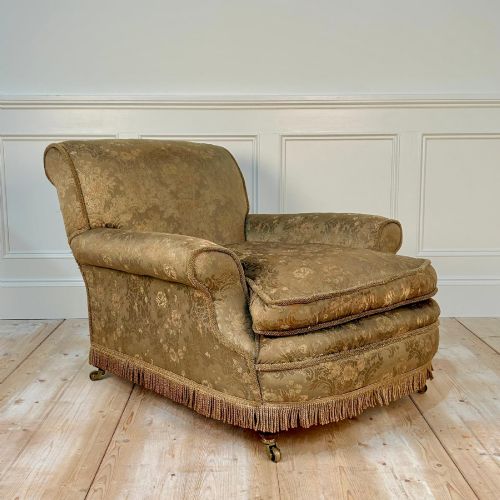
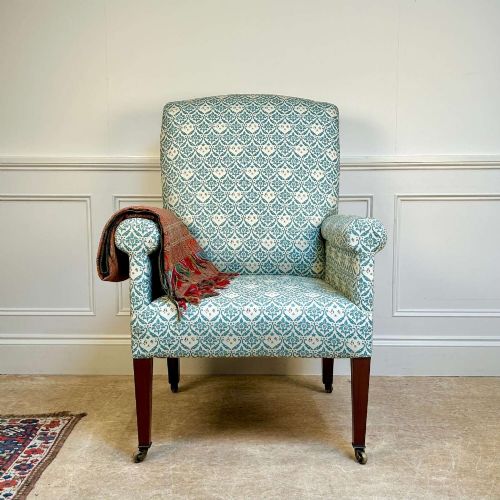
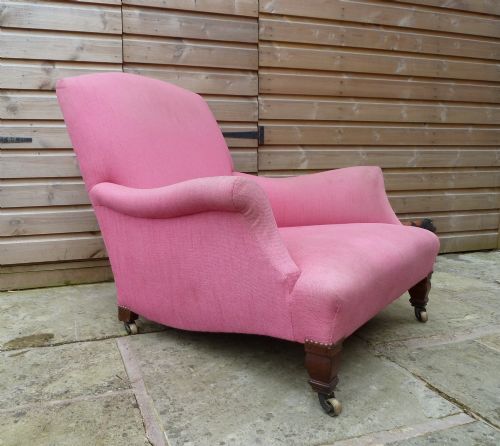
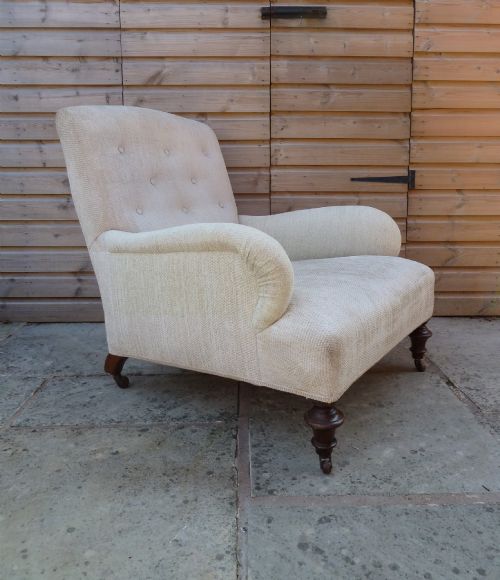
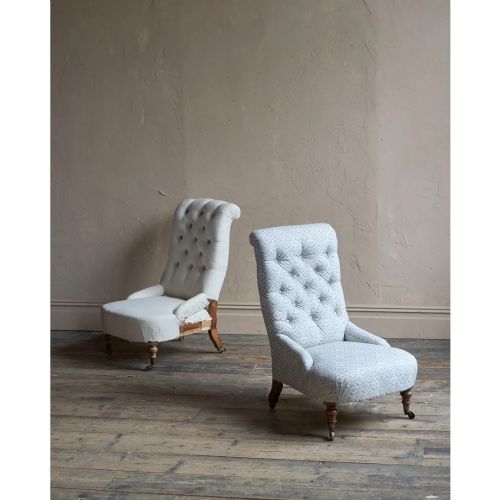
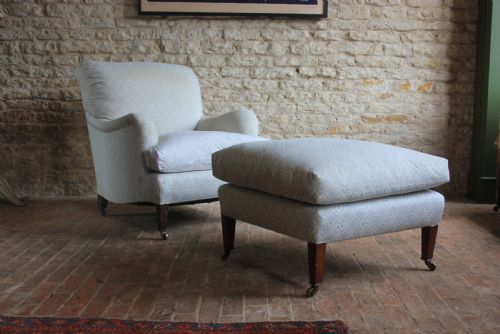
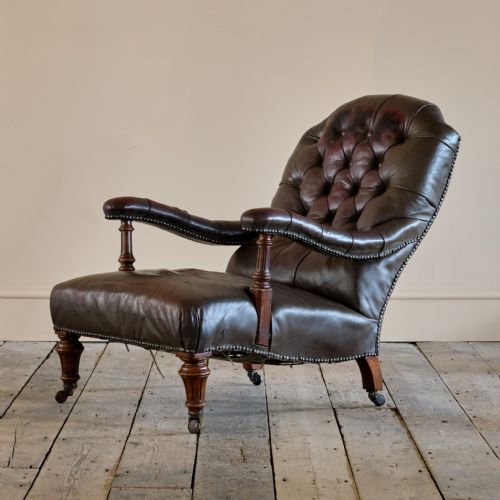
A howard sons style armchair is a heavily upholstered seat designed for comfort, emerging in various forms through the nineteenth and twentieth centuries. These pieces appear in configurations such as club chairs, bridge-water models, slipper chairs, and open armchairs.
The version most commonly met on this page dates from the Victorian and Edwardian periods, often displaying low profiles and deep seats. Makers from these eras built frames intended for heavy use in drawing rooms and libraries.
Many examples arrive covered in traditional ticking, cotton, or patterned fabric, reflecting the English country house aesthetic. Other variations include button backs, tub shapes, and matching footstools.
How they were made
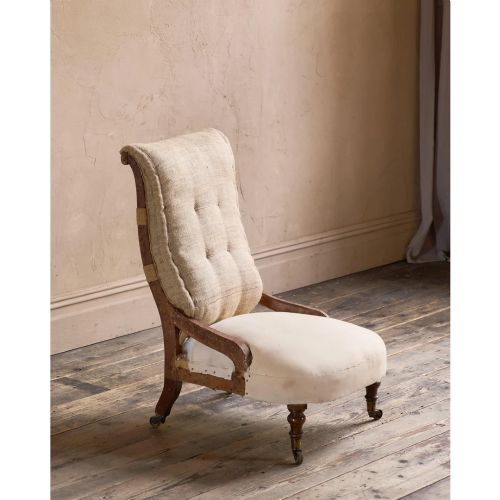
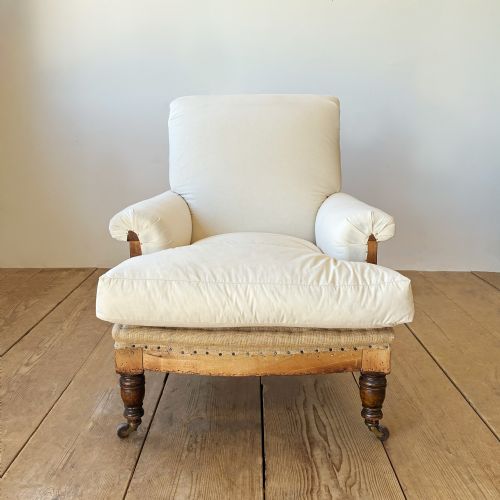
Makers constructed the foundational frames using sturdy timbers such as walnut, mahogany, hardwood, and general wood. These internal structures supported complex coil spring systems designed for resilience and longevity.
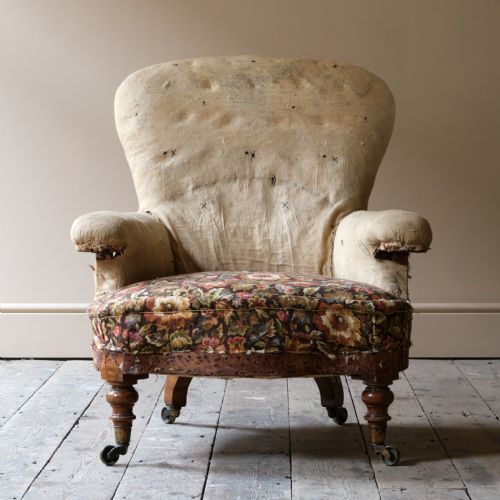
Upholsterers layered cotton, calico, and various fabrics over the frame to build the distinctive deep-seated cushioning. Brass components, including castors, frequently supported the feet to allow movement across heavy carpets.
Howard Sons Style Armchair Retail Price Guide 2026
Typical asking prices for howard sons style armchair among the pieces listed under this phrase on Sellingantiques today, from the lower quarter to the upper quarter. They describe what is for sale here now, not the wider market.
One notable club armchair on record arrived upholstered in genuine Ushak Turkey carpet.
What varies in quality
The distinction between tiers rests upon the integrity of the internal wooden frame and the responsiveness of the sprung upholstery. Superior examples retain their original tension and structural rigidity without excessive sagging.
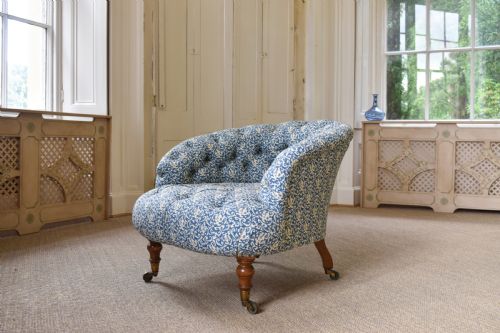
Material choice on the exterior also marks the grade of the piece, from standard cotton ticking to specialised coverings like Ushak Turkey carpet or William Morris fabric. The precision of the upholstery work and the retention of maker markings elevate certain pieces above standard workshop production.
Howard and Sons·James Shoolbred·Trollope and Sons·William Morris
The Howard Sons Style Armchair Glossary
- Bridgewater armchair
- A distinct upholstered form featuring low arms and deep seating, often associated with comfortable country house seating. This shape provides a relaxed posture compared to upright Victorian parlor chairs.
- Ticking
- A tightly woven heavy cotton material traditionally used as a durable inner cover for mattresses and upholstered furniture. In these chairs, grey or striped ticking frequently serves as the visible outer layer.
- Slipper chair
- A low-seated upholstered chair originally designed for bedrooms, allowing individuals ease when dressing. These pieces lack arms and maintain a compact footprint.
- Button back
- An upholstery technique where depressions are created in the backrest by pulling buttons through the padding to secure the stuffing. This method adds firmness and a decorative geometric pattern to the surface.
- Castor
- A small wheel attached to the legs of the armchair to facilitate movement across floors. Brass versions are typical on nineteenth-century seating.
Howard Sons Style Armchair: Frequently Asked Questions
What is a howard sons style armchair?
A howard sons style armchair is a deeply sprung, upholstered seat known for comfort and traditional English country house design. These chairs typically feature low arms, substantial depth, and turned wooden legs.
Originating largely from the nineteenth and early twentieth centuries, they remain popular for their relaxed proportions and durable construction.
How do I identify a Victorian piece?
Victorian examples generally feature heavy timber frames made from walnut or mahogany, often supported on brass castors. The upholstery techniques from this period emphasise deep coil springing and substantial padding.
Examining the underside and internal webbing often reveals the age of the materials used in construction.
Where were these chairs used?
These armchairs served primarily as comfortable seating in country houses, drawing rooms, and libraries. Their deep proportions were designed for prolonged relaxation.
Today, they function as accent pieces or reading chairs in both traditional and contemporary interiors.
What fabrics are common?
Common exterior coverings include heavy cotton ticking, plain calico, and patterned textiles such as William Morris designs. Traditional pieces frequently utilise grey ticking as a signature aesthetic.
Over the decades, many chairs have been re-covered in various fabrics while retaining their original frames.