



Hound Painting Art
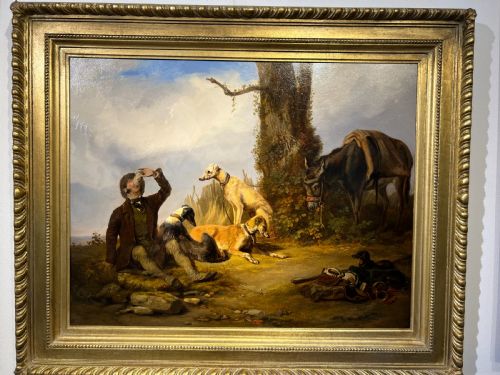
Hound painting art captures the spirited energy and loyal character of hunting dogs through historical oil on canvas and delicate watercolour works.
Hound Painting Art
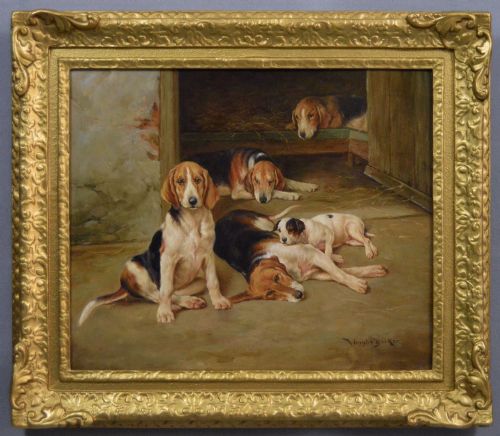
When you examine hound painting art, you encounter a specialised genre dedicated to canine portraiture, pack scenes, and sporting narratives. These works range from intimate individual studies of specific dogs to grand panoramic depictions of historic hunts.
The pieces appearing most frequently across this selection belong to the nineteenth and early twentieth centuries. Victorian and Georgian artists recorded these animals with careful attention to breed characteristics, working roles, and landscape settings.
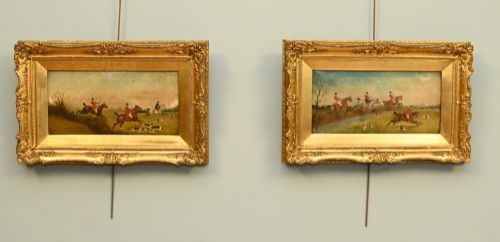
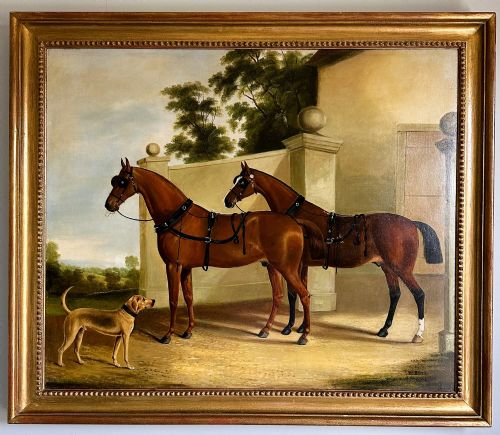
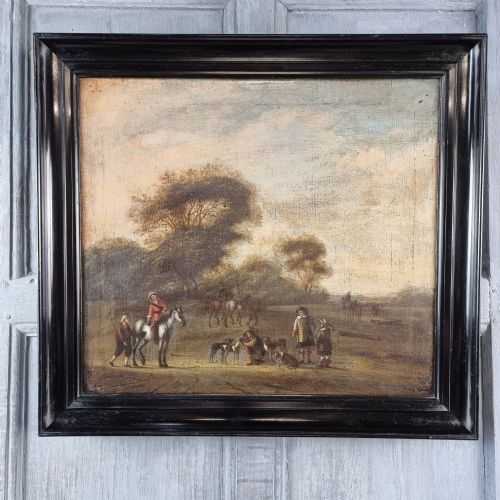
The primary forms include framed oil paintings on canvas or board alongside traditional watercolours. Buyers often find single dog portraits, paired hunting scenes, and broader coaching or landscape compositions featuring hounds.
How They Were Made
Artists typically worked with oil paint on prepared canvas, wood panels, or artist boards, building rich layers of pigment to capture the texture of a hound's coat and the play of light across open fields. Watercolour paintings on paper offer a lighter, more immediate technique favoured for field sketches.
Many historical frames utilise carved giltwood or gold leaf frames that complement the traditional subjects. These materials reflect the status of sporting art within period interiors, framing the canvas as a window into nineteenth-century rural life.
Hound Painting Art Retail Price Guide 2026
Typical asking prices for hound painting art among the pieces listed under this phrase on Sellingantiques today, from the lower quarter to the upper quarter. They describe what is for sale here now, not the wider market.
Subjects range from solitary hound portraits to dramatic winter hunting scenes and pack studies across British and French schools.
What Varies in Quality
The distinction between ordinary and exceptional work rests upon the artist's anatomical accuracy and grasp of canine expression. Master painters convey the muscular tension, alert posture, and distinct personality of the animal with complete conviction.
Compositional confidence and the handling of the surrounding landscape also separate standard decorative pieces from significant works. Stronger examples integrate the hounds harmoniously into atmospheric settings such as winter snow or woodland interiors rather than treating the background as an afterthought.
Sir Edwin Henry Landseer·Arthur Wardle·George Wright·Samuel Raven·Fannie Moody·Colin Graeme Roe·John Sanderson-Wells·Henri Schouten·Thomas Blinks·Henry Frederick Lucas-Lucas
The Hound Painting Art Glossary
- Sporting art
- Genre of painting dedicated to rural sports, horses, and hounds. This category reflects the deep social and cultural role of hunting in British history.
- Oil on canvas
- Pigment suspended in drying oil applied to stretched fabric. This medium allowed artists to achieve deep colour saturation and subtle tonal gradations.
- Watercolour
- Painting method using water-soluble pigments on paper. The technique produces transparent washes that capture swift impressions in the field.
- Giltwood
- Wood carved and coated with a thin layer of gold leaf. This material frequently appears on the antique frames housing nineteenth-century canvases.
- Provenance
- The documented history of ownership for an artwork. Verified records help trace a piece back through previous collections and exhibitions.
Hound Painting Art: Frequently Asked Questions
What subjects appear in hound painting art?
These works feature individual dog portraits, working packs in the field, and broader rural hunting scenes. Artists recorded breeds such as foxhounds, bloodhounds, and retrievers in detailed landscapes.
Many pieces document specific historic hunts or portray famous dogs alongside their handlers. The focus remains on the distinct physical traits and working purpose of each animal.
How do I date an antique hound painting?
Dating relies upon stylistic clues, clothing of figures in the background, and framing materials. Nineteenth-century works often display the darker palettes and romantic realism typical of the Victorian era.
Signatures, inscriptions on the reverse, and artist biographical dates provide further confirmation. Examining the canvas weave and stretcher construction also helps establish the age of the support.
Where should I hang these paintings at home?
These works suit traditional studies, libraries, or living rooms with classic country house aesthetics. Their narrative depth and warm earth tones pair well with wood panelling and antique furnishings.
Placement should avoid direct sunlight to protect sensitive pigments and historic framing. Adequate wall space allows larger pastoral scenes to be viewed comfortably from a distance.
Are these works created on canvas or paper?
Surviving examples utilise various supports including stretched canvas, wooden panels, artist boards, and heavy paper for watercolours. Each medium influences the texture and preservation needs of the artwork.
Oil paintings on canvas offer greater durability, while watercolours require protective glazing to prevent fading. Both techniques reflect the working methods common among nineteenth-century animal artists.