



Hidden Blade Stick
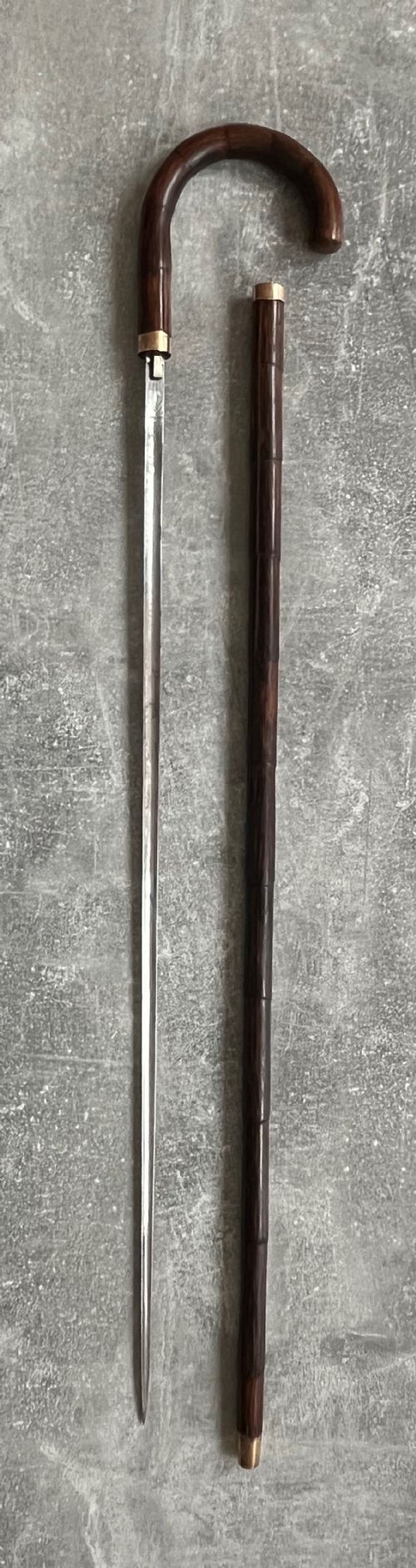
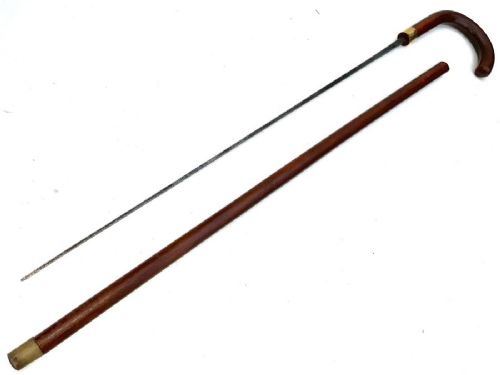
These hidden blade stick pieces are discrete gentlemanly defences disguised as ordinary walking canes.
Hidden Blade Stick
A hidden blade stick combines a conventional walking aid with a concealed steel weapon housed within the shaft. These objects emerge from late nineteenth century and Edwardian workshops as personal protection for gentlemen.
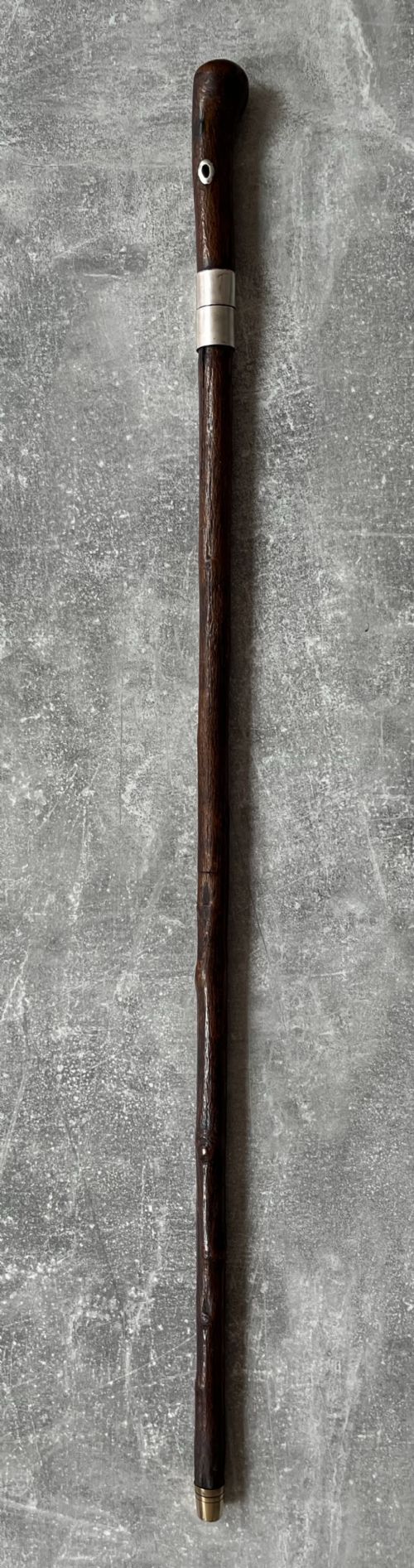
The versions most frequently encountered here utilise natural materials like bamboo, hazel wood, and malacca for the exterior casing. Many examples reflect military contexts through military officers walking stick and swagger stick designations.
Handles vary widely across the selection, ranging from simple crook shapes to carved bone pistol grips and detailed silver animal heads. French variants introduce distinctive finishes including antler handles and snakeskin covered hafts.
How they were made
Craftsmen shaped natural shafts from bamboo, hardwood, hazel, and malacca, hollowing the interior timber to securely house the steel blade. Metal collars and button release mechanisms were fitted precisely to secure the hidden weapon inside the cane.
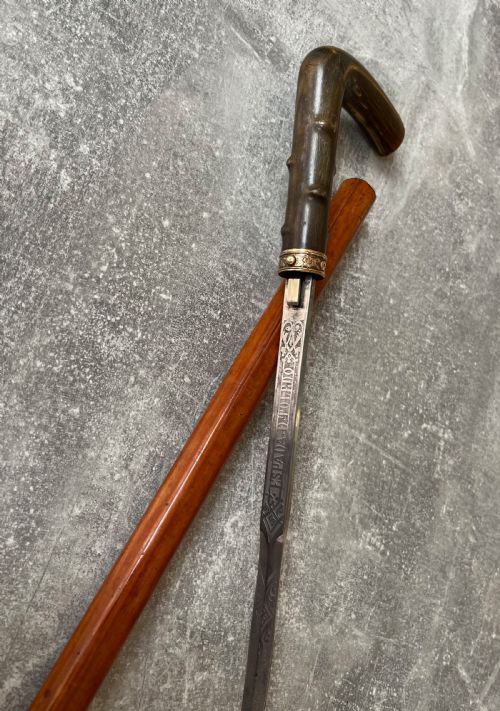
Blades frequently originated from Toledo, incorporating etched steel designs into the manufacturing process. Handles of bone, silver, and antler were then attached to the top of the shaft using traditional pinning and fitting methods.
Hidden Blade Stick Retail Price Guide 2026
Typical asking prices for hidden blade stick among the pieces listed under this phrase on Sellingantiques today, from the lower quarter to the upper quarter. They describe what is for sale here now, not the wider market.
A French sword stick on the page hides its steel blade beneath a full casing of snakeskin and an antler handle.
What varies in quality
The standard of materials and metalwork largely dictates the distinction between standard production pieces and finer examples. High quality items feature substantial silver handles, intricate blade etching, and precision button release mechanisms that align flush with the shaft.
Outer casing construction also determines the overall calibre of the piece. Superior specimens display well selected malacca or bamboo with seamless joins, whereas lesser examples rely on simpler faux bamboo finishes and basic wooden hafts.
The Hidden Blade Stick Glossary
- Toledo blade
- A steel blade originating from Toledo, known for traditional metalworking heritage. These blades often feature decorative etching along the flat.
- Swagger stick
- A short cane carried by military officers as a symbol of authority rather than a walking aid. These items are typically slender and straight.
- Button release
- A mechanical catch set into the collar or shaft that secures the blade inside the cane. Pressing the button disengages the latch to draw the weapon.
- Pistol grip
- A handle shaped to resemble the grip of a handheld firearm. This form provides a secure and ergonomic hold for the user.
Hidden Blade Stick: Frequently Asked Questions
What is a hidden blade stick?
A hidden blade stick is a walking cane that conceals a steel sword or dagger within its wooden or bamboo shaft. The blade remains locked inside until a button release or pull mechanism separates the handle from the body.
These objects served as personal defence items for gentlemen navigating nineteenth century and Edwardian streets. They combine the outward appearance of a standard walking aid with a functional concealed weapon.
How do I release the hidden blade?
Most examples utilise a mechanical button release located near the collar just beneath the handle. Pressing this button disengages the internal catch, allowing the user to pull the handle and draw the steel blade from the shaft.
Some variants rely on a simple friction fit or a twist lock mechanism rather than a mechanical button. Inspecting the collar area reveals how the specific latch operates.
What materials were used for the handles?
Handles on these pieces span a diverse range of natural and metallic substances. Common options include carved bone pistol grips, solid silver animal heads, and natural antler.
Simpler versions feature standard wooden crooks or curved bamboo handles. The choice of handle often reflects the intended formality and social status of the original owner.
How can I identify the period of a stick?
Dating relies heavily on the construction materials, handle styles, and manufacturing characteristics visible across the piece. Items associated with military officers often date from the late nineteenth century through the Edwardian era.
Stylistic cues such as etched Toledo blades and specific handle materials like snakeskin or silver help narrow the timeframe. Examining the construction of the release mechanism also provides clues to the manufacturing decade.