




Heavy Wood Wall Mirror
A heavy wood wall mirror brings genuine architectural weight and deep texture to a room, offering both practical reflection and strong period character.
Heavy Wood Wall Mirror
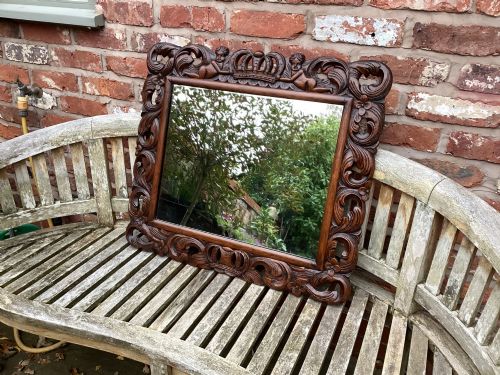
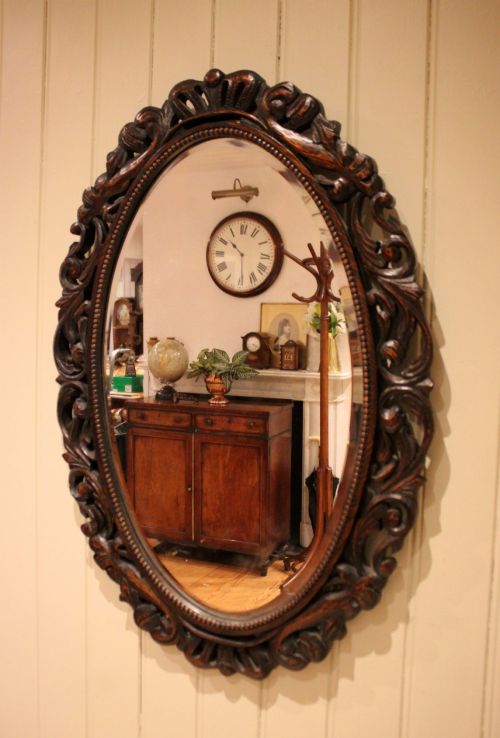
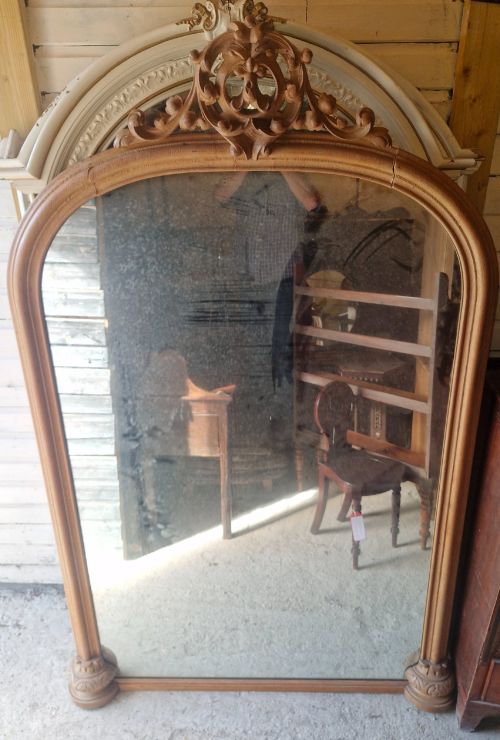
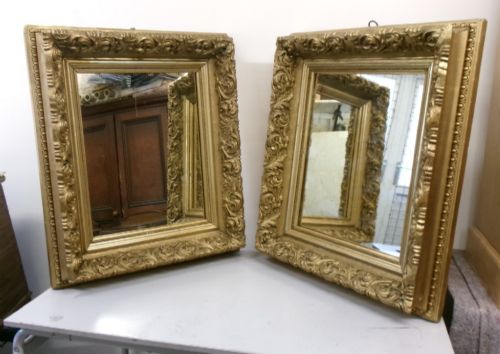
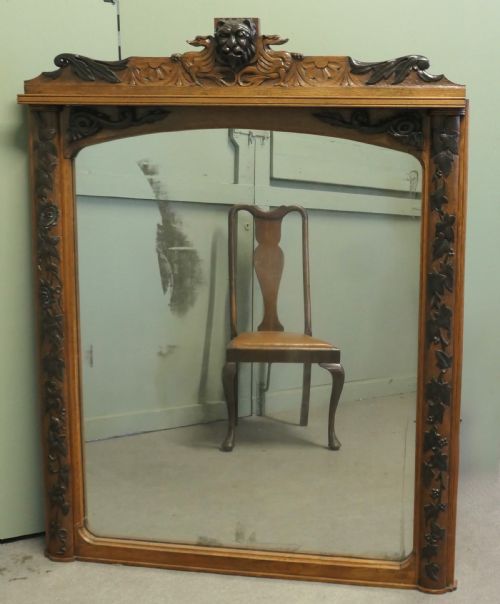
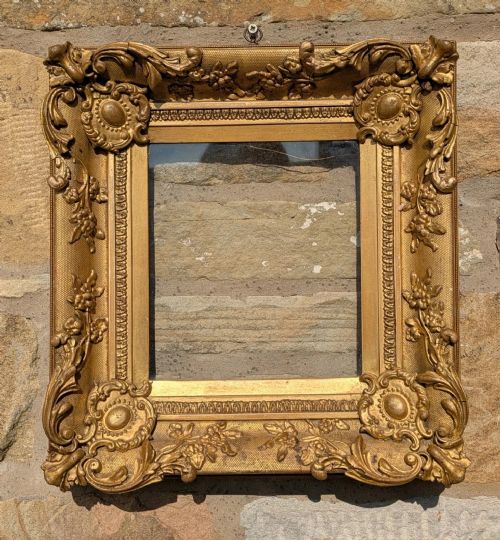
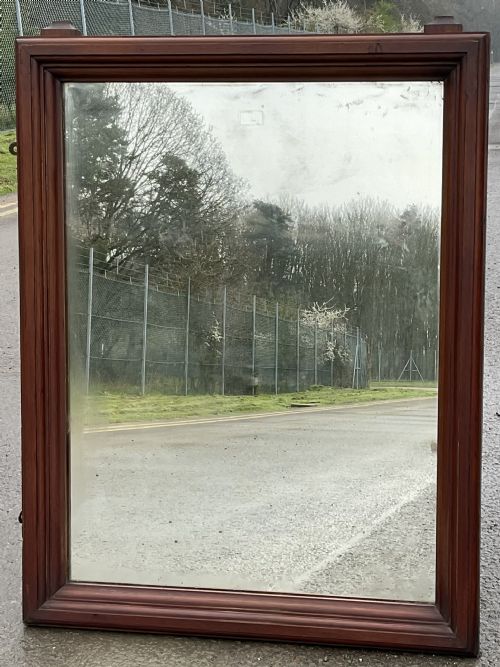
A heavy wood wall mirror provides substantial presence on a wall, typically built from dense timbers like oak or finished with ornate giltwood and gesso. These pieces span the nineteenth century and early twentieth century, taking forms such as large cushion frames, pier glass mirrors, and overmantle designs. Buyers searching for a heavy wood wall mirror will encounter both restrained architectural carvings and exuberant revival styles.
The materials and construction reflect the aesthetic preferences of Victorian and Edwardian makers, ranging from dark carved oak to heavily gilded surfaces. Many examples incorporate deep frames and bevelled glass, creating a strong sense of depth and substance. Surviving pieces demonstrate the enduring appeal of solid timber and classical revival motifs in domestic interiors.
How they were made
Makers utilised dense timbers such as oak, constructing deep frames often enhanced with carved details and applied mouldings. Giltwood and gesso finishes required skilled application of gold leaf over prepared wooden or composition bases to achieve a brilliant, reflective surface. Frame construction frequently employed heavy joinery to support the substantial weight of thick mirror glass.
Surviving examples show a combination of hand-carved woodwork and traditional framing techniques suited to large wall mirrors and pier glasses. The integration of mirror glass within deep cushion or architectural frames demanded robust structural support to withstand decades of hanging.
Heavy Wood Wall Mirror Retail Price Guide 2026
Typical asking prices for heavy wood wall mirror among the pieces listed under this phrase on Sellingantiques today, from the lower quarter to the upper quarter. They describe what is for sale here now, not the wider market.
Several mirrors arrive with such formidable timber frames that they double as impromptu weightlifting sessions during installation.
What varies in quality
Quality in a heavy wood wall mirror rests primarily on the depth and crispness of the timber carving or the finesse of the giltwood finish. Superior examples display confident, deep relief work in the wood and harmonious proportions between the heavy frame and the glass plate. Lesser pieces rely on simpler moulded decoration or coarser composition ornament.
The integrity of the original materials also distinguishes better examples, particularly the clarity of the mirror glass and the preservation of the original gold leaf or dark oak patina. Substantial timber frames that retain their structural stability and authentic surface finish demonstrate superior craftsmanship from the period.
The Heavy Wood Wall Mirror Glossary
- Giltwood
- Wood carved and prepared to receive a layer of gold leaf. This finish creates a bright, reflective surface popular in formal Victorian and revival interiors.
- Gesso
- A plaster-like material applied to wood frames to create a smooth base for gilding or moulding. It allows for intricate relief ornamentation before applying gold leaf.
- Pier glass
- A tall mirror designed to hang on the wall between windows, often placed above a pier table. These pieces frequently feature heavy frames and substantial proportions.
- Cushion frame
- A frame profile that curves outward or inward like a pillow, adding noticeable depth and volume to the mirror. This style is frequently seen in heavy oak wall mirrors.
- Overmantle mirror
- A large mirror designed to hang specifically above a fireplace mantel. These pieces anchor the chimney breast and reflect light across the room.
Heavy Wood Wall Mirror: Frequently Asked Questions
How do I hang a heavy wood wall mirror safely?
These substantial mirrors require secure fixings anchored directly into wall studs or masonry to support their considerable weight. Using professional-grade mirror hangers and heavy-duty brackets ensures the piece remains safely supported.
Because the combination of thick timber and mirror glass creates significant downward force, professional installation is often recommended for larger Victorian and Edwardian examples.
Where should I place a heavy wood wall mirror in a room?
Placing a heavy wood wall mirror opposite a window maximises natural light and creates a sense of expanded space. They also work effectively as focal points above mantelpieces, sideboards, or console tables.
The substantial frames and dark oak or gilt finishes allow these mirrors to anchor large wall spaces in living rooms, hallways, and dining rooms.
How do I clean and maintain antique mirror glass?
Cleaning antique mirror glass requires a soft, lint-free cloth and a mild, ammonia-free glass cleaner applied sparingly. Spraying the cloth rather than the glass prevents moisture from seeping behind the silvering or into the wooden frame.
Care should be taken to avoid harsh chemical cleaners that can damage the surrounding wood patina or delicate giltwood and gesso surfaces.
How can I tell the period of an oak wall mirror?
Dating an oak wall mirror involves examining the joinery, the type of timber used, and the style of the carving. Victorian and Edwardian pieces often display revival motifs such as Gothic, Renaissance, or Jacobean influences.
The backing boards, fixing methods, and the characteristics of the mirror glass itself provide further clues to the manufacturing era.