



Heavy Gold Bracelet
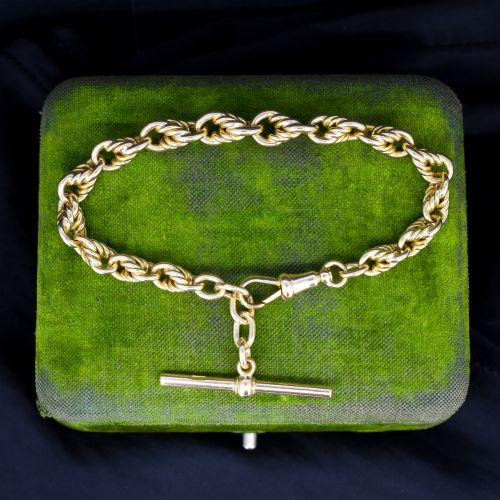
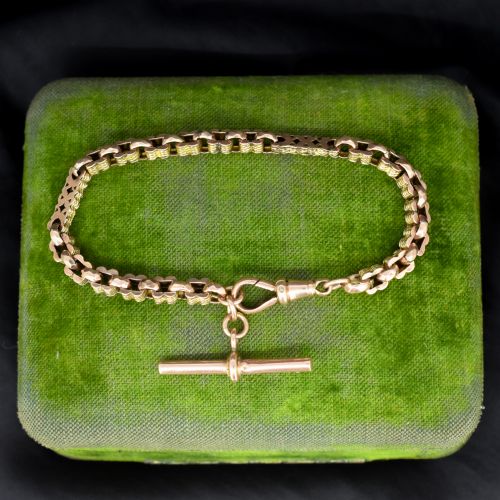
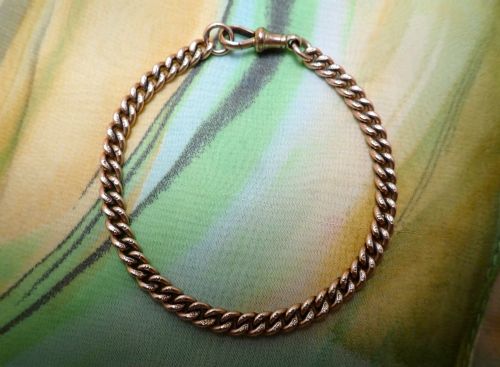
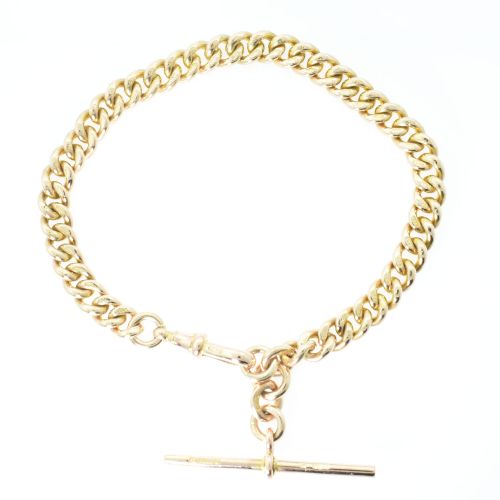
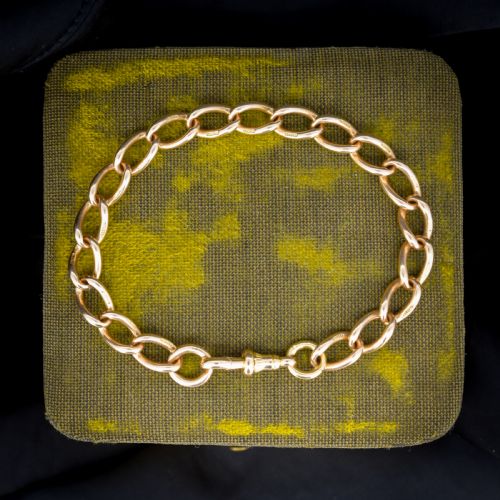
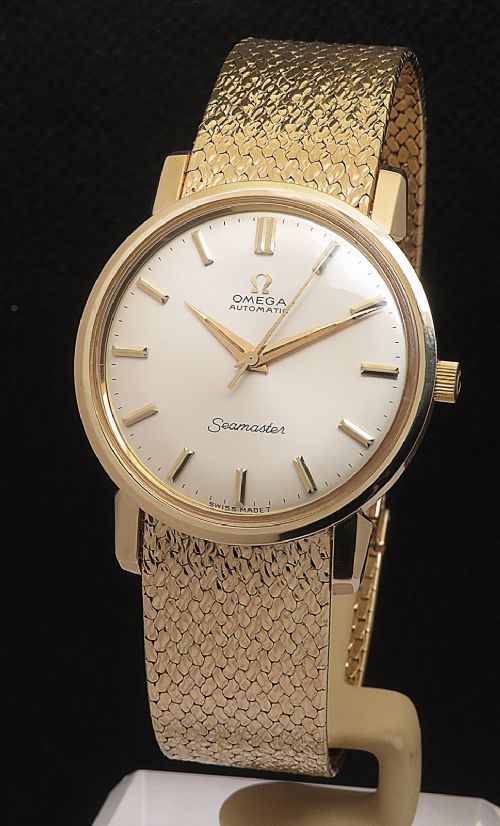
A heavy gold bracelet carries substantial presence on the wrist, offering substantial weight in yellow, rose, or white gold across various historical periods.
Heavy Gold Bracelet
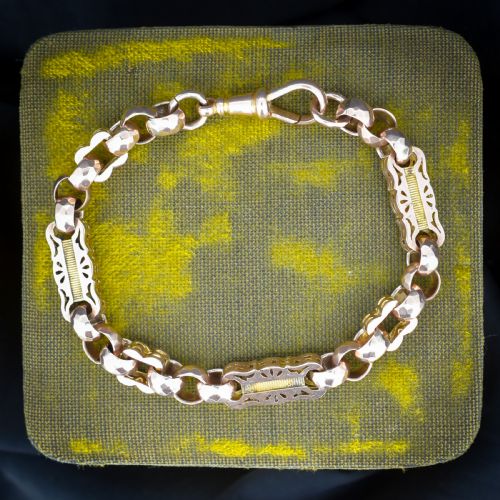
The most common examples on this page are Edwardian and Victorian 9ct rose or yellow gold pieces featuring dog clips, T-bars, or concealed clasps. These items originate from utilitarian watch chains or substantial pocket watch attachments adapted for modern wear.
Heavier iterations incorporate distinct configurations such as stars and bars motifs, graduated links, or French manufacture in 18ct yellow gold. Each piece demonstrates the period preference for substantial metal weight and tactile presence.
What varies in quality
The standard of a heavy gold bracelet rests on the integrity of its link construction and the original gauge of the metal. Pieces that retain their full weight and structural depth without thinning at the pivot points command greater regard.
Artisanal execution in the clasp mechanism and hand engraving distinguishes superior examples. The quality of the gold alloy itself, from 9ct up to 18ct, alongside the precision of the articulation, dictates the overall refinement of the piece.
Heavy Gold Bracelet Retail Price Guide 2026
Typical asking prices for heavy gold bracelet among the pieces listed under this phrase on Sellingantiques today, from the lower quarter to the upper quarter. They describe what is for sale here now, not the wider market.
Several heavy gold bracelets began life as pocket watch chains before finding a second career adorning wrists.
The Heavy Gold Bracelet Glossary
- Curb link
- A type of jewellery chain formed by interlocking flat, identical links that lie relatively flat against the skin. This structure provides the durability and weight required for substantial daily wear.
- Dog clip
- A spring-loaded fastener featuring a pivoting arm, commonly found on Victorian and Edwardian watch chains and bracelets. It allows the secure attachment of charms, pendants, or pocket watches.
- T-bar
- A short transverse bar of metal attached to a chain by a short length, historically used to secure a pocket watch through a waistcoat buttonhole. On a bracelet, it serves as a decorative or functional toggle clasp.
- Tank bracelet
- A bold, architectural style of bracelet popular during the Art Deco and mid-century periods, characterised by rigid or semi-rigid flat geometric links inspired by military treads.
Heavy Gold Bracelet: Frequently Asked Questions
How do I wear a heavy gold bracelet daily?
These bracelets are built for robust daily wear due to their solid construction and substantial metal content. Ensure that spring mechanisms on dog clips or box clasps remain secure.
Pair the piece with simple attire to let the substantial gold links and historical character stand out without competing with other accessories.
How do I identify the gold purity?
Examine the metal surfaces for traditional hallmarks or stampings indicating the carat weight, such as 9ct, 15ct, 18ct, or continental equivalent marks like 750.
Professional testing by a jeweller can confirm the exact gold content if stamps are worn or obscured by decades of historical use.
Can I attach charms to these bracelets?
Many historical pieces, particularly curb link and Albert styles, were originally designed to hold pendants, lockets, or pocket watch attachments. The robust links easily accommodate additional charms.
Ensure that any added jump rings or suspension loops match the gold purity and physical weight of the main bracelet structure.
What is the difference between Victorian and Edwardian pieces?
Victorian examples often display heavy curb links, rich rose gold tones, and utilitarian fastenings derived from watch chains. They emphasise mass and tactile presence.
Edwardian pieces frequently introduce finer geometric symmetry, platinum accents, or lighter pierced work alongside substantial 18ct yellow gold configurations.